
Operation Rimon 20: Israel’s Three-Minute MiG Ambush
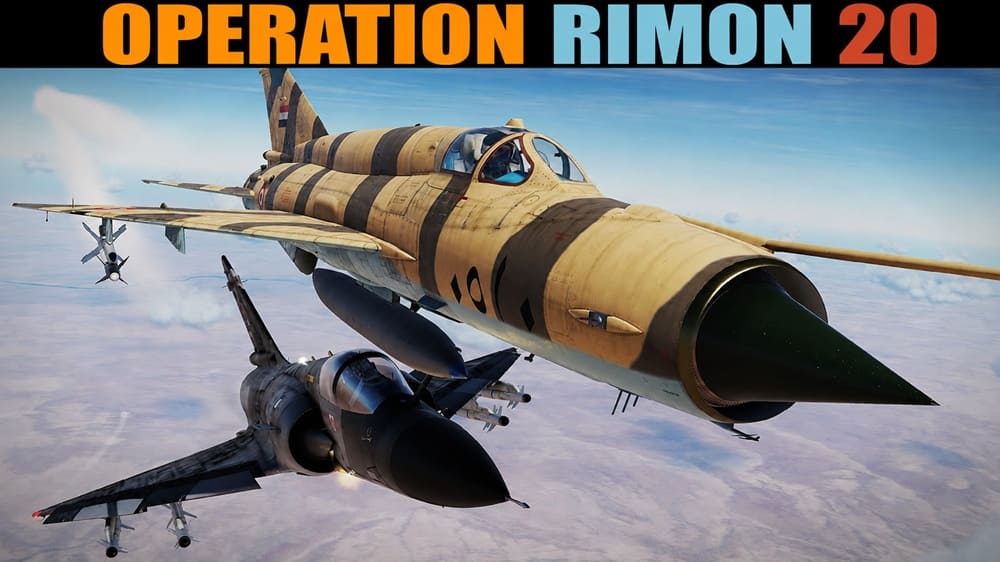
Israeli air force pilots shot down five MiG-21s flown by Soviet pilots in less than three minutes on July 30, 1970, one of the few cases of direct Soviet-Israeli fighting in Operation Rimon 20. Israel did not lose any aircraft, but a missile attack damaged a Mirage IIIC. That was not a pilot ability but rather a lucky catch. Israeli planners combined intelligence, radar deception, low-altitude concealment, and timing to shape a short, highly favourable battle against a larger Soviet force.
Soviet Intervention
Following the defeat in the Six-Day War, Egypt initiated the War of Attrition (1967-1970), during which it attacked Israeli positions and infiltrated commandos across the Suez Canal. To reduce casualties, Israel used air power against the larger Arab armies. Its new F-4E Phantoms attacked deep into Egypt, and Nasser asked the Soviets for more help. Moscow also dispatched MiG-21s piloted by Soviets and gave Egypt SA-2 and SA-3 surface-to-air missile systems.
These systems downed several Israeli planes and were a threat to operations near the canal, just as similar weapons had been a challenge to American crews over North Vietnam. Israeli pilots apparently referred to this perilous battlespace as “Texas,” a nod to the Wild West, and at first neither side engaged directly. However, Soviet patrols began picking off Israeli missions. On July 25, 1970, an Israeli A-4 Skyhawk was downed by an air-to-air missile fired from a Soviet-piloted MiG-21, encouraging Israeli leaders to sanction a controlled confrontation.
How Operation Rimon 20 Built the Ambush
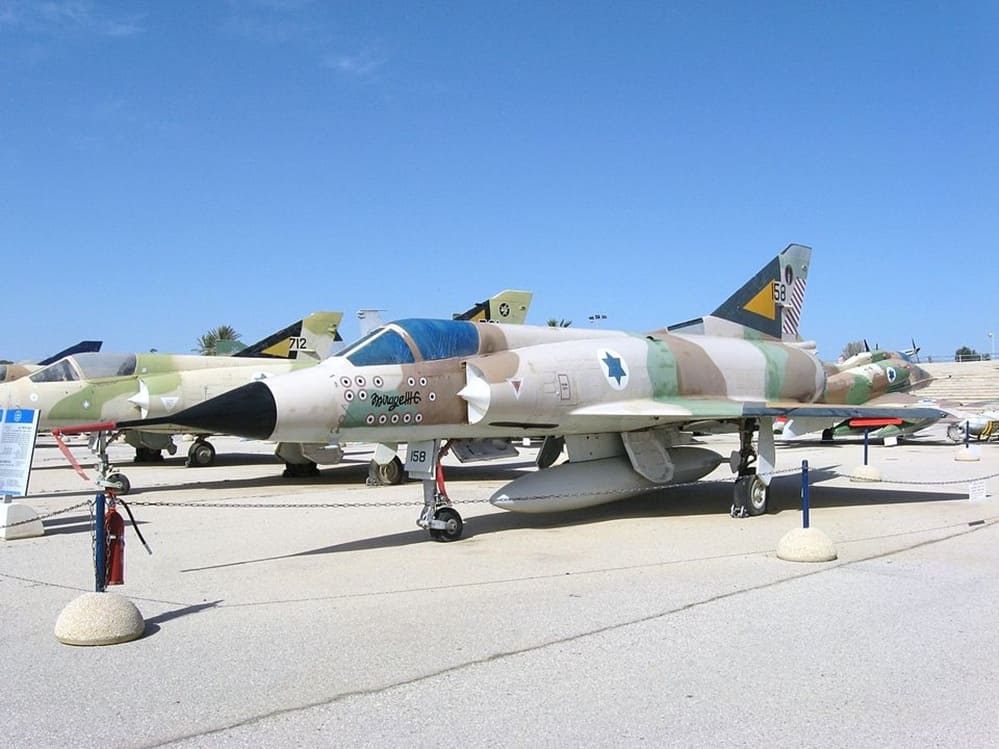
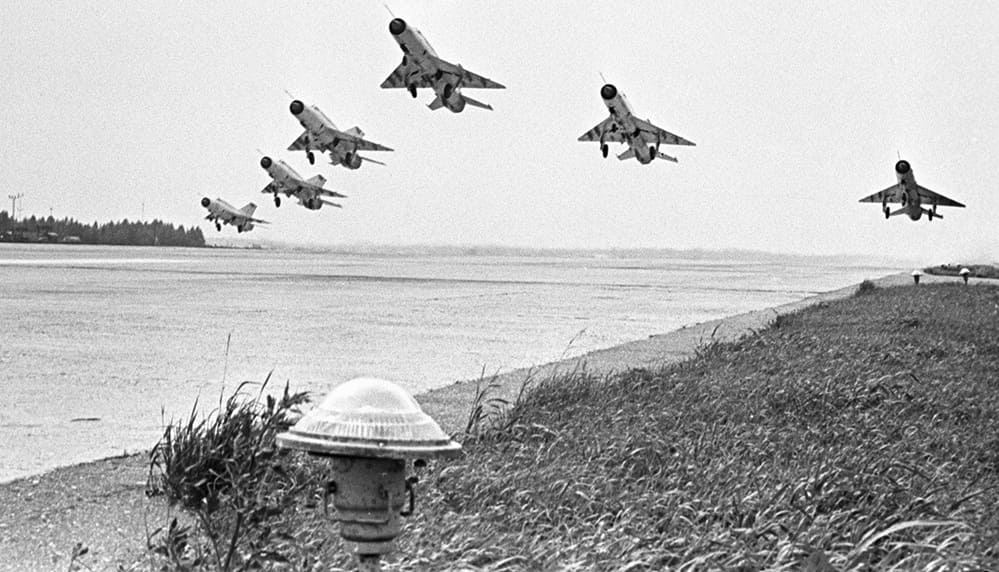
Russian-speaking Israeli personnel monitored Soviet communications, providing planners with valuable insight into Soviet patrol patterns and likely subsequent operational responses. Four Mirage IIICs were then kitted out and repeated a routine high-altitude reconnaissance flight. They flew in tight pairs, looking like two unarmed Mirages, while Phantoms and more Mirages lurked low over the Israeli-held Sinai. Israel’s crews were well-experienced, but its pilots were wary of the different and possibly more advanced Soviet weapons they would face in the planned fight. The Soviet controllers took the bait and launched 24 MiG-21s. What looked like a recon patrol turned out to be 16 Israeli Phantoms and Mirages armed for combat.
3 Minutes of Air Combat
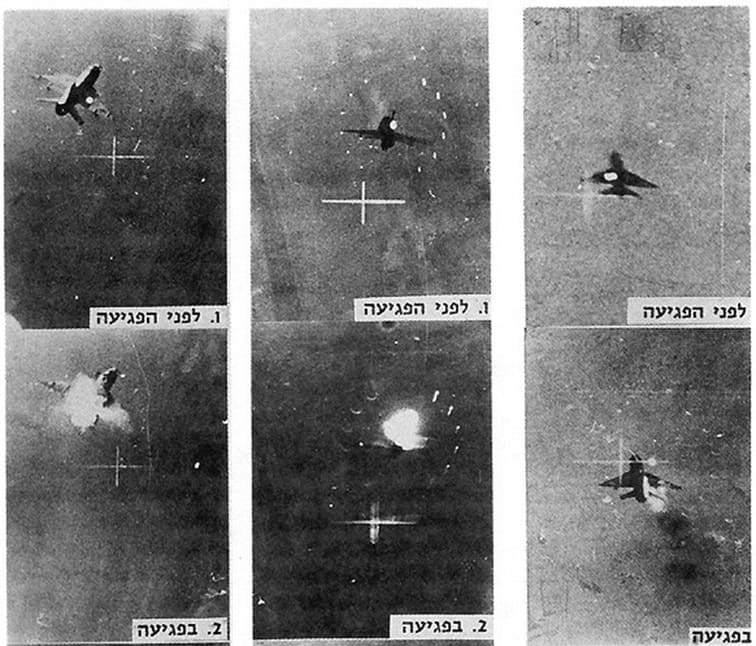
The engagement was close-range manoeuvring and was over in less than three minutes. Israeli crews destroyed five MiG-21s: two by Phantoms, two by Mirages and the fifth by both types. A Phantom crew shot down an AIM-7 Sparrow at a very low altitude, where ground clutter could affect period radar-guided weapons. But the missile homed in correctly and killed its target. Meanwhile, another fighter pursued a MiG from 15,000 feet to 2,000 feet, launched an AIM-9D Sidewinder, and forced the Soviet pilot into energy-depleting defensive manoeuvres. According to the source, an AA-2 Atoll then struck a Phantom from behind, but its warhead failed to detonate. Later accounts have Asher Snir’s Mirage IIIC damaged and him landing safely. That discrepancy does not change the confirmed tally of that day’s action: five Soviet MiG-21s shot down, no Israeli aircraft lost.
How Israel Won the Engagement
Operation Rimon 20 was successful because Israel was the first to dictate the battle. Formations created radar pictures. The main force concealed itself in the low ground. Intelligence uncovered Soviet procedures. Furthermore, Israel flew experienced pilots, and deception denied the MiGs a clean opening attack. Then Israeli formations came down on them from a number of directions and altitudes. The battle showed that maximum speed alone often does not win an air fight. Weapons, engagement geometry, information, and positioning are often more important. Defense News Today’s analysis of Harriers versus Mirages in the Falklands War reaches a comparable conclusion.
Impact and Soviet Response
Israel said the aircraft destroyed were Egyptian, thereby lessening public embarrassment for Moscow. Egypt denied any losses. But the pilots’ Soviet origins did not remain a secret for long. Some Egyptian staff were heard laughing at advisors who were criticising Egyptian flying standards. Even an Israeli account says Nasser ordered his men not to mock Soviet instructors, but the anecdote is less solid than the battle record. Even victory did not end the threat of missiles.
The War of Attrition ended on 7 August 1970 when the US brokered a ceasefire, but Soviet-supplied SAMs remained near the canal. Three years later, during the Arab-Israeli War of 1973, Egyptian and Syrian air defences inflicted significant losses on Israeli forces. In 1972, President Anwar Sadat expelled most Soviet military personnel from Egypt. US diplomatic records confirm Soviet-piloted MiG-21 interceptions, Sparrow and Sidewinder kills, and the later missile threat. An Air University study also records five MiG-21 losses, one damaged Mirage and no Israeli aircraft destroyed.
Wider Cold War Implications
The fighting showed how regional conflicts could become a battle between Soviet-backed and Western-backed forces. Neither side wanted a superpower crisis, but forward deployments and aggressive intercepts carried obvious risks of escalation. The risk is similar to the operations of Russia, the US and Israel over Syria,” the 2018 source said. The analogy remains valid: tactical action can restore deterrence, but one bad interception can carry strategic costs. As with reported Soviet special-forces activity in Angola, secrecy complicates Cold War research. Analysts must separate confirmed outcomes from memoirs, messaging and disputed details.
Conclusion
Operation Rimon 20 was a resounding tactical success for intelligence-led deception and disciplined use of force. But it failed to neutralise Egypt’s Soviet-backed air defences and to win the wider war. Israel chose the site, made the radar look the way it did, and had the expert crews ready at the right time. Thus, five Soviet fighters were committed to a fight that favoured the Israelis. The outcome of the three-minute engagement had been determined before either side fired a single shot.
References
- https://defensenewstoday.info/harriers-vs-mirages-the-aerial-duels-of-the-falklands-war/
- https://defensenewstoday.info/soviet-frogmen-in-angola-cold-war-shadows-at-sea/
- https://history.state.gov/historicaldocuments/frus1969-76v23/d142
- https://www.airuniversity.af.edu/Portals/10/JEMEAA/Journals/Volume-02_Issue-1/Tovy.pdf
About the Author