
Operation Linebacker II: America’s Heartbreaking Chapter
Often referred to as the “Christmas Bombing,” Operation Linebacker II was a crucial American military operation during the Vietnam War. The operation, which took place from December 18 to 29, 1972, sought to compel North Vietnam to resume peace negotiations. One of the most intense bombing raids in history took place during this 11-day air campaign, resulting in both significant losses and strategic victories.
Operation Linebacker II’s Goal
The goal of the operation was to destroy important infrastructure in North Vietnam, such as military bases, power plants, and transportation hubs. Surface-to-air missiles (SAMs), anti-aircraft guns, and weapons from the Soviet Union’s MiG fighters protected Hanoi and Haiphong, which were the main targets of these raids. The goal was to make it harder for North Vietnam to keep fighting and force them to talk about ending the war. Sending out a large number of B-52 Stratofortress bombers and other planes was crucial to this risky plan.

A Night of Heavy Losses
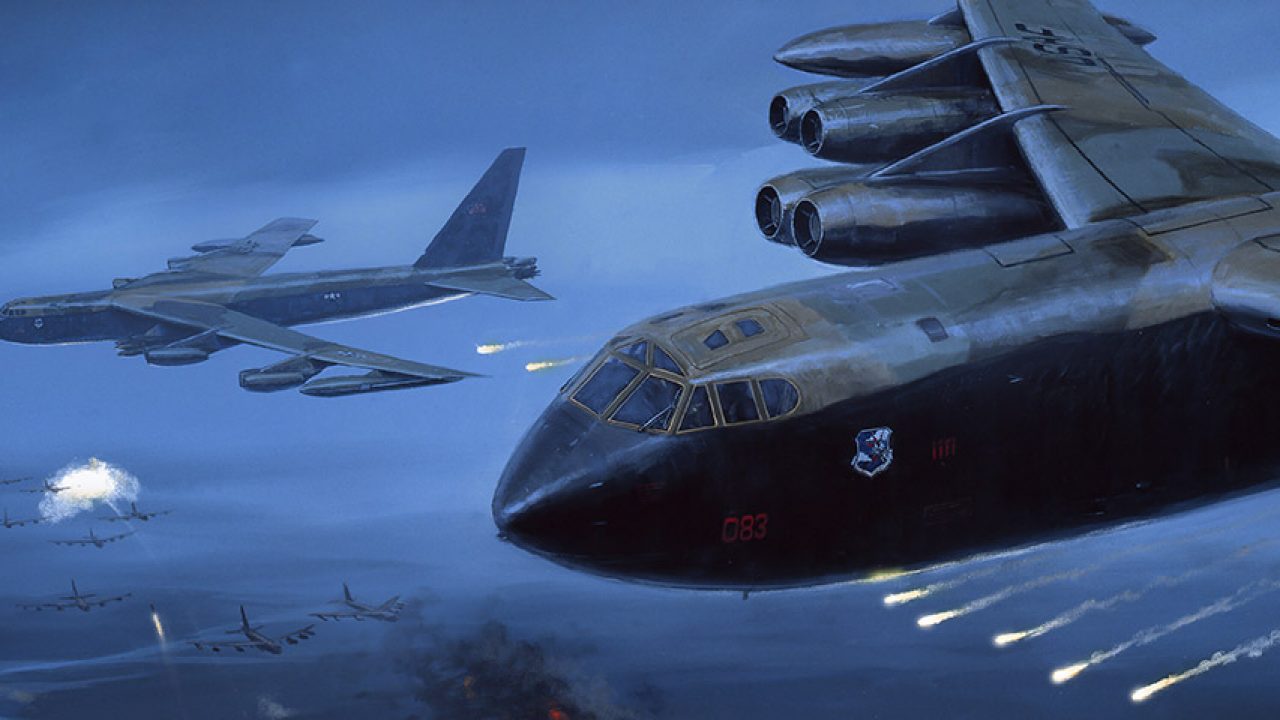
December 19, 1972 became the “Night of Heavy Losses,” with the highest losses of the campaign. The US lost 11 B-52 bombers out of the 129 planes it sent out on this one day. During the Vietnam War, this was the most B-52s lost in a single day.
Overall, during the 11-day campaign, the U.S. lost:
- Fifteen B-52 bombers were lost to enemy fire, with several more heavily damaged.
- Tactical aircraft, such as the F-4 Phantom II and A-7 Corsair jets, suffered additional losses.
- Nearly 100 airmen were killed, captured, or missing in action.
These losses highlighted North Vietnam’s formidable air defense network, which was heavily bolstered by Soviet advisors and equipment.
North Vietnam’s SAM inventory
| Missile name | Origin | Range | Altitude |
|---|---|---|---|
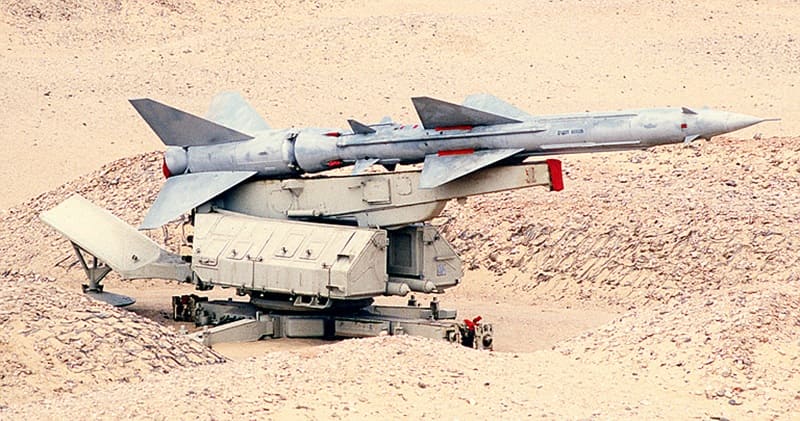
| SA-2 Guideline (S-75 Dvina) | Soviet Union | 30–45 km | up to 25–30 km |
| SA-7 Grail (9K32 Strela-2/Strela-2M) | Soviet Union | 3.7–4.2 km | up to 1.5–2.3 km |
During Linebacker II, the SA-2 was the most dangerous strategic SAM. The official history of the U.S. Air Force says that SA-2 missiles caused the loss of 17 planes during the campaign. By 1972, North Vietnam had also received the SA-7. However, it was a short-range, low-altitude missile. It was not the main B-52 killer over Hanoi.
Tactical Shifts, Mission Success
The U.S. Air Force quickly changed its plans because it was losing more and more. The U.S. Air Force made bombing formations less predictable, changed the heights at which planes flew, and improved electronic countermeasures. These changes made it much less likely that there would be losses in later raids.
By the end of the campaign, U.S. forces had flown over 729 missions and dropped about 20,000 tons of bombs on important targets. The strikes did a lot of damage to North Vietnam’s infrastructure, making it challenging for them to move troops and supplies and fight.
Strategic Impact
Operation Linebacker II achieved its primary objective. North Vietnam signed the Paris Peace Accords on January 27, 1973, just a few weeks after the campaign. This ended U.S. involvement in the war. There is still a lot of debate about the long-term effects of the Vietnam War, but the campaign showed that sustained aerial bombardment can be a useful way to reach strategic goals. The high cost of lives and equipment, on the other hand, showed how difficult it is to fight in the air against advanced defenses.
Lessons Learned
- Adapting Tactics: The importance of flexibility in combat strategy became evident as the U.S. Air Force altered its approach to mitigate losses.
- Technological Advancements: The operation spurred innovations in electronic warfare and precision-guided munitions, setting the stage for future conflicts.
- Diplomatic Leverage: The campaign showcased how military pressure could complement diplomacy, paving the way for negotiation success.
The Legacy of Operation Linebacker II
Military historians and aviation experts still study Operation Linebacker II to aid military planners. It showed what air power could do and what it couldn’t do in modern warfare. The campaign met its short-term goals, but the Vietnam War’s high death toll and moral questions still cause debate.
Key Statistics
| Metric | Details |
|---|---|
| Campaign Duration | 18–29 December 1972 |
| Total Sorties Flown | 729 |
| Bombs Dropped | ~20,000 tonnes |
| B-52 Bombers Lost | 15 |
| Airmen Killed or Captured | Nearly 100 |
Conclusion
Operation Linebacker II was a key turning point in the Vietnam War because it combined military strength with diplomatic strategy. Even though there were many deaths, the campaign showed how powerful well-coordinated air operations can be in changing the course of events in the world.
References
- Clodfelter, M. (1995). The Limits of Air Power: The American Bombing of North Vietnam.
- Pentagon Papers (1971). U.S. Department of Defence Analysis.
- Online Archives: Vietnam War History.
- Military News: Defence Today.
About the Author