Soviet Frogmen in Angola — Cold War Shadows at Sea
In the early 1970s, reports of Soviet frogmen in Angola speak of a clandestine encounter with South African combat divers. The episode is in a grey area between lore and declassified history. But it also reveals the proxy competition of the period, the perils of naval sabotage and the rise of specialised underwater forces on both sides. Some open sources refer to an incident off the coast of Africa in the early 1970s. They emphasise that the details remain contentious, including whether there were any casualties.
The 1970s Angolan War
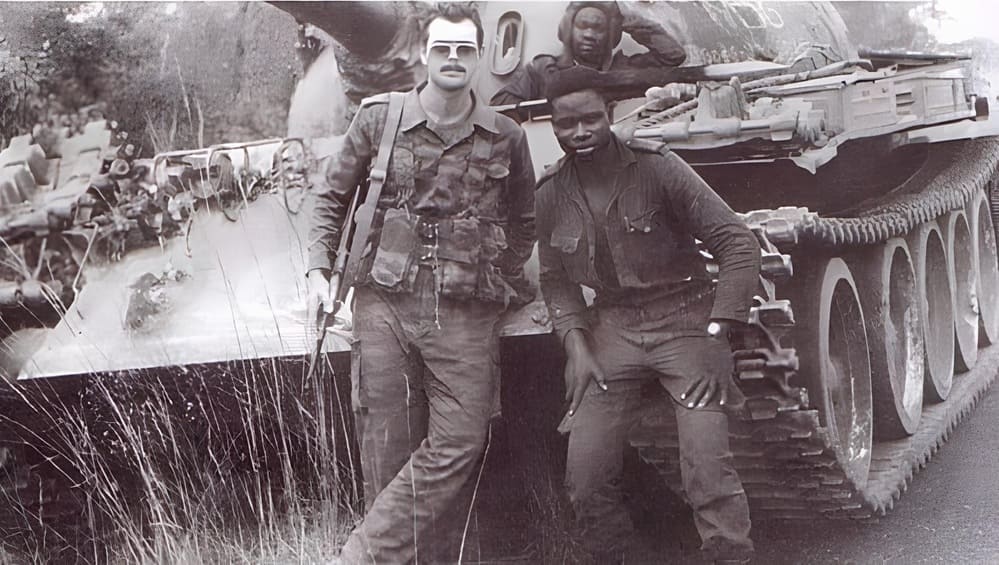
Angola was in the process of moving from being a Portuguese colony to independence. Rival liberation movements vied for control and outside powers struggled for influence. Moscow supported the MPLA politically and militarily and set the stage for the use of advisers and niche capabilities like Soviet frogmen in Angola. This helps explain why it is plausible that there were covert maritime conflicts. In 1975 South Africa began Operation Savannah, and Cuba intervened on behalf of the MPLA .
Actual Source
Open-source literature on the Russian naval special forces mentions an underwater skirmish with “six or eight” South African frogmen off an African coast in the early 1970s. In that version, Soviet divers “chased away” the intruders guarding a visiting trade delegation and no one was killed. It’s short and does not specify a location but is consistent with Soviet frogmen being in Angola and other African countries at the time. Social or informal posts claim multiple combat deaths, against authoritative histories. Analysts face a challenge in reconstructing events from the available sources, particularly when Cold War secrecy and propaganda obscure the record.
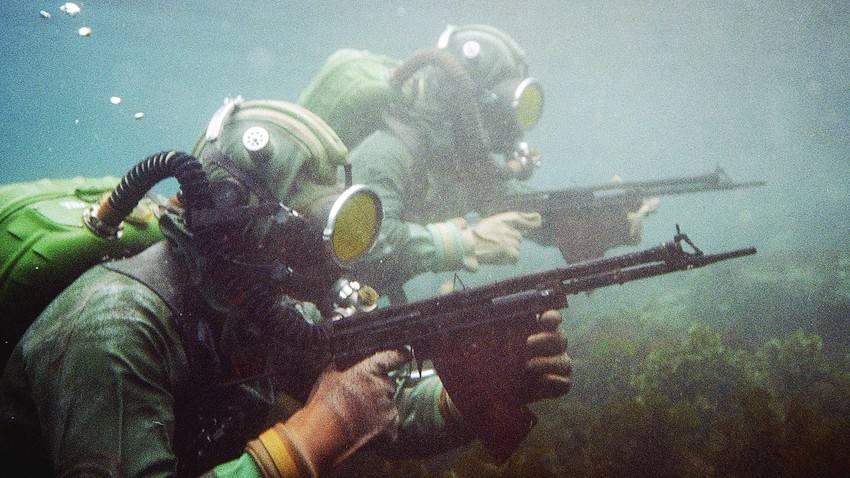
Underwater Capabilities of each side
Both the USSR and South Africa developed combat-diver cadres trained to search hulls, to lay or neutralise limpet mines and to protect high-value vessels in confined waters. The Soviet OB-PDSS (anti-sabotage detachments) used rebreathers, swimmer delivery tactics and, later, specialised underwater weapons such as APS rifles and SPP-1 pistols. South African units were trained to conduct clandestine beach surveys, port reconnaissance and harbour penetration in support of larger Border Wars operations. Such capabilities mean that even if there is some debate about the details, a close underwater quarter encounter is possible.
Timelines and motives
The peak of internationally organised fighting in Angola occurred in 1975–76, but foreign military involvement and preparatory activities had begun earlier. Soviet maritime security teams may have motives to escort delegations and guard merchant or auxiliary shipping in African ports that might bring Soviet frogmen to Angola or nearby littorals. South African forces had been operating along the coast of the region in anticipation of cross-border operations and to counter perceived threats. Incentives on both sides allow a brief underwater probe-and-repulse encounter. There is nothing in the public record to indicate a lethal firefight in 1972.
Assessing the Claim
Open sources are still limited, so we denote uncertainty and flag disputed information like dates and casualties. The most neutral way to say it is that no one died. We do not speculate as to the identity or background of combatants beyond what the sources support. We also place this episode in the larger Cold War struggle beneath the waves, rather than as a conclusive tale of conflict. This approach brings the Soviet frogmen in Angola into the domain of verifiable history, but with the caveat of the limitations of the evidence. Table of reported casualty claims about the alleged underwater clash:
| Source / account | Claimed date & place | Parties involved | Reported casualties (Soviet) | Reported casualties (South African) | Confidence / notes |
|---|---|---|---|---|---|
| Wikipedia “Russian commando frogmen” summary | Early 1970s, “African coast” (often linked to Angola) | Soviet PDSS frogmen vs South African combat divers | 0 | 0 | Mentions intruders “driven off”; no deaths reported. The summary is available as an open-source document, with limited citations. |
| Social media / forum claims | 1972, off the Angola/Africa coast | Same as above | 0 | 6–8 | User posts have not been verified, and no supporting documents have been provided. Treat as uncorroborated. |
| Declassified/official context (no specific clash record) | 1970s–80s Angolan theatre | USSR/Cuba/Angola vs South African ops broadly | — | — | Documents confirm Soviet naval presence/counter-sabotage measures but do not record this specific 1972 underwater firefight or casualties. |
Note: Currently, no high-trust archival or scholarly source verifies fatalities in a 1972 underwater clash; the best-known summary reports no deaths.
High Demand of OB PDSS
1970 onwards: OB PDSS frogmen operated in Angola, Vietnam, Egypt, Mozambique, Nicaragua, Ethiopia and elsewhere, often at the request of the host country. They went to Angola and Nicaragua to protect Soviet ships and to advise local armies.
Cold War Shadows at Sea
Archival evidence indicates a Soviet naval presence in Angola by 2026. In 1977, the Soviet Union created warships, advisers, and a material-technical support facility in Luanda. Soviet personnel also aided Angolan naval forces and guarded ships during many South African maritime raids. However, only a few sources substantiate the dramatic stories of Soviet frogmen fighting submarine battles off Angola. Veteran reports and later Russian accounts describe combat swimmers protecting Soviet ships and assisting local forces, but there is no definitive evidence of specific underwater actions in the CIA’s available records or academic research. The deployment was believable. These legendary meetings are unsubstantiated.
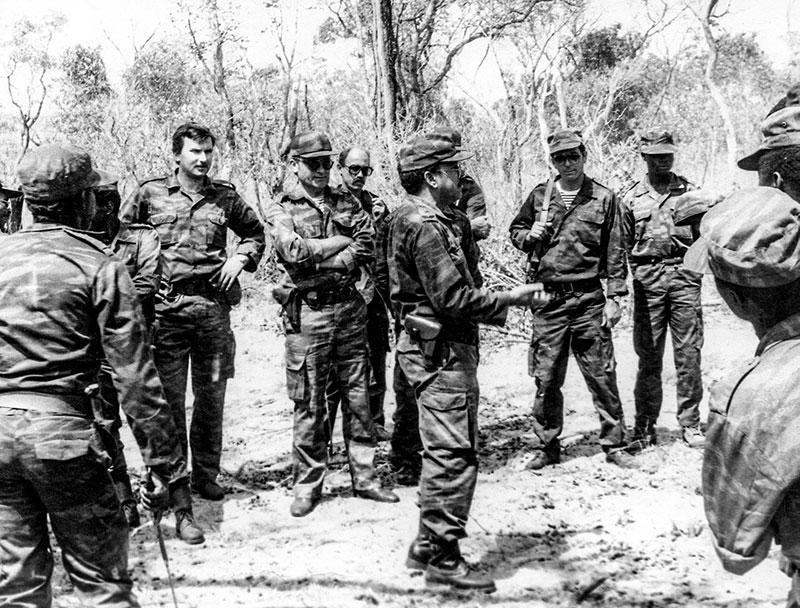
Its military importance
Even a short engagement, with no casualties, would be operationally useful. It would also test rules of engagement under water, validate anti-saboteur postures in port security and provide information for future escort procedures for visiting officials and shipping. In the South African example, the study of harbour defences could improve reconnaissance techniques and preparedness for limpet mine defence or attack. These contacts also strongly encouraged investment in rebreathers, swimmer delivery vehicles and acoustic surveillance to deter covert swimmers.
Conclusion
Undersea Warfare at the Boundary of Myth and History: The Soviet Frogmen Narrative in Cold War Angola: The actors are plausible, the dates are fuzzy, and the outcomes are ambiguous. What is left is not a body count but a glimpse of clandestine competition with South Africa, where port security, rebreathers and silent courage meant more than fanfares.
We can identify the professional skills on both sides, without trying to identify or guess at their motives. Until more archives open, the cautious reading: brief probe, repulsed, no confirmed deaths. However, this episode teaches a valuable lesson: exact sources are the diver’s best lifeline underwater.
References
- The overview of Russian commando frogmen mentions a clash in the early 1970s, during which “no deaths” were reported. Wikipedia
- History of the Angola Crisis 1974–75, U.S. Department of State (context). Office of the Historian
- The context of the South African Operation Savannah exemplifies the intervention in Angola, as noted in Wikipedia and the CIA Reading Room.
- Soviet and Cuban intervention in Angola (declassified analysis). cia.gov
- staff (29 January 2009). “Delfin”. ShadowSpear: Russian Special Operations. www.shadowspear.com. Retrieved 23 June 2017.
About the Author