
Deadly French Exocet Missile Kills
One of the most feared ship killers in military history was the French Exocet missile. It is famed for lethal accuracy and has sunk several ships in major naval battles around the world. This article presents the evolution and the main technical characteristics of the Exocet. We will also talk about some of the famous kills in combat. Finally, we discuss the implications of missiles for contemporary naval warfare and strategy.
Technical Specifications and Development
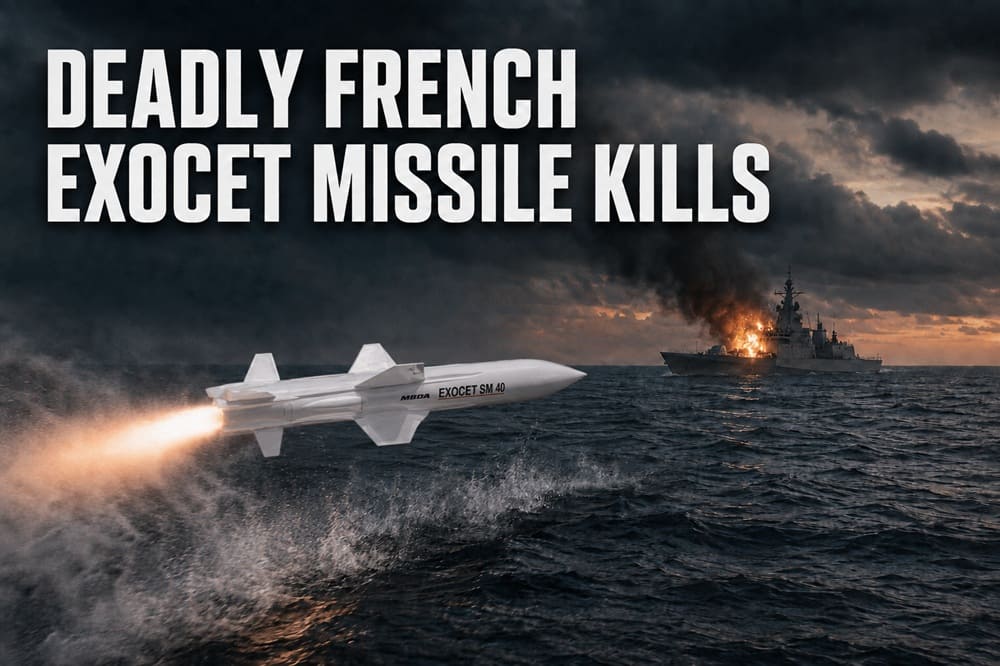
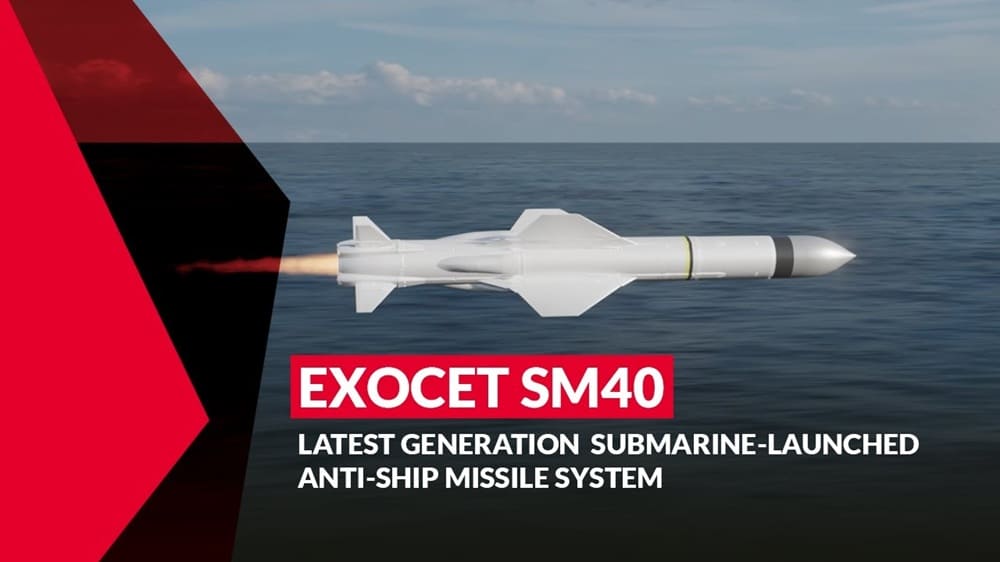
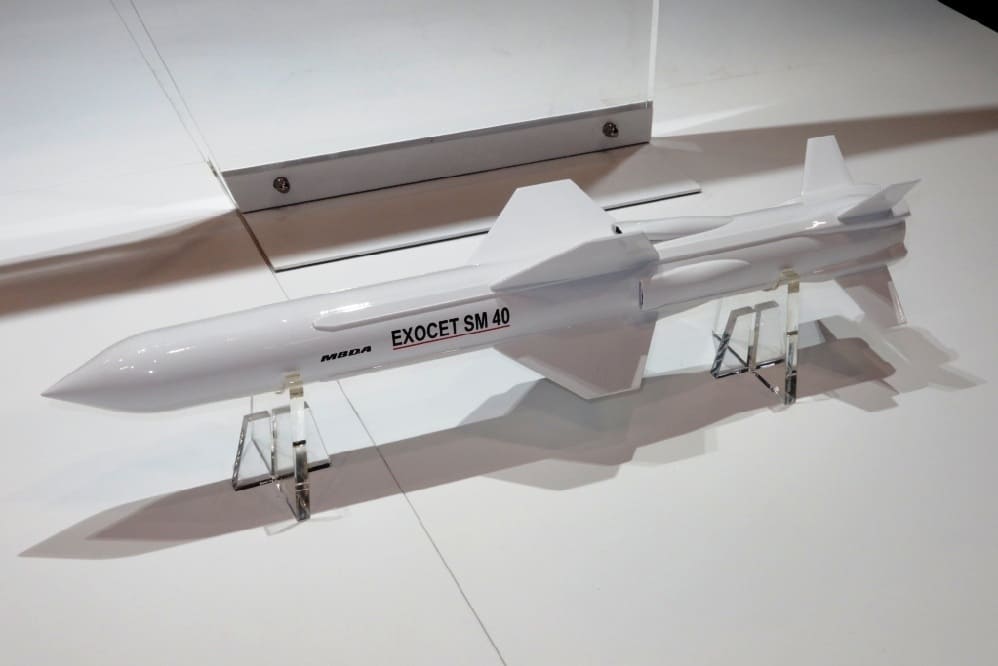
The Exocet missile was a lightweight but deadly anti-ship weapon developed by French company Aérospatiale in the late 1960s. They named the missile Exocet, the French word for ‘flying fish,’ because it skimmed just above the surface of the sea, just outside the enemy’s radar range.
The Exocet missile family comes in several variants:
- MM38: The original ship-launched version, introduced in 1975, with a range of 42 km.
- AM39: An air-launched version that can be fired from aircraft, with a range of up to 70 km.
- SM39: A submarine-launched version, introduced in 1983, capable of being fired while submerged and using encapsulated canisters.
- MM40: A surface-launched upgrade, Block 3 has a range up to 200 km in its latest version.
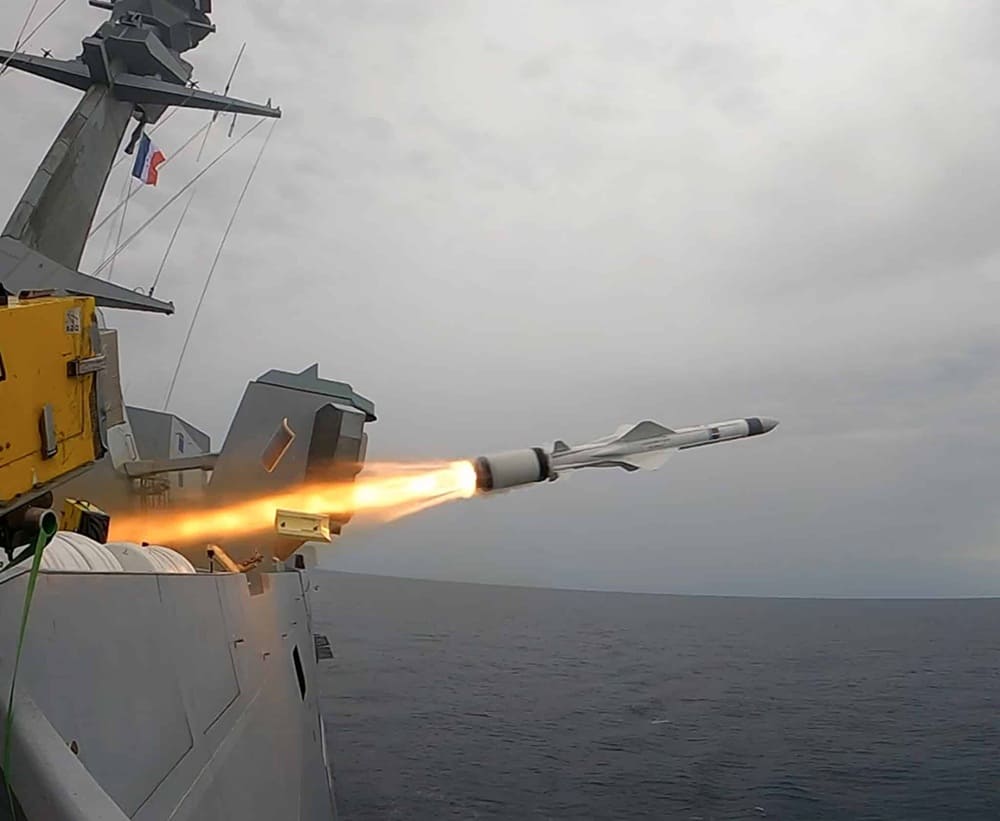
The main advantage of the Exocet is the low-level flight profile. It can fly close to the water, making it more difficult for radar to detect. In the terminal phase of flight, the missile also employs an active radar homing system to guide it to its target.
The Exocet in Action: Historical Kills
1. The Falklands War: Exocet’s Rise to Notoriety
The Exocet’s deadly reputation was forged in the 1982 Falklands War between the UK and Argentina. The war was the first major use of the Exocet, and specifically the air-launched AM39 version.
HMS Sheffield
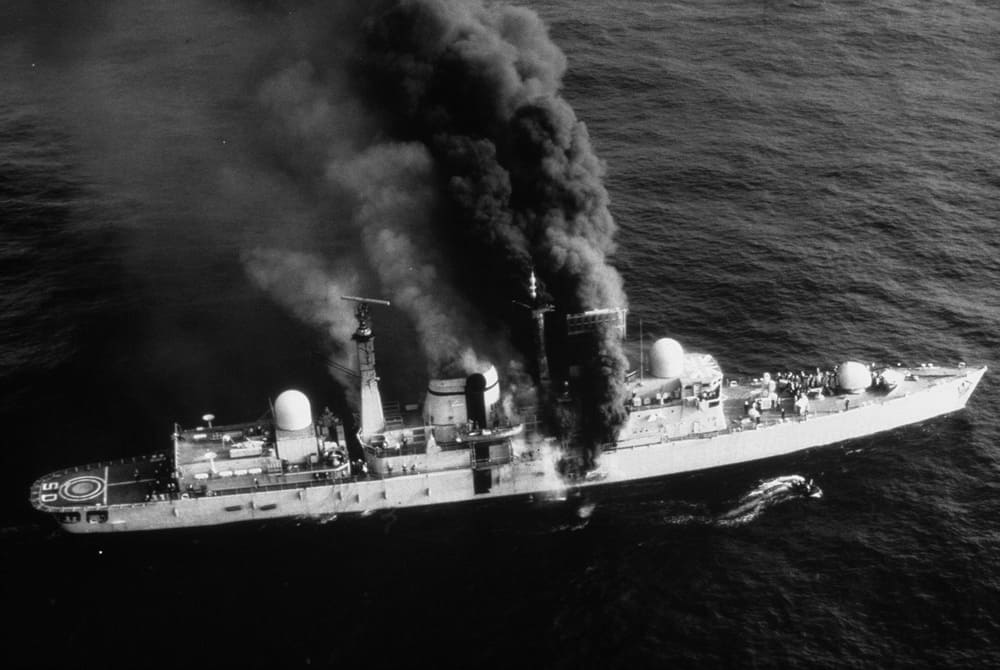
On 4 May 1982, an Argentine Navy Super Etendard jet launched an AM39 Exocet against the British Type 42 destroyer HMS Sheffield. The missile hit the ship and punched a hole in the side of the ship, creating enormous fires and eventually sinking the ship. The attack was a significant moment in naval warfare, revealing the vulnerability of modern warships to anti-ship missiles.
MV Atlantic Conveyor
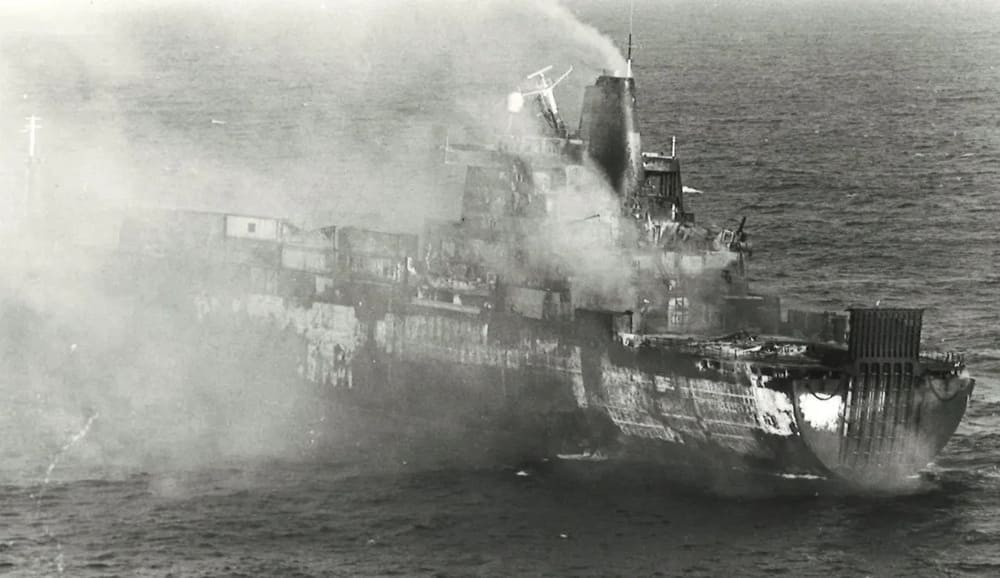
In under two weeks, on 25 May, another Exocet missile struck the British transport ship MV Atlantic Conveyor, which was carrying vital supplies, helicopters, and aircraft. The attack was a serious blow to British logistics, and the ship sank.
HMS Glamorgan
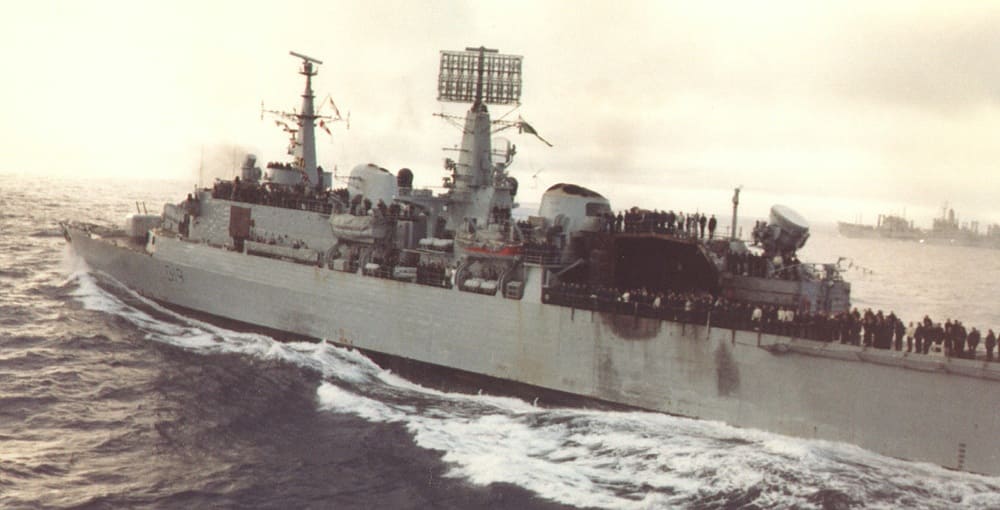
During the Falklands War, HMS Glamorgan was sent to the bombardment line to shell Argentine positions near Port Stanley. On 12 June 1982 at 06:37, Argentine Navy personnel fired an MM38 Exocet from an improvised land launcher. Glamorgan dived for the incoming missile and turned sharply to lessen the impact, but it struck the port stern, near the hangar, and ricocheted before exploding.
The blast destroyed her Wessex helicopter and tore through the aft structure. Thirteen sailors were killed, many were injured, and one died later of his wounds. Glamorgan was kept afloat, emergency repairs were made, and she steamed back to Britain under her own power for refit. The effectiveness of the Exocet during the Falklands War served as a crucial reminder to navies worldwide, emphasizing the value of improved anti-missile defenses and electronic warfare capabilities.
2. Iran–Iraq War and the Tanker War
Following the Falklands War, the Exocet continued to cause havoc in various other theaters.
USS Stark (1987)
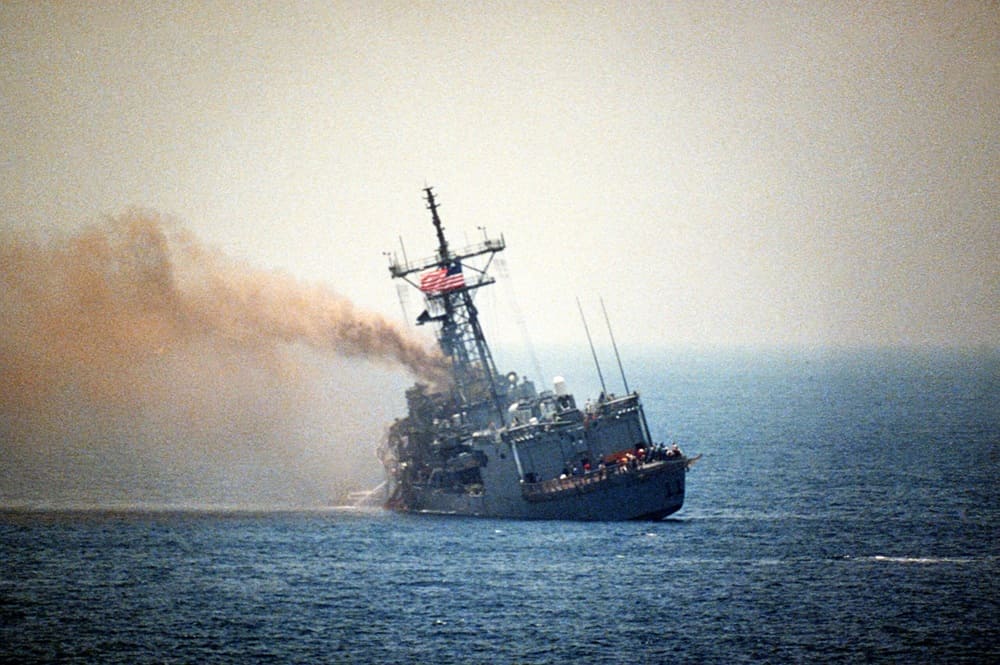
On 17 May 1987, during the Iran–Iraq War, an Iraqi aircraft fired two AM39 Exocet missiles at the U.S. frigate USS Stark in the Persian Gulf. The missiles evaded the ship’s radar systems, struck the vessel, killed 37 sailors, and caused extensive damage. The incident highlighted the danger of Exocets even to sophisticated naval platforms.
Exocets in the Iran–Iraq War:
Iraq’s attacks on shipping in the Persian Gulf, including tankers, were part of the notorious ‘Tanker War,’ during which both sides attacked civilian and commercial shipping to undermine each other’s economies. The Exocet was particularly effective at hitting such civilian targets, adding to the missile’s reputation for destruction.
Impact on Naval Warfare
The Exocet missile’s impressive combat record has had a significant impact on naval defense strategies. Prior to the Falklands War, many navies had concentrated more on conventional naval artillery and surface-to-surface missiles for ship-to-ship fighting. The Exocet proved them wrong; anti-ship missiles were now clearly the future of naval warfare.
Missile Defense Systems
The realization of ships’ vulnerability to sea-skimming missiles led to the rapid development of defensive systems. However, these efforts included development of close-in weapon systems (CIWS) such as the Phalanx that could shoot down incoming missiles in the final stages of their approach. Much of the money also went to electronic countermeasures (ECM) and decoys designed to jam or confuse the radar-guided Exocet.
Naval Strategy
The Exocet also changed the tactical thinking of navies. Fleets began to spread their ships out over larger areas to make them less attractive targets for missile attack. However, air defense escorts are more likely to defend high-value assets, such as carriers and transports, against missile threats.
Surface Warfare Shifts
The Exocet missile has democratised naval power, thanks to its low cost, ease of deployment, and effectiveness against even the most advanced ships. Asymmetrical naval warfare may increase, allowing smaller navies with less expensive fleets to threaten major warships. For example, a patrol boat armed with a missile could bully much larger vessels, upsetting the naval balance.
Baseline Exocet vs Harpoon vs C-802 ASM
| Feature | Exocet (MM40 Block 3c) | Harpoon (Block II) | C-802 (export) |
|---|---|---|---|
| Origin | France | United States | China |
| Primary role | Anti-ship: can strike land targets via waypoints | Anti-ship and land-attack capability on some variants | Anti-ship |
| Launch platforms | Ship, coastal batteries (family also air/sub variants) | Air, ship, submarine, and coastal launchers | Aircraft, ships, coastal/land launchers |
| Range (typical) | ~200 km class | ~120–130+ km class | ~120 km class |
| Speed | High subsonic | High subsonic (~Mach 0.8–0.9) | Subsonic (~Mach 0.9) |
| Seeker | Active radar (modern ECCM improvements on the latest blocks) | Active radar (Block II adds improved guidance for littorals) | Active radar |
| Mid-course navigation | INS + GPS/GNSS (waypoint-capable) | GPS/INS (improved coastal navigation) | INS (some variants add satellite navigation) |
| Warhead (typical) | ~160–165 kg HE | ~227 kg (500 lb) blast/fragmentation | ~165 kg HE |
| Length (approx.) | ~4.7 m | ~4.6 m (ship-launched) | ~6.4 m |
| Diameter (approx.) | ~350 mm | ~343 mm | ~360 mm |
| Launch weight (approx.) | ~530 kg | ~680–700 kg (config-dependent) | ~715 kg (variant-dependent) |
| Propulsion | Solid booster + turbojet | Solid booster + turbojet | Turbojet (often with a booster for some launches) |
| Flight profile | Sea-skimming, waypointed approaches | Sea-skimming | Sea-skimming |
International User
France, the United Kingdom, Argentina, Brazil, India, Greece, Indonesia, Iraq, Iran, and Malaysia operate Exocet missiles. Other users are from Pakistan, Peru, Qatar, Saudi Arabia, South Africa, the UAE, and Venezuela. Aircraft, surface ships, and submarines can all launch this highly versatile missile. That flexibility has made the Exocet a favorite anti-ship weapon worldwide.
Conclusion
The Exocet missile’s impressive record of lethal kills in combat demonstrates its technical prowess and its impact on modern naval warfare. From its deadly use in the Falklands War to its role in the Iran-Iraq War and beyond, the Exocet showed how missiles could alter the balance of power in naval wars. Its ability to hug the sea and its radar-guided accuracy meant that ships around the world had to reconsider their defenses.
Today, decades after its first use, many countries still keep the Exocet missile in their arsenals and still respect and fear it. This missile was the first of its kind among anti-ship missiles and still affects missile design today. The Exocet will remain a significant factor in the history of naval warfare for years to come, with a record of kills and tactical importance.
References
- https://www.dassault-aviation.com/en/defense/am39-exocet/
- https://www.naval-technology.com/projects/exocet/
- https://www.bbc.com/news/uk-17864836
- https://www.rand.org/pubs/reports/R4249.html
- https://www.jpost.com/israel/ship-hit-by-iranian-made-missile
- https://defensenewstoday.info
- https://navalpost.com/ciws-close-in-weapon-systems/
- https://www.mbda-systems.com/products/deep-strike/exocet-family
- https://missilethreat.csis.org/missile/exocet/
- https://www.britannica.com/technology/Exocet
- https://www.usni.org/magazines/proceedings/1987/july/attack-stark
About the Author