
How the F-117 Nighthawk Was Shot Down Over Yugoslavia
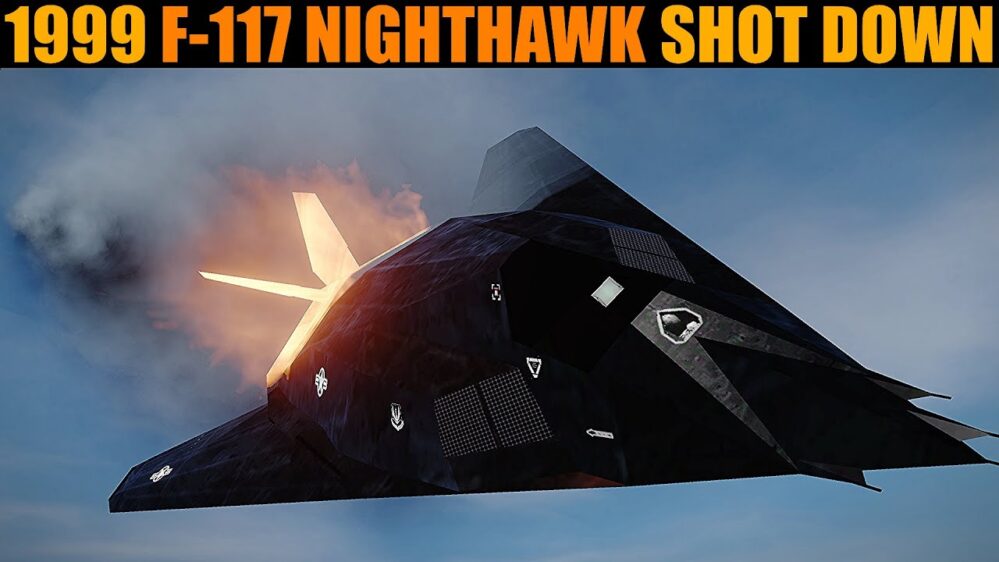
The epitome of American stealth technology, the F-117 Nighthawk, suffered a humiliating surprise defeat over Yugoslavia in 1999. The incident was a sobering reminder to the military community of the dangers even the most advanced aircraft face in combat. The article is about the tactics and technology that caused the Night Hawk F-117 to be shot down over Yugoslavia, and it tells the story of this historic event.
F-117 Nighthawk—A Stealth Legend
The Lockheed Martin F-117 Nighthawk was the world’s first operational stealth fighter, designed with jagged shapes and radar-absorbing materials so it would be difficult to detect on radar. The Nighthawk proved effective in the Gulf War and seemed invincible, so its takedown in 1999 came as a surprise. The story of how the Night Hawk F-117 was shot down over Yugoslavia starts with an understanding of the strengths and vulnerabilities of this aircraft.
The Context of the Yugoslav Conflict
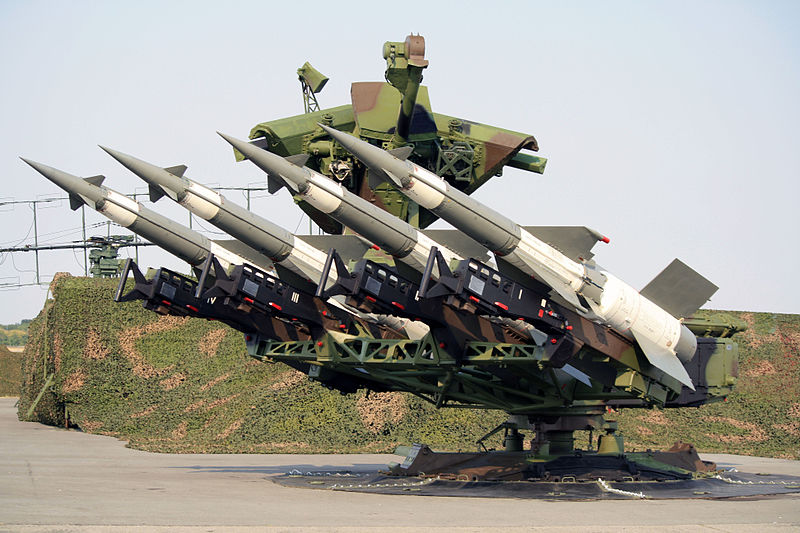
NATO’s 1999 bombing campaign against Yugoslavia aimed to pressure Yugoslav President Slobodan Milošević into ending the fighting in Kosovo. In this connection, NATO aircraft, including F-117s, conducted air strikes throughout the area. However, the Yugoslav forces were well prepared, and they had the Soviet-built S-125 Neva/Pechora missile system, which played a part in the Nighthawk’s demise.
The F-117 was very stealthy, but the Yugoslavs noticed that the plane always flew the same way. This early insight was the foundation for “How Night Hawk F-117 Was Shot Down Over Yugoslavia”, a “combination of strategic insight and accurate military execution”.
How Yugoslav Forces Tracked the F-117
The major weakness of the Nighthawk was the repetitive flight paths. Similar routes and times were flown on the missions by the F-117, said the Yugoslav commander of the operation, Col Zoltán Dani. From this pattern, he was able to predict when it would arrive. These details demonstrated the level of human planning that the Yugoslav forces employed in downing the F-117 over Yugoslavia.
The Yugoslav forces employed old but efficient equipment, for example, the S-125 missile system. They operated their radars sparingly and selectively to avoid detection by NATO. When they found traces of the F-117, they struck with pinpoint accuracy. They brought the Nighthawk down with tactical patience and smart use of limited resources.

S-125 Missile System Success
Lessons Learned in Modern Warfare
The loss of the F-117 forced NATO and the United States to reassess their assumptions about stealth technology. Until then, militaries had believed that stealth aircraft were almost immune to radar-guided defences. How did they shoot down the Night Hawk F-117 over Yugoslavia? This episode demonstrated a fundamental truth the war’s strategists had failed to understand: stealth is not invisibility.
Colonel Dani and his team showed that stealth countermeasures were not just possible, but achievable through ingenuity. With limited resources they showed how conventional forces could adapt to high-tech threats by clever use of radar, pattern recognition and positioning. The incident was a lesson in modern warfare, one that says no technology is infallible
Recovery and Analysis of the Downed F-117
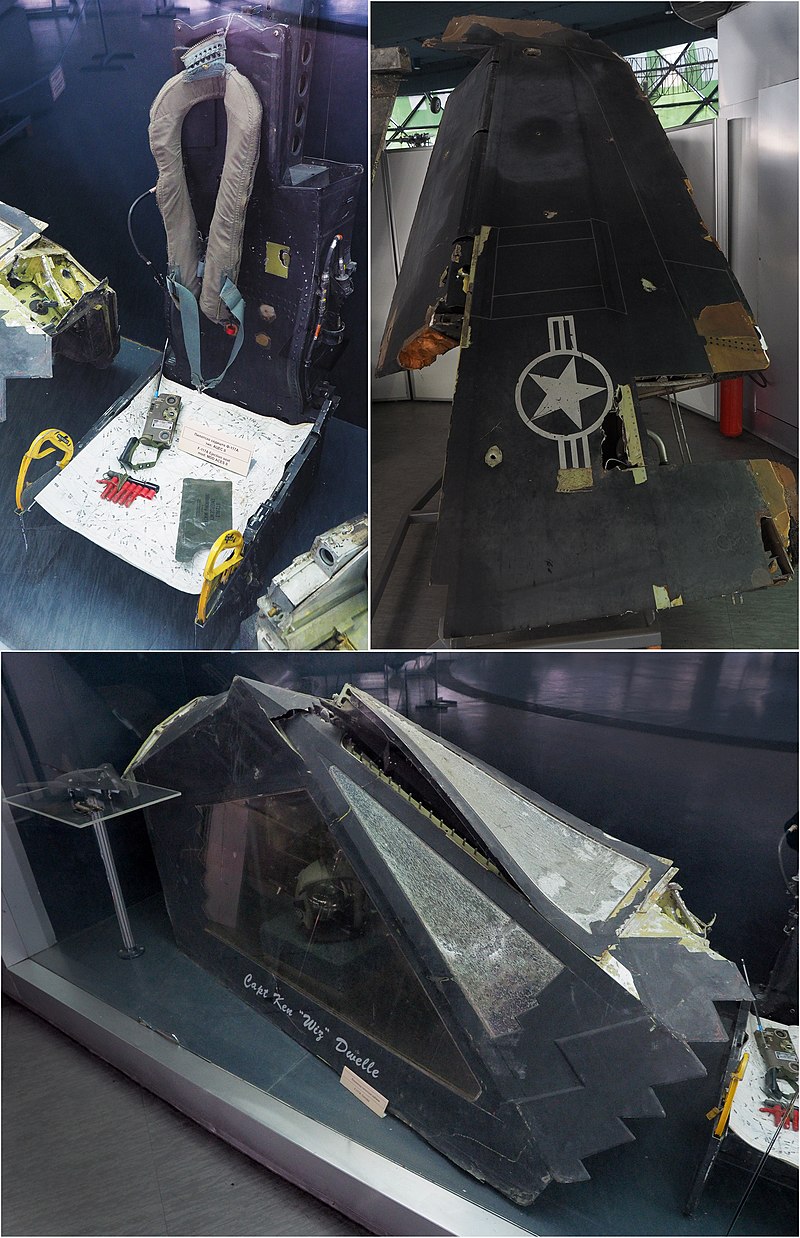
Following the crash, NATO forces subsequently recovered the wreckage to prevent Yugoslav forces from exploiting the sensitive stealth technology. Although the crash destroyed much of the aircraft, Yugoslav forces recovered several components and sent them to Russia and China for examination. Countries searched the wreckage for evidence of American stealth technology and the ability to evade radar.
The incident had international ramifications, giving the world’s major powers a rare look at America’s most advanced stealth technology. It illustrated the circumstances surrounding the downing of the F-117 and the limitations of American stealth in actual combat conditions.
The shootdown triggered an international effort among several countries to develop advanced radar and counter-stealth technology. Although the F-117 was still in service, its shortcomings influenced the design goals of future stealth aircraft. What have we learned from the death of the Nighthawk? We’ve taken those lessons learned and applied them to the F-22 and F-35 to increase survivability and mission effectiveness.”
Human Element and Colonel Dani’s Role
The affair made Colonel Dani, at the time a relatively obscure commander, famous. His eye for detail, his intimate knowledge of F-117 flight patterns and his masterful use of the S-125 system proved the undeniable human element that is irreplaceable in warfare. It is important to learn how the Night Hawk F-117 was shot down over Yugoslavia; Colonel Dani’s story is also important. It was his departure from traditional military doctrine.
In later interviews, Dani would remember the outmoded resources his team had to work with, as well as the powerful sense of mission. Dani’s legacy as a leader shows that the ability to change and adapt can, to some extent, compensate for the technological shortcomings of warfare.
Redefining Stealth and Air Defense
The loss of the F-117 was a significant blow to stealth technology. The F-117 shootdown in Yugoslavia forced militaries worldwide to rethink their stealth tactics and air defence strategies. The changing nature of aerial warfare was forcing air defence strategists around the world to rethink their strategies. However, Russia and China have poured billions into the development of radar systems to track stealth aircraft and have had some success with their advanced Russian S-400 and S-500 systems.
The event also saw a large US investment in next-generation stealth technology. Later aircraft like the F-22 and F-35 used advanced materials to absorb radar and a more refined design to further reduce the probability of detection. The lessons of Yugoslavia continue to inform the emerging stealth scene.
Technological Leakage and Its Risks
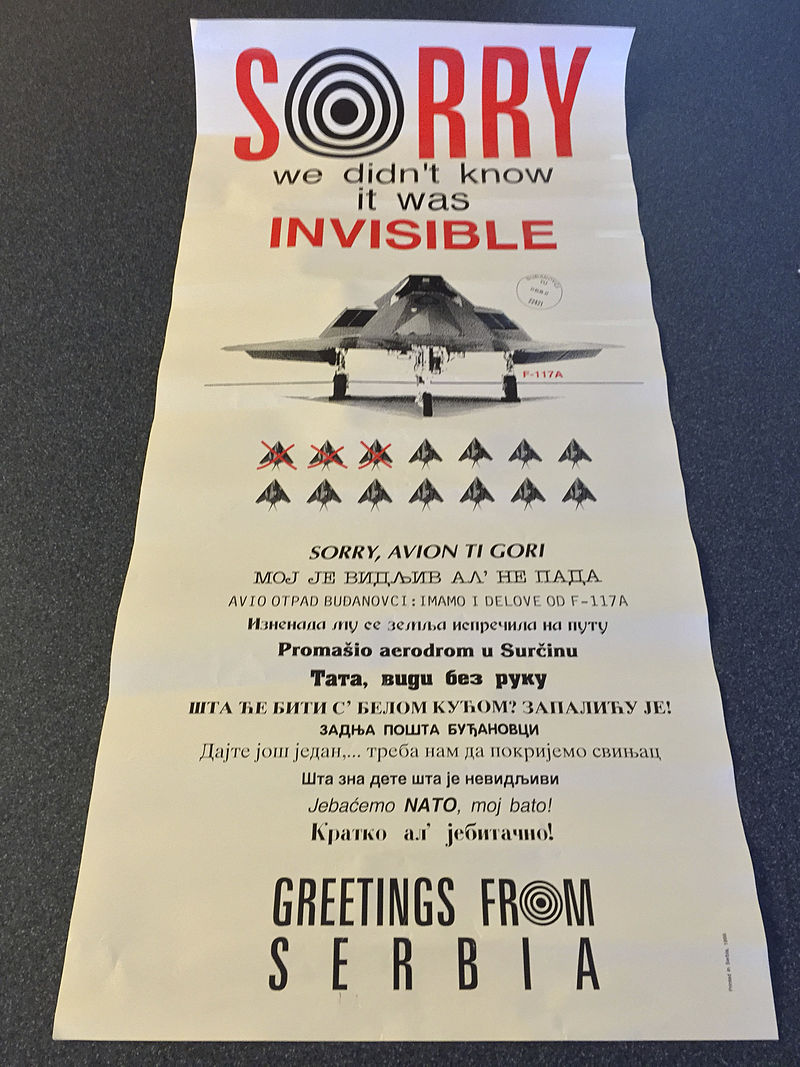
The episode is a demonstration of the dangers of technology spillover in war. The balance of military power can shift drastically when rival nations possess advanced technology. “Buying bits of the F-117 has saved China a lot of time and money in its research and development.”
It’s a clear example of the difficulties countries have trying to keep up in technology. So China’s acquisition of stealth paint by purchasing parts of crashed F-117s from Serbia is a cautionary tale for military planners everywhere.
Conclusion
The F-117’s destruction shows that even the best stealth technology can be defeated in combat if properly observed and planned. It was a seminal moment that demonstrated what enemies could do to sophisticated jets in real combat environments. Military planners worldwide still use the lessons learned to develop modern stealth tactics and air defence strategies.
The F-117 remains an iconic aircraft, yet its loss showed how warfare constantly evolves as militaries develop new tactics to counter emerging threats. The Yugoslav victory demonstrates that even when faced with a better equipped opponent, resourcefulness and cleverness can win out.
References
- Lambeth, B.S. (2001). NATO’s Air War for Kosovo: A Strategic and Operational Assessment. RAND Corporation.
- Ripley, T. (1999). The book titled “Air War Kosovo: America’s First Stealth War” provides an analysis of the conflict. Friedman/Fairfax Publishers.
- DefenseNewsToday provides updates on air defense systems.
- U.S. Air Force archives—historical F-117 and related technology development accounts.
- Jane’s All the World’s Aircraft provides a detailed analysis of advancements in stealth technology and anti-aircraft defences.
About the Author