
Stealth Helicopter Used in OBL Raid
The May 2, 2011 raid on Osama bin Laden’s compound in Abbottabad, Pakistan, is one of the most iconic military operations in modern history. It ended the hunt for the world’s most wanted terrorist. It showed the technological and military might of the United States. The use of a stealth helicopter was one of the most talked about elements of the operation. This article will discuss the stealth helicopter used in the OBL raid, its role in the success of the mission, and its technology.
The Stealth Black Hawk
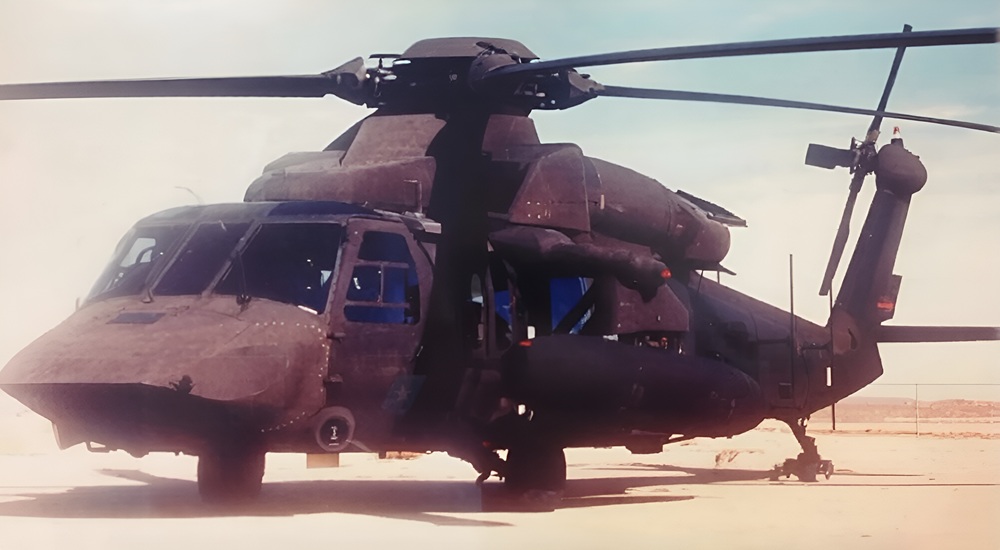
The primary helicopter used in the raid was a modified version of the Sikorsky UH-60 Black Hawk helicopter, referred to as the Stealth Black Hawk or the “Silent Hawk”. The main goal of this modified helicopter was to conduct the operation as quietly as possible. This is the stealth helicopter flown by the Navy SEALs on their mission to capture or kill bin Laden.
The Need for Stealth
Stealth is central to clandestine military operations such as the OBL raid. Forces must avoid enemy radar, visual spotters, and all other surveillance. Military engineers heavily modified the UH-60 Black Hawk to this end. The modifications made the helicopter nearly invisible to radar and significantly quieter, allowing the SEALs to enter the compound undetected.
Key Features of the Stealth Black Hawk
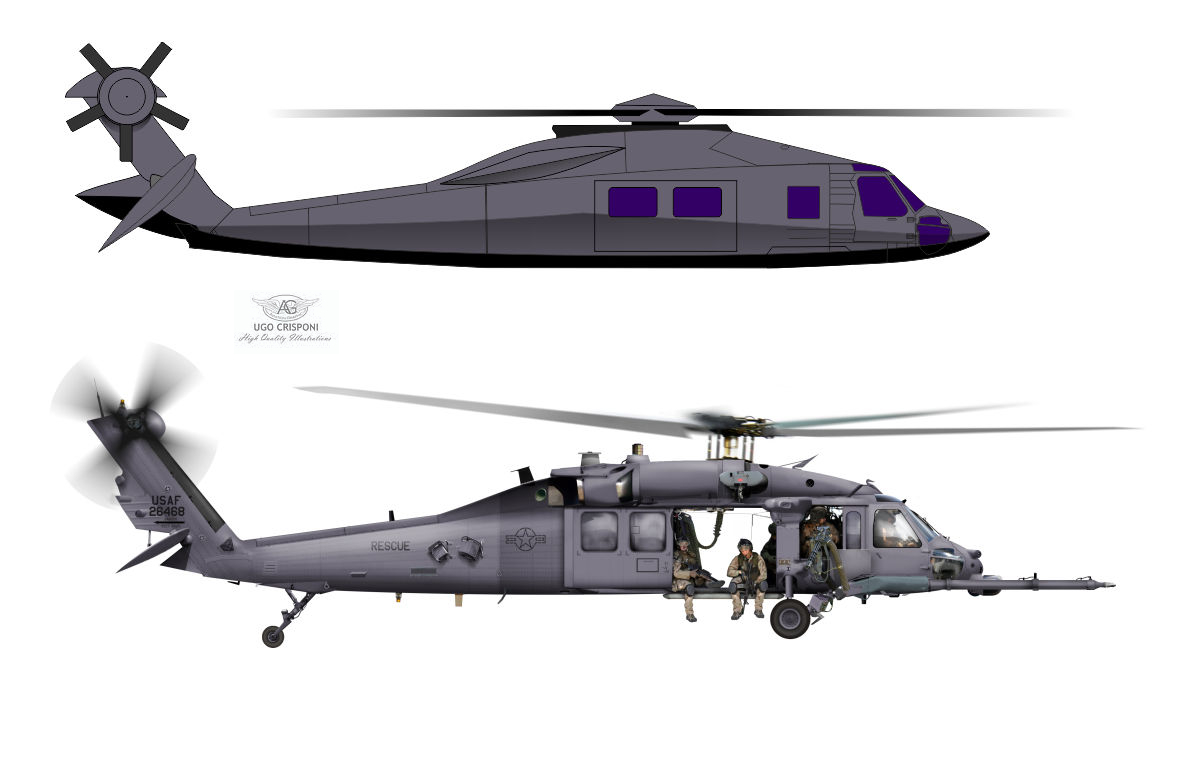
What type of stealth helicopter supported the OBL raid? Engineers equipped the Stealth Black Hawk with several advanced technologies that made it far more discreet than conventional military helicopters. Its most notable features included the following:
1. Radar-Absorbent Materials (RAM)
One of the most dramatic changes was the use of radar absorbent material (RAM) on the outside of the helicopter. These materials are designed to absorb electromagnetic waves from radar, thus reducing the helicopter’s radar cross section (RCS). This greatly reduced the radar signature of the helicopter, allowing the SEAL team to approach their target undetected by Pakistani radar.
2. Noise Reduction Technologies
Stealth involves more than avoiding radar; it also requires reducing a helicopter’s acoustic signature. Engineers equipped the Stealth Black Hawk with advanced noise-reduction technology, making it much quieter than a standard Black Hawk. This feature prevented enemies from detecting the helicopter from a long distance. While conventional helicopters can be heard from miles away, the Silent Hawk allowed the team to preserve the element of surprise.
3. Shape Modifications
Engineers modified the Stealth Black Hawk extensively to reduce its visibility. They replaced the tail and rotor blades to improve its aerodynamic profile and lower its radar signature. The changes made the helicopter harder to see on radar and to spot visually.
4. Advanced Electronic Countermeasures
The Stealth Black Hawk probably carried advanced electronic countermeasures to provide additional protection. These systems jammed or confused enemy radar and other detection equipment, helping the helicopter avoid detection. The mission’s sensitive nature made these countermeasures essential for keeping the SEALs’ approach unnoticed.
Stealth Black Hawk in the OBL Raid
A stealth helicopter built to deliver Navy SEALs into the compound without alerting local officials or the Pakistani military. Pakistan closely monitored its airspace, so the helicopter had to enter undetected. The Black Hawk’s stealth capabilities allowed the SEALs to approach the compound with a low risk of interception. After completing the mission, the helicopter also enabled a rapid withdrawal before Pakistani forces could respond.

The Hard Landing Aftermath
During the raid, one of the Stealth Black Hawks suffered mechanical problems and crash-landed inside the compound. The tail rotor was broken, and the helicopter was unable to fly. The SEALs decided to destroy the helicopter to keep it from falling into the hands of the Pakistani military. The SEALs blew the plane up with explosives and exited the compound. The stealth helicopter overcame that obstacle, and the operation went as planned. The second helicopter safely extracted the SEALs from the compound, and they completed the mission successfully.
Pakistan’s Stealth Black Hawk Transfer to China

Why the Stealth Black Hawk Was Unique
The stealth Black Hawk used in the OBL raid was unique in several ways. The aircraft is different from previous stealth helicopters, which usually existed only as prototypes and remained secret. This one was used in real combat. The modifications to the Sikorsky UH-60 Black Hawk were state of the art at the time, making it one of the most advanced aircraft in the world. All the radar-absorbing materials, the noise-reducing features, and the shape modifications represented a major advance in military aviation technology.
Stealth Helicopter Comparison
The stealth Black Hawk used in the OBL raid was not the first stealth helicopter, but it was one of the most successful and well-known. Designers had previously developed experimental stealth helicopters, such as the Lockheed Martin RAH-66 Comanche, but they cancelled the programme before it entered operational service. The Stealth Black Hawk, though, had seen real combat. The programme was so successful that it opened a new chapter in military aviation, with engineers using stealth technology on helicopters to improve the effectiveness of special operations.
The Stealth Black Hawk Legacy
Storming the compound of Osama bin Laden with a stealth Black Hawk transformed modern warfare. It was the perfect platform for a clandestine operation in enemy territory, with its radar-absorbing substances, noise-reduction technology and stealthy form. The success of the mission proved the effectiveness of these modifications and probably affected the development of future stealth helicopters.
What kind of stealth helicopter was used in the OBL raid? The mission’s success was a secret due to the stealth Black Hawk, a modified Sikorsky UH-60. Its cutting-edge technology had enabled the Navy SEALS to carry out the raid with precision, secrecy and low risk. Its destruction in the operation does not diminish the stature of the stealth helicopter as an icon of the sophistication and capability of modern special forces.
References
- “The Hunt for Bin Laden” by Peter Bergen
- “Inside the Bin Laden ‘Raid'” — National Geographic
- US Department of Defense: www.defense.gov
- Popular Mechanics—The OBL Raid Helicopter and Its Secret Features
- Stealth Technology in Modern Warfare
- The Navy SEALs: Inside the World’s Most Elite Special Forces
About the Author