

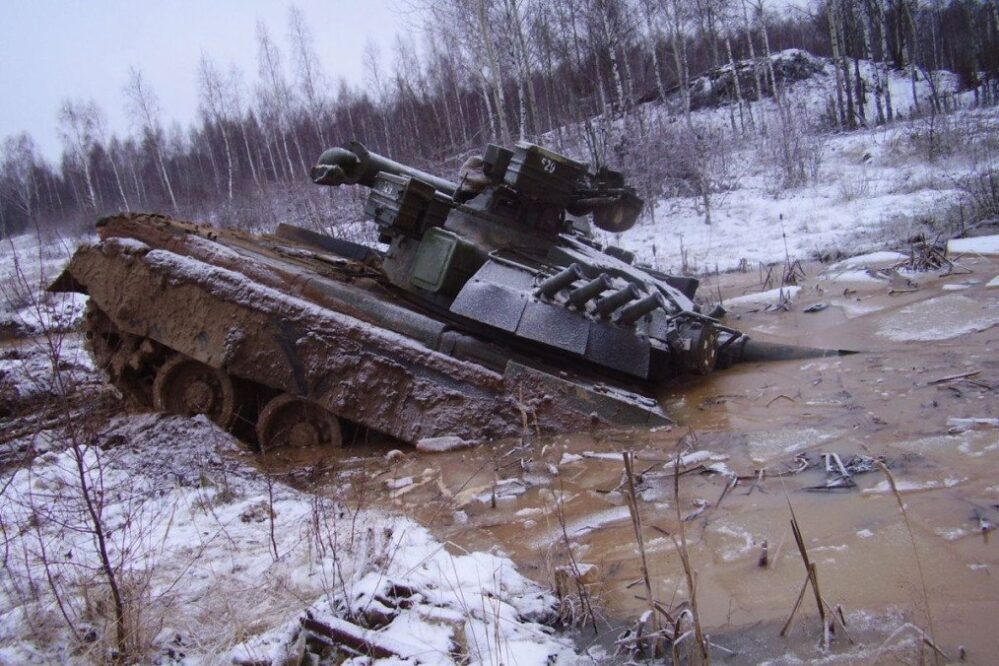
T-80BVM Tank
A Russian tanker using the callsign “Tim” has again raised concerns about the T-80BVM’s reliability, construction quality, and combat performance. He reported frequent hydraulic leaks, difficult fittings, cramped ergonomics, and problems associated with installing thermal-imaging systems. His report challenges the claims made in the brochure and presents practical problems for operators, maintainers and planners who rely on turbine agility in cold weather.
Stories about the latest interview mention problems that occur as soon as the tank falls off the trailer, a glaring sign of reliability for any frontline vehicle. However, before we start, let’s examine statistics related to T-80 tank users worldwide, along with testing and former operators.
T-80 Tank Users — All Variants
| Country | T-80 variants used | Status |
|---|---|---|
| Russia | T-80B, T-80BV, T-80BVK, T-80U, T-80UK, T-80UE-1, T-80UD and T-80BVM | Principal operator. The Army, Naval Infantry and some National Guard units operate T-80BV, T-80U and T-80BVM-series tanks. |
| Ukraine | T-80B, T-80BV, T-80BVK, T-80UD and captured T-80U, T-80UK, T-80UE-1 and T-80BVM | Operates inherited, domestically modernised and captured Russian vehicles. |
| Pakistan | T-80UD and T-80UD export configurations | Ukraine delivered 320 tanks during the late 1990s; approximately 315 were listed in service in 2025. |
| Cyprus | T-80U and T-80UK | The Cypriot National Guard operates approximately 82 tanks acquired in two major batches. |
Training and testing user
| Country | Variants | Status |
|---|---|---|
| South Korea | T-80U; some sources identify command tanks as T-80U. Originally, 35 tanks were received. | Got through Russian debt settlements. The military primarily uses the surviving vehicles for aggressor training, testing and technical evaluation. |
Former operators
| Country/entity | Variants | Notes |
|---|---|---|
| Soviet Union | T-80, T-80B, T-80BK, T-80BV, T-80BVK, T-80U, T-80UK and T-80UD | Original operator. Its fleet was mainly passed to Russia, Ukraine and other successor states after 1991. |
| Belarus | T-80B/T-80BV Derivatives | They inherited Soviet vehicles and later sold around 92 modernised tanks to Yemen. |
| Yemen | Modernised T-80B/T-80BV | Received approximately 92 tanks from Belarus between 2010 and 2012. No operational fleet is currently confirmed. |
| Kazakhstan | T-80U | Operated four or five vehicles for military-school training. |
| Uzbekistan | T-80BV | Inherited an unidentified number following the Soviet collapse; no current operational fleet is confirmed. |
Evaluation-only users
| Country | Variants | Purpose |
|---|---|---|
| United Kingdom | T-80U | Obtained one tank in 1992 for defence research and technical evaluation. |
| United States | T-80UD and T-80BV | The United States evaluated captured T-80UD and T-80BV tanks to study Soviet armour, firepower, mobility, and battlefield vulnerabilities in detail. |
| Sweden | T-80U | In 2003, Sweden received four T-80 tanks from Ukraine, and another T-80BV in 2010 for testing and exploitation. |
Reported but unconfirmed
There have been several reports of China taking delivery of T-80U tanks for testing, but the numbers and even the actual transfer remain poorly documented. There is no evidence in SIPRI, UN arms-transfer data or current IISS inventories to support reports of Egyptian T-80U/T-80UK purchases. Armenia also appears in older secondary listings, but there are no reliable recent inventories showing an operational Armenian T-80 fleet.
Turbine vs. Muddy Terrain
Proponents will frequently point to the gas turbine’s rapid throttle response and its usefulness in winter. But the T-80BVM tank, Tim says, loses its reliability picture in mud and soft “black” soil. “The turbine is turning slowly at the instant of contact,” he says. When the artillery starts marching, it can be fatal.
However, the nearby diesel tanks seemed to react almost instantaneously. The engine is a fuel hog that works best on kerosene and produces a distinctive jet-like exhaust signature from the flanks or the rear. These characteristics have operational significance in that fuel requirements, acoustic detection, and start-up delays can directly affect survivability at the tactical edge.
Field Maintenance Drag
Reliability depends on what crews can maintain under fire and in bad weather. Hydraulic systems leak often, and air intakes can become clogged with debris within minutes, says the interview. The turbine sucks in contaminated air, and the crews have to bleed the fuel filters again and again.
These maintenance burdens can reduce operational availability, disrupt march discipline and force frontline units to cannibalise vehicles for spare parts. These limitations further undermine the claims of the reliability of the T-80BVM. Ultimately, frontline conditions severely constrain a design that is heavy on maintenance.
Sensors, Ergonomics, and knock-on effects
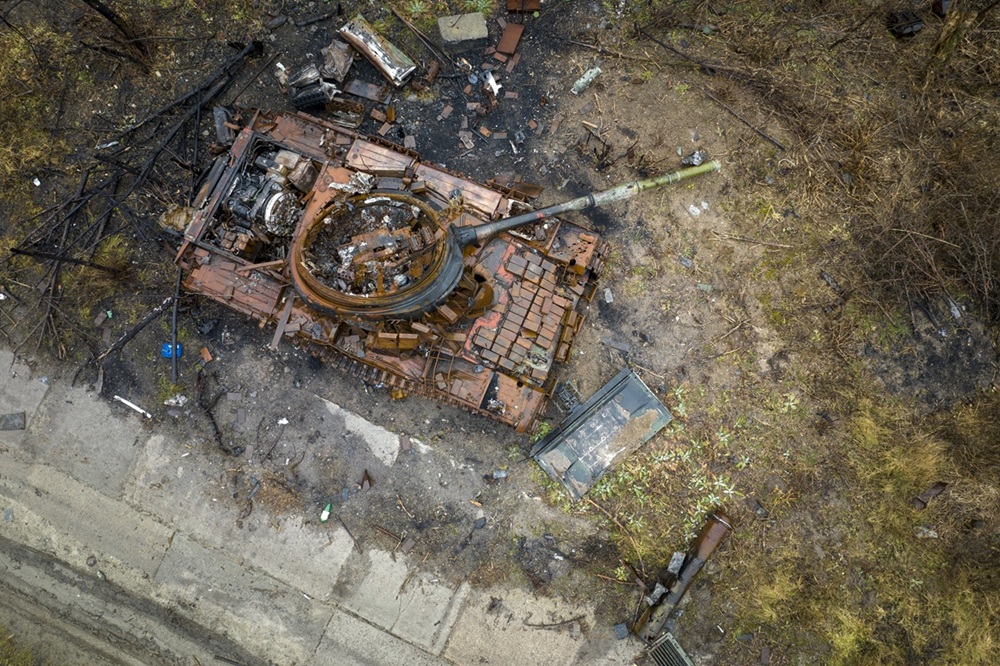
Thermal sights and digital displays improve target detection and engagement, but they also add to power requirements and consume precious internal space. As Tim points out, the sensor installation leads to a cramped working position for the commander.
Extended periods of cramped conditions aggravate crew fatigue, inhibit training drills and increase the likelihood of errors in stressful situations. Over time, these stresses can reduce overall crew efficiency. Thus, the success of an upgrade is not so much the addition of new components but how well those systems are integrated without adding too much weight, wiring and ergonomic burden.
“Cage” Armour and Drone Threats
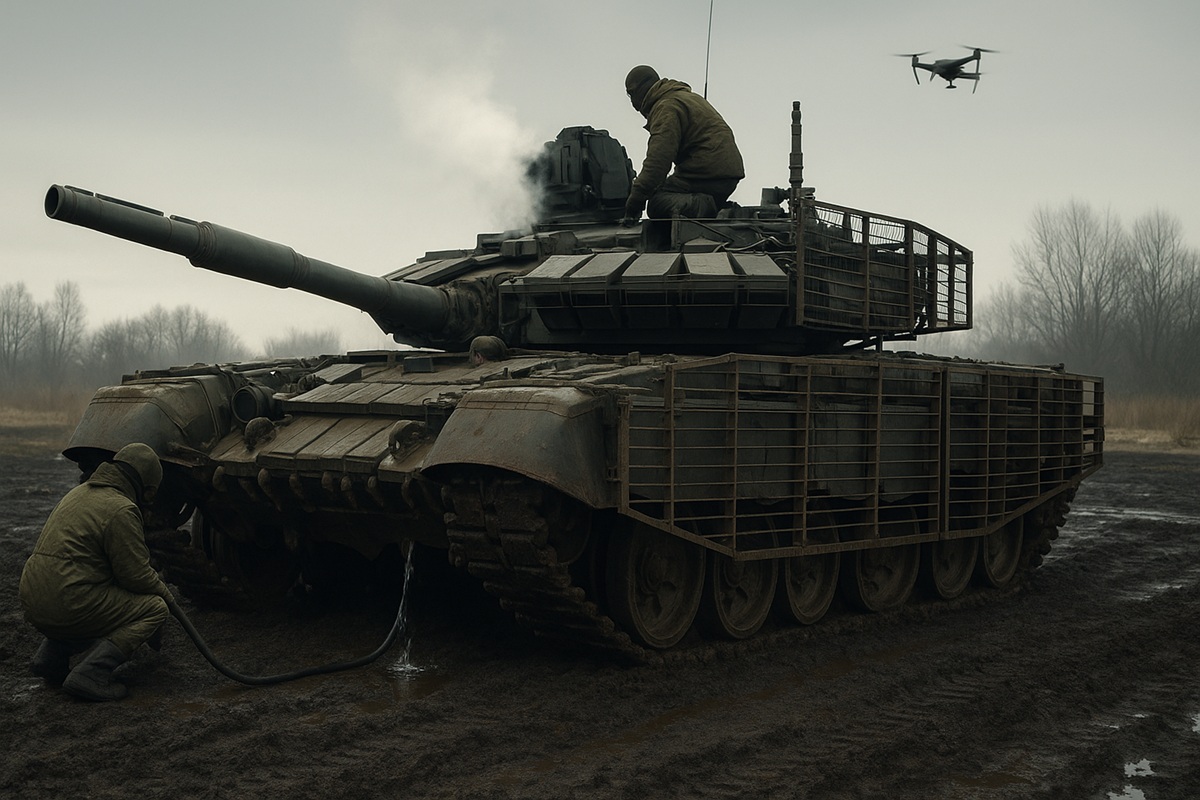
Units all along the front place makeshift “grills”, chains and anti-drone cages onto turrets and engine decks. Crews hope to beat the Kamikaze, FPV drones and top-attack munitions. The additional weight increases the load on the turret drives, gearbox and suspension.
Field modifications can provide uneven protection and add to the risk of mechanical failure,’ Tim explains. This trade-off affects every fleet. Operators must thoroughly test each add-on armour package for reliability, mobility, and stability. Without proper validation, the upgrade may simply trade improved battlefield protection for reduced manoeuvrability and increased maintenance demands.
ERA Shortages and Substitutions
Reactive armour can counter shaped-charge warheads and protect against some tandem-charge threats, but its coverage is often irregular. Some crews are reportedly installing improvised blocks which have not been proven effective against modern warheads.
Where logistics are unable to deliver certified explosive reactive armour sets, survivability claims can vary considerably between the claimed specifications and the battlefield reality. This means that the reliability and protection issues surrounding the T-80BVM are closely interconnected, because the quality of armour packages depends on the standards governing their procurement, installation, upkeep and inspection.
BMD-4M “Up-Armour” Experiment
Russia’s BMD-4M airborne combat vehicle received mesh screens and additional armour plates after suffering heavy losses. Analysts say the changes do not solve the problem of the light chassis and its vulnerability to top attack. The larger lesson is that the original design architecture of a platform ultimately constrains its upgrade ability.
Add-on protection can improve crew survivability in some instances but rarely changes the vehicle’s overall risk picture when the airframe, hull or turret was constrained by limited mass and internal volume from the start. So planners must lower expectations and adapt missions to the realities of survivability.
Specs vs. Serviceability
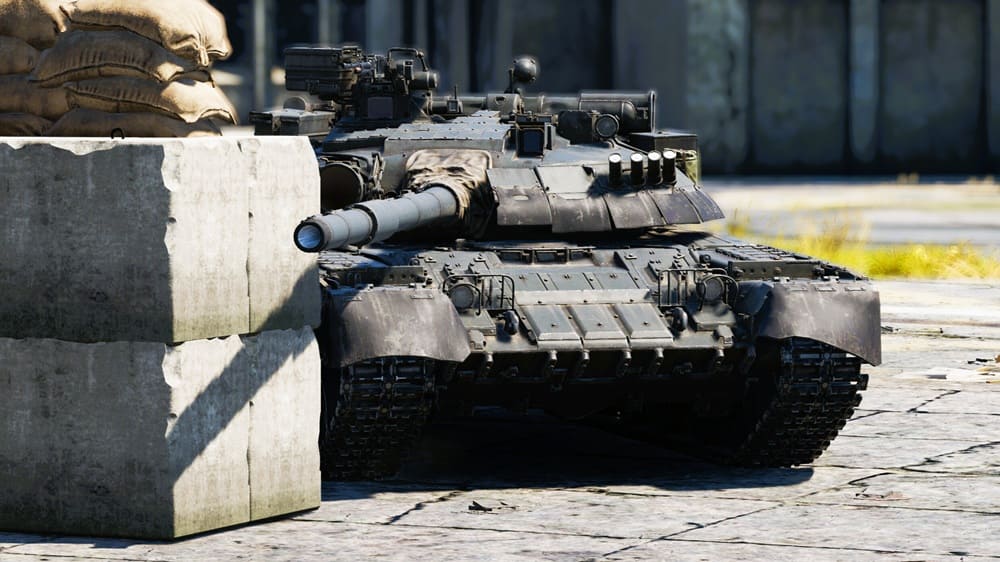
On paper, the T-80BVM combines a 1,250-hp gas-turbine engine with modern thermal sights and Relikt explosive reactive armour. These are nice things to have on brochures and balance sheets. Availability determines combat power on any given day, as well as fuel burn and spares.
It’s the readiness rates, not the numbers on the catalogue, that finally determine whether a battalion arrives with enough serviceable hulls to win the fight. That’s where the argument about the reliability of the T-80BVM tank comes in.
Conclusion
The likely effects include greater reliance on field improvisation, more rapid wear on the drivetrain, and difficulties in mounting power management. Continued turbine logistical issues may push operators to shift more of their operations to diesel-powered fleets where possible.
Alternatively, engineering teams may elect to focus on strengthening hydraulic systems, improving filtration and validating turret-drive torque margins under the extra weight of cage armour. In the end, the measure of reliability should be based on reproducible operational-availability data, not on isolated anecdotal evidence.
References
- Defence Blog—Russian frontline crew criticises the T-80BVM. Defence Blog – Military and Defense News
- United24Media’s summary of the same interview. United24 Media
- Defense Express – BMD-4M upgrades and persistent vulnerabilities. Defense Express
- Wikipedia – T-80BVM specifications and service history (context). Wikipedia
About the Author


1 thought on “It Breaks Constantly: Russian Crew Slams T-80BVM Tank”