
How Egypt’s SAM Umbrella Bled the IAF, 1969–70
The War of Attrition taught two important lessons about air power in the Arab-Israeli conflict of 1969-70. One, Egypt could rebuild a heavy Soviet-style air defense system. Secondly, the IAF could not bomb without consequences once the Egyptian SAM umbrella, which included the SA-2 Guideline and SA-3 Goa, was established over the canal. From the early 1970s until the August ceasefire, the Egyptian air-defense shield pushed the IAF back, imposed losses and changed the strategic equation in Sinai.
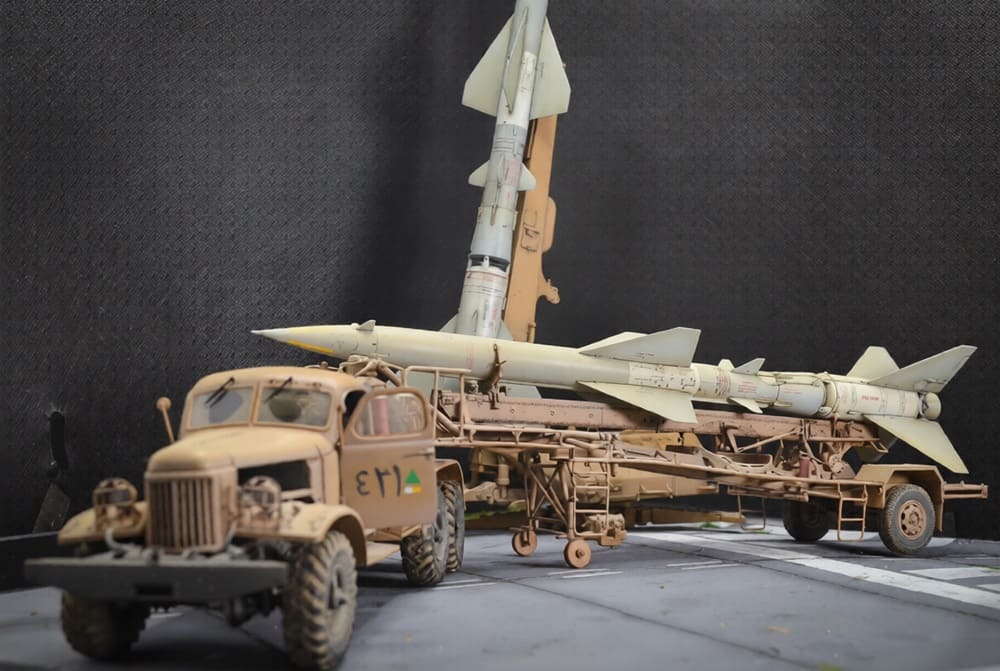
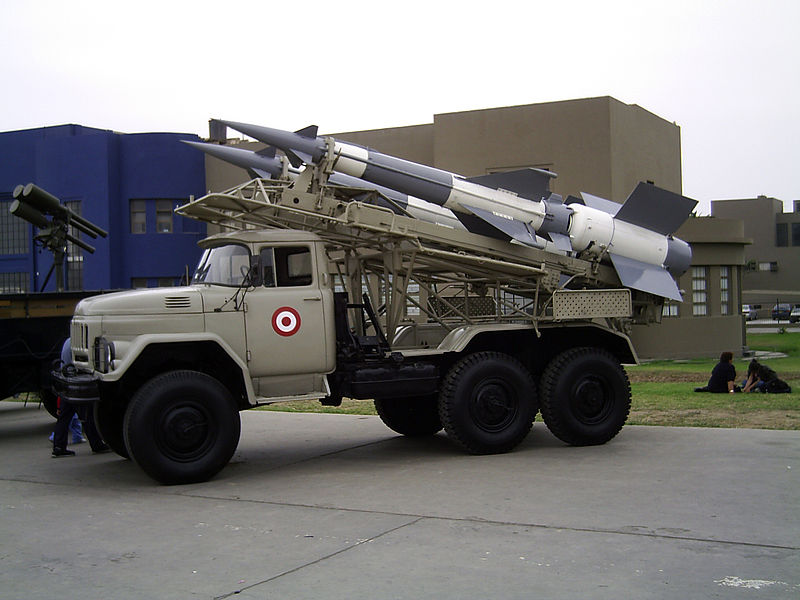
Soviet SA-3 Goa vs SA-2 Guideline
| Specification | SA-3 Goa | SA-2 Guideline |
|---|---|---|
| Soviet designation | S-125M Neva-M/Pechora | S-75M Volkhov |
| Primary role | Low- to medium-altitude air defense | Medium- to high-altitude area defense |
| Initial family service | 1961 | 1957 |
| Representative missile | 5V27/V-601 | V-755/20D |
| Guidance | Radar-tracked radio-command | Radar-tracked radio-command |
| Propulsion | Two-stage solid fuel | Solid booster and liquid-fuel sustainer |
| Maximum range | Approximately 22–25 km | Approximately 43–45 km |
| Minimum range | Approximately 3.5 km | Approximately 7 km |
| Maximum engagement altitude | Approximately 14 km | Approximately 30 km |
| Minimum engagement altitude | Approximately 100 m | Approximately 300–1,000 m |
| Maximum missile speed | Approximately 730 m/s | Approximately 885 m/s |
| Launch weight | Approximately 953 kg | Approximately 2,390 kg |
| Missile length | Approximately 6.0 m | Approximately 10.8 m |
| Sustainer diameter | 0.375 m | 0.50 m |
| Warhead | 70–72 kg HE-fragmentation | 190–197 kg HE-fragmentation |
| Launcher | Two- or four-rail launcher | Single-rail SM-90 launcher |
| Typical engagement radar | SNR-125 “Low Blow” | SNR-75 “Fan Song” |
| Acquisition radar | P-15/P-15M or P-18 | P-12 or P-18 |
| Legacy target channels | One target, normally two missiles | One target, up to three missiles |
| Mobility | Semi-mobile; relatively compact | Semi-mobile but cumbersome |
| Main tactical strength | Low-level and manoeuvring targets | Longer-range, high-altitude targets |
| Major weakness | Shorter range and smaller warhead | Poorer low-altitude coverage and liquid-fuel logistics |
Operational comparison
- SA-2 Guideline: The SA-2 was a larger, faster, longer-range missile. Its main task was to shoot down bombers and reconnaissance planes at high altitude.
- SA-3 Goa: Smaller, more agile, much better low altitude coverage. It also provided greater protection against electronic countermeasures.
- Deployment: It would be easier to move an SA-3 battery. Additional support equipment was needed at the SA-2 site, including hazardous liquid-fuel and oxidiser vehicles.
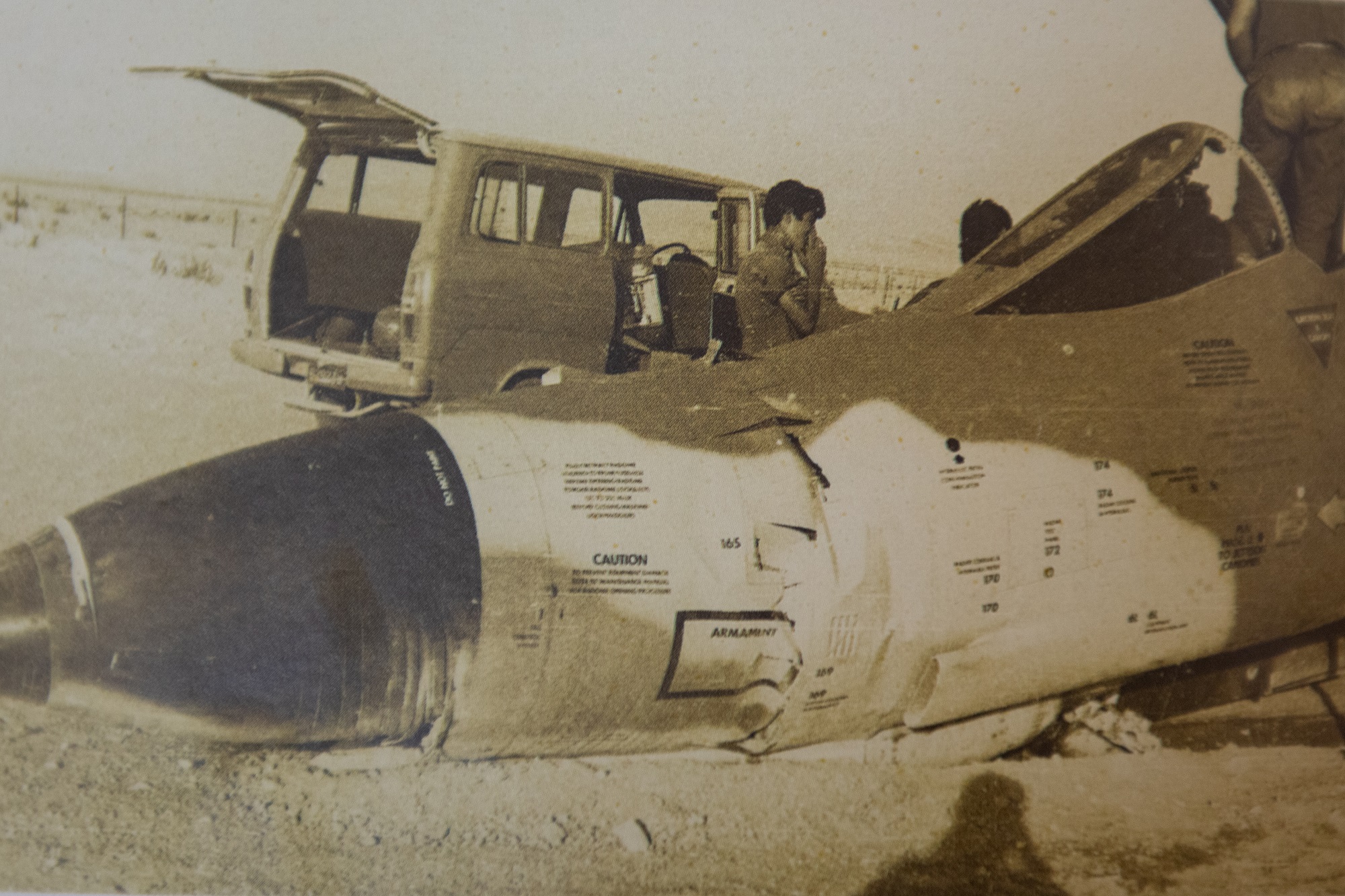
- Combat record: The SA-2 is famed for shooting down Francis Gary Powers’ U-2 in 1960. In 1999 a modified Serbian SA-3 battery shot down an American F-117A.
- Later upgrades made the envelopes of each system much larger. The SA-2 has several variants with a range of 56-76 km, while modernised Pechora systems have a range of about 35-40 km.
From Deep Raids to Denial
For months Israel had sought to pressure Cairo with artillery duels and raids, but in early 1970 it turned to deep-penetration strikes. The campaign did hit targets in the Nile Valley and Delta but also prompted a strategic response. In late January 1970, President Nasser went to Moscow and received direct Soviet air defense aid. The arrival of Soviet specialists and equipment increased dramatically. The Egyptian SAM umbrella was about to be hardened.
Building the Egyptian SAM umbrella
Moscow was not just a consultant. The USSR also provided an air defense division to reinforce the Egyptian SA-2 sites with modern SA-3 batteries, radars and fighter cover. The initial SAM belts covered Cairo, Alexandria, the Delta and Aswan. Next the belts went to the Suez Canal.
The layered network was a true IADS, making ingress corridors for the IAF difficult and attrition high. The Egyptian SAM umbrella was a combination of missiles and guns with early warning to deny altitude and compress IAF tactics.
Why the shift mattered
Academic studies note that by mid-April 1970, the deep raids by Israel had stopped because the SAM threat increased. The losses meant that the pace of operations had to change; the risk curves were going up. The Egyptian SAM umbrella effectively established an operational no-go zone over much of the western canal sector.
Mid-1970s: When IAF losses spiked
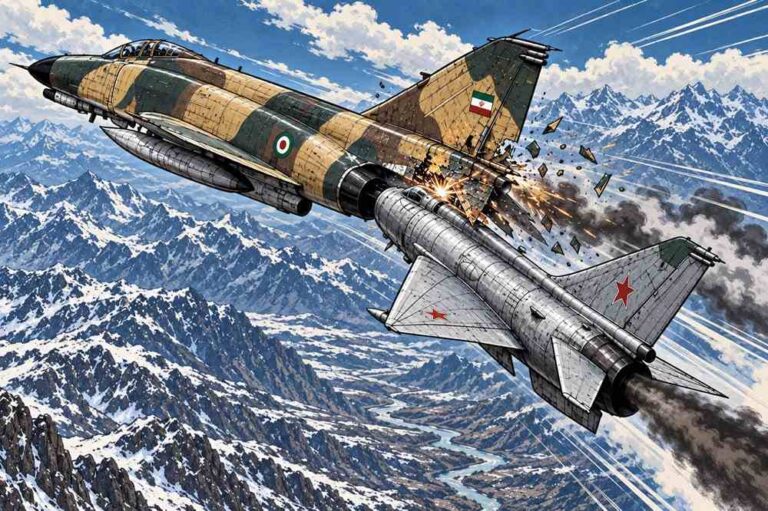
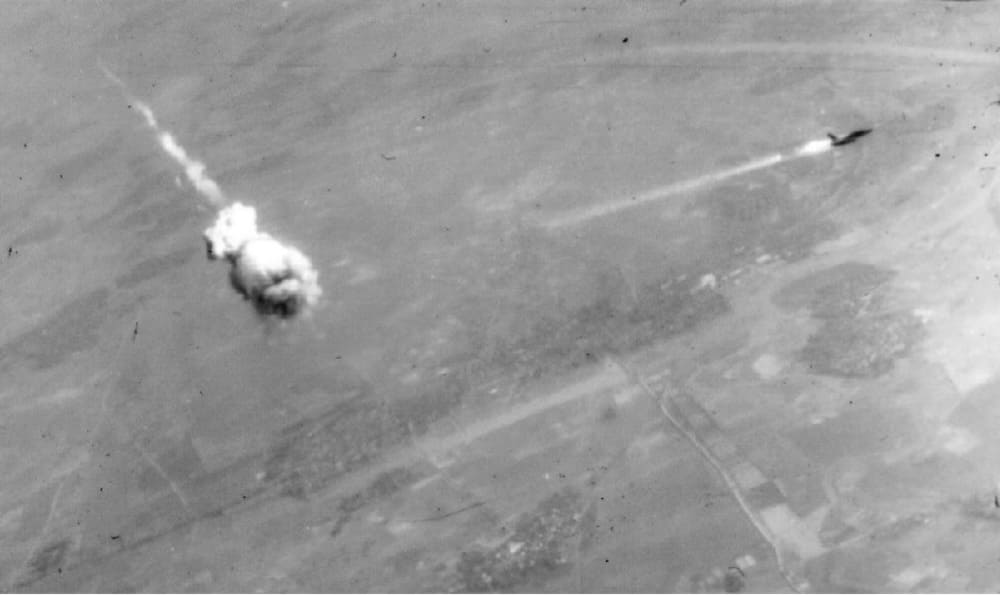
The missile belt was widening by June-August 1970, and so was Soviet participation. By 30 June 1970, two IAF F-4 Phantoms had been lost to Soviet-operated air defenses, along with other aircraft in SAM engagements during July and early August, as the defences closed in around the canal.
Israeli and open sources differ on exact tallies, yet mutually agree that the Egyptian SAM umbrella increased IAF losses and constrained strike options. The attritional dynamic helped set the stage for a ceasefire.
“Rimon 20”: Tactical win, strategic check
On 30 July 1970, west of the canal, the IAF ambushed MiG-21s flown in by the Soviets, downing five in a matter of minutes. The achievement was a demonstration of Israeli tactical skill, but it did not defeat the Egyptian SAM umbrella. The IADS was still functioning and SAM ambushes resumed within days. The dogfight kill did not result in increased operational freedom.
IAF Adaptation Fell Short
The IAF began to drop lower, more jinking, and tighter timing. The crews flew terrain-masking routes, employed ECM where possible and tried to mass fires against isolated sites. But the Egyptian SAM umbrella still demanded compromises.
Lower flight levels increased exposure to AAA; higher ones risked SA-2/SA-3 envelopes. Israel later developed a more systematic SEAD/DEAD playbook, but in 1970 the network’s depth and Soviet crews limited the ability to suppress quickly. Hence the return to sortie generation but at a higher cost per effect.
The canal’s geometry favoured the defender.
The Egyptians pressed forward, inch by inch, with guns and fighters covering every inch. And with each step forward, artillery might be creeping toward the canal, menacing the Bar-Lev Line. So the Egyptian SAM umbrella was more than missiles; it was combined-arms denial that also affected ground options.
Ceasefire and consequences
As the superpower risk increased, Washington urged both sides to back off. The ceasefire became effective on August 7, 1970, because of the Rogers Plan. By this time Egypt’s SAM umbrella had blunted Israel’s deep-strike strategy, and Egypt’s defense had regained its deterrence value. That informed Cairo’s 1973 plan, which opened under an even denser belt and initially put the IAF off.
Conclusion
First, integrated air defense, with radars, command nodes, and tiered SAMs, can generate denial even against elite air forces. Second, if the defender adapts, then the returns to tempo without suppression are diminishing.
Third, the Egyptian SAM umbrella demonstrates that operational success is a systems, not platforms, issue. The War of Attrition reached a stalemate but quietly rewrote the rules for SEAD (Suppression of Enemy Air Defense) and strike warfare in the Middle East.
References
- Britannica – War of Attrition (1969–1970). Encyclopedia Britannica
- CIA (FOIA)—The U.S.S.R. and the Egyptian… (SA-3 deployment and areas, May 1970). Carnegie Production Assets
- King’s College London—The evolution of Egyptian air defense strategy 1967–1973 (thesis). King’s College London
- U.S. State Dept. – Milestones: 1969–1976 – The 1973 Arab-Israeli War (Rogers ceasefire context). Office of the Historian
About the Author