
China’s Israeli Military Technology Pipeline
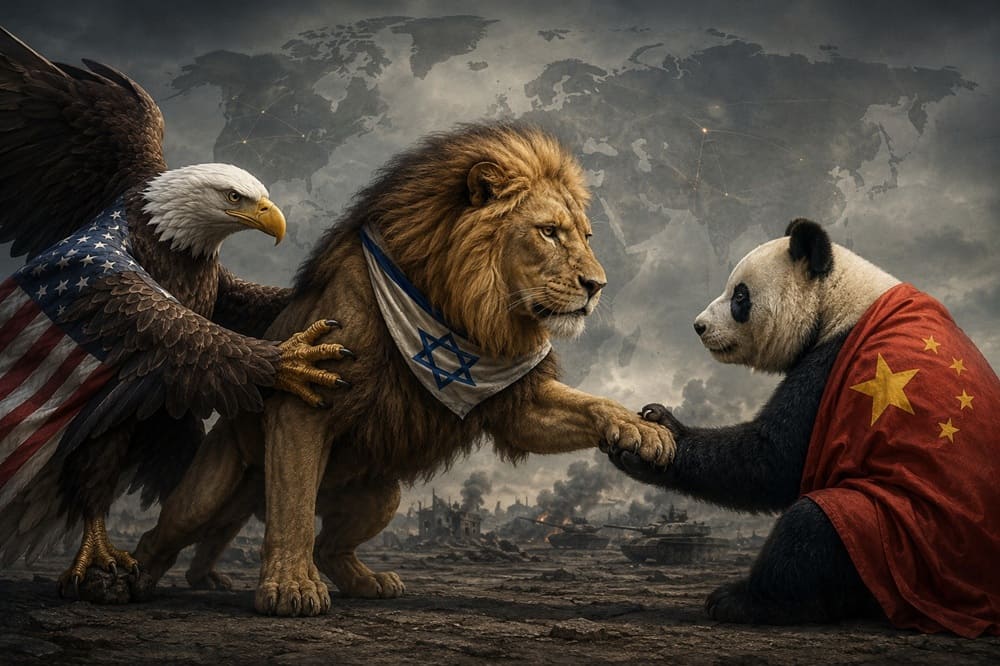
The Israeli military technology pipeline to China became one of the most sensitive defense stories of the late Cold War and post-Cold War era. Its scope included programmes for fighter aircraft design, air-to-air missiles, loitering munitions, airborne radar, electro-optics, navigation systems and armored vehicles. But analysts need to distinguish between confirmed transfers and those that are in dispute. The Python-3 missile, Harpy UAV and Phalcon radar disputes have better open-source support. The Lavi-to-J-10 story remains influential but still contentious.
Secret Defense Contacts
Israel and China had quiet defense contacts before formalizing diplomatic relations in 1992. Beijing sought to gain access to Western-standard military technology without direct reliance on NATO suppliers. Israel had significant experience in upgrading Soviet-origin equipment, captured systems and compact high-end electronics. This made Israeli companies attractive to a Chinese military still modernizing Soviet-made aircraft, tanks and missile systems.
The magnitude of the relationship worried Washington. In 1993, CIA director James Woolsey told U.S. lawmakers that China had been buying sophisticated military technology from Israel for more than a decade. He tied the co-operation to Chinese programmes for jet fighters, air-to-air missiles and tanks. Estimates also put the trade at “maybe several billion dollars”, although Israeli Prime Minister Yitzhak Rabin dismissed that figure as exaggerated.

Lavi and J-10 Controversy
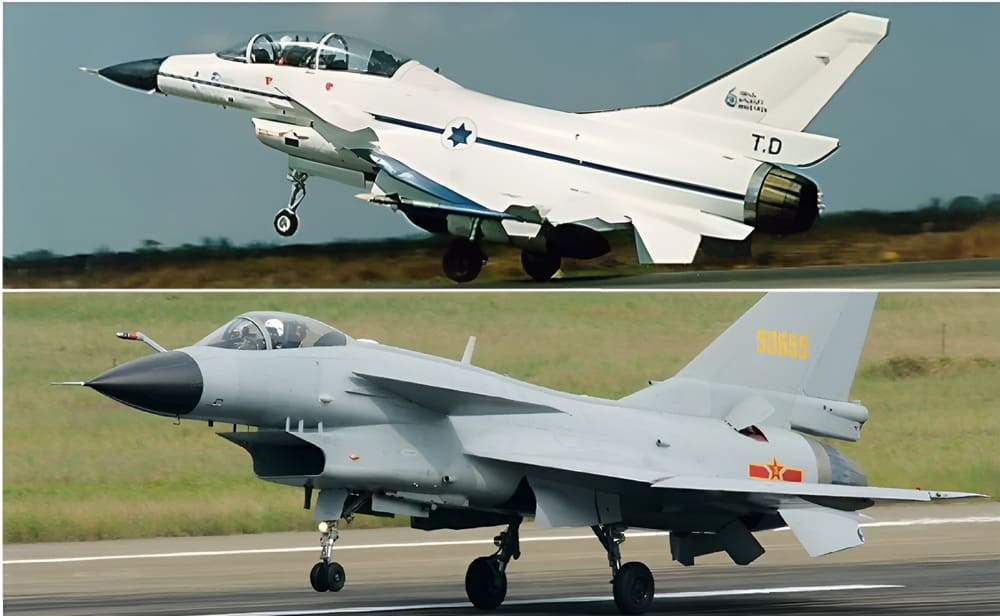
The best known and most controversial case remains the Lavi fighter. Israel cancelled the US-funded Lavi program in 1987. Then there was China’s Chengdu J-10 programme, which adopted a canard-delta configuration that externally resembled the Lavi. Israel contractors helped China with aerodynamic and structural concepts, several analysts and U.S. officials said. Israel and China denied they had turned over any blueprints.
The J-10 was not a technical replica of the Lavi. It was bigger and heavier and had a Russian AL-31F engine, while the Lavi was powered by the Pratt & Whitney PW1120. However, even modest design data could have helped China understand key fighter technologies. These included canard-delta aerodynamics, relaxed stability, fly-by-wire controls, cockpit layout, and Western-style weapons integration. So the cleanest assessment is obvious. Israeli influence is still plausible, but there is no proof of full Lavi plans directly transferred.
MiG Upgrade Know-How
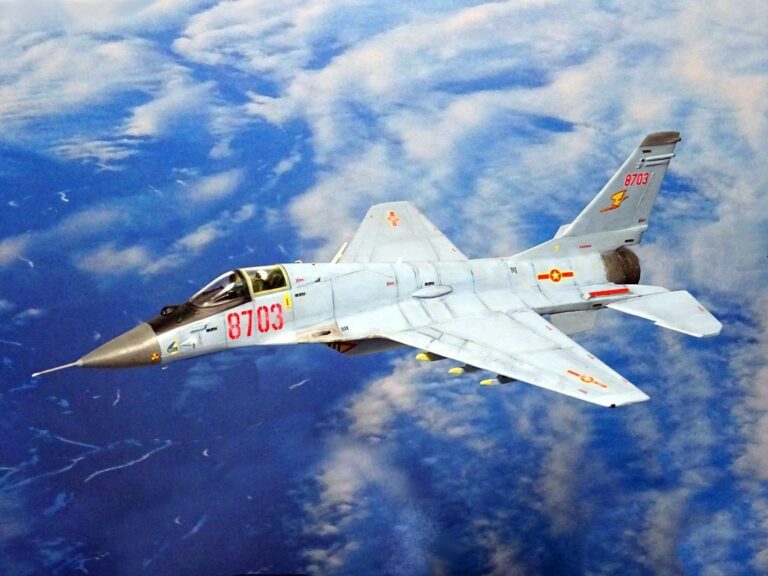
Israeli companies were also reported to be involved in upgrading China’s older MiG-derived fighters, in particular aircraft in the J-7/J-8 family, beyond the Lavi/J-10 controversy. Among the reported Israeli-linked areas, Shichor lists “upgrading China’s obsolete MiG-derived fighters”. Such upgrades might have mattered for more than just one aircraft design, though, as China had many older fighters that needed avionics modernization.
Python 3 and PL-8
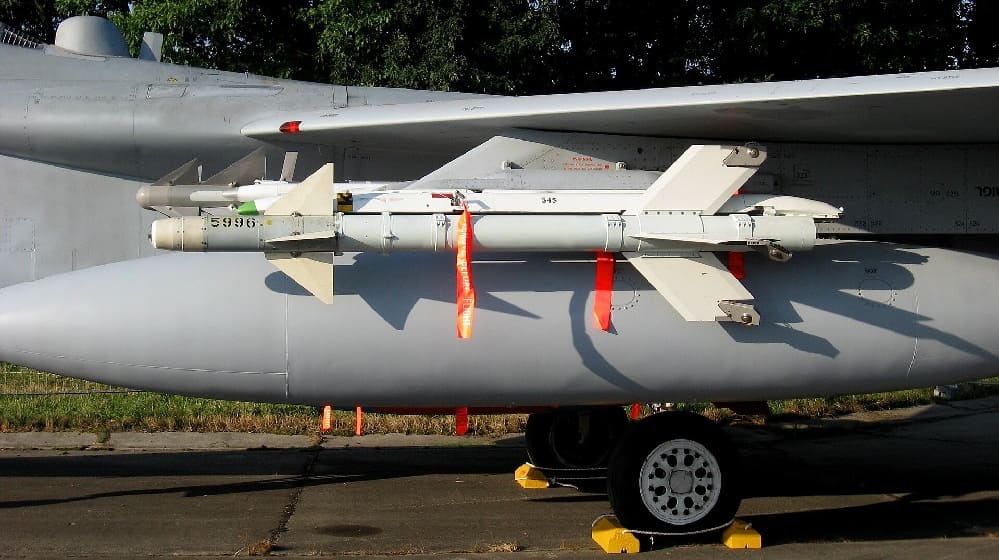
The transfer of Python-3 is far more robust. In 1989, Israel licensed the Python-3 short-range air-to-air missile to China. It was then developed by Xi’an Aircraft Corporation into the PL-8 in China. It gave the PLA Air Force a modern IR missile able to attack targets from any aspect and compatible with helmet-mounted sights.
The PL-8 was significant for China, helping it catch up with the West in close-combat missile technology. The transfer provided knowledge in seekers, cooling, fuzing, propulsion, and missile-aircraft integration. U.S. concerns also revolved around whether Israel’s missile work used American-derived Sidewinder-related knowledge, although that claim is disputed.
PL-8H and PL-9 missile derivatives
As we already covered Python-3 and PL-8, but the point is that open-source work ties Israeli help not just to the PL-8 air-to-air missile but also to PL-8H surface-to-air/ship-to-air derivatives and the PL-9 air-to-air missile. Shichor mentions reports that China developed PL-8H and PL-9 variants after the 1989-1990 Python-3 technology-transfer agreements.
So the wider transfer was not limited to just one air-to-air missile. It contributed to the development of a missile family in China and provided experience to the Chinese industry in seekers, cooling, fuzing, launch rails, integration on aircraft, and derivative development.
Radar, avionics and inertial navigation
Israeli assistance reportedly also included shaping missiles and aircraft. Open-source reporting has linked Israeli technology to the E/LM-2035 Doppler radar and the Tamam inertial navigation system. E/LM-2035 derivatives have been linked to upgrades for Chinese J-8 and J-10 fighters.
Tamam INS technology would have supported navigation, weapons accuracy and operations in GPS-denied environments. In this case, the value may have been greater than that of any single platform. Radar, avionics, and navigation improve older aircraft’s situational awareness and weapons accuracy. They also support a military transition from basic flying platforms to networked combat systems.
Type 59 Tank Upgrades
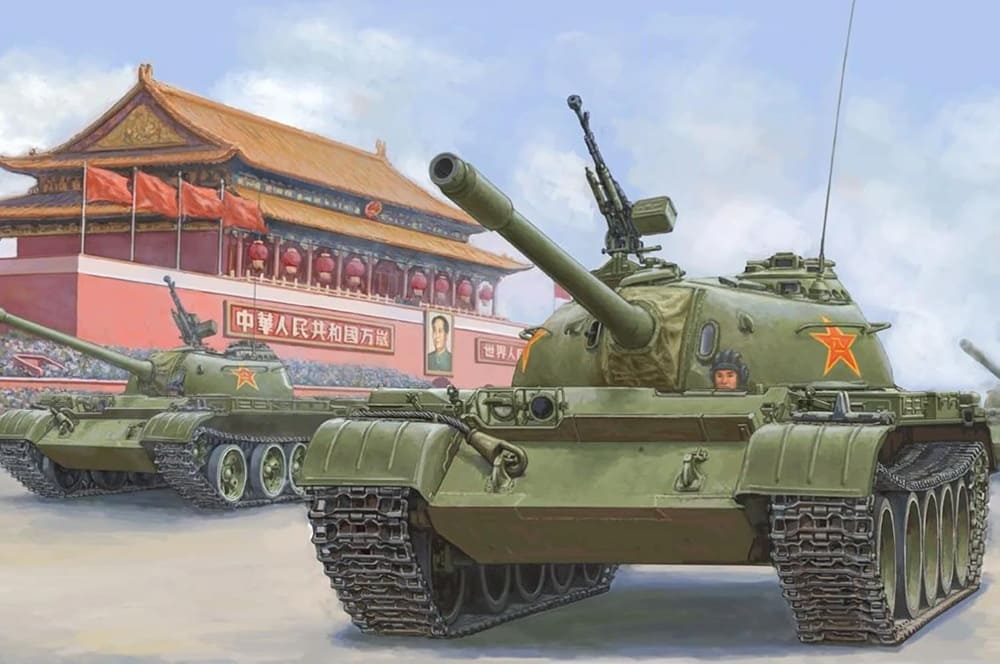
This is one of the most powerful “under-discussed” cases. A declassified CIA memo from 1986 says Israeli defense technicians were working in China to help produce an improved main battle tank. The tank featured Israel’s version of the British-designed 105mm gun, an advanced fire-control system, and associated upgrade kits for Chinese Type 59/Type 69 armor.
The same memo says that by then more than 250 improved tanks had already rolled off production lines. The Washington Post also reported in 1988 that the first Israeli-Chinese arms co-production was a modernized Chinese T59 tank with an Israeli 105mm cannon, which was first shown in 1984. It also reported that Israel assisted with reactive armor and tank modernization.
Thermal Sights and Fire-Control
Meanwhile, another important branch is tank thermal sights and day/night fire-control systems. Shichor specifically lists day/night thermal-imaging tank sights among the controversial transfer allegations, while the CIA memo on Chinese tank upgrades supports the wider claim that Israel helped China upgrade its armor fire-control technology. In battlefield terms, the outcome was decisive. Old Chinese tanks could shoot, but they lacked Western-quality detection, ranging, stabilization and night-fighting performance.
Battlefield Electronics
An entry by Yitzhak Shichor in Springer’s 2022 says Israel sold China weapons and technologies in the 1980s, including tanks, missiles, mortars, electronic equipment and other systems. Israeli experts also worked on Chinese tactical missiles, aircraft and artillery, The Washington Post reported.
However, open sources seldom specify the precise model of artillery. There is no confirmed list of named systems. For an article, refer to it as battlefield electronics, mortar/artillery support technology, and weapons-modernization expertise.
MAPATS Anti-Tank Missile
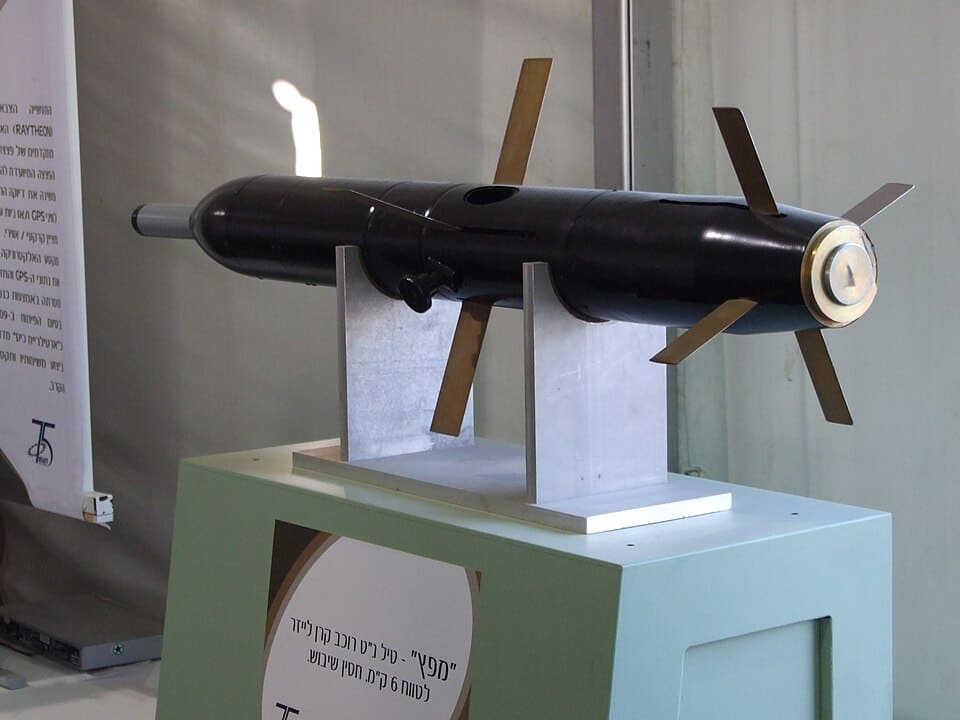
Another serious candidate is the Israeli MAPATS / Mapatz anti-tank guided missile. Yitzhak Shichor’s work mentions reports of Chinese anti-tank guided missiles based on the Israeli Mapatz but also explains that the controversy was a mixture of fact and speculation.
Shichor adds that the sale of U.S. components in the Mapatz was said to have been approved and sought permission. The cleanest assessment: Israel almost certainly gave China anti-tank missile know-how or systems, but claims that particular Chinese missiles like the HJ-9 were directly copied from MAPATS remain weaker.
Harpy UAV and SEAD capability
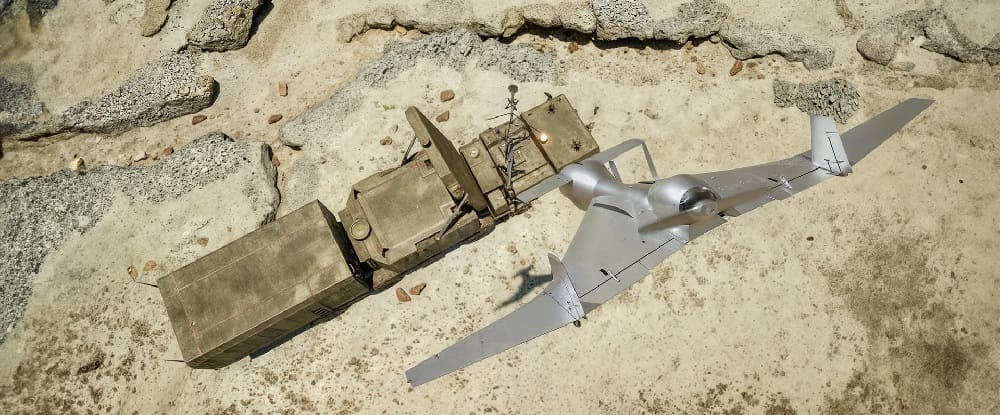
The Harpy loitering munition provided China with anti-radar strike capability. China reportedly bought about 100 Harpy UAVs from Israel for around $55–70 million by 1999. The Harpy could detect radar emissions and attack surface-to-air missile radars, which were useful for suppressing enemy air defense.
The second crisis was about upgrades, not the original sale. In 2004-2005, Washington required Israel to cancel a planned upgrade to China’s Harpy inventory. U.S. officials feared that improved Harpy drones could threaten air defense in Taiwan and U.S. forces in conflict in the Taiwan Strait.
Phalcon AEW radar dispute
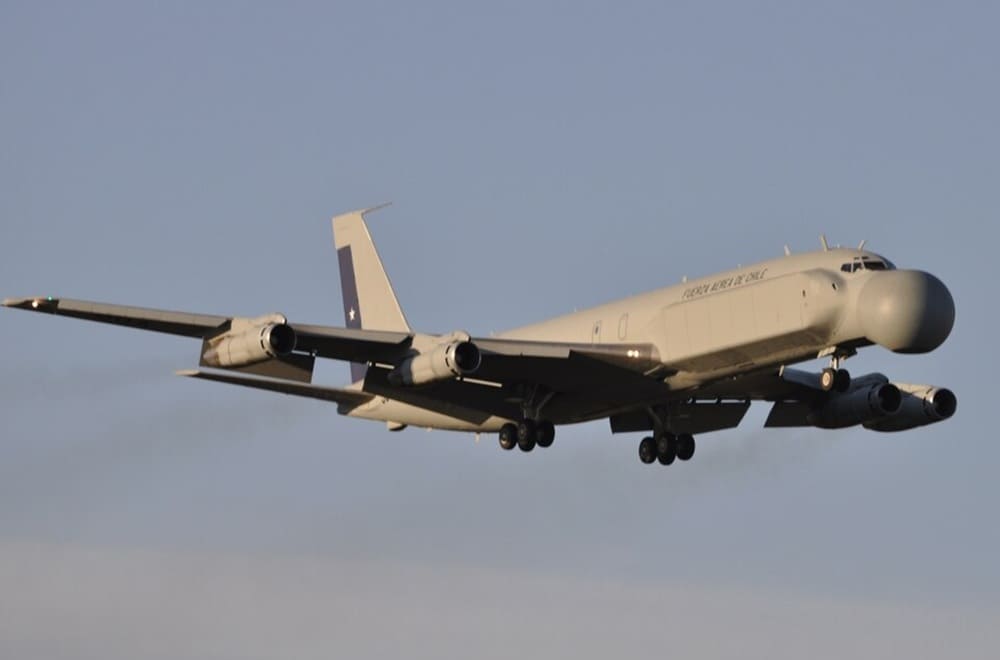
The Phalcon airborne early-warning deal was the clearest case of U.S. intervention. Under the 1996 deal, Israel was to equip four Russian-made Il-76 aircraft with Phalcon radar systems at a price tag of some $250 million per plane. Washington worried the system would improve China’s long-range tracking, battle management and air defense coordination around Taiwan.
Israel cancelled the deal in 2000 under U.S. pressure. For China, Phalcon would have been about more than radar hardware it was gold mine of technology. It would have provided airborne command-and-control experience, sensor fusion and long-range targeting capability.
Electro-optics and Ricor cryo-coolers
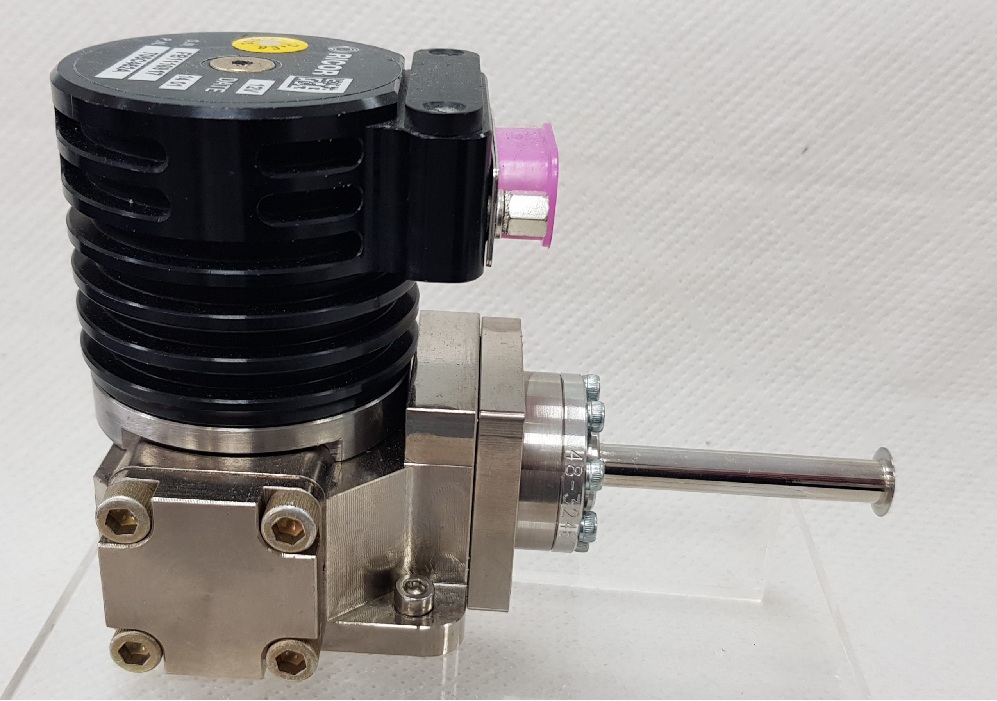
The Ricor case illustrated how small parts can have strategic impact. A miniature Ricor refrigeration system had reached China, reports said, angering Washington and prompting the resignation of an Israeli defense export official. Ricor manufactures miniature cryo-coolers for military, homeland security, space and commercial systems’ infrared detectors.
Why are cryo-coolers important? Cooled infrared detectors improve missile seekers, missile warning systems, UAV sensors, airborne vision systems, thermal sights, and hand-held imagers. In terms of combat, they enhance the ability to detect targets, operate at night and engage with precision.
Missile Guidance Technology
This field is a deeper, more sensitive area. NTI cites a 1988 report in the Sunday Times that Israel and China had made a secret arms deal under which Israel would provide advanced trajectory-corrected missiles, but Yitzhak Rabin denied the deal. Shichor also notes unconfirmed reports of Israeli involvement in the redesign of missile technologies for China’s DF-3/CSS-2 and DF-15/M-9 missile programs. These claims should be considered as reported, not proven. Still, it fits a wider pattern: China wanted Western-style guidance, fuzing, miniaturized electronics and accuracy improvements for missiles that had Soviet-era roots.
Gabriel-Style Anti-Ship Missiles
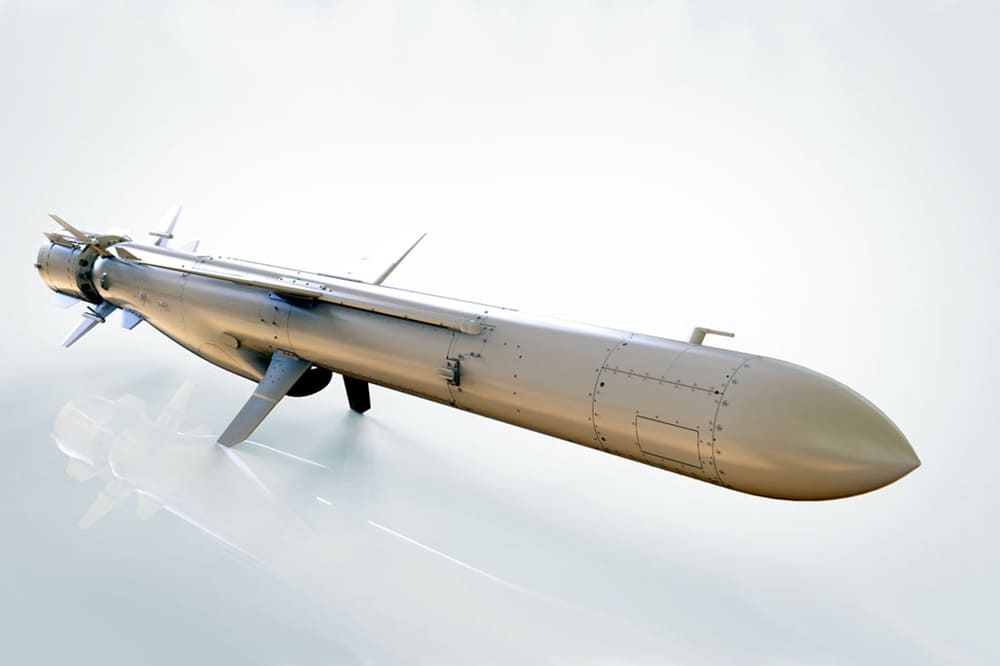
The missile is important but not as clean as Python-3 or Harpy. The Washington Post reported “strong evidence” that China and Israel had created a Chinese version of the Israeli Gabriel sea-launched missile. NTI’s China missile chronology also mentions that in 1984 Western analysts observed Chinese equipment similar to Israeli systems, including a sea-launched cruise missile similar to Gabriel. The measured piece would state that Israeli Gabriel anti-ship missile concepts may have influenced Chinese naval missile development, but the precise Chinese programme and the extent of the transfer remain contested.
Thinly Sourced Technology Claims
Some secondary academic and policy sources identify additional alleged transfers, including refueling technology, submarine sonar technology and spyware. These claims are in broader lists, but the open-source trail is weaker than for tanks, Python-3, Harpy or Phalcon.
Illicit Cruise-Missile Exports
This effort was not a formal state-to-state programme like the 1980s deals. However, it shows links between Chinese and Israeli-origin military technology persisted. In 2021, Israeli prosecutors charged 10 people and three companies with the illegal export of cruise missiles to China without approval.
The Times of Israel reported that the suspects secretly produced and exported dozens of cruise missiles. The Jerusalem Post reported similar details, claiming the missiles were passed on to China in a secretive fashion, although it also noted they were not ultimately used by the Chinese military.
China received more than isolated weapons from Israel. It gained access to a defense ecosystem, including missile seekers, UAV concepts, radar architecture, inertial navigation, electro-optics, avionics, and integration methods. These technologies aided China in moving away from Soviet-era limitations to Western-style digital warfare. The political outcome was equally significant. The Phalcon and Harpy crises compelled Israel to tighten export controls and to accept more U.S. supervision.
After 2005, Israel circumscribed its military-technology sales to China much more. But by then China had already learned valuable lessons from a previous period of quiet defense cooperation. Israel did not just sell isolated weapons to China. It helped China to absorb Western-style integration methods over Soviet-origin platforms. That included sensors, fire control, seekers, missile guidance, night fighting, armor upgrades and battlefield electronics.
References
- Arms Control Association — Israel Halts Chinese Phalcon Deal
Useful for the cancelled Phalcon AEW radar deal and U.S. pressure on Israel.
https://www.armscontrol.org/act/2000-09/press-releases/israel-halts-chinese-phalcon-deal - The New York Times — Israel Selling China Military Technology, CIA Chief Asserts
https://www.nytimes.com/1993/10/12/world/israel-selling-china-military-technology-cia-chief-asserts.html - Tablet Magazine — Killing the Lavi
Useful for the Lavi fighter programme and its political background.
https://www.tabletmag.com/sections/israel-middle-east/articles/killing-the-lavi - INSS — Israel-China Relations and Strategic Concerns
https://www.inss.org.il/publication/shichor/ - ResearchGate — Israel’s Military Transfers to China and Taiwan
https://www.researchgate.net/publication/233197238_Israel%27s_Military_Transfers_to_China_and_Taiwan - CIA Reading Room — Declassified Material
Useful for archival intelligence-related references.
https://www.cia.gov/readingroom/ - The Washington Post — Israelis Aided China on Missiles
Useful for missile-technology cooperation claims.
https://www.washingtonpost.com/archive/politics/1988/05/23/israelis-aided-china-on-missiles/ac476260-1cc5-4879-9de3-b3993dfec57b/ - The New York Times — Secret Chinese-Israeli Arms Deal Reported
https://www.nytimes.com/1988/04/04/world/secret-chinese-israeli-arms-deal-reported.html - NTI — China Missile Chronology / Missile Developments
https://media.nti.org/pdfs/china_missile.pdf - Al Jazeera — Israel Said to Scrap China Arms Deal
Useful for the 2005 China-Israel arms dispute.
https://www.aljazeera.com/news/2005/6/26/israel-said-to-scrap-china-arms-deal - Times of Israel — Israelis Set to Be Indicted for Illegally Exporting Missiles to China
https://www.timesofisrael.com/10-israelis-set-to-be-indicted-for-illegally-exporting-missiles-to-china/ - WeaponSystems.net — Python 3 Missile
Useful for technical background on the Python-3 / PL-8 connection.
https://weaponsystems.net/system/1194-Python+3 - Springer Reference — China-Israel Relations / Strategic Context
https://link.springer.com/rwe/10.1007/978-981-16-2717-0_67-1 - Noema Magazine — How China Avoided Soviet-Style Collapse
Useful for broader Chinese strategic and political context.
https://www.noemamag.com/how-china-avoided-soviet-style-collapse/ - Defense News Today — How Israel’s Secret Tech Powered China’s J-10 Fighter Jet
https://defensenewstoday.info/how-israels-secret-tech-powered-chinas-j-10-fighter-jet/
About the Author