
Israel's Secret LAVI Tech Behind China's J-10 Fighter
The Chengdu J-10 “Vigorous Dragon” first flew in 1998 and that changed China’s aerospace goals in a major way. China’s defense aviation industry was at the time struggling to recover from years of stagnation, over-reliance on outdated Soviet platforms and over-reliance on technology. The J-10 was more than just another jet; it signalled that China wanted to play in the West’s and Russia’s air game.
There is, however, a long-running debate about whether Israel helped create China’s J-10 fighter jet, despite its striking looks and modern systems. Claims still exist that Israeli defense technologies, and perhaps even direct assistance, played an important role in changing China’s aircraft capabilities.
The LAVI Legacy: Israel’s Tech Transfer
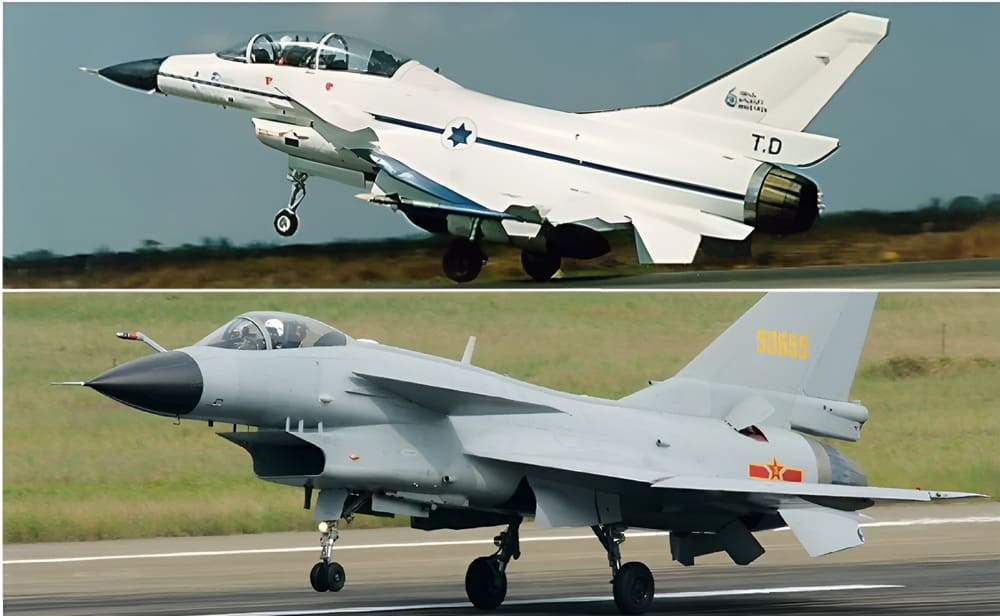
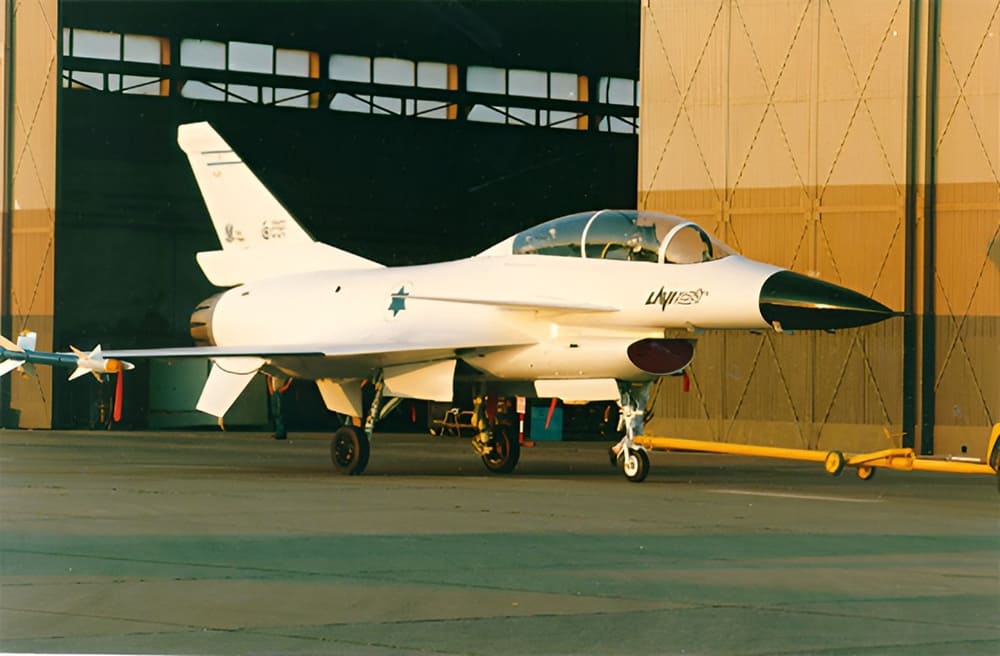
For years, defense analysts have discussed the similarities between the J-10 and the Israeli LAVI fighter. The LAVI was a big project in the 1980s to compete with the F-16. In 1987 Israel was forced to cancel the LAVI program when the United States withdrew its support, fearing that it would compete with US aircraft exports.
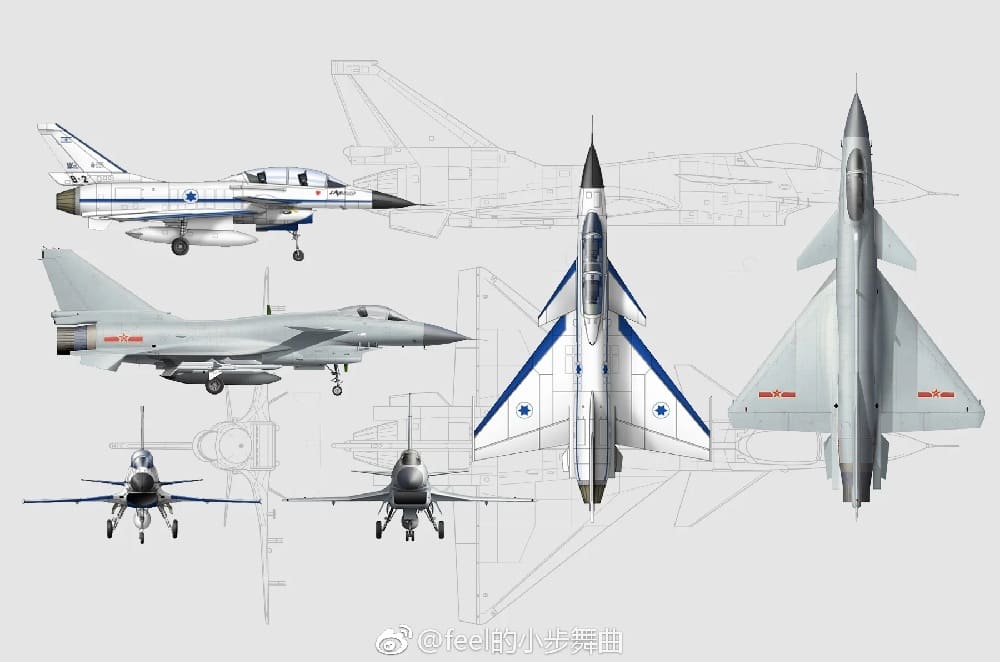
Technologies developed for LAVI also stayed relevant. Many experts believe Israel may have provided China with significant military technologies in the 1990s. This prototype has modern fly-by-wire flight controls, composite materials and aerodynamic design rules. The J-10 now has these features, suggesting that the LAVI project did have an impact on China’s fighter programme.
The basic controversy remains whether or not Israel helped China to build the J-10 fighter jet by sending parts of the LAVI to China. There is no official confirmation, but more and more evidence is emerging. Meanwhile, for knowledge purposes, LAVI means “young lion” in Hebrew.
China-Israel Relations in the Early 1990s
China and Israel launched formal negotiations in the early 1990s. Almost immediately there was talk of military cooperation. This was a time when China really needed better technology to modernise its military, especially after the West stopped selling it arms following the Tiananmen Square crackdown in 1989.
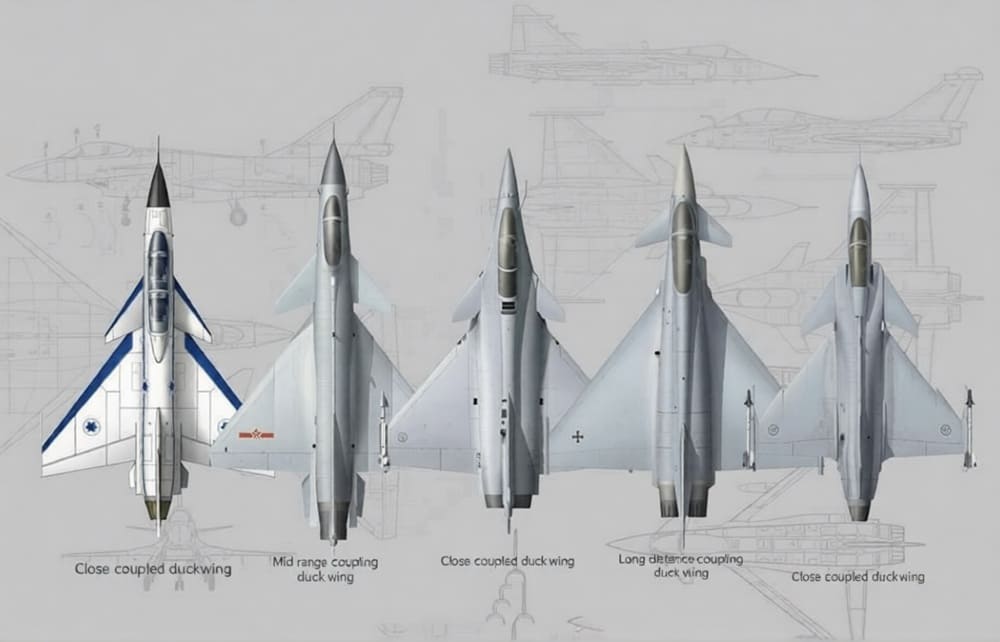
Israel was a terrific partner because it had advanced defense technologies and a small export market. China’s Chengdu Aircraft Corporation (CAC) and Israel Aerospace Industries (IAI) worked together in secret, according to reports. This assertion is further supported by the J-10’s design DNA, especially its canard-delta form, which resembles the LAVI.
Shared Avionics, Missiles & Systems
In addition to its aerodynamic shape, certain parts of the J-10 also appear to copy Israeli technologies. These are technologies for radar, inertial navigation and missiles.
Systems for Radar and Navigation
Older Chinese jets, including the J-8, incorporate Israel’s Doppler E/LM-2035 radar and a Tamam inertial navigation system, defense sources say. This likely paved the way for their eventual integration into the J-10 systems. Since then, China has developed its own solutions, but Israeli influence likely set the standard.
PL-8 and Python-3 Link
One of the most obvious indicators of Sino-Israeli defense collaboration is the PL-8 air-to-air missile, which is based primarily on the Israeli Python-3. The PL-8, built by China’s Xian Aircraft Corporation, remains a front-line missile.
This case is an example of the long-term impact of Israeli missile technology on Chinese weapons systems. These new facts add to the existing debate: Did Israel help China build the J-10 fighter jet, or did China just take apart Israeli gear that it had limited access to?
U.S. Backlash Over Israel-China Ties
However, Israel has a military partnership with the US, and Washington has not overlooked its defense ties with China. By the early 2000s, US pressure had forced Israel to scale back or terminate several military deals with Beijing, including the controversial Phalcon AEW&C radar programme.
The pushback suggests that the U.S. viewed Israeli technology as a significant boost to China’s defense capabilities. It lends some credence to reports that Israel helped build China’s J-10 fighter plane, or at least speeded its development.
From J-10 to Stealth: China’s Aerospace Leap
Even if Israel had no part in it, the J-10 represented a significant advance for China’s aerospace industry. It taught Chinese engineers a lot about the design, testing and assembly of combat jets. The J-10 eventually gave rise to platforms like the J-16 strike aircraft and the stealthy “Mighty Dragon” J-20.
Today the J-20 is the backbone of China’s fifth-generation airpower, a symbol of the country’s advanced aerospace capability. These advances show that China’s defense industry has matured, even if the J-10 may have begun with foreign help and cooperation. But the J-10’s legacy, and perhaps Israeli influence, remain at the heart of discussions about China’s rapid rise to modern airpower parity.
Collaboration or Exploitation: The Verdict
Israel may or may not have helped produce China’s J-10 fighter plane, but there is no way of knowing for sure. Meanwhile, it’s difficult to dismiss the claim completely because the technology and designs are similar to the LAVI, and the transfers of missiles and avionics have been validated.
The J-10 story is a compelling case study for military analysts and defense watchers of how public and secret geopolitical partnerships can alter the course of a nation’s military-industrial complex.
References
- https://defensetalks.com/rise-of-the-vigorous-dragon-tale-of-chinas-j-10-fighter-aircraft/
- https://www.tabletmag.com/sections/israel-middle-east/articles/killing-the-lavi
- https://nationalinterest.org/blog/reboot/did-israel-help-china-build-its-deadly-j-10-fighter-183278
- https://www.theguardian.com/world/2005/jun/27/china.israel
- https://wiki.warthunder.com/rocket/1300-the-evolution-of-israeli-air-to-air-missiles
- https://www.amnesty.org/en/latest/campaigns/2025/05/what-is-the-tiananmen-crackdown/
About the Author