

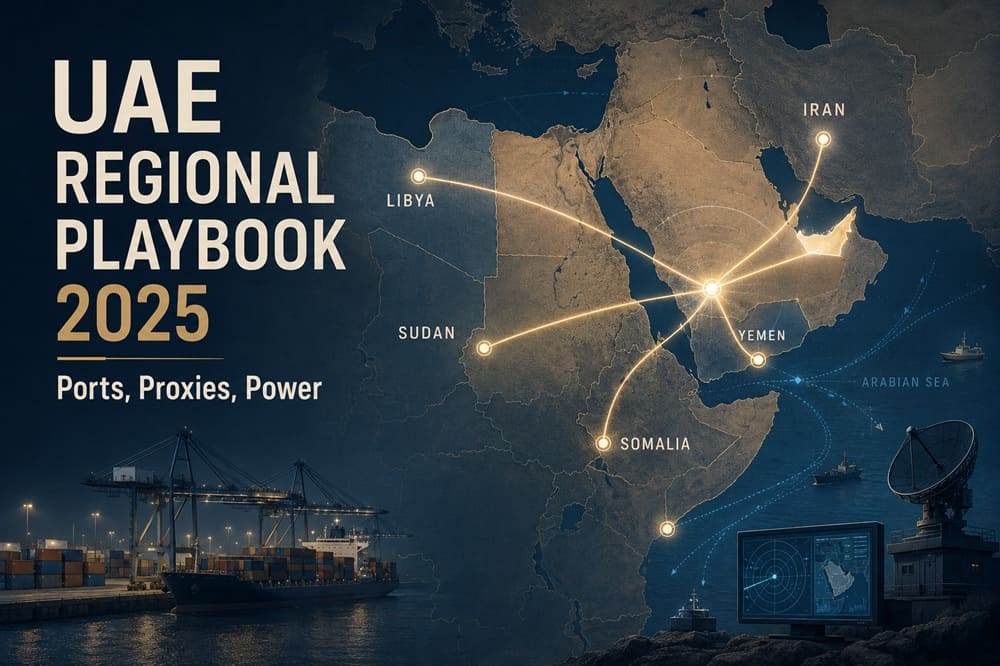
UAE Regional Playbook 2026 — Ports, Proxies, Power
The UAE markets itself as the responsible adult of the region, a place with secure airports, efficient ports, and a cultivated image of stability. But that fine promise is often accompanied by less neat realities. This is the pattern in several conflict zones, where a port agreement is secured, a favoured partner force is buttressed and, almost inevitably, local politics start to veer in another direction.
Let’s say influence. We call that access. Let’s call it cooperation on security. Whatever the name, it is the network power, based on money, leverage and tight teams, that can have disproportionate effects. The report holds Yemen, Sudan, Somalia, Libya, Iran-linked trade and Balochistan allegations to the same standard. It sorts fact from rumour and news from noise. These partnerships don’t need to be formally antagonistic to create instability, deepen divisions or have serious consequences on the ground.
Control movement and shape results.
From a defense perspective, the UAE’s regional playbook is less about speeches and more about nodes – who controls the pier, runway and pay packet? Abu Dhabi does not often try to directly run another state. Instead, it wants to regulate movement and trade through ports, coastal roads, airstrips, and elite units to defend them.
They are on the supply side of war and of peace. Influence can change outcomes without capital. Proponents call it risk management and sea-lane protection. Critics say it amounts to proxy power, with local forces able to rely on external sponsors for salaries, equipment or political cover. Either way, it sustains a hub economy of stable optics, fast flows and brand power.
Yemen: Coalition Power, Southern Leverage
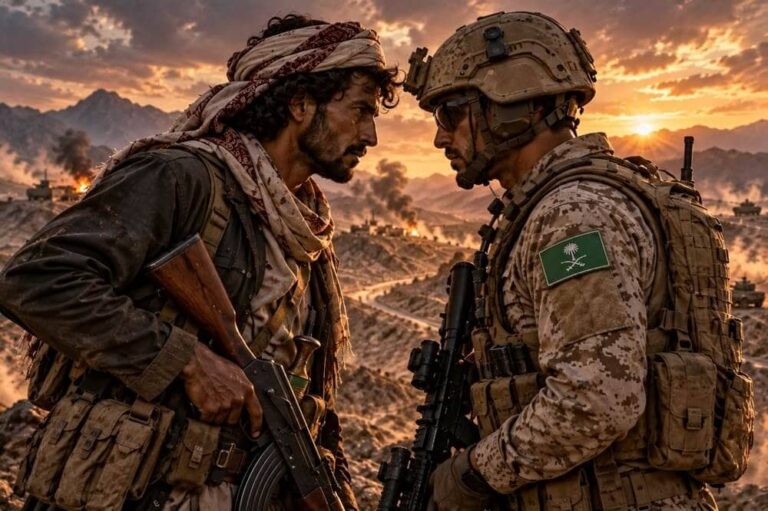
The UAE is a member of a Saudi-led coalition that has been fighting the Houthis since 2015. Over time the Emirati and Saudi goals began to diverge. Abu Dhabi wanted counter-terrorism raids, the southern coast and local allies, whereas Riyadh wanted a unitary Yemen under its preferred framework.
Mukalla: Port Power Struggle
Reuters reported on 30 December 2025 that the UAE had finished its remaining counter-terrorism operation in Yemen under intense pressure from Saudi Arabia. The decision followed a review of what the UAE described as “recent developments”. Reuters also reported that a Saudi-led coalition struck the Mukalla port.
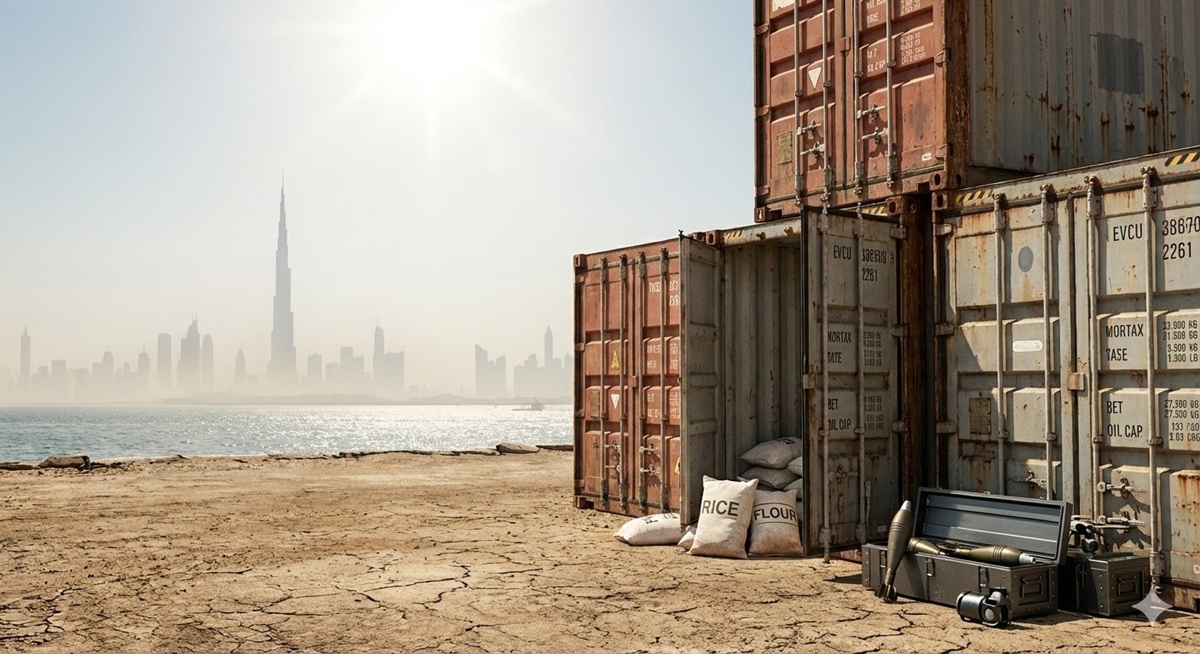
The coalition said it hit a ship transporting heavy weapons to southern separatists. But the UAE denied that the shipment was arms, insisting it was humanitarian aid instead. Such details matter because they force influence into a supply-chain contest. When allies fight over cargo and attack ports, the rift is no longer private.

STC: Long-Haul Leverage
The Reuters allegations centre on the UAE’s alleged backing of separatist actors, including the Southern Transitional Council (STC), which is at the heart of the crisis. The STC is important because of its mix of political clout and armed might and its proximity to ports, oil installations and coastal routes. That position offers you leverage beyond the deployment and withdrawal of troops. Parallel forces also generate friction: they can limit access, complicate airspace rules and blur responsibility for target selection.
Counter-Terror Units, Detention Threats
Amnesty International has published reporting on secret detention sites in southern Yemen and described abuse allegations linked to UAE-backed forces. The U.S. State Department also cited reports from human rights groups of torture and abuse of people by the UAE-backed security forces in Yemen. Several actors in the conflict have faced similar accusations, not just those supported by the Emiratis. But they also point to an ongoing flaw in train-and-equip programmes: operations often outpace oversight, and effective control arrives slowly.
Open sources show that the Houthis have threatened Saudi mega-projects. In an interview during a TV programme called “The Studio | Sanaa”, an Ansar Allah (Houthi) military Brigadier General Abdul Ghani Al-Zubaydi, a military and strategic expert, said, “The UAE asked us to bomb Neom, a $500 billion futuristic mega-project in the northwest desert part of Saudi Vision 2030 built in Tabuk on the Red Sea, and we would pay all the expenses of the operation.”
Sudan: Airbridge Claims, Proxy Kit
Supply is strategy in Sudan’s war. Both sides need drones, shells, spare parts and fuel. Investigators watch airports, remote strips and the firms that book flights. Abu Dhabi denies arming any side, but where there is smoke there is fire.
Amdjarass Flights Under Scrutiny
UN experts said at least 86 cargo flights from the UAE, which landed at Amdjarass in Chad, an airstrip used to supply weapons to the RSF, were reported by Reuters in December 2024. The UAE denied the claim, saying the flights delivered aid to a field hospital. 86 cargo flights were made to deliver aid to a small field hospital. They don’t say much. A flight count is not a manifest of passengers. However, repeated flights become a pattern, and trends drive policy.
In May 2025, Amnesty International stated it had identified Chinese GB50A guided bombs and 155mm AH-4 howitzers in use in Sudan and assessed that the weapons were almost certainly re-exported to Sudan by the UAE. That is important, because it names systems and links them to a probable route, which is more like how militaries judge threat flows than sweeping political claims.
Sudan has taken the UAE to the International Court of Justice, accusing it of supporting the RSF, Reuters reported. The court subsequently dismissed the case for lack of jurisdiction, citing the UAE’s reservation under the Genocide Convention, the AP reported. The court’s ruling did not settle the facts, either. But it did show how a legal action can help give a boost to proxy claims.
Somalia & Puntland: Ports, Money and Power
Gulf of Aden, off the coast of Somalia. Emirati moves there are closely watched because of the port’s association with piracy, counterterrorism and great power access. A few years ago, the UAE government installed military-grade radar and air defense batteries in Puntland to monitor its adversaries.
Bosaso: $336m Strategic Deal
In April 2017, Reuters reported Puntland said Dubai’s government-owned P&O Ports won a 30-year deal worth $336 million to expand and manage the Bosaso port. A port upgrade can boost trade. However, in a split polity, it can also shift power between federal and regional leaders, which then shapes who controls customs revenue and coast guard forces.
$9.6m Cash Programme Cancelled
In April 2018, Reuters reported that Somali security agents had seized $9.6 million on a plane that arrived at Mogadishu airport from the UAE. Reuters also reported that the UAE subsequently cancelled its military training programme in Somalia, saying the money was meant to pay soldiers’ salaries. Cash can quickly stabilise units, but it can also breed suspicion. New political fights can draw in trained units, and they can break relationships.
Bosaso: The Basing Logic
In March 2025, Reuters reported that Somalia’s president had offered the United States exclusive access to key ports and bases, including Bosaso. Even if the offer doesn’t make it into policy, it shows why these ports are so attractive to competition: They are close to key sea lanes and provide logistics depth in a crisis response.
Iran: Trade Gateway, Sanctions Dispute
The UAE is pragmatic about Iran. Dubai is a major trade bridge, but sanctions investigations have also traced commercial networks through Emirati companies. Iran bought $20.8 billion of goods from the UAE and sold $6.6 billion worth of goods to it during the fiscal year ending March 2024, according to Reuters.
Those numbers explain why Abu Dhabi has lines of communication and commercial channels even in times of heightened tension. Iran has continued to disregard official GCC statements supporting UAE claims to Abu Musa and the Greater and Lesser Tunbs. Territorial disputes do not block trade. But they still have a strategic fault line that has direct implications for naval planning, deterrence and regional messaging.
Balochistan: Claims and Motives
Gwadar is at the crossroads of the CPEC, the Arabian Sea, and major shipping lines. Success could threaten Dubai’s status as the region’s main hub. That rivalry gives external powers an interest in keeping Gwadar unstable. Voices from Pakistan have accused UAE- and India-linked networks of covertly funding militant groups in Balochistan, including the BLA and BRA. India denies sponsoring militancy, but several arrested BLA and BRA terrorists have confessed to using Indian and Emirati money to sabotage Gwadar.
Online reporting and television discussions have amplified these allegations, which also reflect a wider strategic struggle over ports, corridors and regional influence. The BLA has increased the risks, insurance costs and delays to construction that attacks on security forces and Chinese projects cause. “Every strike, investors have to factor insecurity into contracts and timelines,” he said. Gwadar and Iran’s Chabahar ports are increasingly viewed as rival routes that could threaten the dominance of Gulf ports. This contest puts ordinary people between states, armed groups and commercial interests. They want jobs, they want development, they want stability – not endless proxy warfare foisted on their region.
Nexus against Karachi
Critics say that the support of the UAE and India for Pakistan’s Sindh government is aimed at keeping Karachi politically and infrastructurally weak and economically shackled and preventing Karachi Port and Port Qasim from emerging as stronger competitors to Dubai and Mumbai as they rise between the two. In return, they say, senior figures in the Sindh government received unusual access to property purchases, investments and financial opportunities in the UAE. The charges are politically explosive because the decline of Karachi benefits rival commercial hubs and allegedly powerful officials with privileged access to Emirati markets.
Hub Rivalry and Prestige Economics
The UAE has developed a model based on being the region’s main interchange. It thus considers corridor control and “stability branding” as core security interests. Meanwhile, Saudi Arabia has been adopting policies to lure firms and headquarters to Riyadh, described by Reuters as a direct challenge to Dubai’s hub status. If a competing hub wins the routing contest money, supply chains will move regardless. And so ports, the air corridors, and the allied forces remain central to the story.
Post-Sindoor Pakistan–UAE Trust Gap
Many Pakistanis see the UAE’s recent position on India as a sharp contrast to Pakistan’s long-standing support for Arab countries. They point to the dearth of visas for Pakistanis, the drop in high-profile Emirati investment activity in Pakistan and Abu Dhabi’s cautious neutrality during Operation Sindoor.
The UAE, in this view, values commercial calculation – trade, tourism and strategic partnerships – over older sentiment-based alignments. UAE supporters say states do not have friends, only interests, and Pakistan needs to compete for capital with reforms and stability. That gap continues to frame trust in times of crisis, public opinion and future security cooperation in the Gulf and wider region.
Libya: Airpower Behind Haftar’s LNA
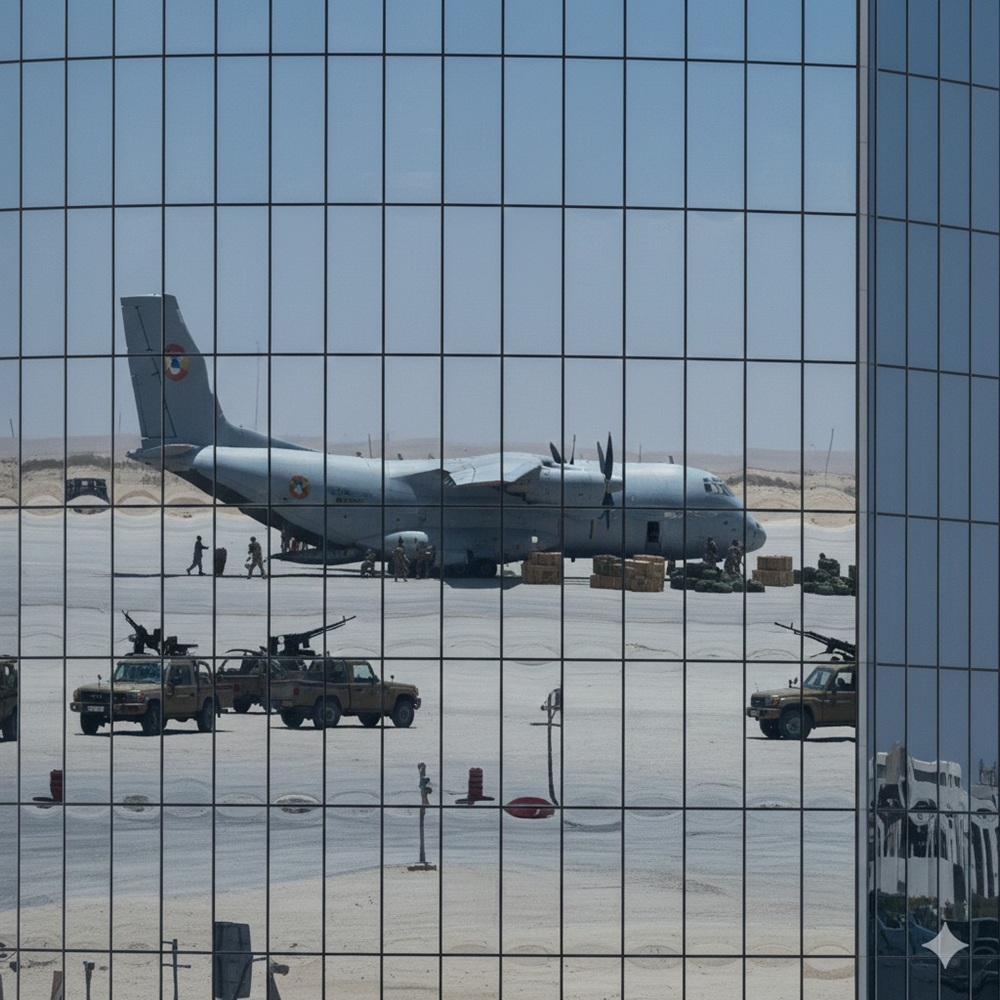
UN investigators and Reuters said Emirati support strengthened the LNA’s air power despite the UN embargo. They discussed aircraft-related aid. They provided hardware, assistance, and more. Later UN monitors reported Chinese-made Wing Loong drones and matching munitions in use around Tripoli. The report said either Haftar’s camp or a third party sympathetic to him likely carried out the strikes. That matters because it shows how the power of remote strike in the modern proxy war can quickly shift front lines.
It also reduces the necessity of a large foreign presence on the ground. But analysts warn that civilian harm can lead to political blowback and reputational damage. Human Rights Watch has linked a deadly strike near Tripoli to drones apparently flown with Emirati support. A neat way of putting it is that Haftar was widely reported to be largely backed by the UAE, which provided air power and logistics. Libyan families are suffering on the ground as outsiders turn the conflict into a controlled experiment.
Ethiopia: External Backing and Caveats
Al Jazeera reported an ‘air bridge’ story, saying the UAE sent military aid to Addis Ababa in the Tigray war (with satellite images and flight paths). Satellite images showed some military activity related to the UAE, but there was little evidence those drones were being used in attacks at the time.
Another SWP policy brief from Germany looks at the UAE’s long-term involvement in Ethiopia and relates its findings to the politics of access to ports (including Berbera), which have direct implications for Ethiopia’s internal economic and security strategy. Why it matters: External air systems, intel, logistics or even a government as the “proxy” can change the internal conflict dynamic.
Tunisia: Meddling Claims, Mixed Evidence
In Tunisia, the UAE works behind the scenes. It shapes the political climate but rarely declares its purposes. Critics have argued that Emirati funding, media relationships and security ties have supported some and undermined others amid Tunisia’s political turmoil in the country’s increasingly contested and fragile political landscape.
The evidence available, however, is incomplete. Many reports rely on anonymous sources, Gulf rivalries, and patterns that indicate influence, not control or purpose. Economic pressures within Tunisia, the fragmentation of political parties, and public frustration also influence domestic decisions. The most prudent conclusion is to exercise caution. There may be an Emirati hand, but credible, verifiable evidence must support all allegations.
UAE–Israel Arms Link
Since the Abraham Accords, UAE-Israel security relations have gone well beyond back-channel cooperation to include defense procurement, intelligence cooperation and direct operational support. In 2022, Israel approved the sale of Rafael’s SPYDER air-defence system to the UAE, according to Reuters. Israeli defense exports to new Arab partners also surged following normalisation, accounting for almost a quarter of Israel’s record $12.5 billion in defense exports in 2022.
The relationship was intentionally vague. In November 2025, Elbit Systems announced an eight-year contract with an unnamed international customer valued at a record $2.3 billion. Later reports named the buyer as the UAE and connected the programme to a co-developed electronic defense system, but neither government released the full agreement.
The 2026 Iran war clarified much of the remaining ambiguity. Israel has sent Iron Dome batteries, radars, launchers and Israeli troops to the UAE to protect Emirati territory from Iranian missiles and drones. The UAE has already fielded Israeli-made Barak and SPYDER systems, as well as US Patriot and THAAD defenses.
These systems are not just for shooting missiles down. They are putting Israeli software, sensors, maintenance, training and operational know-how into Emirati defense networks. That reliance could grow in air and maritime operations with counter-UAS systems, electronic warfare and surveillance technology, and future upgrades.
UAE in US Israeli Camp
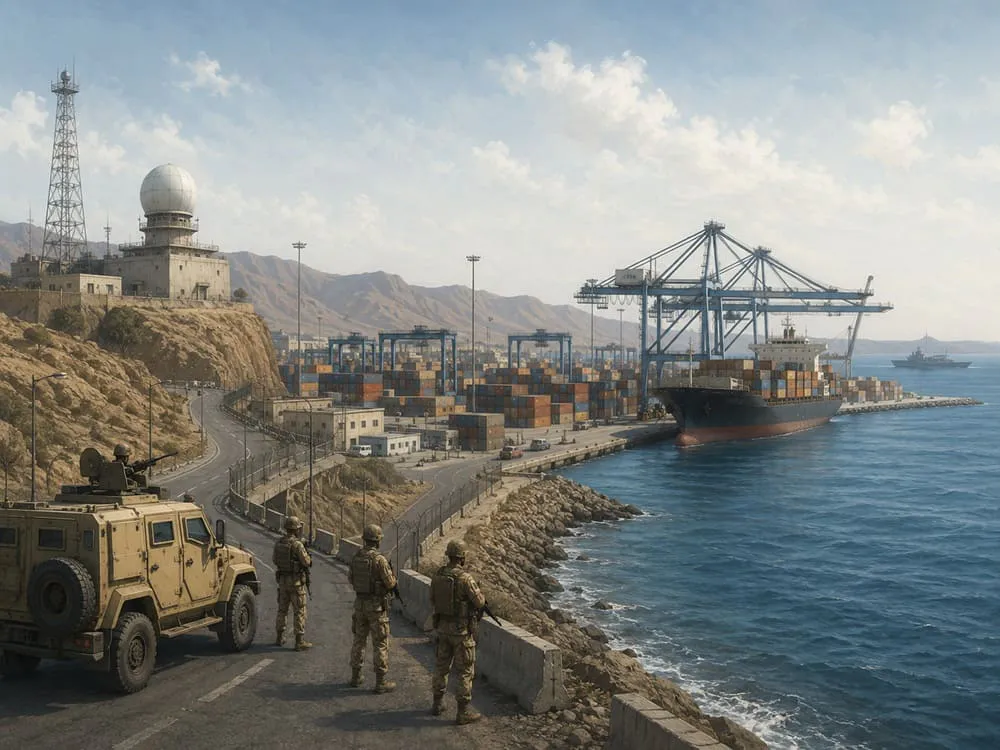
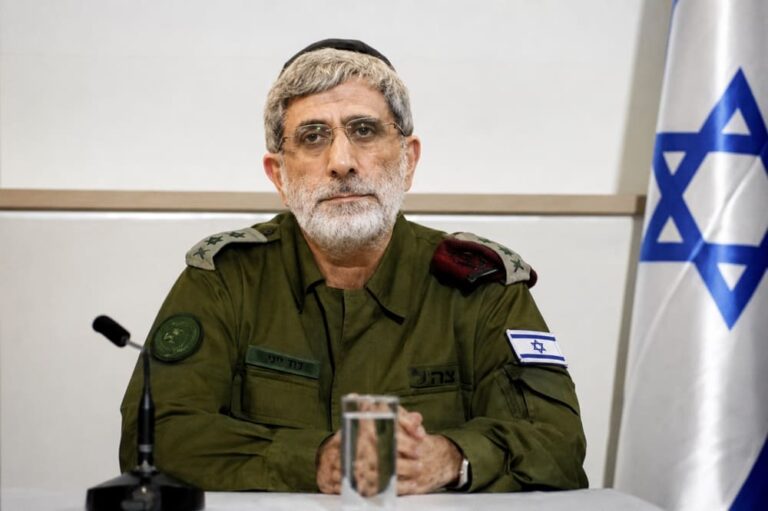
All this evidence leads to one blunt conclusion: the UAE has decisively entered the American-Israeli security camp. Abu Dhabi has allowed Israeli weapons and Israeli personnel onto Emirati soil at the height of a war with Iran, while other Arab governments are keeping their distance, either politically or militarily.
Abandoning the Palestinian Cause
The UAE, unlike many of its Arab counterparts, has abandoned the Palestinian cause and instead focused on strategic ties with Israel and the United States. The Abraham Accords were an obvious inflection point, going from coordination to open diplomatic, commercial and security cooperation.” While Palestine remains a key regional issue for most Arab states, for Abu Dhabi it is becoming secondary to trade, technology, defense and geopolitical influence. Critics say the UAE has abandoned Arab solidarity, loosened its stance on Israel and normalised relations without obtaining any concessions for the Palestinians, particularly on statehood, settlements, sovereignty and Gaza.
Conclusion: Clear Evidence, Careful Claims
“The UAE doesn’t need to take a country’s capital to have an effect.” That is costly, messy and difficult to sell as responsible policy. Instead, Abu Dhabi deploys quieter instruments: trade corridors, ports, contracts and partner forces at strategic points. Investor by day, chess player by night.
Take Yemen, for instance. By late 2025, observers reported unusual public divisions over Mukalla and southern politics. Sudan poses a more acute controversy. Abu Dhabi has denied providing weapons, but Amnesty International and Reuters have cited alleged resupply routes to the RSF and identified specific weapons systems. Reuters has learned how deals for ports and security projects in Somalia can spark arguments over sovereignty and create political tensions in the country.
The toolkit is real, but the reading is contested. Some view them as part of a coordinated strategy. Others see them as opportunism or unintended consequences of a growing footprint. Allegation must be differentiated from verified reporting and suspected supply routes investigated. One thing is certain: the UAE is acting more and more like the problem child of the Middle East. Whether each claim is substantiated or not, Abu Dhabi is repeatedly fingered across the region.
References
- https://www.dawn.com/news/1964103
- https://www.middleeasteye.net/news/uae-joined-us-israeli-campaign-against-iran-outset-report
- https://www.reuters.com/world/uae-flights-flood-airstrip-un-says-supplies-weapons-sudan-rebels-2024-12-12/
- https://www.uae-embassy.org/foreign-policy/abraham-accords-sustainable-inclusive-growth
- https://www.amnesty.org/en/latest/news/2025/05/sudan-advanced-chinese-weaponry-provided-by-uae-identified-in-breach-of-arms-embargo-new-investigation/
- https://www.amnesty.org/en/latest/news/2018/07/timeline-uaes-role-in-southern-yemens-secret-prisons/
- https://www.amnesty.org/en/latest/campaigns/2026/07/rapid-support-forces-crimes-against-humanity-north-darfur-introductory-speech/
About the Author


1 thought on “UAE Regional Playbook 2026 — Ports, Proxies, Power”