
Latest Tank Armor Types 2026
In 2026, tank armour has evolved into a layered protection ecosystem rather than a single-material solution. It is a systems engineering problem. Modern main battle tank survivability relies on layered protection, distributed sensors, active interceptors, modular armour, electronic countermeasures and signature reduction. The tank still requires heavy passive armour, but passive mass alone cannot defeat the threat stack of today.
Passive mass alone won’t defeat the threat stack of today. Now crews face APFSDS rounds, tandem HEAT missiles, explosively formed penetrators, FPV drones, loitering munitions, artillery submunitions, top-attack missiles, mines and sensor-fused weapons. So the trend in tank armour for 2026 is now clear. Designers no longer ask, “How thick is the armour?” They ask, “How early can the tank detect, classify, disrupt, intercept, absorb and recover?
Types of Tank Armour
| # | Type of Tank Armour | Purpose |
|---|---|---|
| 1 | Rolled Homogeneous Armour | Basic steel armour used as the structural shell |
| 2 | Cast Armour | Shaped steel armour used on older turrets and hulls |
| 3 | Composite Armour | Mix of steel, ceramics, plastics, alloys, and other materials |
| 4 | Chobham Armour | Advanced British composite armour using ceramic layers |
| 5 | Explosive Reactive Armour | Explosive blocks that disrupt incoming shaped-charge warheads |
| 6 | Non-Explosive Reactive Armour | Uses rubber or elastic layers instead of explosives |
| 7 | Electric / Electromagnetic Armour | Uses electrical energy to disrupt penetrators or shaped charges |
| 8 | Ceramic Armour | Hard ceramic tiles break or erode kinetic penetrators |
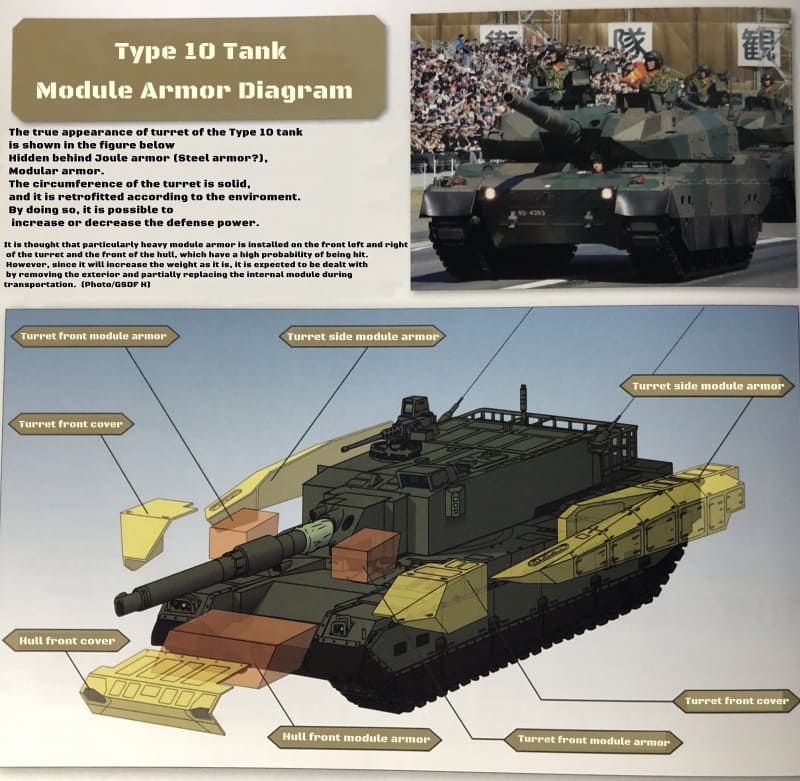
| 9 | Modular Armour | Replaceable armour packages fitted to hull, turret, or sides |
| 10 | Spaced Armour | Gaps between armour plates reduce penetration effectiveness |
| 11 | Slat / Cage Armour | Metal cage used against RPGs and drones |
| 12 | Bar Armour | Stronger version of cage armour for RPG defence |
| 13 | Applique Armour | Extra armour plates added over the main armour |
In modern tanks, armour is no longer made of a single material. It is a layered protection system that combines composite armour, reactive armour, active protection, drone cages, electronic warfare, and signature management.
Composite Armour Core
Composite armour remains the backbone of modern tank survivability. Steel, ceramic, elastomers, polymers, non-explosive reactive layers and classified inserts are utilised. Each layer attacks the penetrator using a different physical mechanism.
Composite armour against shaped-charge jets aims to disrupt the coherence of the jet. It attempts to yaw, break up, erode or slow the long rod versus kinetic-energy penetrators. It distributes impact energy over a larger area against fragments.
Hence, frontal turret arrays are still thick and heavy. The frontal arc must be able to defeat APFSDS rounds fired by enemy tanks. Side, roof and rear armour act differently due to the threats of missiles, drones and artillery fragments. Composite armour is not dead with the move to 2026. It is, rather, the combination of composite armour with active systems and modular systems.
Modular Armour Matters
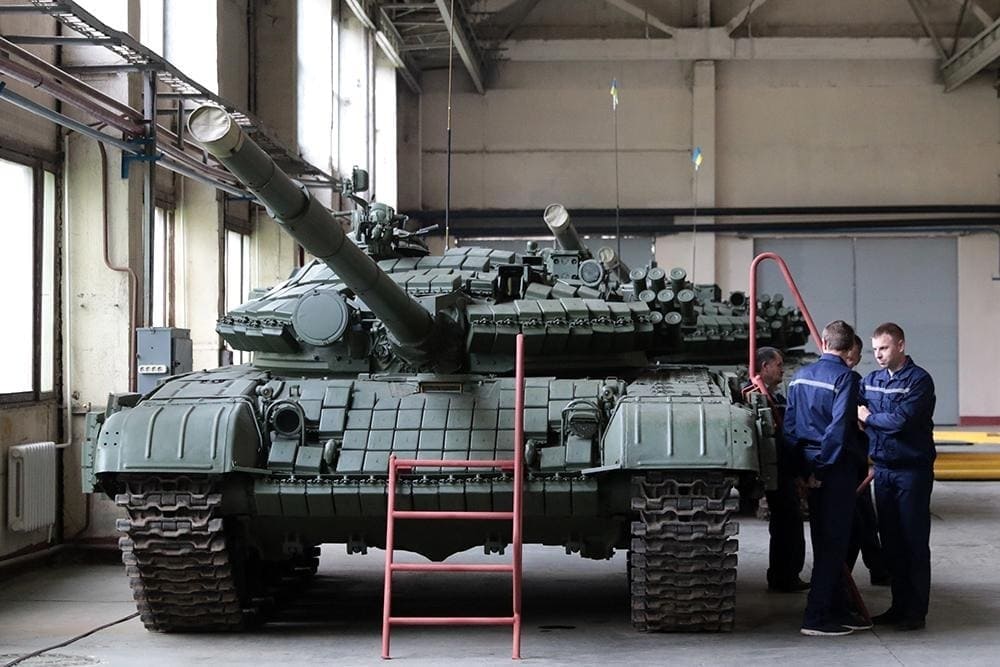
Modern tanks need modular armour because their threat cycles are faster than the production cycles of tanks. The hull of a tank might last for forty years. Over forty days a drone warhead can change. Modular armour enables armies to replace damaged panels, add mission-specific kits, and upgrade protection without rebuilding the vehicle. This approach has implications for platforms such as the Challenger 3, Leopard 2A8 and the future M1E3 Abrams.
The UK Challenger 3 programme reflects this approach. It brings a new armour solution, a digital turret, improved sights and an active protection system. Not just thicker armour. This is a new survivability architecture. Modularity also provides industrial resilience. Armies can locally produce armour blocks, repair battle damage and adapt protection kits in wartime.
NERA and NxRA Reduce Explosive Risk
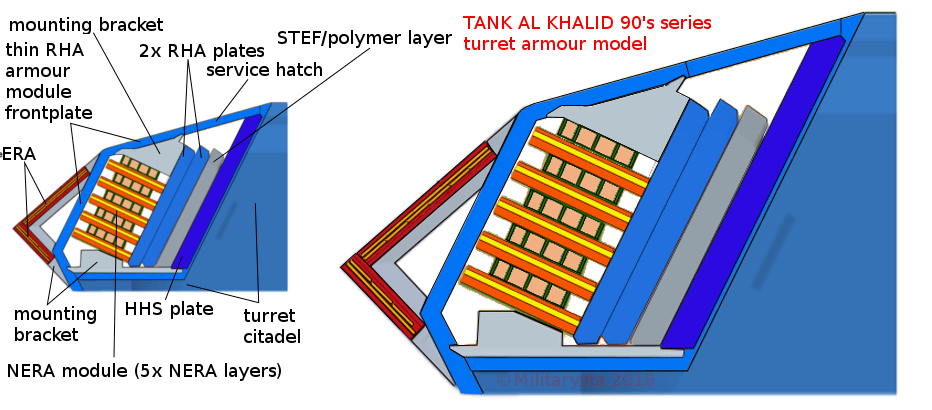
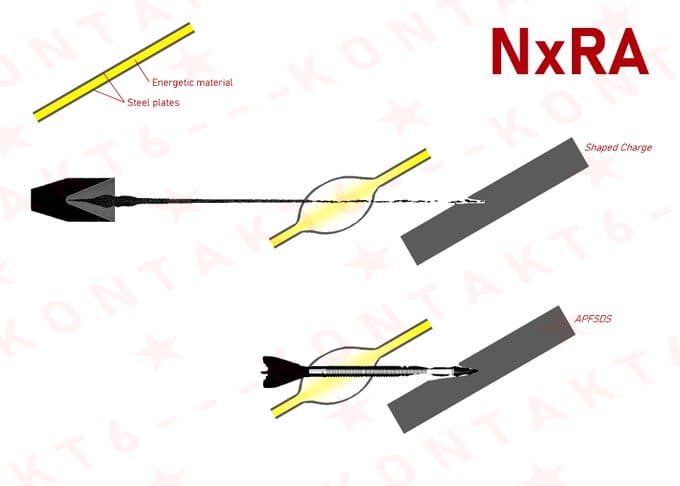
Non-explosive reactive armour (NERA) uses moving plates and elastic interlayers. When a shaped-charge jet strikes, the interlayer forces the plates into the jet’s path. This movement disrupts penetration without detonating any explosive material. The same broad logic also applies to NxRA (non-energetic reactive armour) systems. The process is a non-explosive motion, bulge, or transfer of mechanical energy. These systems reduce risk to nearby infantry and exposed sensors.
This aspect is important because infantry and tanks must work together closely in urban combat. Explosive reactive armour can also harm friendly troops. Damage to optics, antennas, remote weapon stations and APS components can also result. Plasan’s 2026 ATHENA concept is part of this trend. The ATHENA concept features a composite armour structure with an expanding interlayer. The idea is to disrupt shaped charge jets while avoiding the blast hazard of explosive reactive armour.
ERA Still Has Value
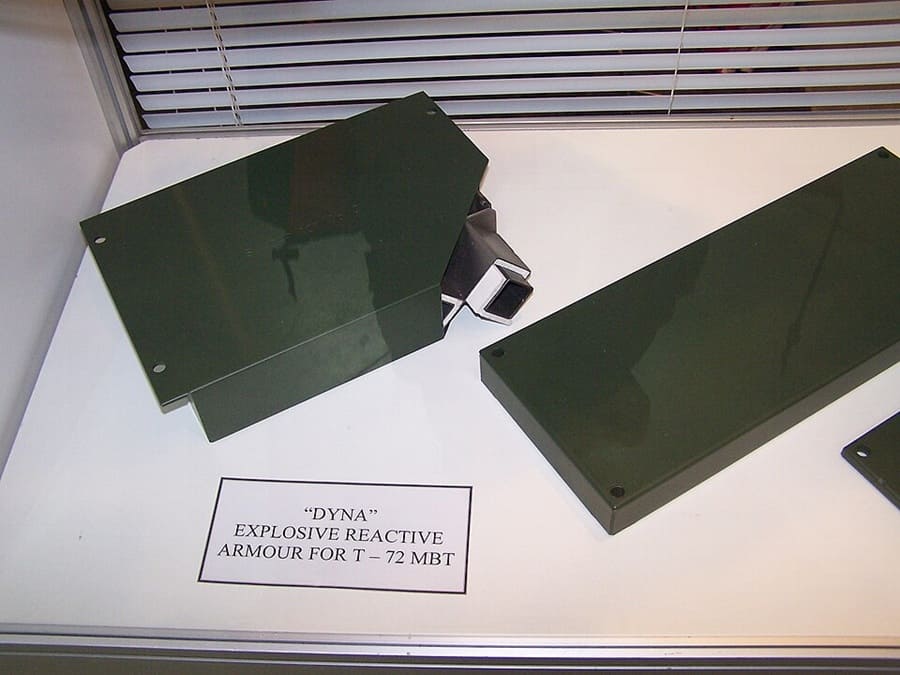
ERA is still relevant because it provides high protection for acceptable weight. It is still especially useful against RPGs, older ATGMs and some tandem-warhead threats. Advanced ERA attempts to defeat not only HEAT jets but also kinetic penetrators. But it comes with trade-offs. ERA detonations create danger areas. They also leave gaps in their armour after activation. If hit several times, the protected area may be breached.
Ukraine has shown one more problem. Drones often strike the roofs, engine decks and turret rings. ERA layouts of old tanks were not designed to withstand constant top-down attacks. Modern ERA therefore needs to be integrated with roof armour, screens, cages and active protection.
Ceramic Armour Saves Weight
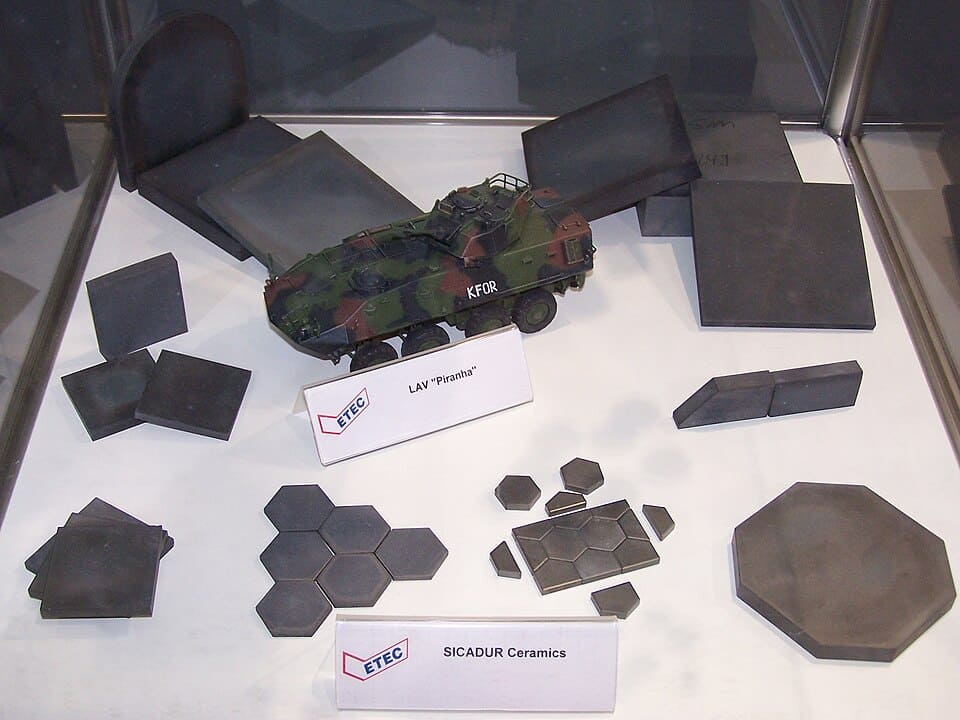
Even the most advanced armour packages still use ceramic armour. Common materials are alumina, silicon carbide and boron carbide. These ceramics are much harder than steel and have low density. By fracturing, blunting and eroding the penetrator, ceramics defeat threats. The backing layer catches fragments and dissipates the remaining energy. “It works best when designers match ceramic type, tile size, backing stiffness and impact angle.”
Boron carbide has high hardness and low weight. However, it can suffer brittle failure under extreme impact. Silicon carbide is a reasonable compromise between hardness, manufacturability and cost. Alumina is still heavier but a cheaper and mature one. Hybrid ceramic-composite stacks are the future. These combine ceramic strike faces, elastomeric layers, fibre-reinforced backing and metallic confinement.
APS Become Standard
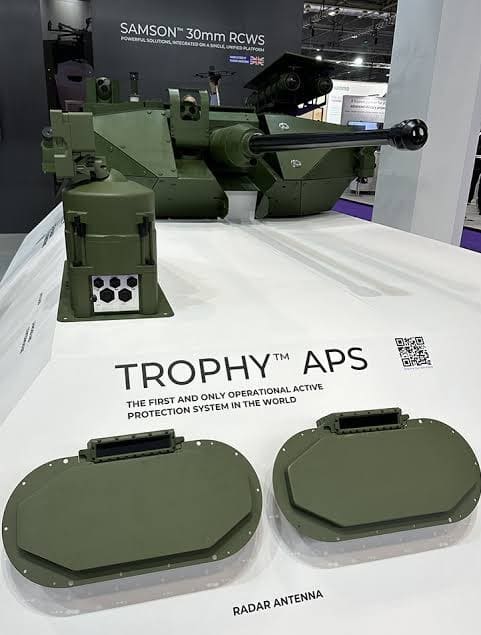
The newest tank armour focuses on active protection systems. APS intercepts incoming threats and defeats them before impact. This alters the survivability equation. Hard-kill APS employs radar, electro-optical sensors and interceptors. It destroys or destabilises incoming rockets, missiles or drones physically. Soft-kill APS employs smoke, infrared obscuration, laser warning receivers, jammers and decoys.
The Trophy is the best-known combat-proven system. For some NATO users, Trophy is now a standard protection layer for the Leopard 2A8. That matters because APS is transitioning from a special upgrade to a fleet baseline. Iron Fist is getting more and more important. Elbit says it is a hard-kill APS, providing 360 degree protection against rockets, ATGMs, UAS, loitering munitions and APFSDS ammunition. This makes it relevant for future U.S. armoured platforms.
StrikeShield and Active KE Protection
Another significant move comes from Rheinmetall’s StrikeShield. It has a modular architecture with integrated active and passive protection. The system is designed to neutralise threats that are very close to the vehicle. The KF51 Panther goes one step further. Rheinmetall says the Panther’s protection includes passive protection, sensor-based reactive protection, active protection, top attack protection and active KE protection.
The technical challenges of active KE protection systems are significant. APFSDS rounds are much faster than ATGMs. The system needs to be able to detect, calculate and engage in very short time frames. Even destabilising the penetrator can reduce its effectiveness. This is a significant point, because tanks still need protection from other tanks. Drones get the headlines, but the hardest frontal threat is still the APFSDS.
Top-Attack Defense Matters
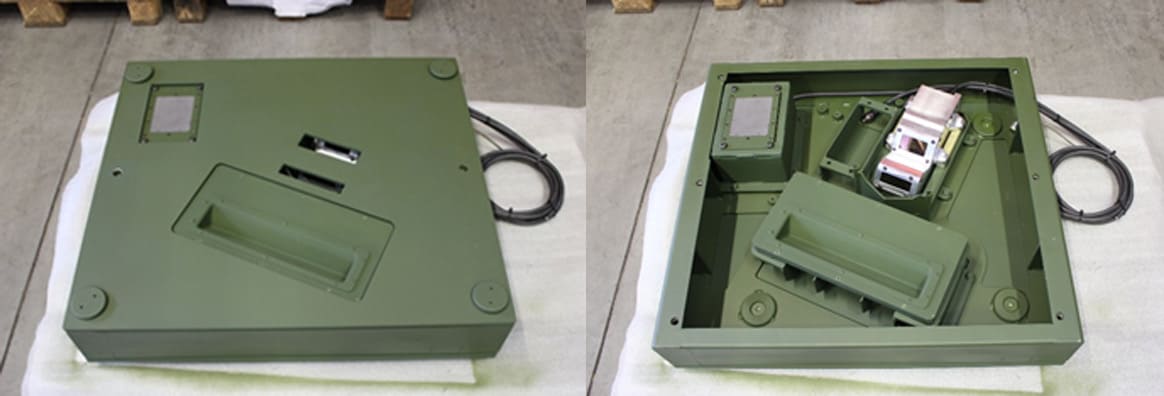
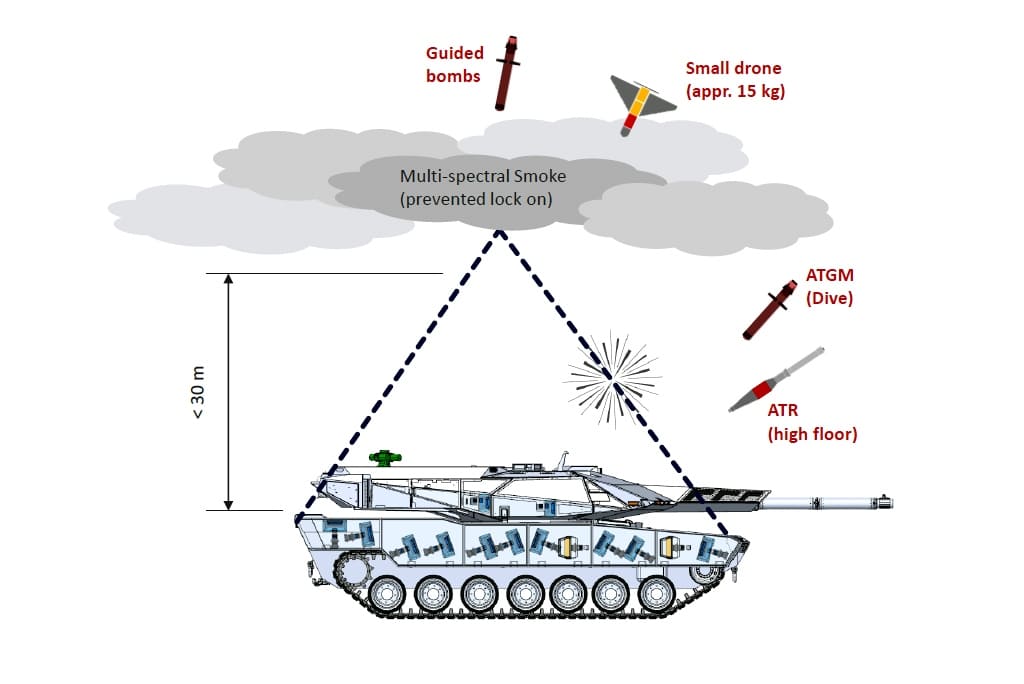
Historically weak threats of top attack. Most tanks have the thickest armour on the turret front and glacis, but roof armour remains thin because designers have historically focused on horizontal engagements. Roof armour remains thin, as designers have historically focused on horizontal engagements. Javelin, NLAW, loitering munitions, drone-dropped grenades and artillery submunitions all exploit this weakness. They attack hatches, turret tops, engine decks and ammo boxes.
The latest tank armour thus includes roof kits, overhead screens, fragment liners and top-attack APS coverage. Rheinmetall’s KF51 features a Top Attack Protection System. Plasan’s 2026 TAPS also addresses this very vulnerability. Improvised cages are crude, but they tell the same engineering story. Tanks require controlled stand-off above the roof. The next step is lightweight, modular and sensor-compatible overhead protection.
Anti-Drone Armour Rises
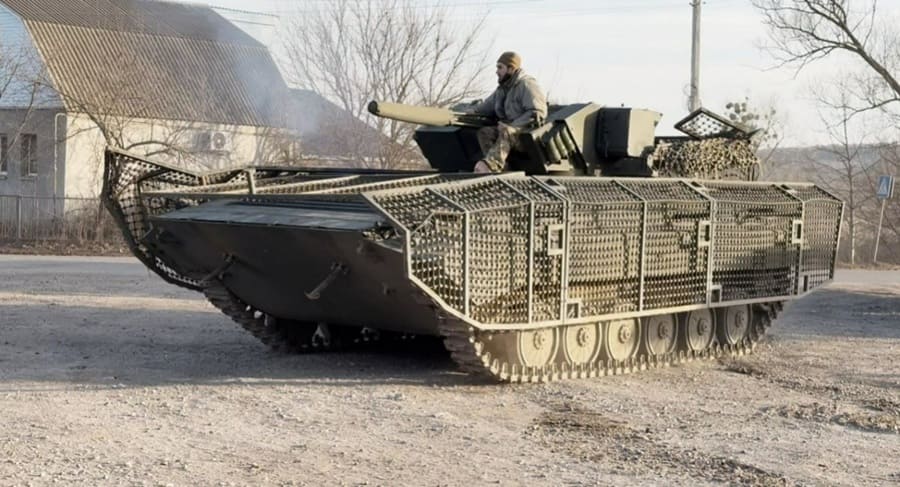
FPV drones have forced armies to rethink their armour. A cheap drone can hit optics, engine grilles, open hatches or turret rings. It does not have to win the frontal arc. Today, anti-drone armour has cages, nets, mesh tunnels, slat structures, rubber screens and “hedgehog” wire arrays. These systems attempt to prematurely detonate warheads, foul propellers or disrupt impact geometry.
However, they cause trouble. They add to the silhouette, restrict turret traverse, restrict visibility and hinder crew escape. Bad designs can also mess with APS radars, antennas and remote weapon stations. So, serious 2026 anti-drone armour needs to be engineered, not just welded together at random. It has to maintain sensor coverage, turret traverse, thermal management and emergency evacuation.
EW Joins Armour Stack
Electronic protection is now part of the tank’s armour. Drone jammers, GNSS spoofing resistance, laser warning receivers, acoustic sensors and radar warning receivers increase survivability before impact.
Electronic warfare is most effective against radio-controlled FPV drones. Meanwhile, fibre-optic drones reduce the effectiveness of jamming. That’s why physical nets and kinetic counter-drone weapons are making a comeback.
The correct answer is layered defence. At the route level, a tank needs EW, smoke, APS, remote weapon stations, drone detectors, overhead protection, and anti-drone nets. There is no system that can beat all drones.
Crew Protection Matters
Survivability does not stop at penetration. Internal spall liners mitigate fragments after impact. Blow-off panels vent ammunition explosions away from crew. Fire suppression systems reduce collateral damage. Newer tank concepts separate crew from ammunition more and more. Some designs are looking at unmanned turrets and armoured crew capsules.
This design protects the crew even if the turret is catastrophically damaged. The M1E3 Abrams concept is a manifestation of this thinking. The U.S. Army wants a lighter, more survivable tank with built-in protections instead of adding more weight. That is a major design change.
Mine and Blast Protection
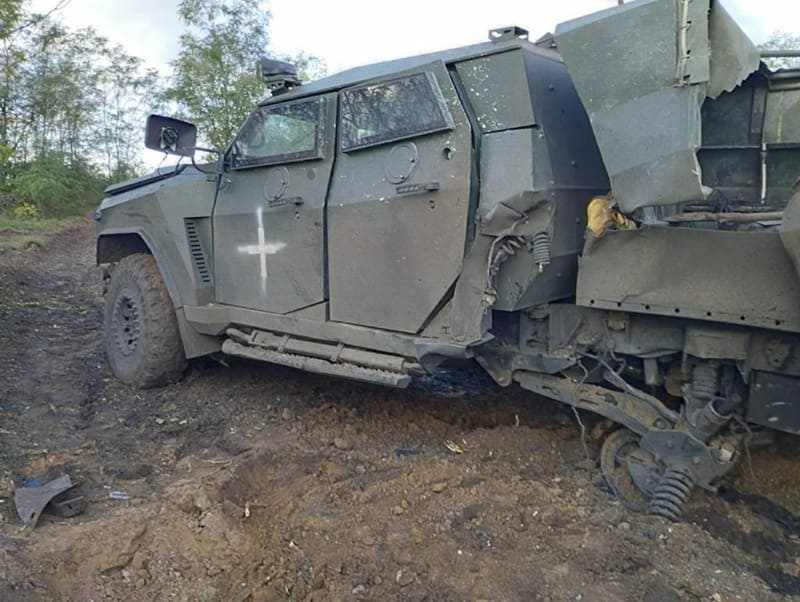
Mines still kill tanks by stopping them. Once immobilised, a tank is vulnerable to drones, artillery and follow-on ATGMs. Modern blast protection features include strengthened floors, suspended seats, energy-absorbing footrests and decoupled crew interfaces.
Plasan’s 2026 LAPS concept goes further. It detects a mine blast event and raises the occupant’s legs before the floor impulse arrives. This is crucial, as mine injuries often attack the lower limbs of the crew. The vehicle may survive the blast, but the crew may not be combat effective.
Signature Control Comes First
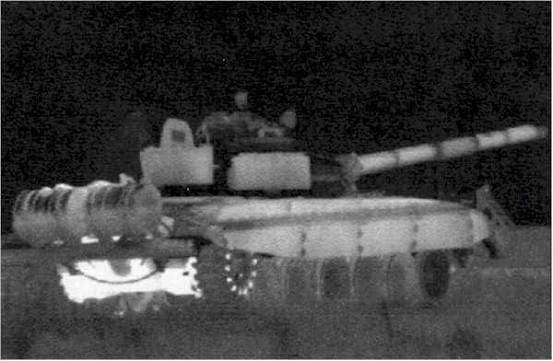
The best defence is to remain unseen. Multispectral camouflage minimises visual, thermal, infrared and radar signatures. Thermal management reduces contrast to the background. Smoke systems don’t only obscure human eyes — they can obscure sensors too. Modern tanks have to hide from drones, artillery radars, thermal sights and loitering munitions.
Signature management becomes a layer of survivability as important as armour thickness. Future armour packages may include heat-dissipating panels, adaptive camouflage, radar-absorbing covers, and low-signature APS placement. The designers have to reduce the electromagnetic and thermal footprint of the tank.
Power Shapes Protection
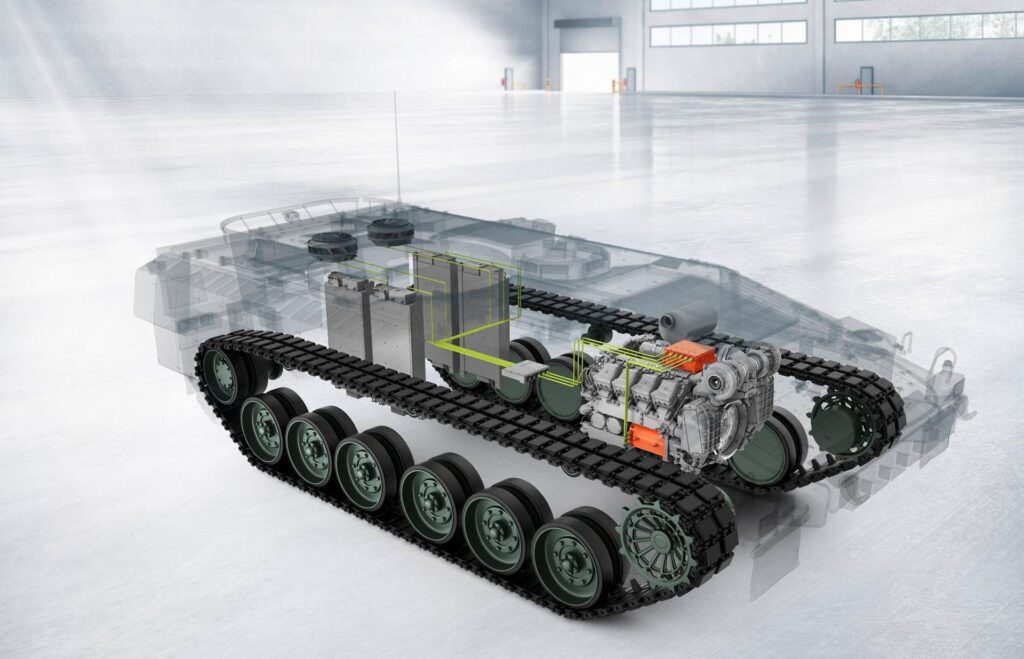
New protection systems need power. APS radars, jammers, sensors, battle management systems, active suspension and silent-watch systems all add to the electrical demand. And this is why hybrid powertrains are important. The MGCS development features a concept for a heavy tracked hybrid drive. Future tanks will need more electrical power for sensors, protection and networked warfare. Power is now a part of armour design. A dead battery can disable sensors, jammers, and APS. Steel alone will not keep a modern tank alive.
Strategic Assessment
The newest tank armour in 2026 is a layered survivability ecosystem. It includes passive mass, composites, ceramics, NERA, ERA, APS, soft-kill systems, roof protection, drone armour, EW, spall liners and signature management. The tank is not a relic. However, the old tank survivability model is out of date. The days when tanks relied on frontal armour and speed are over. It must sense first, hide better, intercept earlier and survive from multiple attack angles.
The main battle tanks of the future will look less like armoured boxes and more like sensor nodes with protection. Their armour will incorporate metal, ceramics, software, radar, AI, power electronics and electronic warfare. That is the real 2026 revolution. The latest tank armour is no longer just armour but a combat survival architecture that is now integrated. It is a combat survival architecture that is integrated.
References
- Rheinmetall — Panther KF51 Main Battle Tank
Useful for integrated survivability, active KE protection, TAPS, ROSY smoke, passive/reactive protection and digital architecture. - Elbit Systems — Iron Fist Active Protection System
Useful for 360-degree hard-kill APS protection against ATGMs, rockets, UAS, loitering munitions and APFSDS threats. - EuroTrophy / Leopard 2A8 Trophy APS Contract
Useful for Trophy APS becoming a standard survivability layer on new Leopard 2A8 fleets across NATO users. - EDR Magazine — Plasan ATHENA, TAPS and LAPS Systems
Useful for 2026 armour innovations covering shaped-charge defeat, top-attack protection and mine-blast leg protection.
About the Author