
USSR Kuznetsov NK-93 Propfan for Airlift
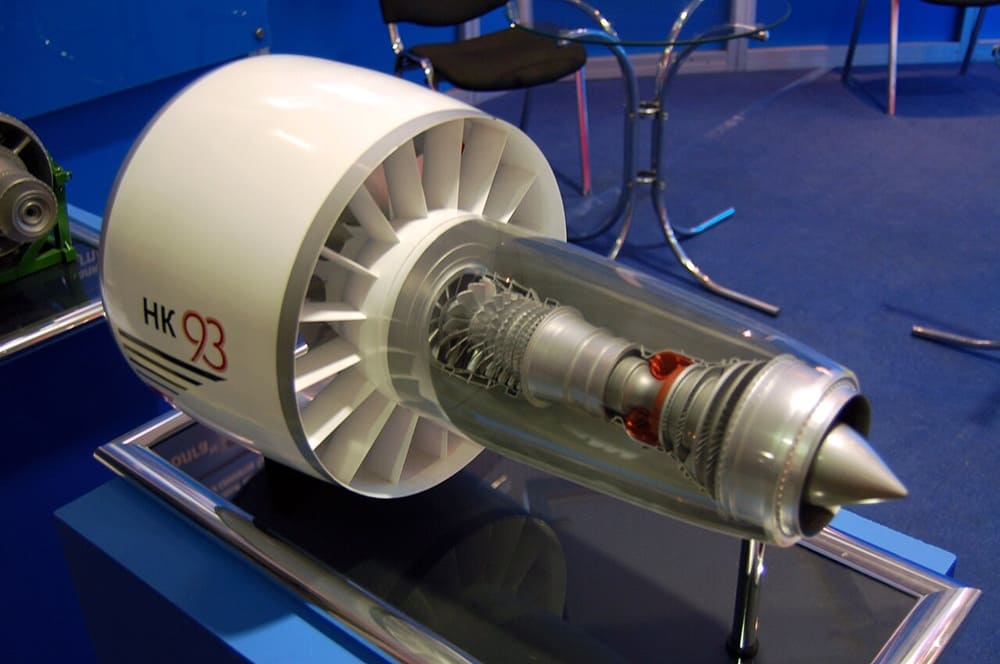
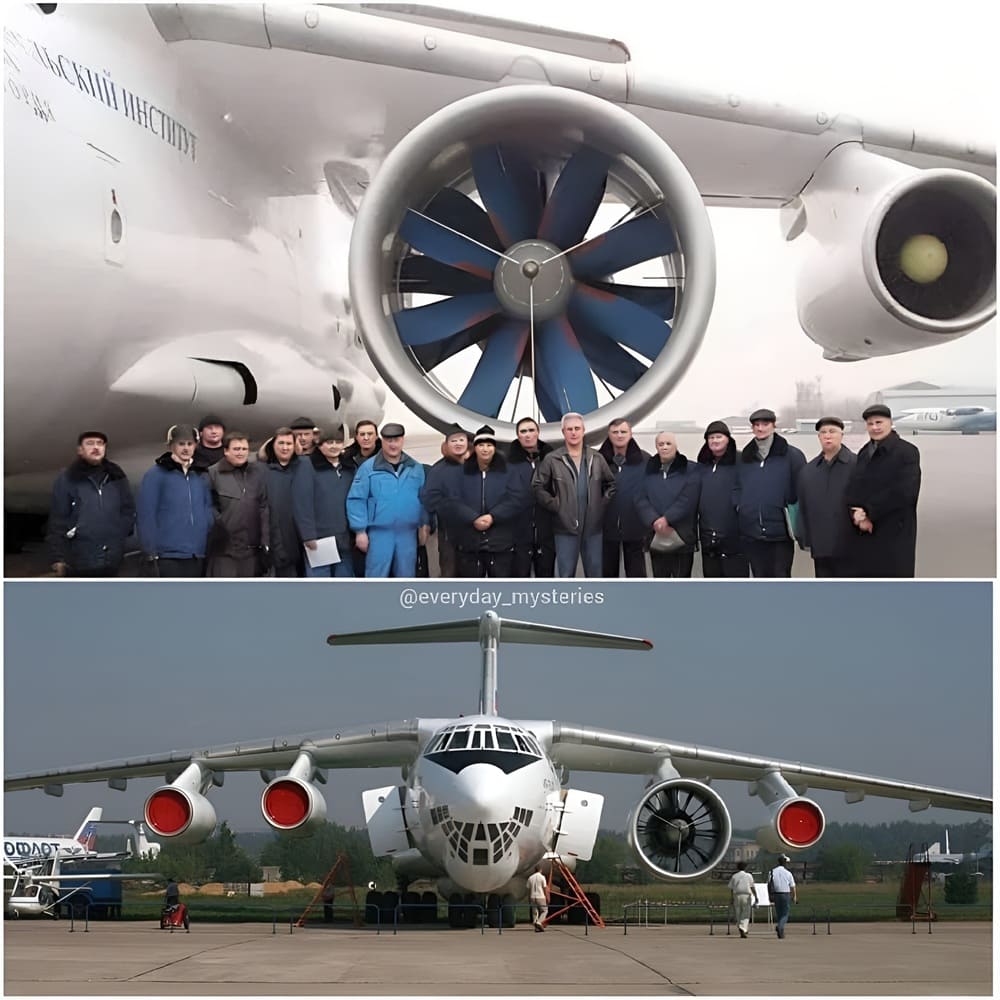
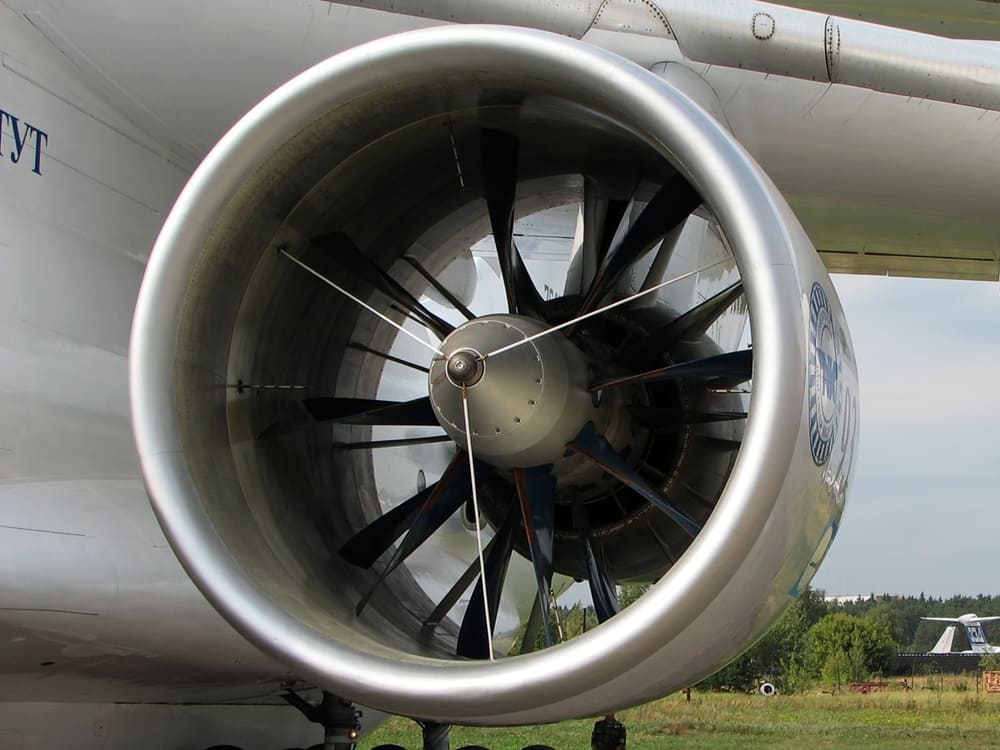
The USSR Kuznetsov NK-93 was a cool Soviet engine. A propfan that mixed the speed of a jet with the fuel efficiency of a turboprop. It was built in the 1980s. Performed amazingly well with a bypass ratio of over 16:1, which was way ahead of any commercial engine back then. Engineers thought it could reduce fuel use by 30% compared to engines. The NK-93 did have tests on an Il-76 test plane, and people liked how quiet it was and its futuristic look, but it never went into production. The project got cut because of funding problems, changes in politics, and the fall of the USSR. The NK-93 remains one of the “what ifs” in aviation history. An extremely efficient engine that came way too early.
NK-93 Propfan Still Important
Propulsion efficiency is really important for defense logistics to work well. The Kuznetsov NK-93 propfan mattered because it offered jet-like speed with turboprop-like fuel economy. That combination could have greatly improved airlift and ISR fleets. It had a bypass ratio of more than 16:1. It was also expected to cut fuel use by around 30%. As a result, aircraft could burn less fuel per flight hour. They could also fly longer distances without frequent refuelling. For military operators, this was a major advantage. Fewer fuel stops improve mobility and reduce operational risk. Crews could move faster, stay airborne longer, and carry more payload. The Kuznetsov NK-93 propfan was about making defense logistics better.
NK-93’s Propfan Twist
Propfans move an amount of air in a gentle way, not like the conventional turbofans. This means propfans are better at using energy because they make the air come out of the back slowly. The Kuznetsov NK-93 propfan has some features like a short cover and parts that turn in opposite directions with blades that can change their angle. It also has a gearbox to reduce the noise while still working well at high speeds that are not quite as fast as sound. This way of building the propfan keeps the things about how it is put together and makes sure the propfan does not get too loaded or spin too fast.
Range, Endurance, Payload
In theatre lift operations, saving a little bit of fuel adds up over many flights. So if the Kuznetsov NK-93 propfan were used, it would allow for flights without needing to refuel, or it would be possible to carry more cargo on routes where tanker capacity is limited.
Maritime patrol planes and ISR platforms also benefit. With efficiency at subsonic speeds, they can cover more area without having to cut their on-station time short. Tankers and special mission aircraft would be able to stay on their routes for periods of time at similar speeds, which would reduce the strain on the limited number of refuelling assets.
Quietness, Signatures, Basing
Propfans had a reputation for being noisy. Test flights on the Il-76LL showed that they are actually quite quiet. The Kuznetsov NK-93 propfan was designed to reduce noise. It used a blade shape, adjustable pitch, and partial covering to make the sound smoother.
When propfans are quieter, they can be used at airports. This makes it harder for them to be attacked and improves their ability to survive. Also, propfans, with fuel efficiency, might be harder to detect using infrared sensors. However, the large spinning part of the propfan can show up on radar. So the plane’s design needs to include shielding to block that.
Airframes and Maintenance Realities
Diameter contra-rotating fans bring in extra loads on the gearbox, torsion, and special vibration issues. Still having a variable pitch system allows for control of thrust, quick reversal in short fields, and efficient cruising at low power. Putting the Kuznetsov NK-93 propfan on planes in the Il-76 family would need stronger pylons, specially designed mounts, and advanced digital controls that handle sudden changes, gearbox temperatures, and blade angles.
Fuel Savings as Combat Power
In situations involving getting supplies, fuel is a big problem. The Kuznetsov NK-93 propfan was supposed to use a lot of fuel, which would have meant we needed fewer fuel trucks, less storage space, and less help from airplanes that bring us fuel.
This would have been really helpful because we could have used the money we saved to do surveillance or send out more supplies. Over time it would have also cost less to keep our planes in the air so we could have used that money to buy sensors, electronic warfare kits, and ways to keep our planes safe.
Why NK-93 Never Fielded
The physics part was okay. The politics part did not work out. The program was fine when it was being tested on the ground and when it was taking flights, but after the Soviet Union was gone, there was not enough money to keep it going, and they did not have a special plane to launch it from, so it never got certified or made.
The Kuznetsov NK-93 propfan is an example to learn from: it shows that you should connect the engine to the main plane early on, keep getting money while you are getting certified, and make sure that the new engine technology is what you need to do your job so the Kuznetsov NK-93 propfan can do its thing quickly.
2030s Open-Fan Revival
Today people are doing research on propeller fans that are open. They are using materials and special computers to study air and digital controls. This research is trying to fix problems that we had with fans in the 1980s. So the people who make the frames of planes can now make fans like the NK-93. With less noise in the cabin, they will be okay to use.
The people in the military should think about what they need from these fans. They should think about how fast they want the planes to go, how quiet they want them to be, how well they work on runways, and how strong the fan covers are. If we can make a fan, like the Kuznetsov NK-93, it could change the way we do a lot of things, like moving big things from one place to another, watching things from the air, and giving planes more fuel. The new fan could make all these things more affordable.
Defense Procurement Priorities
Program success depends on some decisions. First combine the engine with an airlifter or maritime patrol platform right from the start. This is a step. Second, make sure the base is set up to handle noise and debris by including these needs in the requirements. Third, set aside money for maintaining the gearbox and blade actuation. Also count on saving on fuel costs. Lower fuel bills are a plus. Finally, offer incentives for certifications that are easy to export so that more countries can work together. This commonality is key to success. The engine and airlifter or maritime patrol platform must work together. Budgeting for maintenance is vital. Export-friendly certifications help.
The Enduring “What If”
The Kuznetsov NK-93 propfan was developed decades ago, but its basic concept still has strong operational merit. However, defense planners still need long-range aircraft that don’t require heavy fuel. Because of this, the Kuznetsov NK-93 propfan is still a fascinating engine concept. Its goal was to reach near-jet speed with greater fuel efficiency than traditional turbofans. This balance could provide support for airlift, patrol, and ISR missions over larger ranges. As demand for fuel declines, aircraft can carry more payload, have more flexibility, and have more endurance. This makes the Kuznetsov NK-93 propfan viable for modern military logistics and long-range operations.
References
- https://www.redstar.gr/en/russian-aerial-means/aero-engines/kuznetsov-nk-93-propfan-engine.html
- https://www.redstar.gr/en/russian-aerial-means/aircraft/ilyushin/il-76ll-the-flying-test-bed-for-the-sam146-engine.html
- https://www.nasa.gov/centers/glenn/technology/open-rotor/
- https://www.beatson.co.uk/industrial-fans/axial/high-pressure-contra-rotating-axial-fans/
- https://ssau.ru/english/news/21197-uec-hands-over-a-full-size-mockup-of-a-unique-engine-to-samara-university
About the Author