

Russian Zone-Effect Space Weapon — Starlink at Risk
NATO Warns of Orbital Pellet Cloud
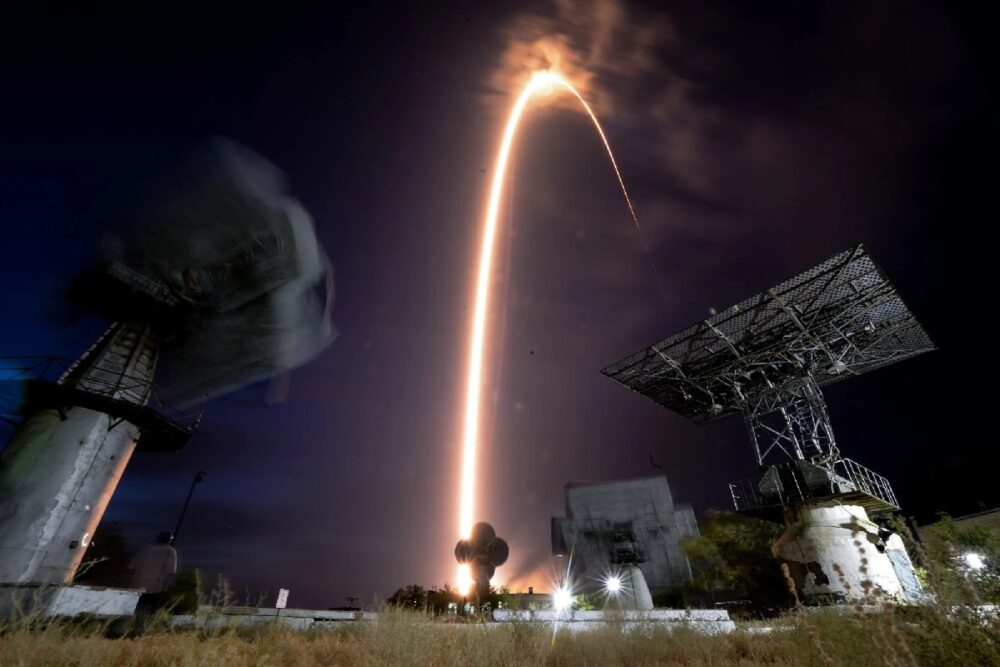
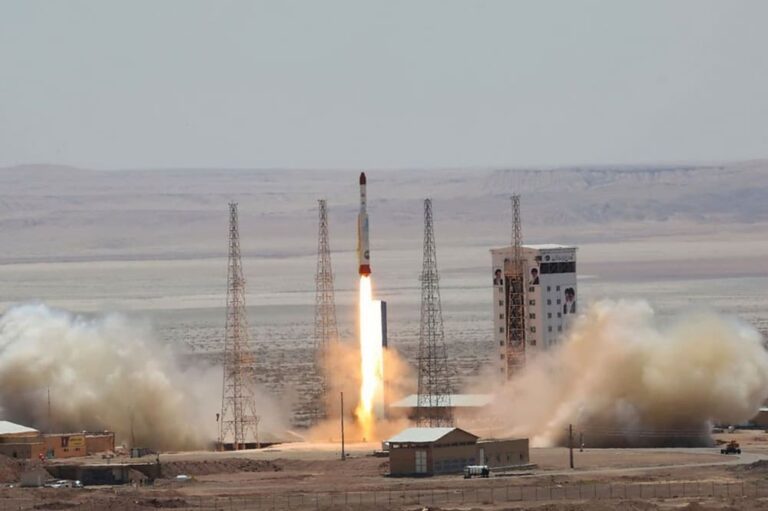
Two NATO-nation intelligence services reportedly suspect Russia is developing a new anti-satellite concept aimed at SpaceX’s Starlink constellation. The findings, shared with the Associated Press, describe a “zone-effect” approach: scatter hundreds of thousands of high-density pellets into Starlink’s orbital band, then let physics do the rest. Each pellet is really small, a few millimetres big. When these pellets are moving really fast in space, they can still cause a lot of damage.
They can hurt the sensors, cut the wires, and even tear up the panels. So the main goal of this idea is to ensure everything continues to work, not to make a show. These pellets ensure the spacecraft can do its job, not just look cool. The purpose of these pellets is to keep the spacecraft safe and operational; that is their intended function.
Silent Satellite Killers
A pellet does not have to hit a satellite so hard that it breaks into pieces to stop it from working. It can just make a hole in the radiators. Damage the power systems. People who study these issues also think that solar panels are a problem because they are large and can break easily. The information that is available to everyone already shows that even small hits can be a problem. There was a report about a piece of debris that might have hit a Chinese spacecraft that was supposed to bring three astronauts back to Earth. This example makes the people in charge cautious about any pieces of debris that are difficult to track.
Moscow vs Starlink
Starlink is really helping Ukraine with their communications on the battlefield. It helps their units work together and target the things when Russia is trying to stop them from using the ground networks. Some people who work with NATO said that the Starlink satellites are a problem for Russia. They think it is a threat to what Russia is trying to do. So Russian officials have said many times that if commercial satellites like Starlink are helping Ukraine, then they might become targets too. Starlink is still supporting Ukraine. This is crucial for the Russian military.
Debris Spreads Beyond the Target
The same thing that makes this idea appealing. Area effects. Also makes it risky. You can’t easily control a cloud of pellets so it only hits Starlink. Analysts warn that a messy release could affect everything in an area. Such an event could impact the orbital zone. Starlink usually orbits 550 kilometres or 340 miles, above the Earth.
The Tiangong station and the International Space Station orbit lower, yet analysts still flagged risk as pellets decay and drift down over time. Therefore, a strike meant to deny one service could spill over into wider, long-lasting space disruption. That blowback risk fuels skepticism. Victoria Samson of the Secure World Foundation said she would feel surprised if Russia chose an option that could also cut off its access to space.
Russian “Zone-Effect” vs other countries
| Country | System/example | “Zone-effect” mechanism | Intent (as reported) | Orbit/altitude context | Key takeaway |
|---|---|---|---|---|---|
| Russia (alleged) | “Zone-effect” pellet cloud concept (often discussed in relation to Starlink) | Disperses hundreds of thousands of millimetre-scale dense pellets to cause widespread impact damage | Claimed as deliberate area-effect | Reported focus on LEO constellation shells (often cited around ~550 km) | Hard to attribute, but high risk of collateral damage and self-harm |
| USSR (historic) | Co-orbital ASAT interceptor (Istrebitel Sputnikov lineage) | Co-orbital approach followed by detonation creating a local shrapnel kill zone | Yes (local area effect) | LEO co-orbital engagement | Effective locally, but generates hazardous fragments |
| Russia | Direct-ascent ASAT intercept (example: 2021 event) | Kinetic hit generates a large debris cloud that increases collision risk | Area effect is a consequence | LEO: debris spreads across nearby orbital bands | Creates widespread hazard, but not “quiet” or deniable |
| United States | Direct-ascent ASAT test (example: 1985 event) | Kinetic intercept creates a temporary debris cloud | Area effect is a consequence | LEO is often cited around ~555 km | Debris risk can persist depending on altitude |
| United States | Low-altitude intercept (example: 2008 event) | Kinetic intercept creates shorter-lived debris due to lower altitude | Area effect is a consequence | Low LEO (often cited around ~270 km) | Lower altitude reduces long-term debris persistence |
| China | Direct-ascent ASAT test (example: 2007 event) | Kinetic intercept produces a massive, long-lived debris field | The area effect is a consequence. | Higher Low Earth Orbit (LEO) is often cited at approximately 865 km. | Long persistence makes the “zone” hazardous for years |
| India | Direct-ascent ASAT test (example: 2019 event) | Kinetic intercept creates debris, designed for faster decay via lower-altitude engagement | Area effect is a consequence | Low LEO | Debris decays faster than higher-altitude tests, but still creates risk |
Inside Russia’s Counterspace Arsenal
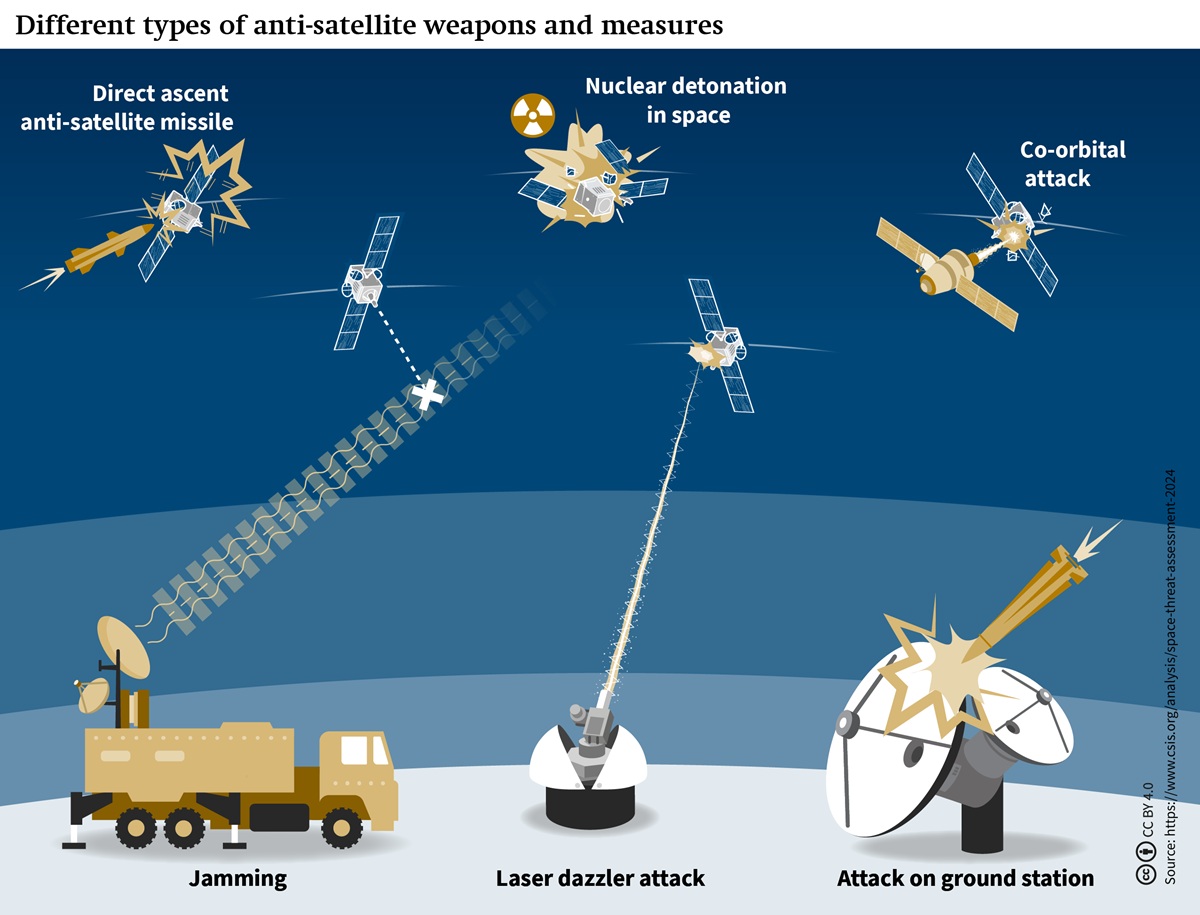
If Russia ever fielded a Russian zone-effect space weapon, it would sit alongside more familiar counterspace tools. Russia has already demonstrated direct-ascent ASAT capability; in 2021 it destroyed a defunct satellite and generated a debris field. This month, Russia also said it has fielded the S-500 and described it as capable against low-orbit targets. The zone-effect idea is really about being unclear and scary. Clayton Swope said the zone effect is like a weapon that makes people afraid because it shows we are willing to cause trouble in space even if we are not sure if we will actually do it. The zone effect is a way to make people think we might do something intense. That is what makes it so scary.
Key Signals
Because the reporting says the system remains in development, look for practical indicators rather than rhetoric:
- Unusual launches of small satellites that could dispense pellets.
- Anomaly clusters or damage patterns in specific orbital shells.
- The new policy messaging explicitly targets commercial constellations.
Conclusion
The Russian zone-effect pellet idea shows that the orbital networks we have today are not safe. Some people believe this idea will not be used. It still shows that people are considering new ways to fight in space that are difficult to stop. Because of these developments, the military and companies that use satellites should make their systems stronger, improve their ability to track better at tracking things, and have plans for communicating in case something bad happens. This way they will be ready if there is a problem with the orbital networks. The idea of the Russian zone-effect pellet is a significant development, and people should pay attention to it.
References
- https://apnews.com/article/russia-starlink-musk-ukraine-space-china-canada-c69c1fda5ffc93828712ab723e606a2c
- https://www.pbs.org/newshour/world/intelligence-agencies-suspect-russia-is-developing-anti-satellite-weapon-to-target-starlink-service
- https://www.csis.org/analysis/space-threat-assessment-2025
- https://www.swfound.org/publications-and-reports/2025-global-counterspace-capab
About the Author

1 thought on “Russian Zone-Effect Space Weapon — Starlink at Risk”