
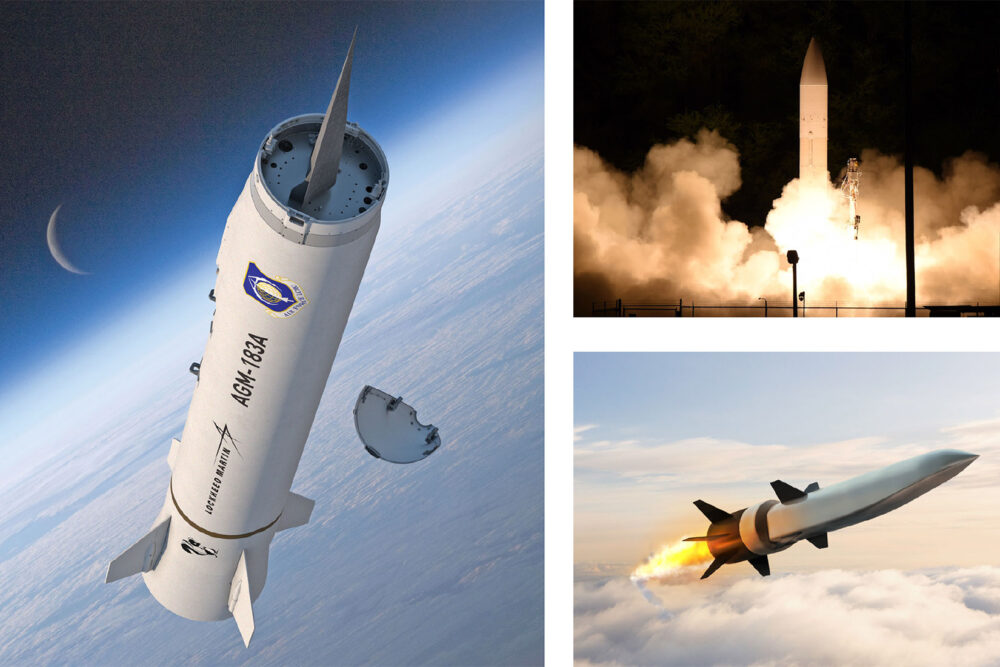
Hypersonic Missiles
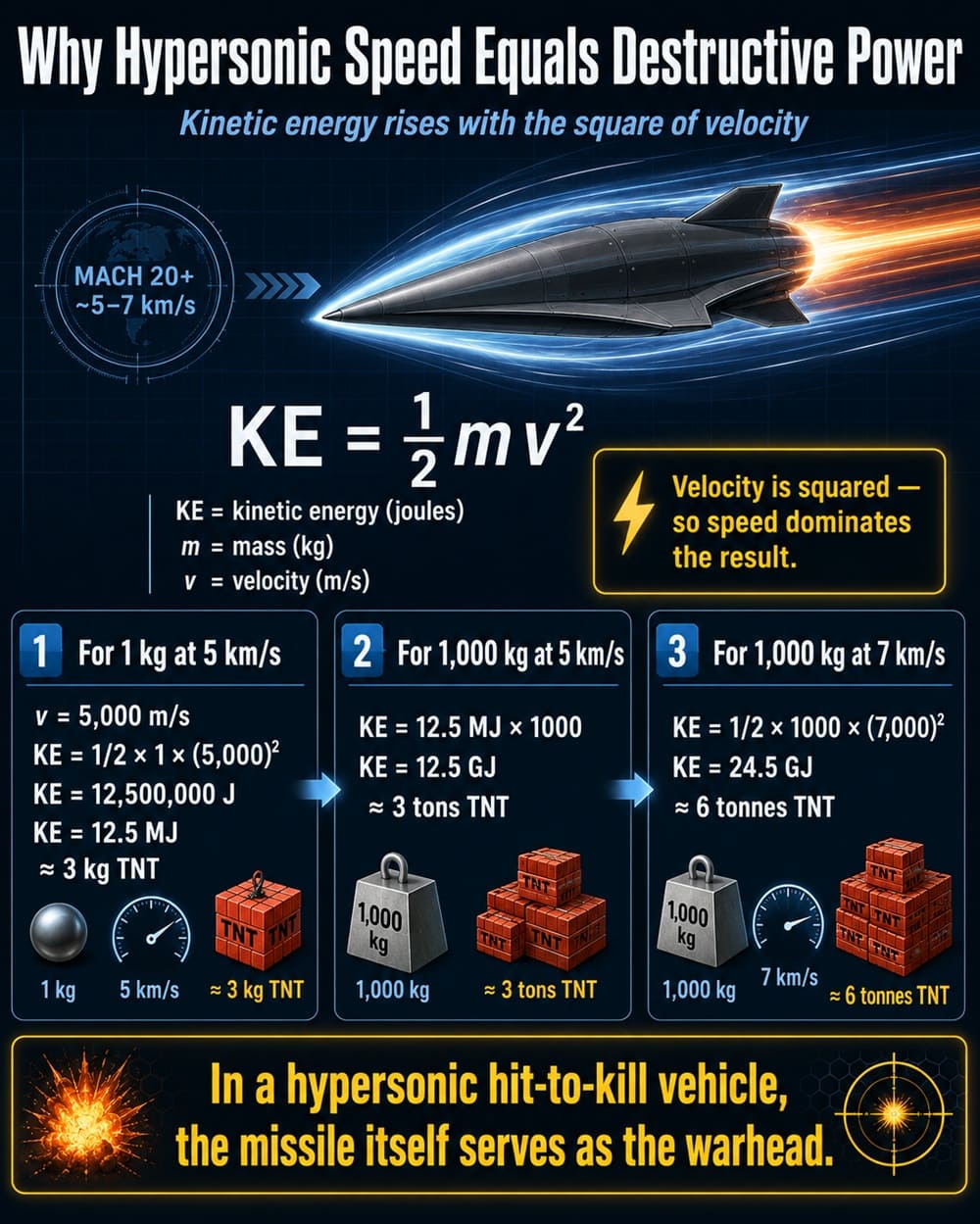
Hypersonic flight speed equals destructive power. The simple formula, KE = 1/2 m v², explains why. The velocity squared. So the result is dominated by the velocity. At 5 km/s each kg has ~ 12.5 MJ—about the blast of 3 kg of TNT.
A 1000 kg body at that speed releases ~12.5 GJ, or about 3 tonnes of TNT equivalent. At 7 km/sec, this figure is approximately 24.5 GJ (about 6 tonnes of TNT equivalent). In a hypersonic hit-to-kill vehicle, the missile itself serves as the warhead.
Missile without Warhead
It removes explosives, which reduces the storage risk and makes it easier to handle. It minimises logistics overhead and enhances safety cases for hosts. Furthermore, designers can add volume and mass to thermal protection, sensors, and guidance instead of to fuzes and fillers. This in turn leads to increased resilience and accuracy. Finally, after the strike, less contamination is observed. No unexploded ordnance, but there may be debris and fires.
Cause of damage?
1) Crater Damage & Failure
“When it hits, the nose takes a lot of pressure on a small area.” Concrete crumbles, steel plates are torn apart, and composite decks delaminate. Shock and fragment spray can strip radomes and sensor faces even on near misses.
2) Spall and fragmentation
The shock waves bounce back in the target and eject shards at high speed. Racks and cabling and power converters go down in violent pulses. The mission systems usually die before the hull does.
3) Thermal effects
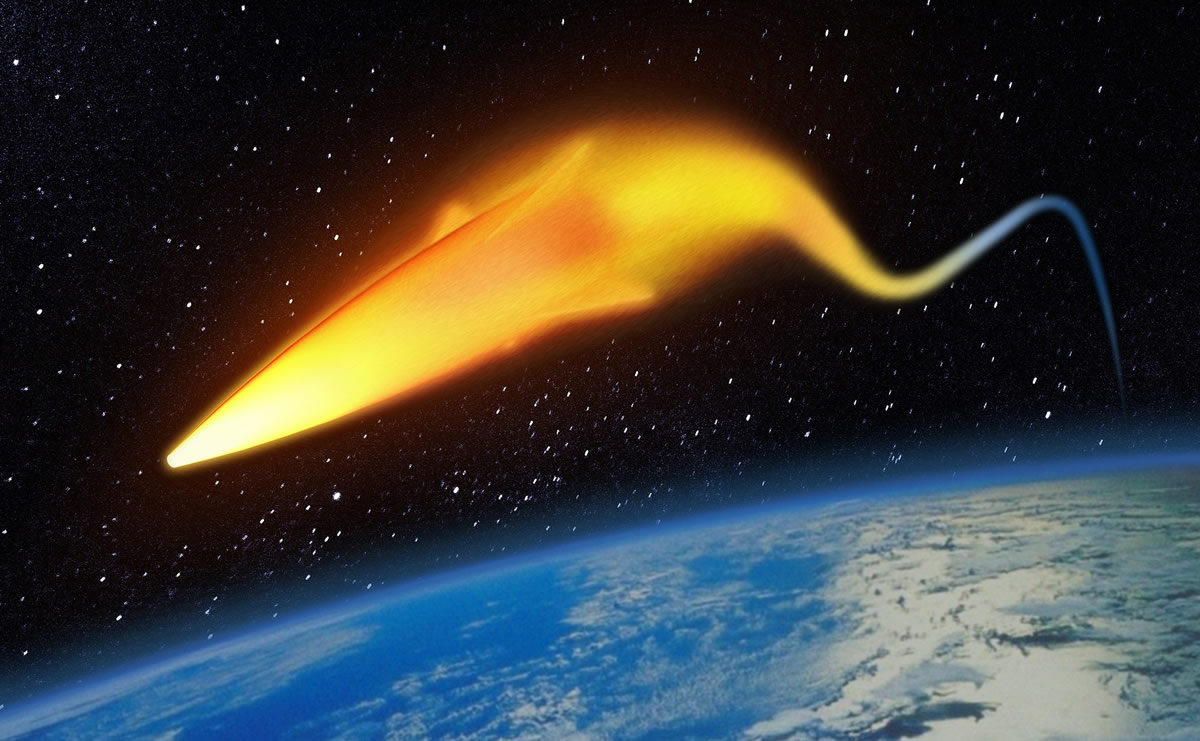
Hypersonic flight generates a hot boundary layer and surface ablation. At impact, the kinetic energy is converted to heat, igniting fuels and lubricants. Secondary fires may occur in hangars, ship compartments, or shelters.
4) Penetration Mechanics
Long dense penetrators, such as tungsten alloys, carbon-carbon, or ultra-high-temperature ceramics, have better shape retention and can achieve greater penetration. They hammered at the volumes, attacking the hardened C2 nodes and aircraft shelters.
Bottom line: For a hypersonic hit-to-kill round, lethality comes from momentum, spall and heat directed to a point aimpoint.
Accuracy Over Explosives
- Explosives: for a few metres of error. But not kinetic effects. So the main problem is the accuracy of the terminal.
- Guidance and sensing: Designers combine inertial navigation with stellar or GNSS mid-course updates and then switch to radar, imaging infrared, or scene-matching optical correlation in the endgame. Seekers should be employed in plasma sheaths and hot flow fields.
- Aero-thermal design: Heating is reduced by blunt leading edges. High dynamic pressure control of strakes, chines and body flaps Materials should not deform under extreme thermal loads.
- Actuators and control laws: Vehicles will have to be able to make high-g corrections in dense air without breaking up, with authority on the millisecond time scale.
- Data links and autonomy: In case of RF blackout, the predictive guidance has to fill in the gap. The vehicle snatches again, diving straight for the aimpoint.
This stack transforms hypersonic hit-to-kill technology from a propulsion-focused approach into a success based on software and materials.
Where Kinetic Energy Wins
Warships
A direct hit is terrible news because it can totally ruin the sensors on top of the ship. Such an impact can also hurt the parts that launch missiles and make it harder to put out fires. A strike on the flight deck, elevators, or mission bays can end the mission instantly even if the ship survives.
To make things worse, if there are more shots, the attackers can exploit the broken sensors and malfunctioning damage control. A hit like that puts the ship in serious trouble, as follow-up shots can keep damaging its broken sensors and weakened damage-control systems.
Runways and airbases
Fast kinetic craterings shut down runways. Re-attacks and re-crater fixers swarmed the rapid runway repair teams. Secondary strikes can damage arresting gear, fuel lines, shelters, and parked aircraft.
Radars and C2
Large exposed faces are radar-visible. Delicate. A hit can wreck arrays, power conditioning gear, and cooling. The protected sector can be ‘blind’ in minutes’
Infrastructure
Momentum damage can hit bridges, fuel depots, transformer farms, and port cranes. Custom parts can sometimes mean longer repair times.
Hardened Sites: Caveats
Hypersonic long-rod penetrators can punch through a lot (but not all) hardened structures. You may need to strike hard and deep, targeting shock-isolated facilities in multiple axes or sequentially.
Defender Countermeasures
- Disperse and decoy: If you can hide, move often, and have genuine decoys, you raise the cost per effect for the attacker.
- Harden smarter: Sacrificial panels, layered doors, and sand and foam shock absorbers reduce internal spalling. Survivability rack shock mount separation
- Active defense: Point-defense interceptors and non-kinetic dazzlers can jam seekers or damage control surfaces to reduce terminal accuracy. But the incurred cost is overwhelming.
- Rapid repair: Pre-positioned runway kits, modular radar panels, and spare power modules blunt recovery time and operational payoff.
Strategic & Legal Impact
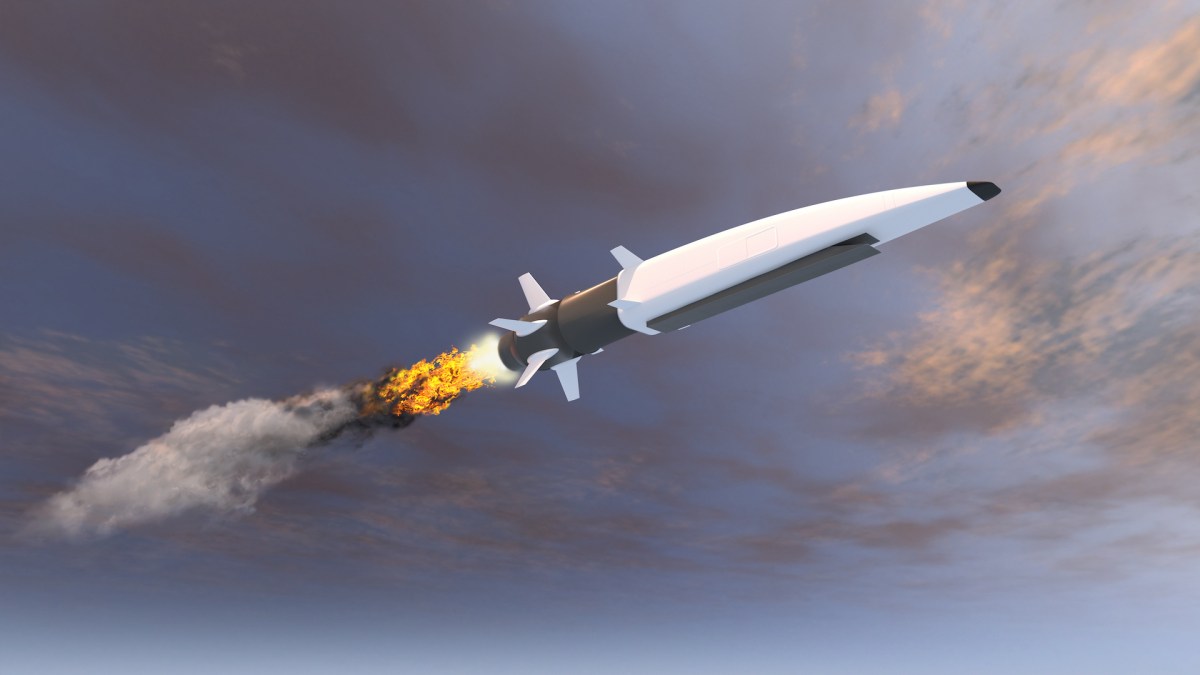
A strike that is not explosive can still be critical. The shape of some flights is similar to systems, and this can increase the risk of things getting worse. Test vehicles can look very similar to the real thing, making it difficult for people to tell them apart and count how many there are.
Commanders have to think about being fair and making choices like the Law of Armed Conflict says. Using kinetic solutions can make some things safer, but there can still be problems, like debris and fires, and things can keep getting worse, even if they lower collateral damage.
Key Engineering Trade-Offs
- Mass budgeting: More structure and heat shielding. This increases survivability and penetration but might reduce range unless you up the propulsion margins.
- Seeker hardening: Windows and apertures must endure searing heat without distorting imagery or absorbing vital RF/IR energy.
- Terminal maneuvers vs. drag: aggressive weaving improves survivability and accuracy but spikes heating and shortens reach.
- Cost per shot: Materials for high-temperature, accurate actuators and detailed testing are expensive. But one mission kill can justify a favorable price exchange.
Kinetic vs Explosive Warheads
Explosive warheads give you a mix of blast and fragmentation effects over an area even when the missile is not right on target. These warheads are special because they are the kinetic hypersonics that can hit a target with precision and do not have many complicated parts. They are also very safe to carry around and do not have many fuses.
When you are trying to hit a target, like a sensor on a ship or a radar array, a kinetic energy warhead is very effective. Warheads that use energy are exceptionally effective at hitting small targets, like the parts of a runway. If the target is a large area, forces can still use a conventional explosive warhead, which fragments on impact. They can also choose a submunition warhead, which disperses smaller bomblets over the target area.
For example, militaries often mix simple fragmentation warheads with direct-hit penetrator warheads. This combination provides strike package flexibility, reduces logistical complexity, and allows commanders to target both soft areas and hardened point targets.
Conclusion
The missile is a fast warhead. Its speed turns its mass into an impact able to destroy runways, ruin radar systems, and disable ships without using explosives. The main issue is getting the speed and accuracy right. We need materials that can withstand the heat, guidance systems that stay in control, and control systems that don’t fail at the last second. If we achieve those things right, then fast hit-to-kill missiles become a clean, powerful, and crucial tool.
References
- https://www.sciencedirect.com/science/article/abs/pii/S0167663623000108
- https://crsreports.congress.gov/product/pdf/R/R45811
- https://www.rand.org/topics/hypersonic-weapons.html
- https://apps.dtic.mil/sti/tr/pdf/ADA364868.pdf
- https://cat-uxo.com/explosive-hazards/submunitions
About the Author



1 thought on “Hypersonic Missiles Without Warheads — Decisive Kinetic Effects”