
How Abrams Crushed Iraqi ‘Lions of Babylon’
The Iraqi Republican Guard, Saddam Hussein’s elite military force, was known as the “Lions of Babylon.” The Republican Guards instilled fear and respect and played a critical role in defending Iraq’s sovereignty. It was one of the most powerful military forces in the area. However, in the 2003 Iraq War, the U.S. Army deployed this force against a technological giant: the M1 Abrams tanks. These modern war machines proved decisive in the swift defeat of the Republican Guard, providing a tipping point in favour of the U.S.-led coalition. In this article we will see how the Abrams tanks defeated the “Lions of Babylon” and how the outcome changed the course of the war.
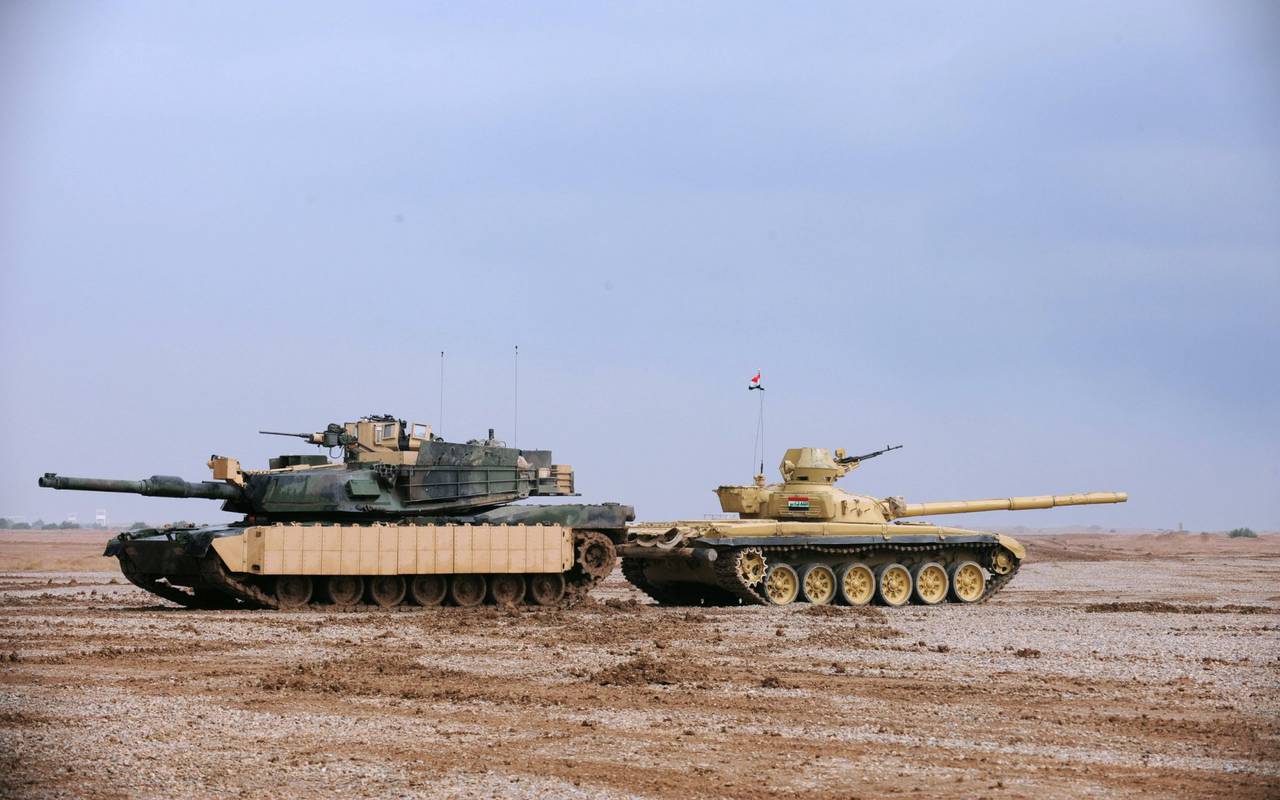
The Republican Guard
Saddam Hussein created the Iraqi Republican Guard as an elite force to protect his regime and to control the country. The Republican Guard, an elite force of soldiers armed with the latest Soviet weapons, was responsible for defending Iraq from internal and external threats. It was not part of the regular Iraqi army and was fanatically loyal to Saddam Hussein himself.
The Republican Guard had acquired an impressive reputation over years, particularly after its performance in the Iran-Iraq War and the Gulf war of 1991. The Republican Guard was prestigious and had a formidable reputation, but during the 2003 Iraq War, the firepower, training and leadership of the Republican Guard could not match the advanced military technology of the United States.
The Power of the M1 Abrams
The M1 Abrams tank is one of the world’s most advanced battle tanks and a cornerstone of U.S. military strategy. The M1 Abrams was first deployed in 1980, a symbol of U.S. military strength. It has a powerful 120mm smoothbore gun, capable of firing both high-explosive and armour-piercing rounds. The composite armour affords it protection against most anti-tank weapons and is superior to the older Soviet-era systems used by the Republican Guard.
The Abrams, however, stood apart because it incorporated the most advanced technology available. Its integrated targeting systems enable crews to identify and destroy enemy vehicles at long ranges, often before the enemies can return fire. “Its speed, agility and complex fire-control systems made it a force multiplier on the battlefield. The Abrams armour and gas turbine engine also meant that the tank could operate in the worst conditions, including the extreme heat of the Iraqi desert.
The Shock and Awe Campaign
When U.S. and coalition forces invaded Iraq in March 2003, they used a military strategy called “shock and awe.” Invasions would be so fast and overwhelming that they would simply outgun the Iraqi military. M1 Abrams tanks, air strikes and artillery bombardments supported the ground forces spearheaded by the 3rd Infantry Division.
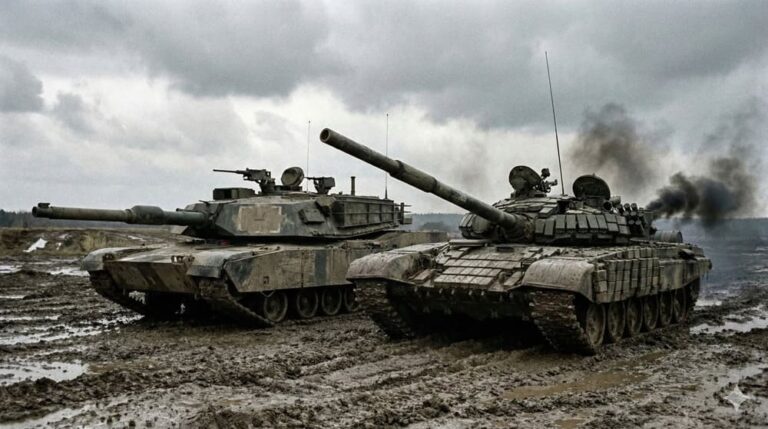
The Republican Guard, the main obstacle to the U.S. forces’ advance to the north, lined the roads to Baghdad. The Republican Guard, believing it could hold back the tide of invaders, tried to put up stiff resistance. However, they soon learnt the wonderful power of the Abrams tanks. The Iraqis had many T-72 tanks and large guns made by the Soviet Union, but the American tanks had greater firepower and more units in the field, making them more effective.
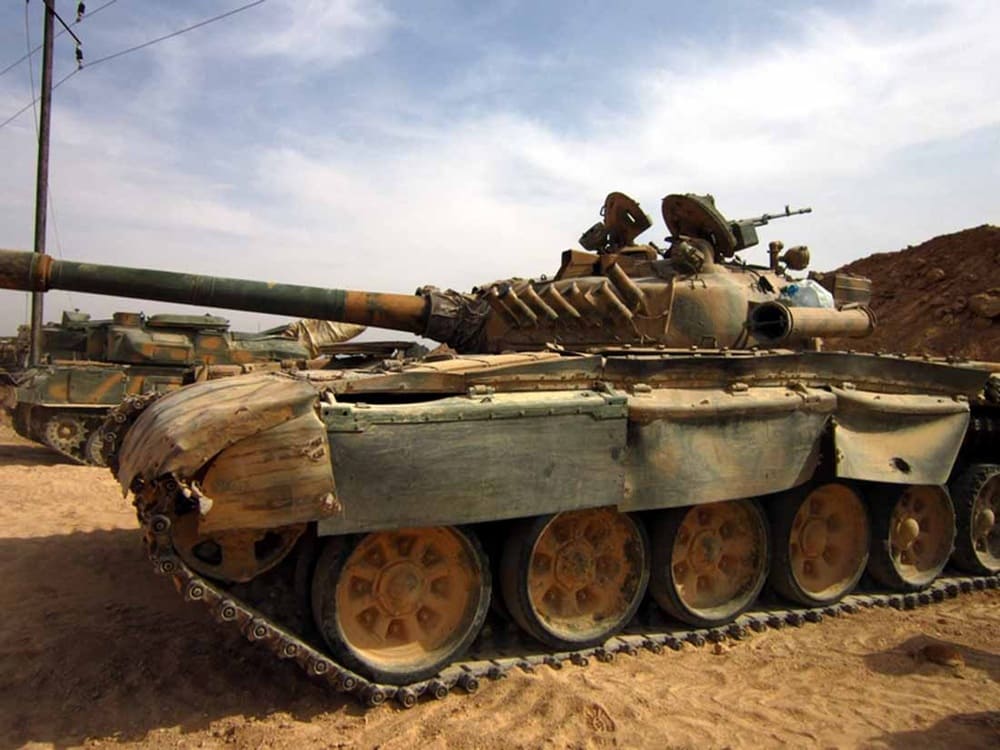
The Battle of Nasiriyah
One of the first big encounters between U.S. Army Abrams tanks and the Republican Guard occurred in the southern Iraqi city of Nasiriyah. Iraqi troops offered stiff resistance as the U.S. pushed toward the city. Elite Republican Guard units were deployed around the city to defend it and to prevent the advance of the U.S. The fighting soon grew more intense as the Abrams tanks of the U.S. Army’s 3rd Infantry Division engaged Republican Guard units entrenched in the city.
It was a victory in the battle. A crushing victory: U.S. troops, supported by Abrams tanks, artillery and air, annihilated the Iraqi defenders. The U.S. tanks had better armour and longer-range firepower than the Republican Guard’s T-72s. The Iraqi elite forces fought hard, but they were outgunned and out-technologised by the Abrams tanks. At the start of the war the Republican Guard was smashed. It was the first of many victories ahead.
The Push Toward Baghdad
As American forces approached Baghdad, they met with stiffer opposition from the Republican Guard. The Republican Guard and other Iraqi military units protected Saddam’s regime as they made their last stand in the heavily fortified capital of Baghdad. The Republican Guard had been assigned to defend Baghdad from the advancing U.S. forces, but it was impossible. By now, the M1 Abrams had already proven itself superior on the battlefield.
As American forces moved on the capital, units of the Republican Guard tried to resist. Abrams tanks and Apache gunships pounded them with hellfire and deadly firepower. The city guard was broken in and smashed to bits. The tremendous firepower of the American tanks wiped out Republican Guard positions from miles away, leaving the defenders with little room to manoeuvre. The tanks would be able to destroy Iraqi artillery, tanks and command posts before the Republican Guard could get into position to respond, nullifying the threat from Saddam’s elite forces.
A Crushing Blow to Iraqi Morale
The Abrams tanks performed so effectively in the initial engagement that they had a profound psychological impact on Iraqi forces. Soon Abrams tanks tore through the Republican Guard and shattered its myth of invincibility. Iraqi soldiers had been proud members of the Republican Guard, but they became demoralised when they saw their comrades destroyed so quickly and so thoroughly.
That psychological blow was a big part of the ultimate downfall of Saddam Hussein’s regime. The morale of the Iraqi military shattered, leaving the Republican Guard in shambles and unable to defend vital positions. That allowed U.S. troops to march into Baghdad without the kind of fierce resistance that had been predicted.
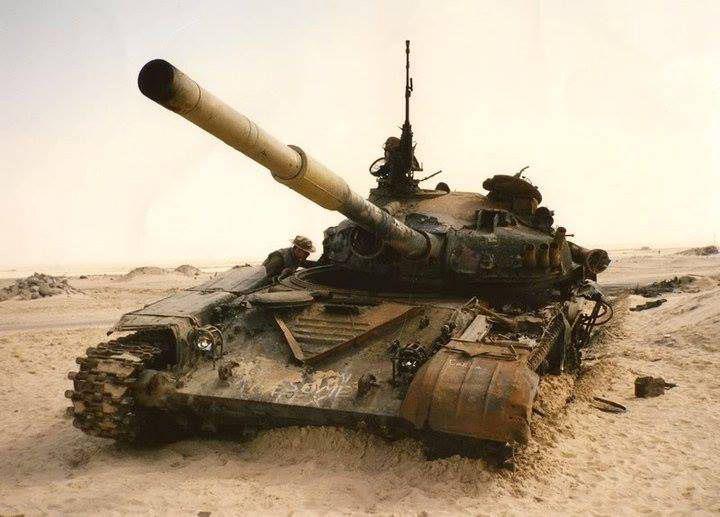
The End of the ‘Lions of Babylon’
The Republican Guard had not known defeat since the battle of Baghdad. By April 2003, as US forces entered the city, the elite units were falling apart. Many Republican Guard troops surrendered; others fled or put up only token resistance. The once feared force quickly died, mostly from the overwhelming fire power and technology of the U.S. Army’s Abrams tanks. The Abrams tank was an icon of Iraq’s military might, but their tech superiority was overwhelming. Within a few weeks, Iraq’s army had destroyed its best and most effective fighting force.
Conclusion
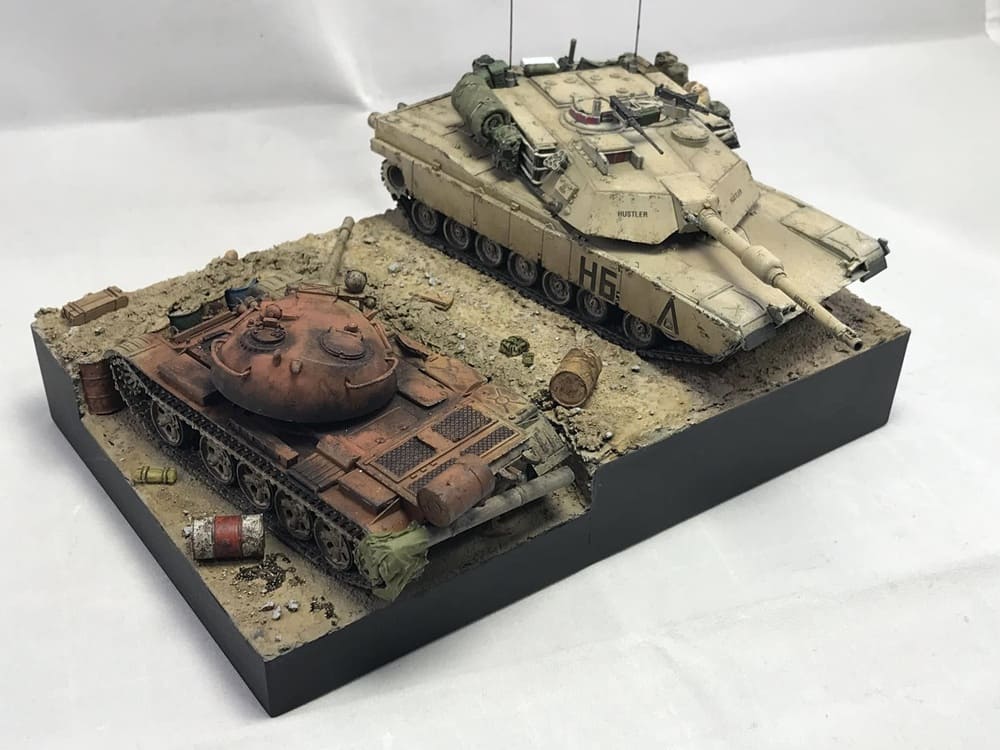
In 2003, the U.S. M1 Abrams tanks crushed Iraq’s Republican Guard, including units known as the “Lions of Babylon.” The battle demonstrated the significant technological divide between the American and Iraqi militaries. The Abrams’ superior firepower, sophisticated targeting systems and heavy armour meant it could destroy Iraqi T-72s with ease.
The Republican Guard was better trained than the regular Iraqi army but could not compete with the technological and operational superiority of the coalition. The victory was an example of how advanced military technology can decide the outcome of asymmetric warfare. The destruction of Iraq’s elite armoured forces was an event of some significance in modern military history.
References
- M1 Abrams Tanks in Combat. U.S. Army. Retrieved from: https://www.armytimes.com
- The article discusses the Iraqi Republican Guard and its role in the Iraq War. International Security Journal. Retrieved from: https://www.isj.org
- The Battle of Nasiriyah: Iraq War’s Early Successes. History Channel. Retrieved from: https://www.history.com
- The article discusses the collapse of the Republican Guard during the Iraq War. Military History Quarterly. Retrieved from: https://www.militaryhistoryquarterly.com
About the Author