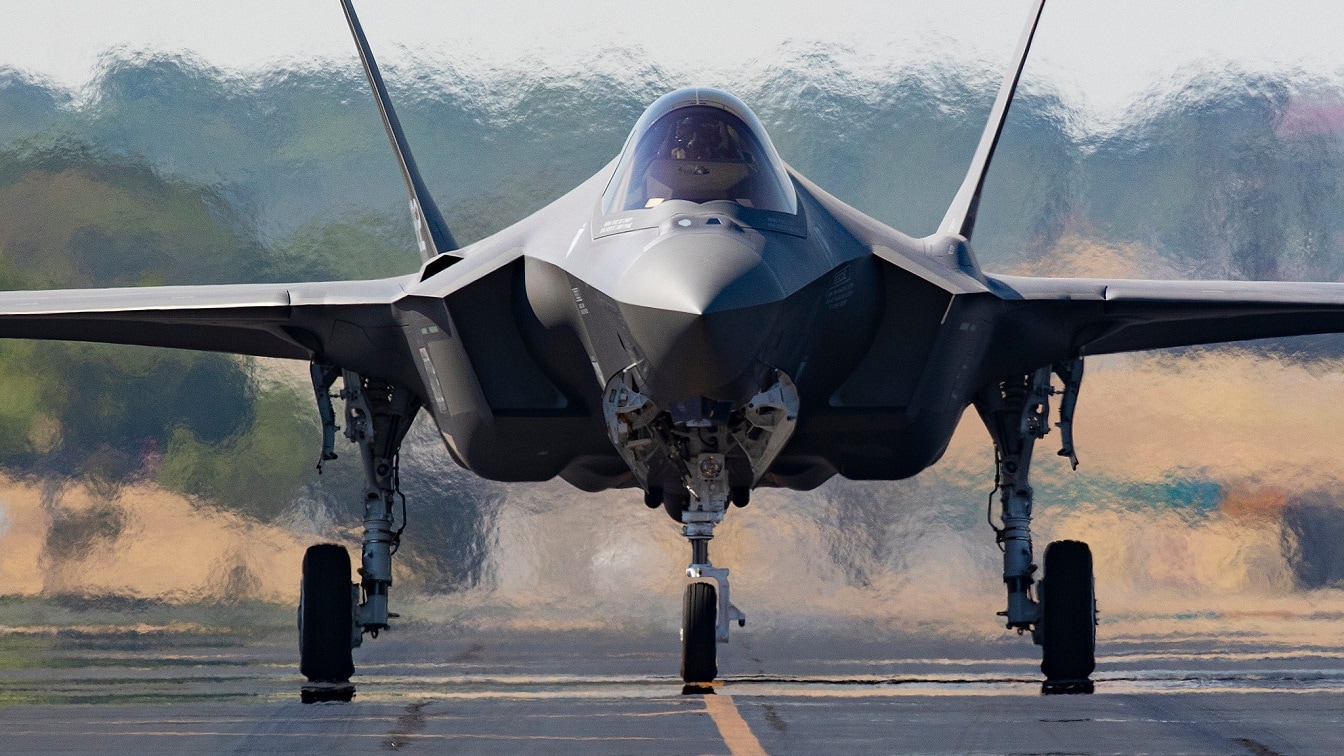
India’s quest for modern fighter jets has reignited debates about whether the F-35 Lightning II, a fifth-generation stealth fighter, is a viable option for the Indian Air Force (IAF).While the F-35 boasts cutting-edge technology, its high costs, poor mission readiness rates, and compatibility issues with India’s existing defense systems make it an unlikely choice. This article explores why the F-35 isn’t the right fit for India’s air force, focusing on operational challenges, costs, and political sensitivities.
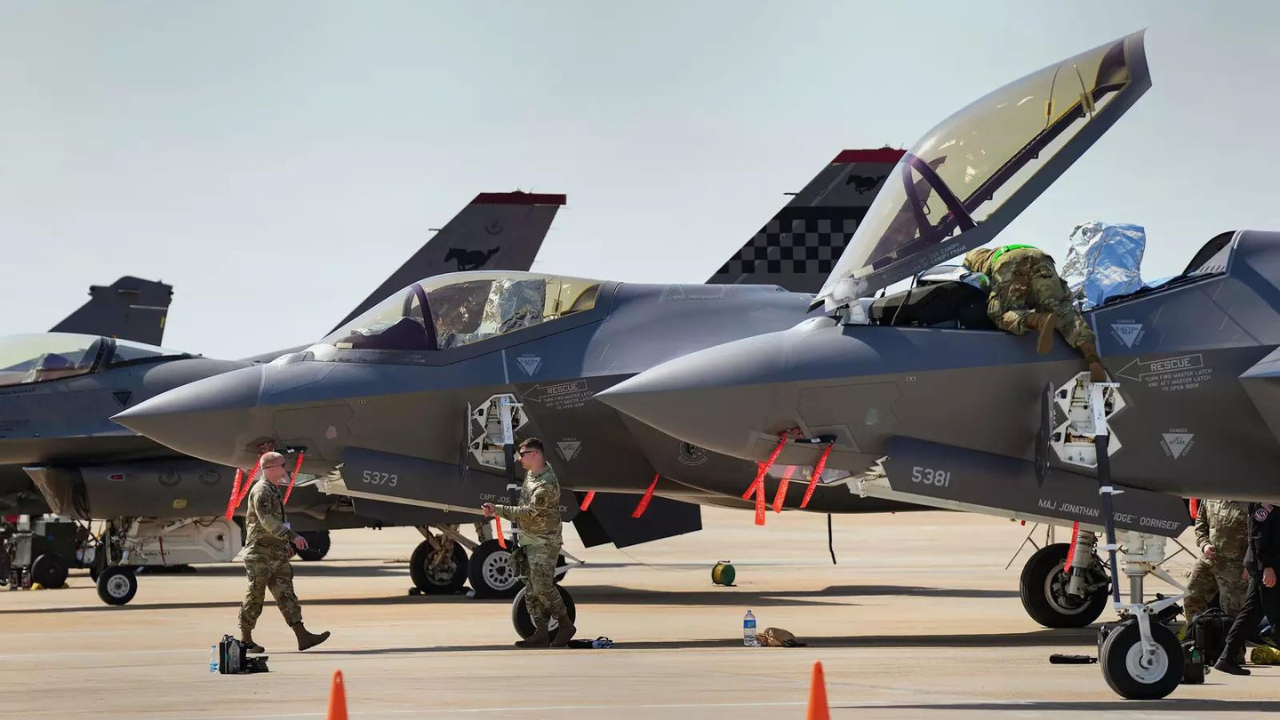
The F-35’s Operational Challenges
Unquestionably, the F-35’s design for 21st-century warfare is highly advanced. However, its integration into India’s diverse military infrastructure poses significant hurdles. One major issue is its incompatibility with India’s Integrated Air Command & Control System (IACCS). This system connects ground and airborne radars, enabling seamless communication across defense networks.
Unfortunately, the F-35 cannot interface with IACCS, which limits its effectiveness in India’s defense ecosystem. Additionally, the F-35 cannot refuel from India’s current fleet of tanker aircraft. This logistical constraint further complicates its deployment in long-range missions, a critical requirement for the IAF.
High Costs and Poor Mission Readiness
Cost is another significant barrier. Budget overruns and delays have plagued the F35 program. According to the Pentagon’s 2024 report, the F-35 fleet had a full mission-capable rate of just 30%, far below the 65% benchmark for credible air forces.
Repair times are equally concerning. On average, it takes 141 days to return an F-35 to service after a breakdown. Such inefficiencies are untenable for a country like India, which requires reliable and cost-effective defense solutions. Elon Musk, the tech billionaire, has even called the F-35 programme a “flop”, criticising Lockheed Martin for providing poor military value for money.
Political Sensitivities and Procurement History
India’s defense procurement history also plays a role in the F-35’s exclusion. The Medium Multi-Role Combat Aircraft (M-MRCA) tender, initiated over a decade ago, ended without a clear winner.Instead, India procured 36 Dassault Rafale jets from France, spending 9 billion of the original 10.5 billion budget.
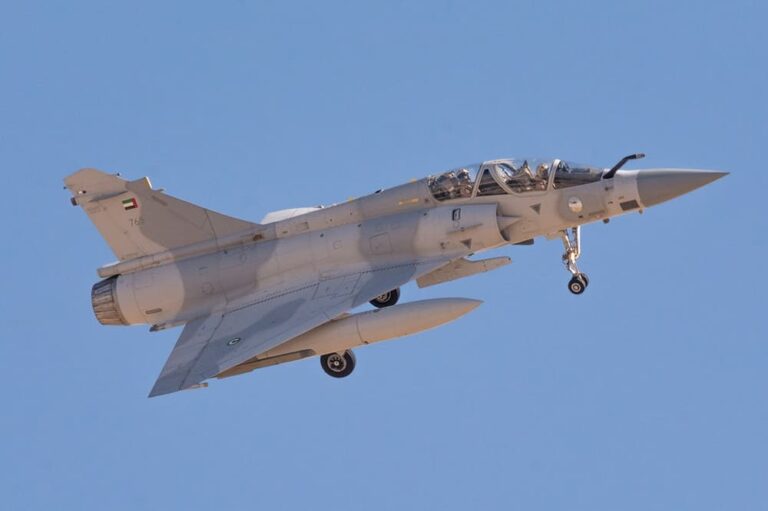
Today, the IAF is revisiting older fighter options in its new procurement tender. Competitors include the U.S. F-16 and F/A-18, France’s Rafale, the Eurofighter Typhoon, Sweden’s JAS-39 Gripen, and Russia’s MiG-35 and Su-35. While these designs date back to the 1970s and 1980s, they are proven platforms that align better with India’s operational needs and industrial infrastructure.
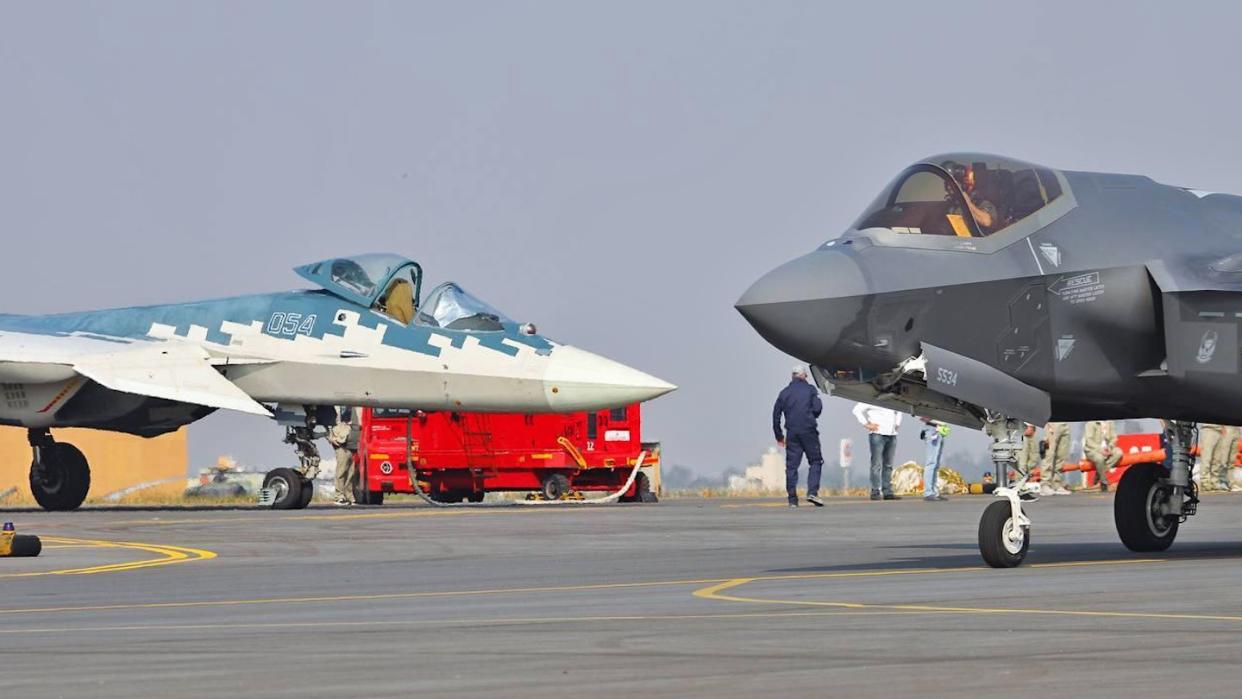
Why India is Opting for Alternatives
India’s decision to exclude the F-35 isn’t just about cost or compatibility. It’s also about strategic autonomy. The IAF prefers platforms that can be integrated into its existing systems without relying heavily on foreign support. Moreover, the lessons from the Ukrainian War have reinforced the importance of reliable, cost-effective defense solutions. The F-35, despite its advanced capabilities, doesn’t meet these criteria for India.
Conclusion: The F-35 Isn’t the Right Fit
In summary, the F-35 is a brilliant aircraft, but it’s not the right fit for India’s air force. High costs, poor mission readiness, and compatibility issues make it an impractical choice. Instead, India is focusing on proven platforms that align with its defense infrastructure and strategic goals. As the IAF moves forward with its procurement plans, it’s clear that the F-35 won’t be flying for India anytime soon.
References
- Pentagon’s 2024 Director Operational Test and Evaluation Report
- Hindustan Times: Angad Singh’s analysis on the F-35
- Defence News: India’s M-MRCA tender history
- Lockheed Martin: F-35 programme updates
- Elon Musk’s comments on the F-35 programme
About the Author