
Why Russian Mikoyan Lost to Sukhoi
Why Russian Mikoyan Lost to Sukhoi: A Detailed Analysis
The long rivalry between Mikoyan and Sukhoi has played a major part in much of the history of Russian aviation. This article explores the reasons behind Mikoyan’s gradual loss of ground to Sukhoi in the competition for airpower supremacy in Russia, with a focus on technological development, political choices, export success, and the ability to respond to changing market demands.
MiG vs Sukhoi: Fighter DNA
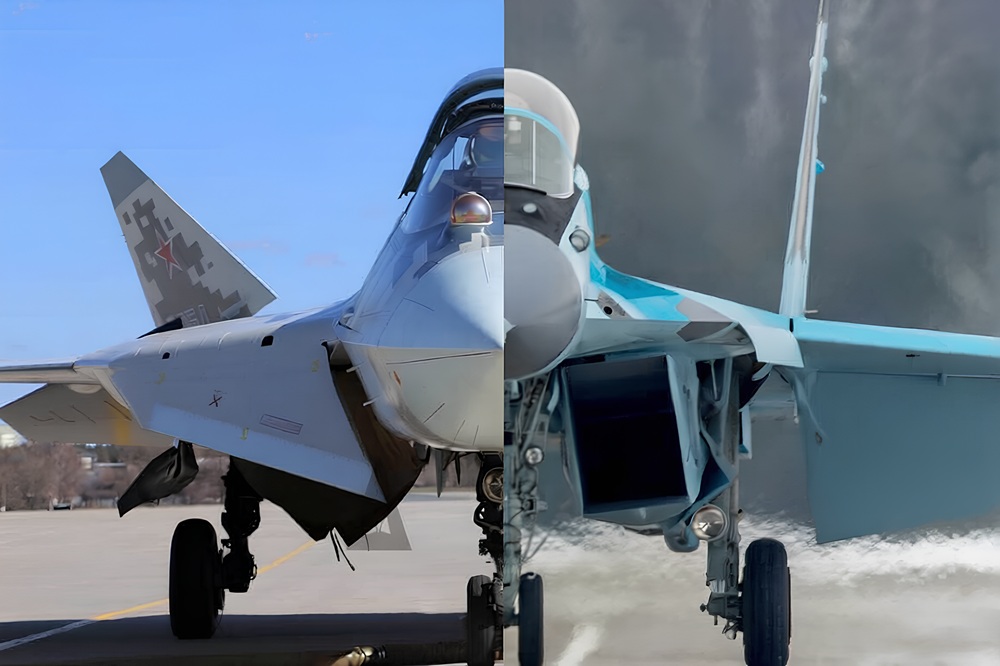
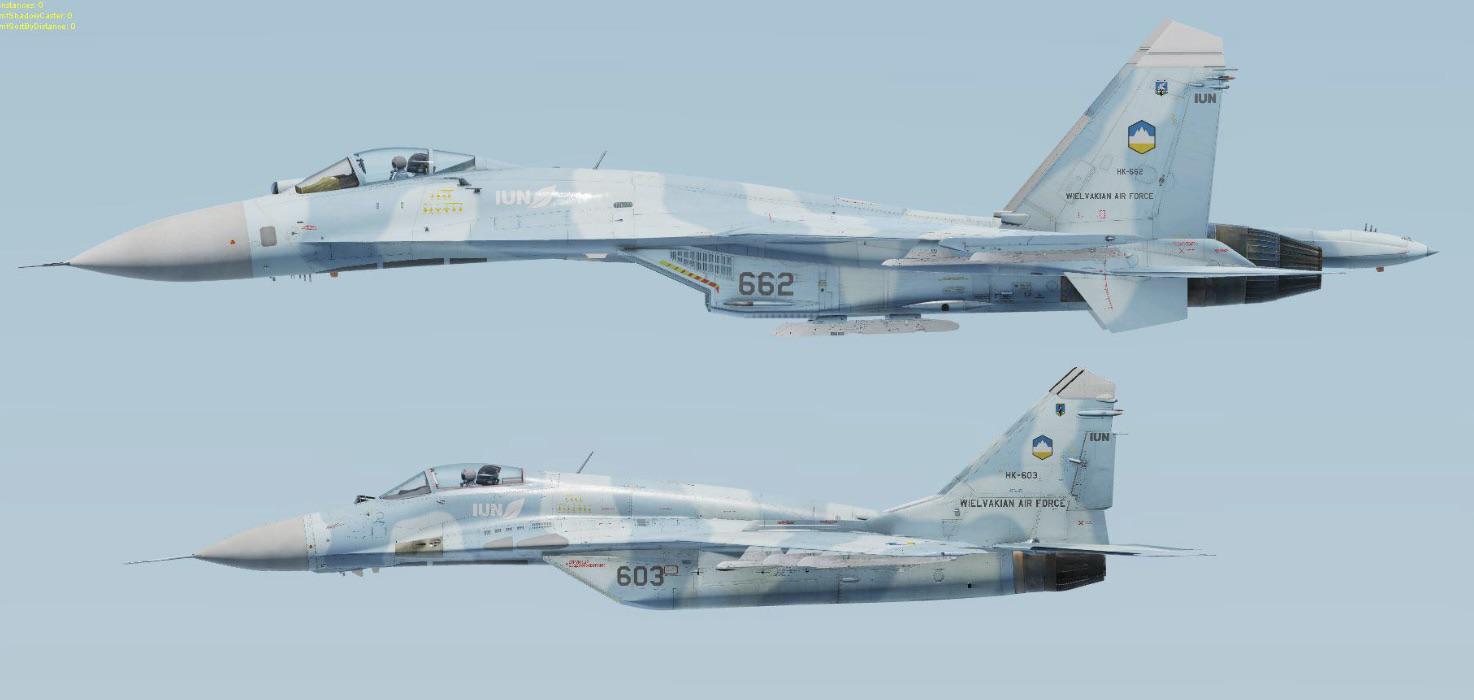
Mikoyan designed its fighters for rapid-response air defense and swift interception. The MiG mentality preferred small jets, fast climbs, tight handling, and cheaper per airframe. This required powerful ground radar control and numerous forward bases to defend Soviet airspace. Sukhoi took a different path.
The designs were biased toward range and flexibility, with larger airframes carrying more fuel, greater payloads, and stronger endurance. That size also allowed for the addition of new radars, electronic warfare gear, and multirole weapons packages over time. In short, the MiG went for speed, number, and sharp maneuvers, while the Sukhoi went for reach, upgrades, and wider mission capabilities over huge distances.
Russia’s Fighter Design Rivalry
Russia’s Post-Cold War Shift
Political priorities matter a lot for why the Russian company Mikoyan lost out to Sukhoi. After the collapse of the USSR, Russia restructured its defense industry, merging companies and consolidating budgets. The state supported Sukhoi’s projects, particularly the Su-30 and Su-35, because of their potential for export.
Mikoyan, however, was stuck. Its emphasis on lightweight fighters such as the MiG-29 was no longer relevant in a time that favored multirole platforms with extended range and payload capabilities. These faults showed why Russian Mikoyan lost to Sukhoi in winning government and export contracts.
Russian Top Fighter Manufacturers
|
Fighter manufacturer |
Fighter family | Total international sales (units)
till Dec 2025 |
Total internal inventory (Russia active units) |
|---|---|---|---|
Sukhoi (UAC) |
Su-27/30, Su-35, Su-57 |
≈732+ (≈700 Su-27/Su-30 exports since 2000 as of Jul 2022 + 6 Su-30 to Myanmar delivered 2022-2025 + 24 Su-35 to China + 2 Su-57 exports reported in 2025). (TASS) |
408 (Su-27/30/35 384 + Su-57 24). (Zambia Air Force) |
Mikoyan/MiG (UAC) |
MiG-29/35, MiG-31 |
≥891 (MiG said 800 MiG-29 exported + India ~45 MiG-29K + Egypt contract for 46 MiG-29M/M2) (Aviation International News) |
364 (MiG-29/35 236 + MiG-31 128). (Zambia Air Force) |
Sukhoi’s Technology Lead
Another reason the Russian Mikoyan lost out to the Sukhoi was technological innovation. Sukhoi fighters had better avionics, longer range, and bigger payloads. For example, the Su-27 series was able to outfight Mikoyan’s MiG-29 in beyond-visual-range (BVR) combat.
Sukhoi’s emphasis on supermaneuverability and cutting-edge radar systems made its aircraft more attractive to modern air forces. These were critical in an era where air dominance depended on multirole flexibility and complex systems integration.
Sukhoi’s Global Reach
Russian Mikoyan was defeated by Sukhoi, mostly because Sukhoi dominated world markets. The Su-30 series became a favorite among countries like India, China, and Algeria for its versatility. Mikoyan found it difficult to compete as fewer buyers were attracted to the smaller size and limited multirole capabilities of the MiG-29.
Sukhoi’s capacity to tailor its aircraft to the varying needs of its customers strengthened its leading role in the marketplace. Another reason for the Russian Mikoyan to lose out to Sukhoi in the fight for export orders was this flexibility.
MiG’s Uncertain Future
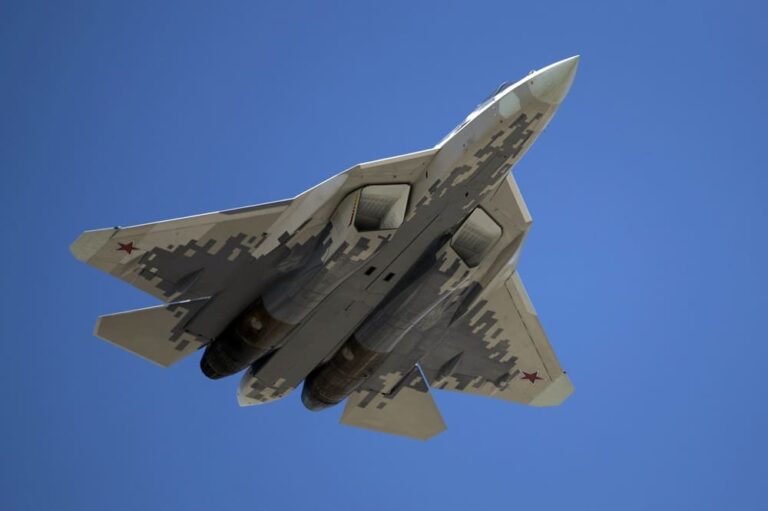
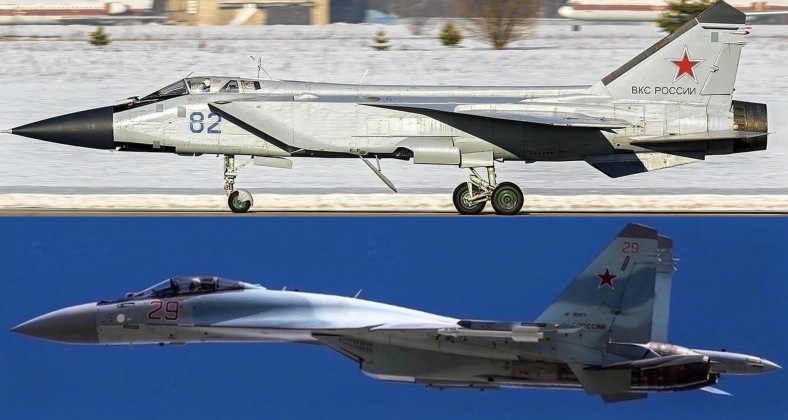
By the 21st century, Mikoyan’s narrow innovation pipeline exposed the reasons for its defeat to Sukhoi. The MiG-35, an upgraded version of the MiG-29, did not achieve the momentum to revive the brand. In the meantime, Sukhoi pushed ahead with the Su-57, Russia’s first fifth-generation fighter, providing further proof of its technological superiority.
Mikoyan has not disappeared altogether and still has a role in niche segments, such as lightweight fighters and drones. The MiG-31 Foxhound is the only notable MiG in service in the Russian Air Force. But its bid to re-establish dominance is a reminder of why Russian Mikoyan lost out to Sukhoi in the wider aviation arena.
What the Rivalry Reveals
The tale of how Russian Mikoyan lost to Sukhoi provides important lessons for defense innovation. For the aviation industry to be successful in the long term, it must embrace technological developments, align itself with global demand, and receive constant political support. The Mikoyan Project 1.44/1.42 is a multirole fighter technology demonstrator developed by the Mikoyan design bureau and is MiG’s only real chance to swing the balance in its favor.
Conclusion
Mikoyan and Sukhoi began as complementary design houses, but different priorities were rewarded in the post-Soviet era. The tighter budgets and industrial restructuring in Russia favored fewer and more exportable families of aircraft, and it was the multirole variants of the Sukhoi Flanker family that filled the bill.
Meanwhile, MiG struggled to translate upgrades into large, repeat orders, particularly when air forces wanted longer range, heavier payloads, and upgraded sensors. In short, the Russian Mikoyan lost to Sukhoi because of sustained state backing, faster modernization, and a better export fit.
References
- United Aircraft Corporation (UAC)—consolidation of major Russian aircraft brands (“Su,” “MiG,” etc.) and full life-cycle role.
- SIPRI Arms Transfers Database—an authoritative dataset for tracking major conventional arms transfers over time (useful for export trend verification).
- Reuters (Nov 18, 2025)—Rostec statement on defence exports falling since 2022 and export outlook/interest context.
- RUSI paper (Nov 1, 2025)—analysis of Russian fast-jet production, entities involved, and exporter prospects (context for Sukhoi’s industrial edge).
About the Author

Farhan J. Satti (Chief Editor)
Administrator
Mr. Farhan J. Satti is a defense analyst and HR leader with 15+ years covering weapons, arms control, and operations. UN Disarmament Affairs-trained (WMD missiles, lethal autonomous weapons) and firearms-safety trained (Washington State), he explains hard problems with clarity and impact.