
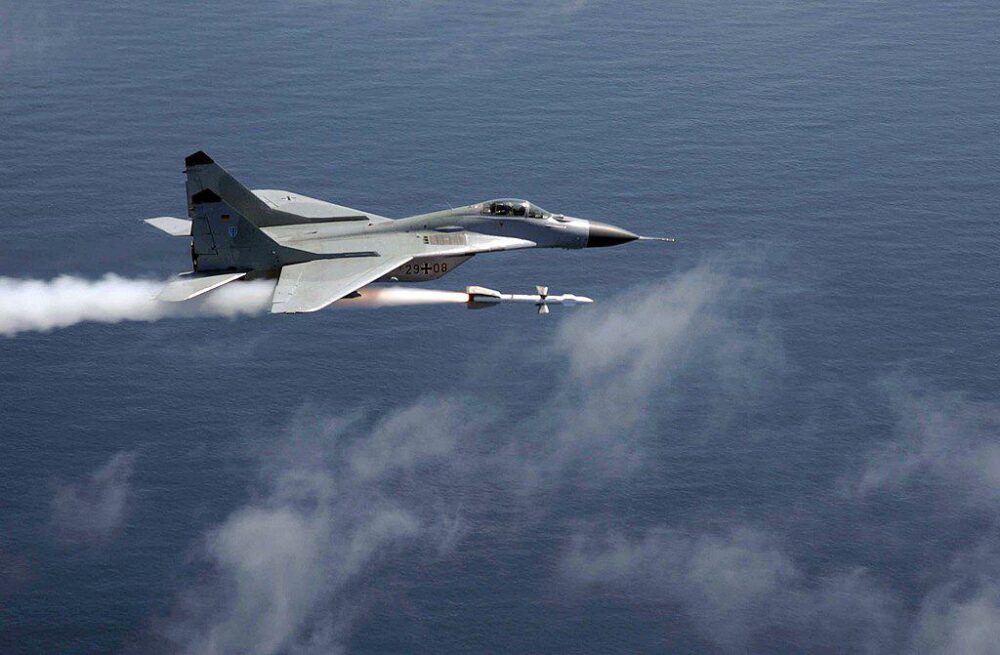
A German MiG-29 Fulcrum from the 73rd Fighter Wing fired an AA-10 Alamo missile at a QF-4 drone during live-fire training.
The Soviet Union was a dominant force in air combat during the Cold War. It developed air-to-air missiles to match Western designs. The R-27 and R-73 were promising weapons of the Soviet era. However, later Russian attempts at modernisation revealed serious reliability and performance issues. The situation with Russian air-to-air missiles has dramatically worsened, from technological stagnation to poor combat performance.
Early Soviet Missile Success
Throughout the 1950s and 1960s the Soviet Union developed a range of air-to-air missiles for use against NATO aircraft. The R-3 (AA-2 Atoll), a copy of the American AIM-9 Sidewinder, was an early success This variant led to the R-23 (AA-7 Apex) and R-27 (AA-10 Alamo), which were widely deployed on MiG and Sukhoi fighters.
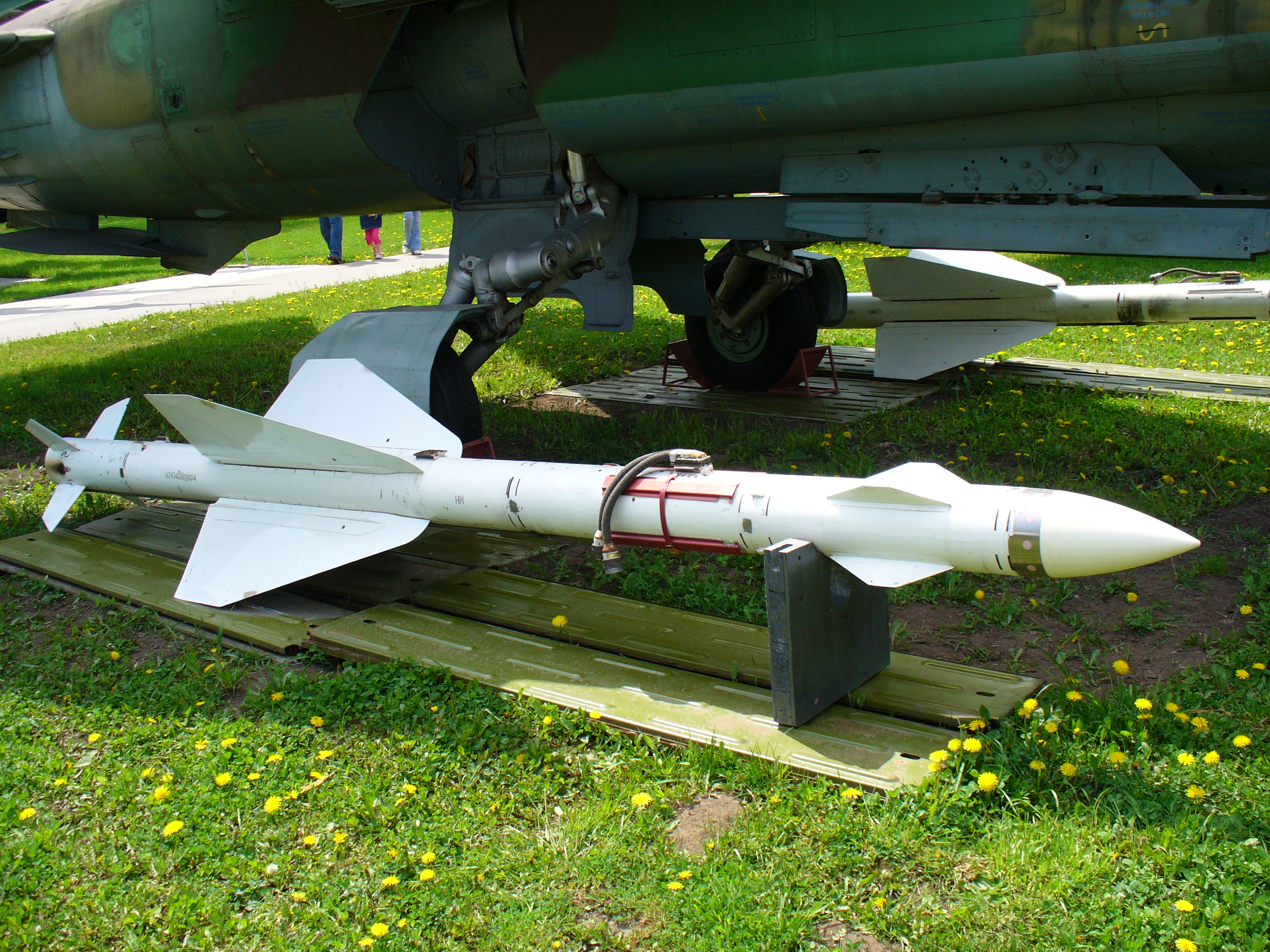
Particularly revolutionary was the R-73 (AA-11 Archer) introduced in the 1980s with high off-boresight targeting and infrared homing. The missile gained a reputation for its potency, especially when German pilots flying former East German MiG-29s showed how well it worked in NATO exercises. But as the West continued to improve its missile technology, Russia struggled to keep pace.
Russia’s Missile Decline
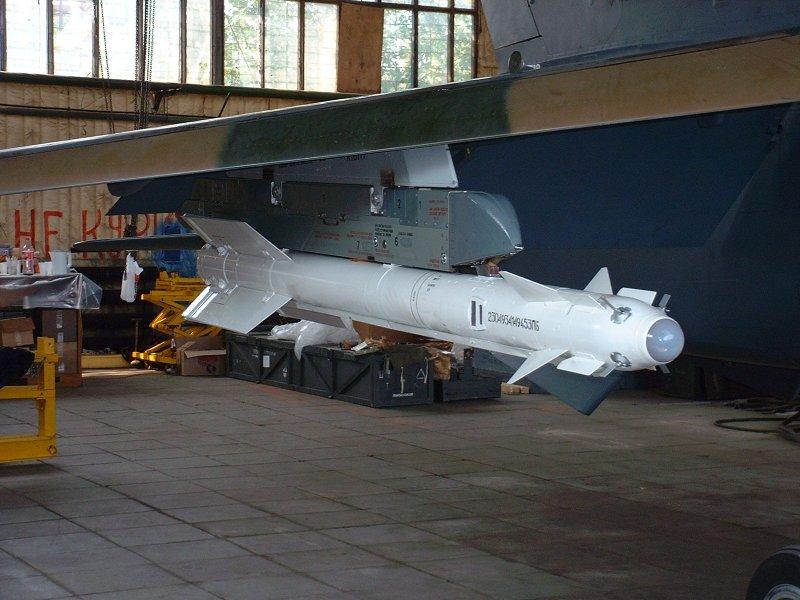
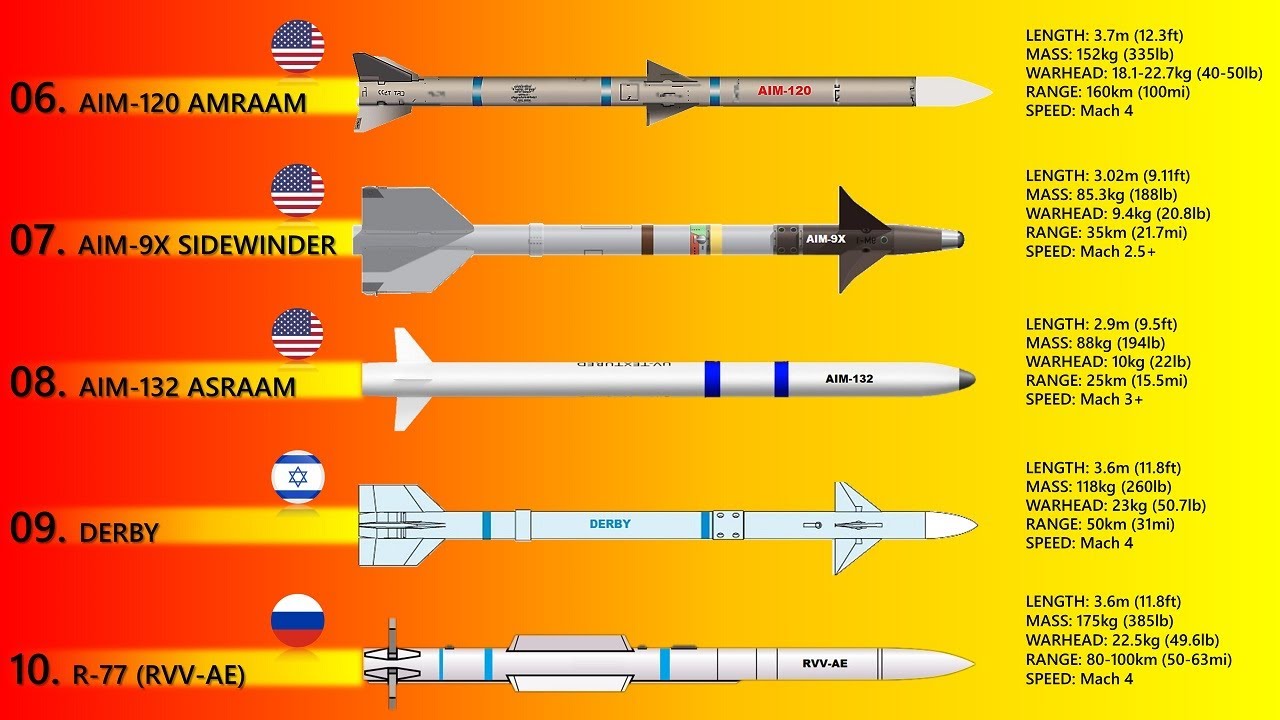
When the USSR collapsed, Russia inherited a huge but ageing missile inventory. Economic hardships in the 1990s had a significant impact on military research and development. Many Soviet-era missile designs continued in service with minor upgrades. Poor reliability of these weapons has been one of the major problems with Russian air-to-air missiles. Reports from conflicts in Syria and Ukraine indicate that Russian missiles, including newer versions of the R-27 and R-77, have been plagued by significant production delays and inconsistent performance, with the R-77 (AA-12 Adder), designed to compete with the AIM-120 AMRAAM, particularly affected by these issues. The R-77 entered service in the 1990s. However, it failed to match Western equivalents in range, guidance systems, and resistance to electronic countermeasures.
Russian Missile Flaws in Ukraine
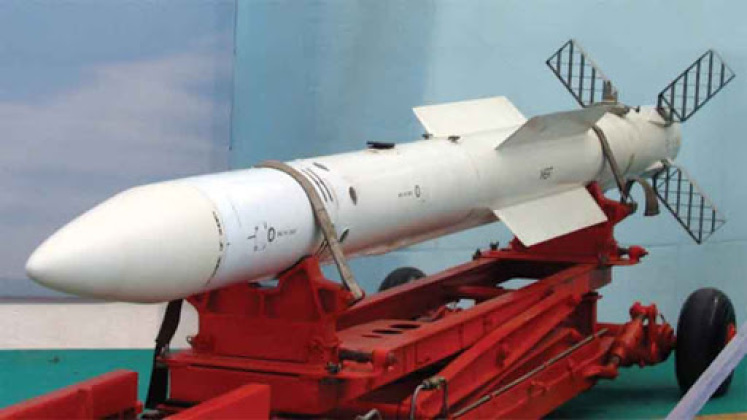
Russia’s air-to-air missiles (actual data from the ongoing war in Ukraine) show that Ukrainian pilots have been able to dodge and shoot down Russian missile attacks, often in vintage Soviet jets fitted with Western avionics. “Russian pilots have not been able to gain air superiority, which indicates problems with their missile systems. The long-range air-to-air missile R-37M for long-range air combat, widely advertised, also did not achieve decisive results. The R-37M’s range is 300 km, but its combat effectiveness is questionable, with many targets allegedly evading the missile.
Incidents of Failure
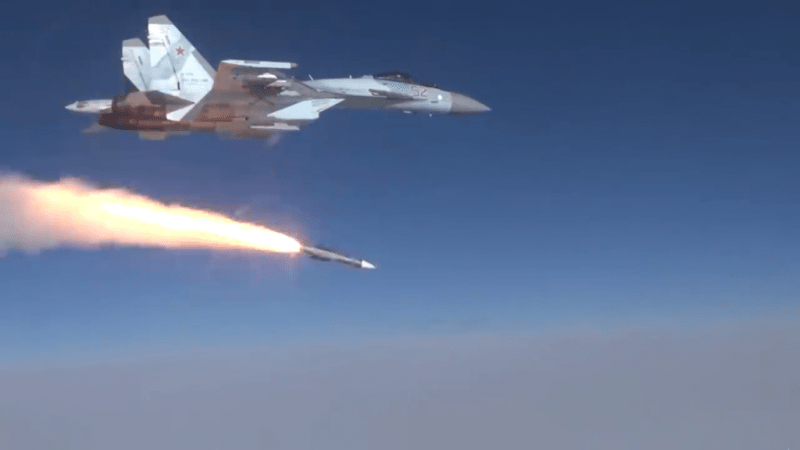
There have been several incidents that have demonstrated shortcomings in Russian air-to-air missiles. During the 2022 Ukraine conflict, a significant number of R-77 missiles fired by Russian Su-35s failed to hit their targets, owing to subpar guidance and electronic countermeasures employed by Ukrainian pilots. Another example is the R-27 missiles supplied to the Syrian army during the Syrian civil war. They were unable to get target locks on enemy aircraft repeatedly, leading to several major failures.
Miss by Miss Public List
Public data from the Ukraine war shows that a number of Russian air-to-air missiles have repeatedly failed to deliver reliable results against Ukrainian aircraft. In 2022, alleged Su-35S and Su-30SM fighters fired R-77-1 or AA-12B Adder. RUSI examined recovered R-77-1 fragments in Ukraine and determined that the probability of kill was low for long-range engagements beyond 100km. Many strikes forced Ukrainian pilots to take evasive action but did not put their aircraft out of service. The same was true of the AA-13 Axehead, or R-37M.
RUSI reported up to six daily R-37M launches from MiG-31BM and Su-35S aircraft in October 2022, but confirmed kills were low. Militarnyi reported in February 2023 that wreckage from an R-37M had been found in Ukraine, but a corresponding loss had not been officially confirmed in Ukrainian aviation. RUSI also predicted that the R-37M would achieve only a handful of air-to-air kills from repeated use between 2022 and 2026. Furthermore, in 2025, apparent R-77M wreckage was recovered in Ukraine, indicating combat use, but no confirmed kill. In summary, these cases show that Russian missiles usually generated pressure, but they did not reliably destroy targets.
Comparison with Western Missiles
The West has been improving its air-to-air missile technology all the time. In almost every way, the AIM-120 AMRAAM, AIM-9X Sidewinder, and Meteor missiles are superior to their Russian equivalents. The AIM-120 AMRAAM, for example, has demonstrated reliability in multiple combat engagements, while the Meteor missile, with its advanced ramjet propulsion, provides superior range and no-escape zones. Russia, meanwhile, has modernised the guidance systems of its missiles, but many of its current designs still use outdated semi-active radar homing, rather than the more advanced active radar homing used in Western missiles.
Conclusion
When the Soviet Union developed competitive air-to-air missiles, Russia was unable to keep up with modern Russian missiles, which are severely disabled by out-of-date technology, poor reliability and inferior combat performance. Russia has a difficult task ahead in modernising its air-to-air weapons, while the West continues to improve its missile technology. Without major upgrades, Russian airpower will remain dependent on missiles that modern air warfare has just outclassed.
References
- RUSI — The Russian Air War and Ukrainian Requirements for Air Defence
- The War Zone — Signs Russia’s Using New R-77M Air-To-Air Missile In Ukraine
- Rosoboronexport — R-73E Air-to-Air Missile
- MBDA — Meteor Beyond Visual Range Air-to-Air Missile
About the Author