
Why Iran Chose Missiles Over Fighter Jets
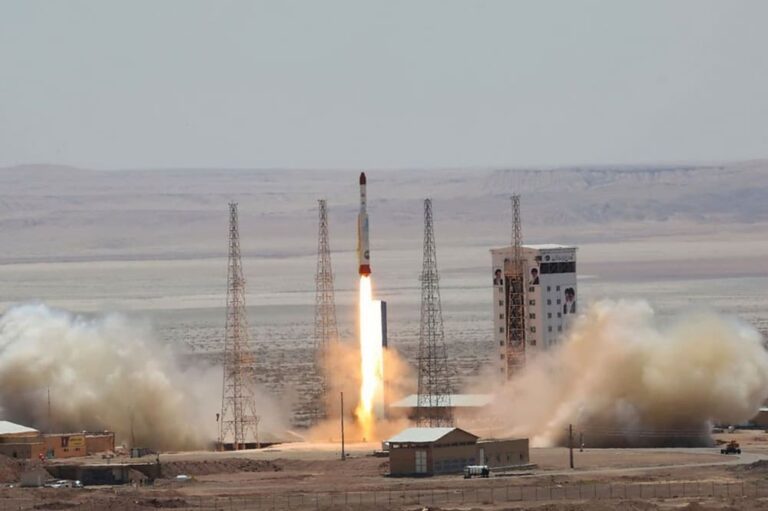
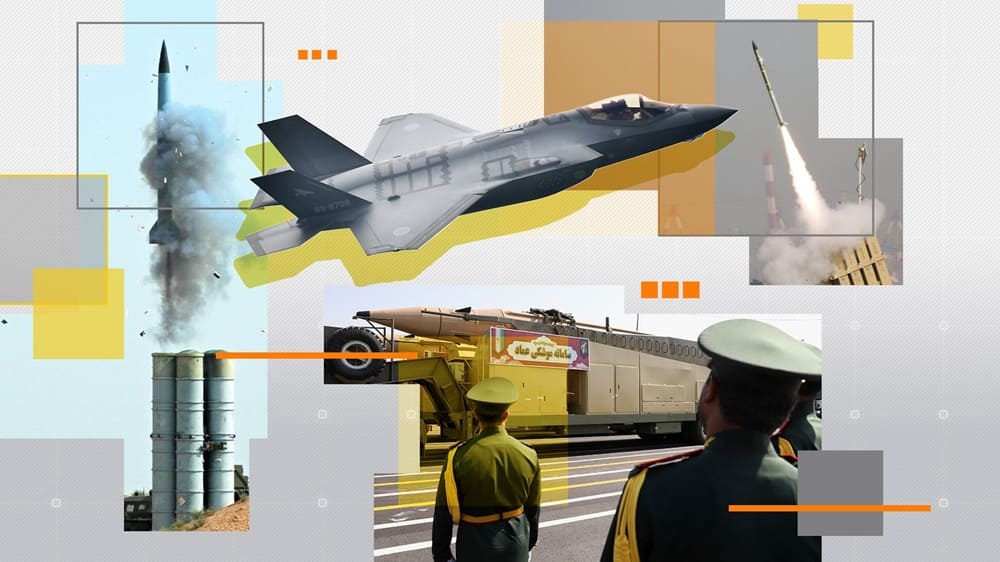
Iran didn’t choose missiles because fighters had become irrelevant. It chose them, as modern airpower was too costly, vulnerable and sanction-sensitive. Iran’s missile strategy was not developed in isolation. It was the product of a brutal military fact: after 1979, Tehran could not afford to buy, operate or defend a top-notch combat air force with any certainty.
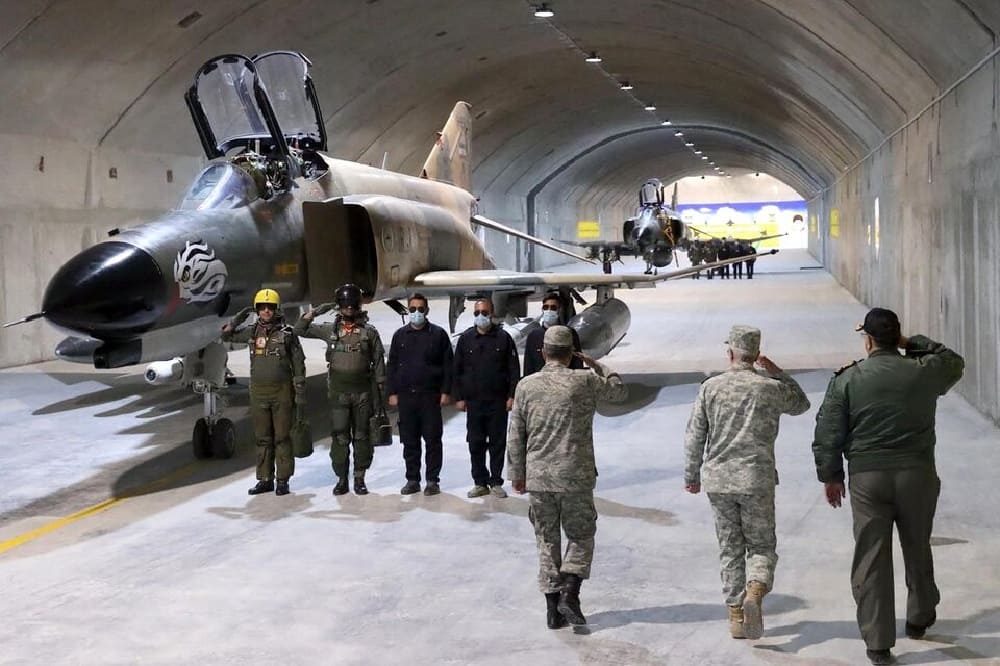
Before the Islamic Revolution, Iran had one of the strongest regional air arms. It flew the F-4 Phantom II attack plane, the F-5 Tiger II fighter, and the F-14 Tomcat interceptor. But the break with Washington choked off the supply of spare parts, avionics support, depot maintenance and weapons upgrades. Iran, therefore, kept many aircraft alive through cannibalisation, reverse engineering and local overhaul but was unable to rebuild a modern Western-style air force
Sanctions Weakened Iran’s Air Force
“An air-combat system is not just a fighter jet. However, modern airpower also requires airborne early warning and tanker aircraft, electronic-warfare pods, precision-guided munitions, hardened shelters, secure data links and trained ground crews. Furthermore, pilots need regular flying hours and realistic combat training.
Iran still retains some 37,000 air force personnel and around 250 combat-capable aircraft. Meanwhile, many of the aircraft are pre-1979. The old F-4, F-5 and F-14s have a symbolic value, but their combat effect is marred by old radars, limited weapons integration and uncertain mission-capable rates. That meant Tehran could not rely on air superiority as its deterrent.
Iran’s Missile Deterrent Survived
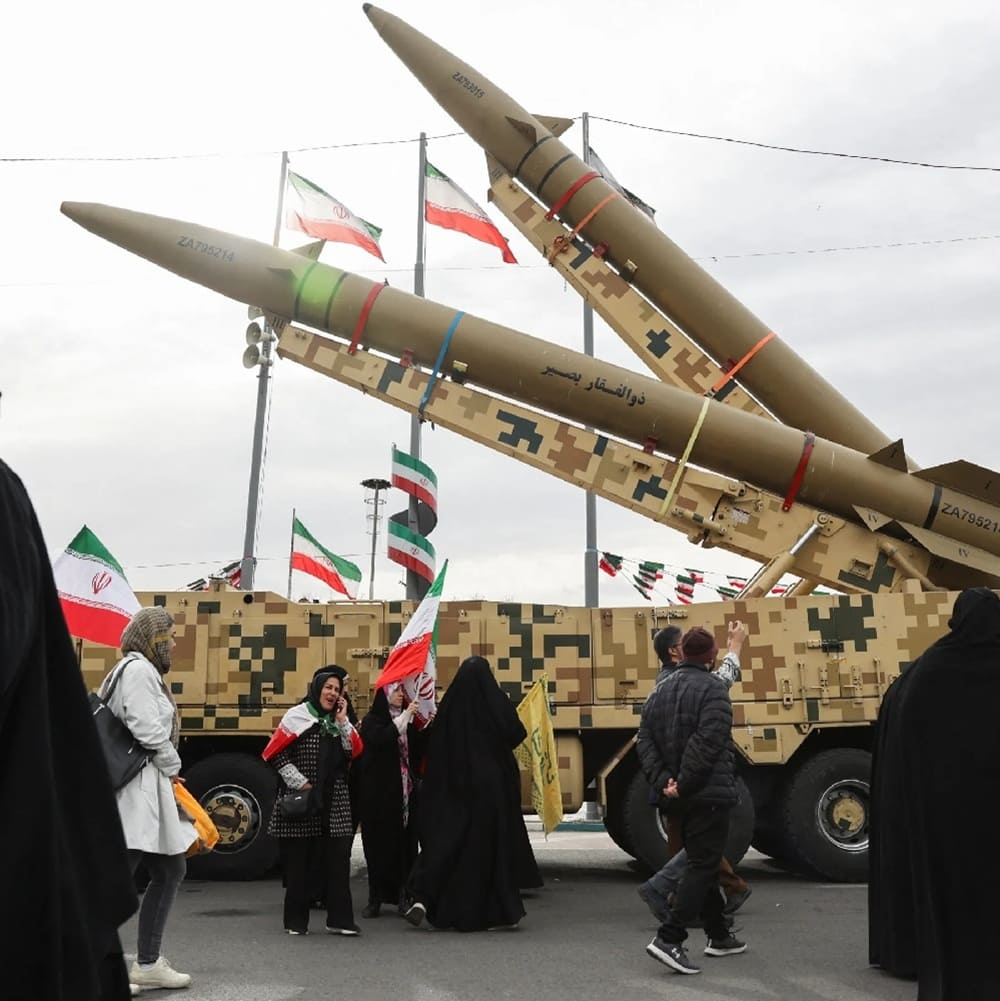
Iran’s missile strategy solved problems that aeroplanes could not. ballistic missiles do not require tanker support, combat air patrols, or suppression of the enemy air defense network. A road mobile transporter-erector-launcher can disperse, hide, launch and relocate. Underground missile complexes are also believed to increase survivability against pre-emptive strikes.
Missiles also create asymmetries in costs. Modern fighter fleets need expensive aircraft, expensive engines, simulators, pilots and secure bases. A missile force, on the other hand, requires industrial depth, concealment, command discipline and launch mobility. Thus, Iran gained a cheaper way to threaten air bases, ports, radar sites, command nodes and energy infrastructure with missiles.
Iran’s Missile Power
Iran now fields short-range ballistic missiles, medium-range ballistic missiles, cruise missiles and one-way attack UAVs. CSIS Missile Threat lists major Iranian systems across the Fateh, Shahab, Qiam, Ghadr, Sejjil and Khorramshahr families. Reuters also reports Iran has the largest stockpile of ballistic missiles in the Middle East. Its declared range ceiling is often around 2,000 km, but some reported variants are above that threshold with different payloads.
Iran has this layered strike-option arsenal. Solid-fuel systems cut time to launch, and cruise missiles and UAVs can fly low. Terminal guidance, inertial navigation, satellite-aided updates, and manoeuvrable re-entry vehicles all help reduce the circular error probability. For related regional missile technology, see PJ120 Turbojet Boosts UAE Missile Production. For the defensive side, see India’s BMD Tests Validate Layered Missile Shield.
| Missile / System | Type | Approx. Range | Role |
|---|---|---|---|
| Fateh-110 | Solid-fuel SRBM | 200–300 km | Tactical strike and battlefield targets |
| Fateh-313 | Solid-fuel SRBM | 500 km | Longer-range Fateh-family strike |
| Zolfaghar | Solid-fuel SRBM | 700 km | Regional precision strike |
| Qiam-1 | Liquid-fuel SRBM | 700–800 km | Scud-derived regional attack |
| Shahab-1 | Liquid-fuel SRBM | 300 km | Early Scud-B lineage |
| Shahab-2 | Liquid-fuel SRBM | 500 km | Scud-C lineage |
| Shahab-3 | Liquid-fuel MRBM | 1,300 km | Nodong-linked strategic reach |
| Emad | MRBM | 1,700 km | Shahab-3 derivative with improved guidance |
| Ghadr-1 | MRBM | 1,950 km | A nearly 2,000 km regional strike |
| Sejjil | Two-stage solid-fuel MRBM | 2,000 km | Faster launch preparation and better survivability |
| Khorramshahr | Liquid-fuel MRBM | About 2,000 km | Heavy-payload medium-range missile |
| Soumar / Hoveyzeh | Cruise missile | 1,350–2,500+ km | Low-altitude land-attack route planning |
| Shahed-131/136 | One-way attack UAV | 1,000+ km | Saturation and air-defense exhaustion |
Iran’s Missile Roots Abroad
To begin with, Iran’s missile programme was never 100% home-grown. The Iran-Iraq war happened because Tehran did not respond strategically to Iraqi Scud attacks. Iran’s first layer was built in Iran with the help of foreign suppliers. In the early days, North Korea was the most important player in the ballistic phase. China permitted the broader missile industrial ecosystem. Iran, however, followed a slow path from dependency on imports to local modification, production and export.
| Country / Source | Assistance | Main Impact |
|---|---|---|
| Libya | Early Scud-B supply | Gave Iran its first retaliatory missile option |
| North Korea | Scud-B/C and Nodong-related technology | Influenced Shahab-1, Shahab-2 and Shahab-3 |
| China | Components, dual-use materials and technical support | Strengthened rocket and missile production |
| Russian entities | Design influence, expertise and missile-related goods | Supported technical growth in the 1990s |
| Syria | Transfer route and regional missile partner | Helped movement and regional cooperation |
| Ukraine-linked black market | Kh-55 cruise missiles | Relevant to cruise missiles, not core ballistic lineage |
Geography Favoured Missiles
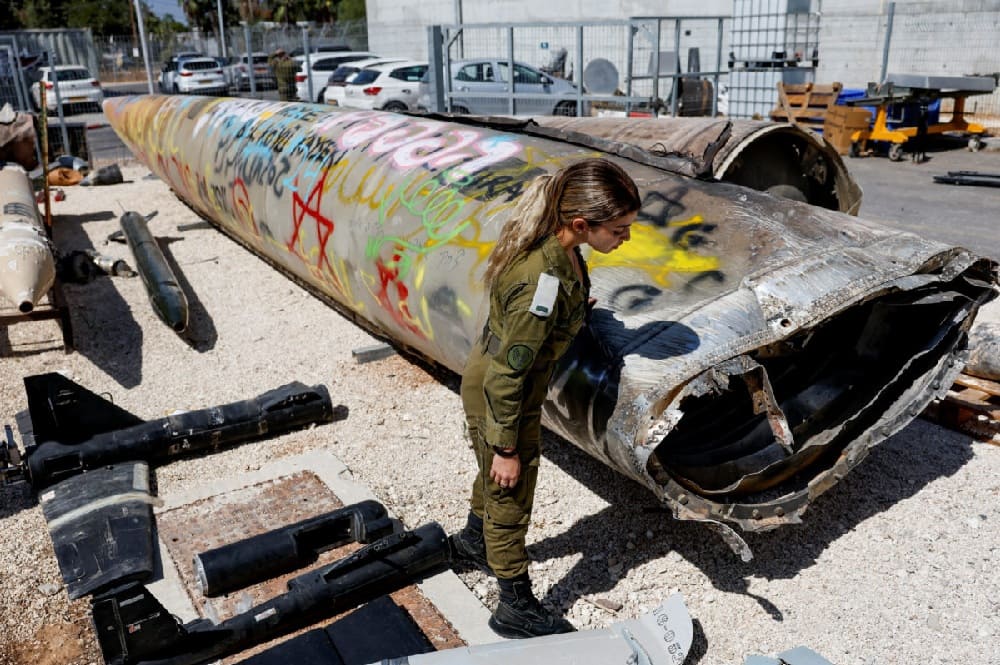
Iran’s terrain adds value to missiles. Iran has medium-range systems in its territory that can hit the Gulf, Iraq, Israel, US bases and the Strait of Hormuz. Therefore, Iran does not need air superiority to impose costs. It just needs survivable launchers, credible salvos and escalation control.
Strategic Outlook
Missiles cannot fully replace fighter aircraft. Aircraft can patrol, spot targets, change missions on the fly and support troops. Though missiles can punish, disrupt and deter without putting pilots or runways at risk. The Iran missile strategy is a tale of adaptation, not a tale of technological romance.
“Ultimately, Iran chose missiles over fighter jets because missiles provided Tehran with survivable retaliation, regional reach, and anti-access leverage. Fighter aircraft still had cachet. Missiles are the core of Iranian deterrence to date.
References
- https://missilethreat.csis.org/country/iran/
- https://www.reuters.com/business/aerospace-defense/what-are-irans-ballistic-missile-capabilities-2026-02-26/
- https://www.iranwatch.org/our-publications/weapon-program-background-report/history-irans-ballistic-missile-program
- https://www.armscontrol.org/factsheets/arms-control-and-proliferation-profile-iran
About the Author