

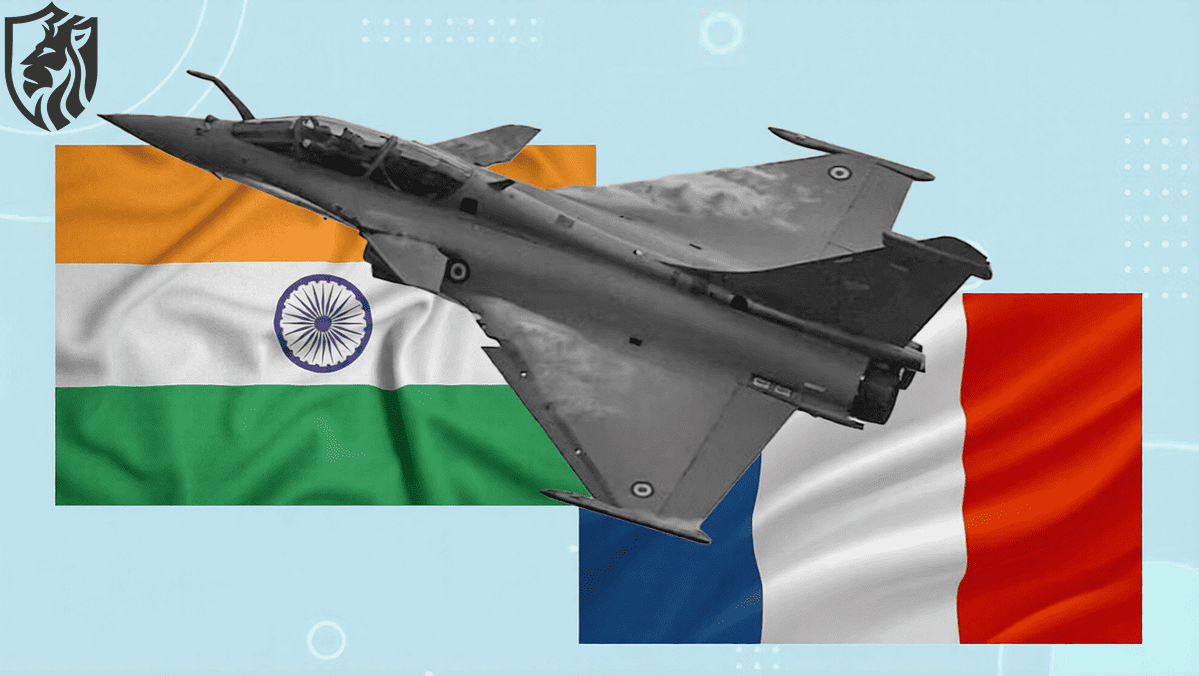
Why India pays more for Rafales while Indonesia pays less
Why Unit Cost Isn’t Comparable
OSINT’s “same jets, different price” framing made the initial comparison between India’s planned 114-jet purchase and Indonesia’s 42-jet Rafale order seem similar. The price of Indonesia’s package is frequently quoted at $8.1 billion, or roughly ₹68,000 crore, or ₹1,747 crore per aircraft. The reported 114-jet package from India is close to ₹3.25 lakh crore, which translates to about ₹2,850 crore per jet, or 1.5× more. But those numbers combine industrial work, support, weapons, and aircraft into a single headline figure. As a result, you should compare packages rather than airframes.
42 Rafales for Indonesia: 6+18+18
In February 2022, Jakarta signed a deal for 42 Rafales under the leadership of Defense Minister Prabowo Subianto. Reuters said the deal was worth $8.1 billion. There are three parts to the contract: 6, 18, and 18. The tranches started in September 2022, August 2023, and January 2024, according to Dassault. The company finished the order for 42 planes.
Rafale Per-Jet Price Comparison
| Buyer | Jets | Reported package value | “Reported” per-jet figure in write-ups | Simple per-jet math (Total ÷ Jets) | What that implies |
|---|---|---|---|---|---|
| Indonesia | 42 | $8.1B (also quoted as ~₹68,000 crore) | ~₹1,747 crore/jet (often quoted) | ₹68,000 ÷ 42 = ~₹1,619 crore/jet | The “₹1,747” figure would imply a higher total (≈ ₹73,374 crore) due to FX/rounding/what’s included. |
| India (planned) | 114 | ~₹3.25 lakh crore (≈ ₹325,000 crore) | ~₹2,850 crore/jet | ₹325,000 ÷ 114 = ~₹2,851 crore/jet | This per-jet number closely matches the straight division. |
Per-jet comparison (using the simple division results): India (~₹2,851) ÷ Indonesia (~₹1,619) ≈ 1.76 ×.
Key point: this “per-jet” figure is a blended package average (aircraft + weapons + sustainment + industrial work), not the flyaway price of the airframe.
India: AoN Cleared, Talks Next
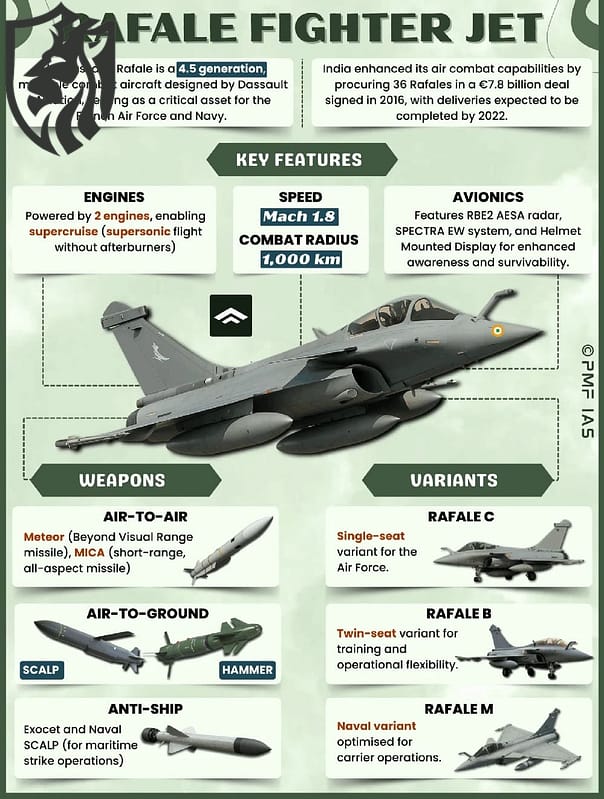
India has taken one step forward, but it hasn’t signed the final MRFA contract yet. Rajnath Singh is in charge of the Defence Acquisition Council, which gave Acceptance of Necessity to proposals worth about ₹3.60 lakh crore. These included the MRFA program (known as the Rafale) and six more P-8I aircraft for the Navy. The MRFA plan says that 114 Rafales will be built, with 18 of them delivered fly-away and 96 made in India as part of the Make in India program. It also talks about 88 single-seat and 26 twin-seat planes that are meant to be like the Rafale F4.
Why India Pays More
This is where the technical part of “Why India pays more for Rafales while Indonesia pays less” comes in.
Weapons and Combat Effects
Indian reports say that high-end weapons like Meteor for BVR air combat, SCALP for stand-off strike, and precision weapons like HAMMER are some of the most expensive things.
Support Package and Availability
India’s “per jet” price also includes simulators, spare parts, and long-term maintenance support. These things buy readiness, not style, and they can add up to a lot of money over the years. Check out our Su-57 supply chain article for a look at how sustainment and supply chains affect the availability of combat aircraft.
Industrial Build-Up and ToT
Funding tools, test infrastructure, training for workers, and qualifying suppliers are all necessary to build 96 aircraft locally. The AoN bundle also includes AS-HAPS for persistent ISR, demonstrating how India links purchasing airpower to acquiring more sensors. India also wants the weapons package to include “Make in India” content, such as Meteor and SCALP, in addition to the Safran–BEL HAMMER manufacturing venture.
India’s Squadron Shortfall
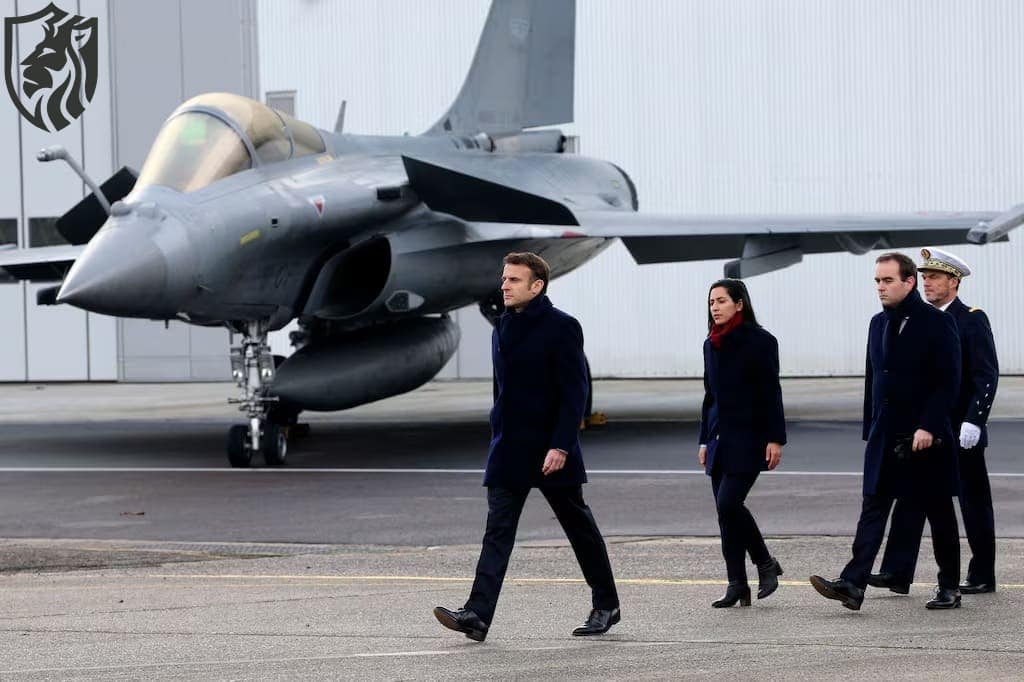
According to reports, India’s Air Force only has 29 fighter squadrons when it needs 42. Each squadron usually has 16 to 18 planes. So, India is buying not just capability but also numbers and depth. India already has 36 Rafales in the Indian Air Force, and it has ordered 26 more for use on aircraft carriers. That continuity lowers the risk of integration, but it also makes long-term maintenance and weapons replenishment needs higher.
Conclusion
In short, the reason India pays more for Rafales and Indonesia pays less is because of the bundle. Indonesia bought 42 planes in stages. India is trying to buy an ecosystem that includes jets, weapons, training, maintenance, and the ability to make things at home. AoN has now been cleared, but negotiations are still going on. Finally, the fact that India pays more for Rafales while Indonesia pays less is a reminder that “unit price” doesn’t always show what an air force needs in war.
References
- https://www.facebook.com/WIONews/posts/same-jets-different-price-why-indonesia-pays-less-for-rafales-while-india-mays-m/1270862031819635/
- https://www.reuters.com/business/aerospace-defense/indonesia-orders-42-rafale-jets-french-defence-minister-says-2022-02-10/
- https://www.dassault-aviation.com/en/group/press/press-kits/entry-into-force-of-the-final-tranche-of-18-rafale-for-indonesia/
- https://www.ndtv.com/india-news/indian-air-force-iaf-rafale-purchase-of-114-rafales-indias-biggest-military-buy-clears-major-hurdle-10994076
About the Author