Western Aircraft in USSR
Western planes in the USSR never became a perfect Soviet version of America’s Constant Peg. But Moscow still worked hard to check out, take apart, and use Western planes whenever it could. It looks like the USSR didn’t build a big flying program around captured enemy jets. Instead, they relied more on interned bombers, wreckage from battles, isolated parts, and access gained through allies, proxy wars, and spying.
Why Western Aircraft Matter
This story is important because it shows how the Soviet Union learned when it was under stress. In some cases, Soviet engineers got whole planes. In other instances, they received only broken parts, avionics, escape systems, or structural samples. Even then, Western planes in the USSR still helped Soviet experts learn about NATO airpower’s manufacturing options, maintenance logic, and combat design priorities.
B-29 to Tu-4
After World War II, things became very clear. After attacks on Japan, a number of Boeing B-29 Superfortresses landed in Soviet territory. Stalin then asked them to make a copy that was almost exactly the same, which became the Tupolev Tu-4. That is still the most solid proof that the USSR turned direct access to a Western plane into a major strategic program instead of just a one-time technical exercise.

Wreckage and Sensor Exploitation
Subsequent cases often resulted in greater fragmentation. Soviet teams discovered a significant amount of wreckage and utilized the U-2’s systems after its downing on May 1, 1960. That event showed how useful even one intelligence plane could be in Soviet hands. The overall trend in your source text is the same: Soviet institutions valued partial access because broken planes could still show materials, packaging, avionics layout, and production philosophy.

The Zhukovskiy Photo
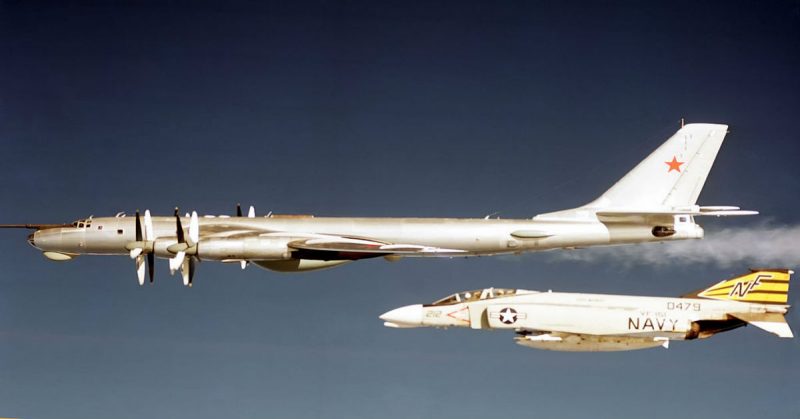
The August 11, 1971, photo from Zhukovskiy airbase is one of the most intriguing pieces of evidence in the story of Western aircraft in the USSR. It looks like there are F-4 Phantom and Mirage III forms parked next to a Soviet 3M bomber. But the stronger reading is not certainty but caution. The planes in that picture were probably static study objects or mock-ups built around real wreckage, not fully functional Western jets used for regular flight testing.

Collection Culture at Moscow Aviation Institute
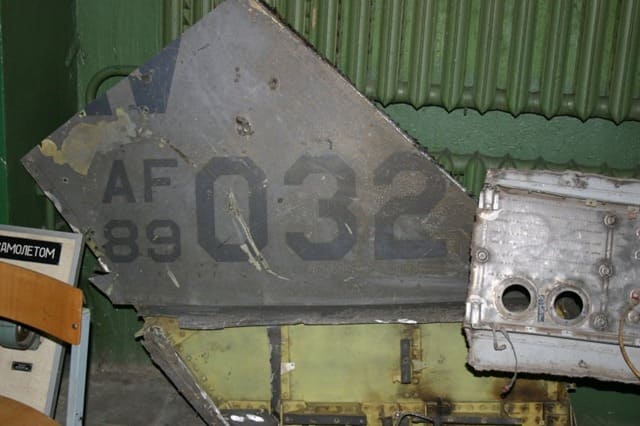
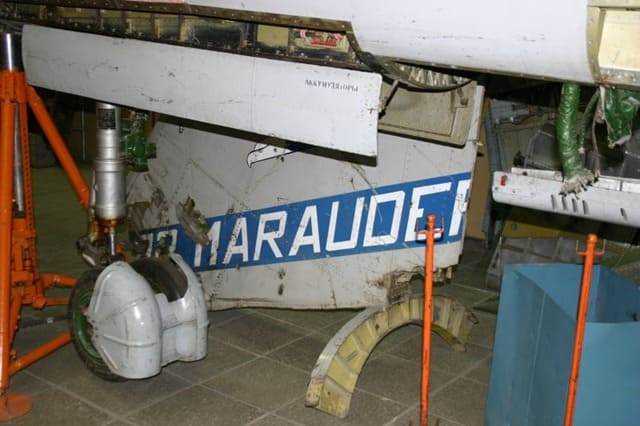
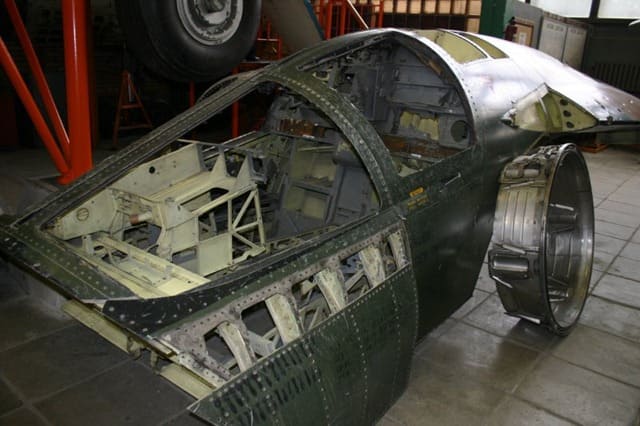
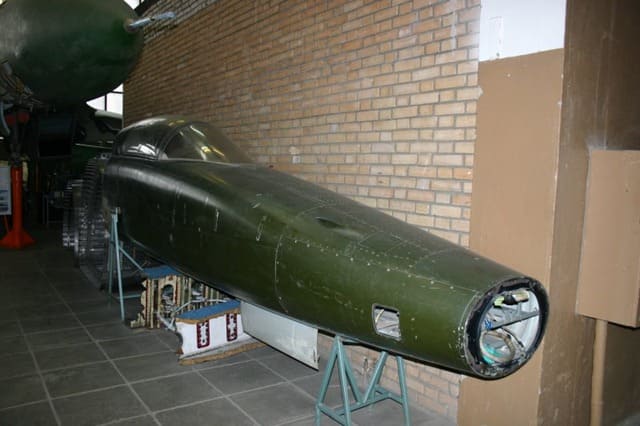
Your source text also points to an intriguing list of Western parts at the Moscow Aviation Institute. These include the fuselage of a Northrop F-5, an F-111 escape capsule, an A-7A section, and the vertical stabilizer from Scott O’Grady’s F-16C. Together, these items suggest a pattern of behavior by the Soviet Union: collect anything they could locate and then study it to learn more about design, maintenance, and weaknesses. Even when there were no intact planes, Western planes in the USSR still had real intelligence value.
The F-5E Case
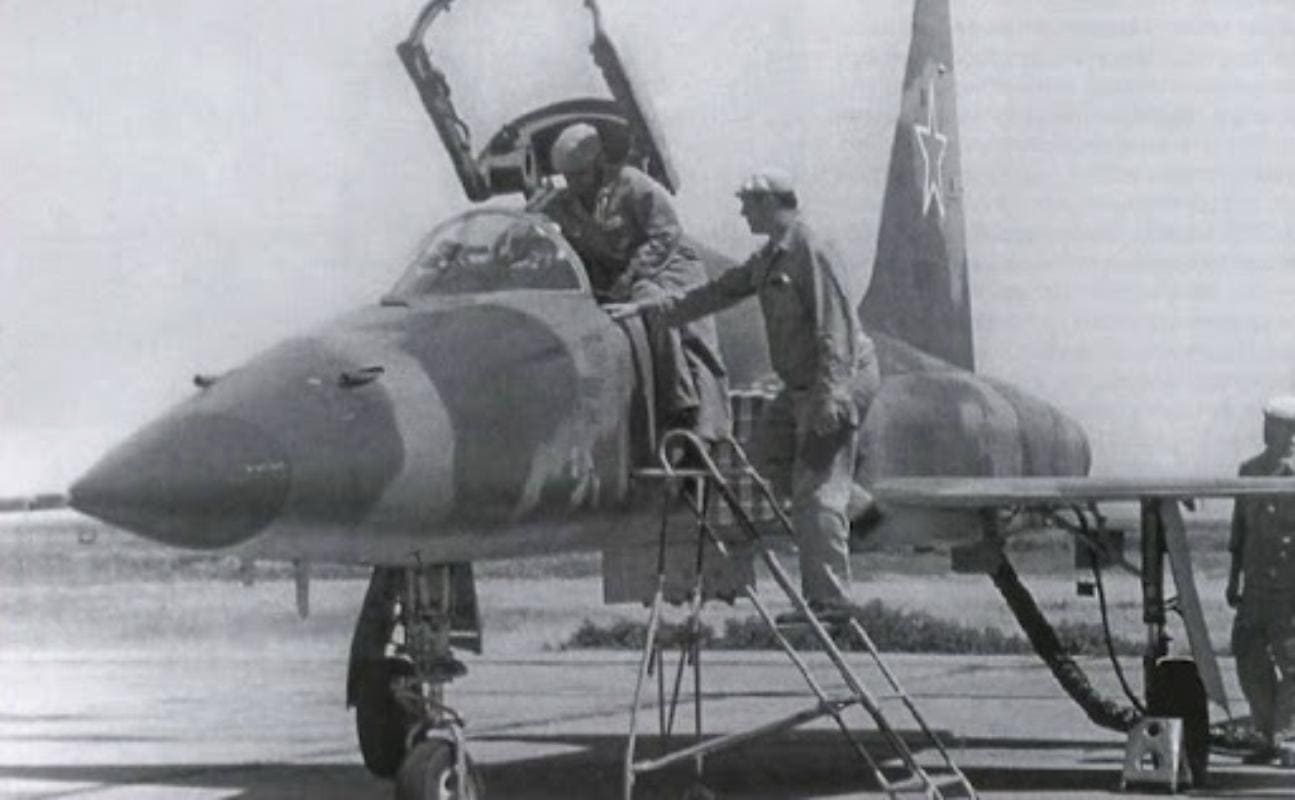
The Northrop F-5E Tiger II is likely the best Western fighter for a serious Soviet test. For a long time, secondary aviation sources said that Vietnam-era planes that were captured made it to Soviet test centers, such as Akhtubinsk, between 1976 and 1977. There, evaluators reportedly examined the planes and even flew some. According to those reports, Soviet teams praised the F-5E’s handling and straightforward maintenance. They also valued its low-speed performance. However, the aircraft still showed limits in energy retention and missile range. That makes the F-5E one of the best examples of a fighter plane in the USSR’s record of Western aircraft.
Mirage, Phantom and the Evidence Gap
It’s much harder to prove other cases. It was clear that the Soviets were interested in the Mirage III. In fact, KGB agents were involved in a 1969 plot in Lebanon to get access to one through spying. But that event doesn’t show that there was a full Soviet Mirage III flight-test program. The F-4 Phantom should be treated with the same care. Open reporting makes it easier for the Soviets to get parts from Vietnam or the Middle East, but there isn’t much solid public evidence that the Soviets are still flying Phantoms.
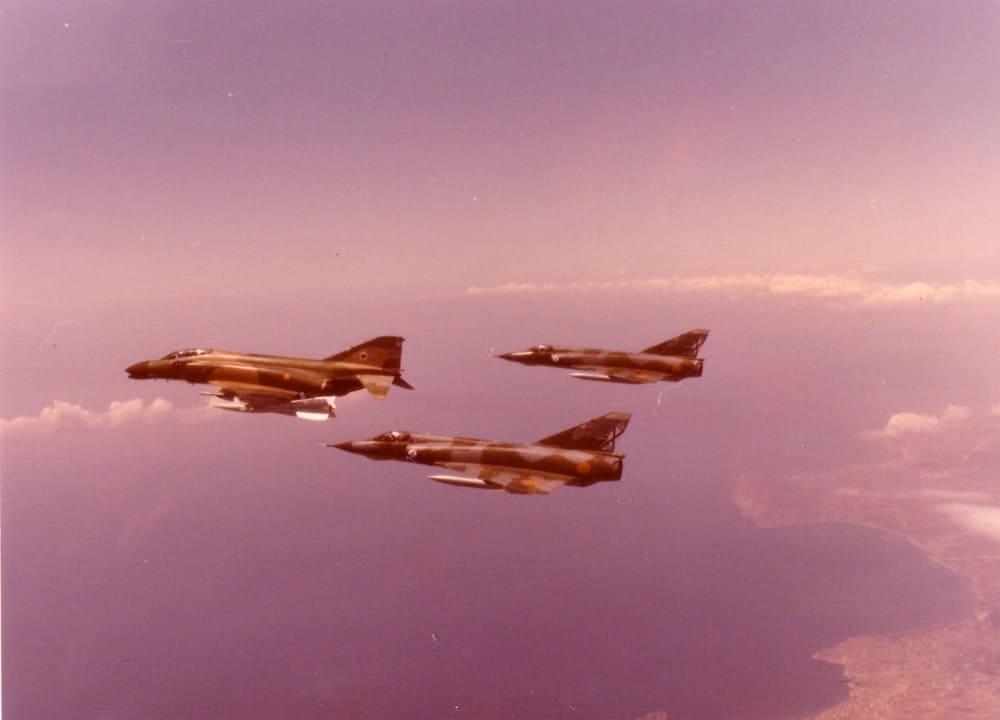
There have been rumors for years that Iranian F-14 Tomcats and AIM-54 Phoenix missiles have made it to the Soviet Union. The use of some of Washington’s most advanced combat systems in Iran before the revolution adds to their intrigue. Still, there isn’t any solid open proof yet. Therefore, any claim that the USSR fully tested Iranian F-14 technology should be clearly marked as unproven.

Reverse Engineering Over Flight Tests
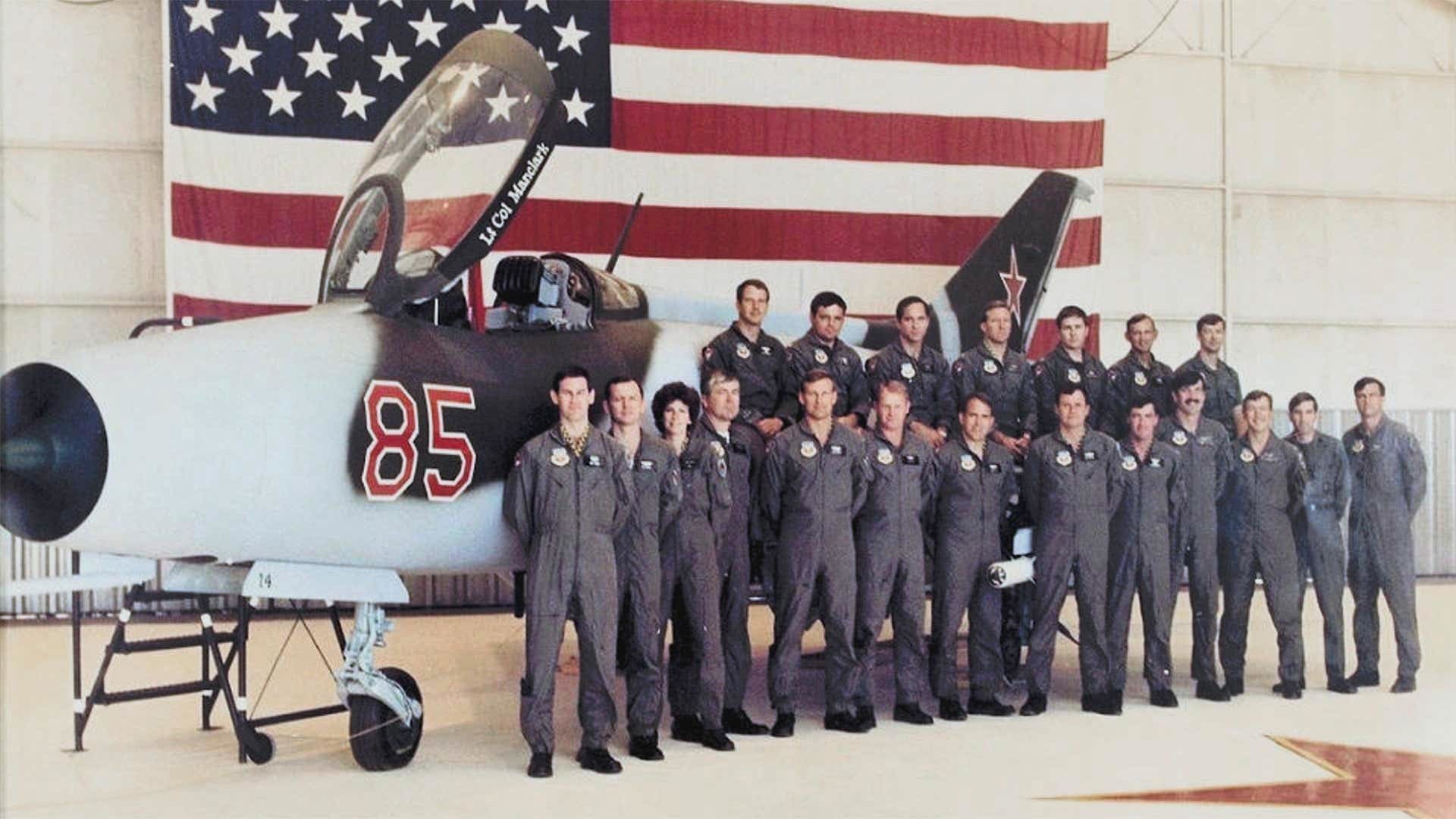
This area is where the Soviet and American ways of doing things seem to be the most different. The US established highly structured programs for the MiGs it acquired, the most famous of which is Constant Peg. However, it appears that the USSR primarily utilized Western planes for reverse engineering and technical exploitation rather than for flight testing. Engineers still learned how to set up radar, route hydraulics, think about structures, make the cockpit comfortable, and design access panels even though there was no permanent flying fleet.
What Soviet Designers Learned
It would be foolish to assume that every captured part went to a later Soviet fighter. Even so, seeing Western planes in the USSR probably helped the Soviets understand NATO’s strengths better. The available evidence indicates that these studies prompted Soviet engineers to contemplate maintainability, pilot workload, packaging efficiency, and aerodynamic trade-offs more rigorously. That matters because even limited access could help with both counter-tactics and future design choices.
Conclusion
There were real Western planes in the USSR, but they weren’t all the same. The B-29 was at one end, and the Soviets copied it to make the Tu-4. On the other side were rumors, bits of information, and visual clues that still point to something but don’t prove it. The safest thing to say is that Moscow didn’t secretly fly every type of Western plane it wanted. Instead, Soviet institutions used every possible opportunity, from captured bombers to spying on the West and battlefield wreckage, to close the gap in knowledge with the West. The history of Western aircraft in the USSR during the Cold War is still an intriguing and important topic.
References
- https://defensenewstoday.info/western-aircraft-reviewed-in-the-ussr/
- https://defensenewstoday.info/soviet-fighter-jets-in-u-s-combat-training-program-constant-peg/
- https://www.britannica.com/technology/Tu-4
- https://theaviationgeekclub.com/the-story-of-when-kgb-tried-and-failed-to-steal-a-lebanese-mirage/
About the Author