

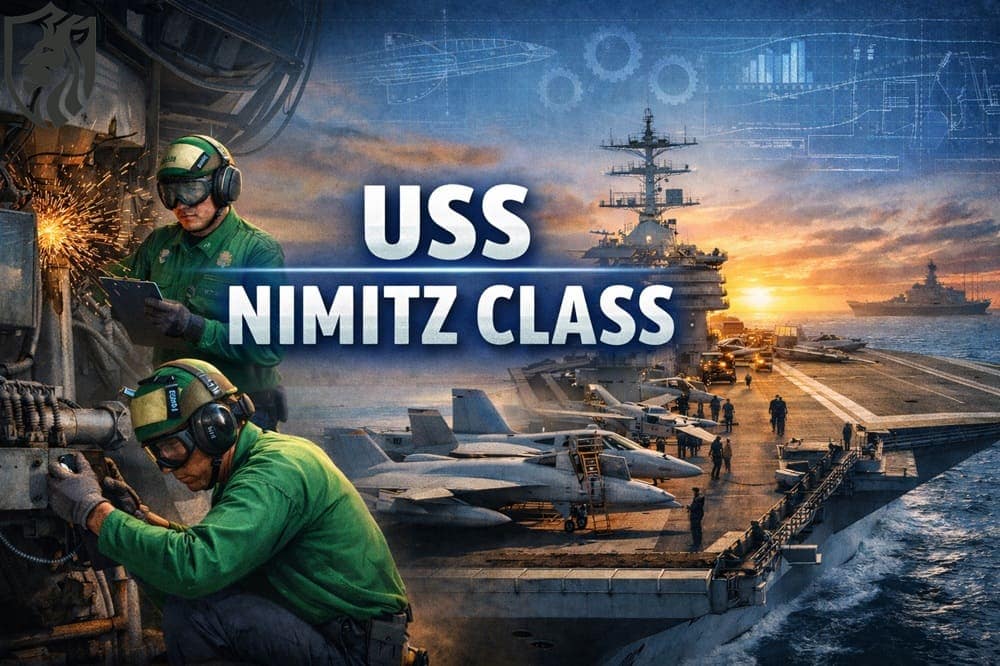
USS Nimitz Retirement — End of a Supercarrier Era
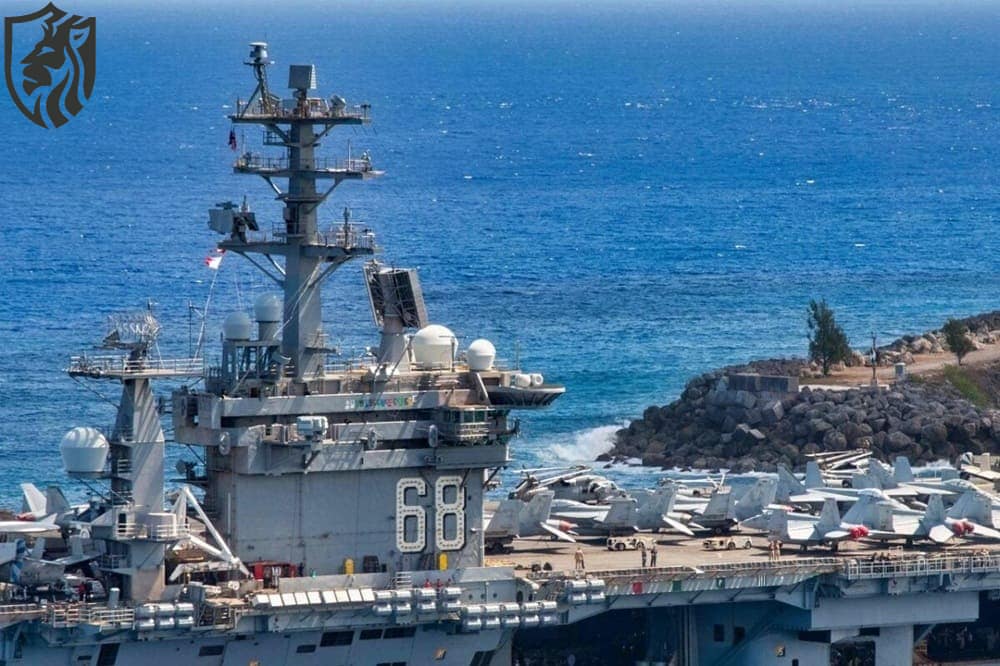
After half a century at the center of US sea power, USS Nimitz’s retirement now looks unavoidable—and imminent. In mid-December 2025, the nuclear supercarrier returned to Naval Base Kitsap, Bremerton, for what the Navy and most observers treat as its last homecoming before decommissioning in 2026.
That is relevant for more than nostalgia. Nimitz is not just an old hull. It is a global scheduling “unit” that supports deterrence, crisis response, and allied reassurance. As the Navy pivots towards the Ford class, the timing of deliveries and maintenance windows will decide whether the carrier force stays steady—or dips into a capability gap.
Final deployment: key numbers
USS Nimitz sailed in March 2025 as the flagship of Carrier Strike Group 11, then worked across multiple theaters through a roughly nine-month cruise. Operationally, the deployment tempo looked real, not ceremonial:
- 8,500+ sorties flown
- 17,000 flight hours are logged.
- 50 replenishments at sea are completed.
- 82,000+ nautical miles combined sailed
A strike group commander framed the mission as deterrence alongside allies and partners, emphasizing the carrier’s role in “peace through strength.” In practice, that meant a familiar mix: sustained flight operations, forward presence, and the ability to surge airpower without asking for basing rights. That “mobile airfield” function is exactly what planners worry about losing when a carrier leaves the inventory.
Carrier force maths after Nimitz
The US carrier force already requires careful balancing between availability and maintenance realities. Despite the Navy’s theoretical possession of 11 nuclear carriers, not all of them can be deployed simultaneously. By law, the Navy is expected to maintain an 11-carrier force, but readiness cycles still constrain how many are operationally available at any moment. That is why USS Nimitz retirement matters now. Removing a still-functional carrier compresses the schedule. It increases pressure on the remaining Nimitz-class ships to cover commitments while also hitting their own yard periods.
Ford class: what changes
The Navy built the Gerald R. Ford class to replace Nimitz-class carriers on a roughly one-for-one basis. The pitch is straightforward: more power generation, higher sortie generation, and lower crew burden through automation.
Key upgrades include:
EMALS and advanced arresting gear
Ford-class carriers shift from steam catapults to the Electromagnetic Aircraft Launch System (EMALS), paired with updated arresting systems and newer sensor suites.
More sorties, smaller crew
The design goal commonly cited is about 25% higher sortie generation compared with Nimitz, with a reduction in manpower driven by automation and redesigned workflows. That is the theory. The strategic bet is that higher efficiency offsets the high demand for deployed carrier presence. However, the transition is not just about technology. It is also about industrial cadence, integration risk, and the ability to deliver ships on schedule.
Delivery delays and gap risk
Here is the pinch point: USS John F. Kennedy (CVN-79)—the second Ford-class carrier—has faced schedule pressure and is now discussed in the official budget context as delivering in March 2027. USNI News reported that this delay can force the fleet to drop to 10 carriers for a period, depending on retirement timing and maintenance overlaps. This situation is where USS Nimitz retirement stops being symbolic and becomes structural. If CVN-79 arrives later than planned, the Navy can end up with:
- Tighter surge capacity during crises,
- Fewer options for continuous presence in key theatres, and
- Less flexibility when another carrier hits an unplanned maintenance issue.
In other words, carrier numbers are not a vanity metric. They are a deterrence calendar.
Deterrence during the transition
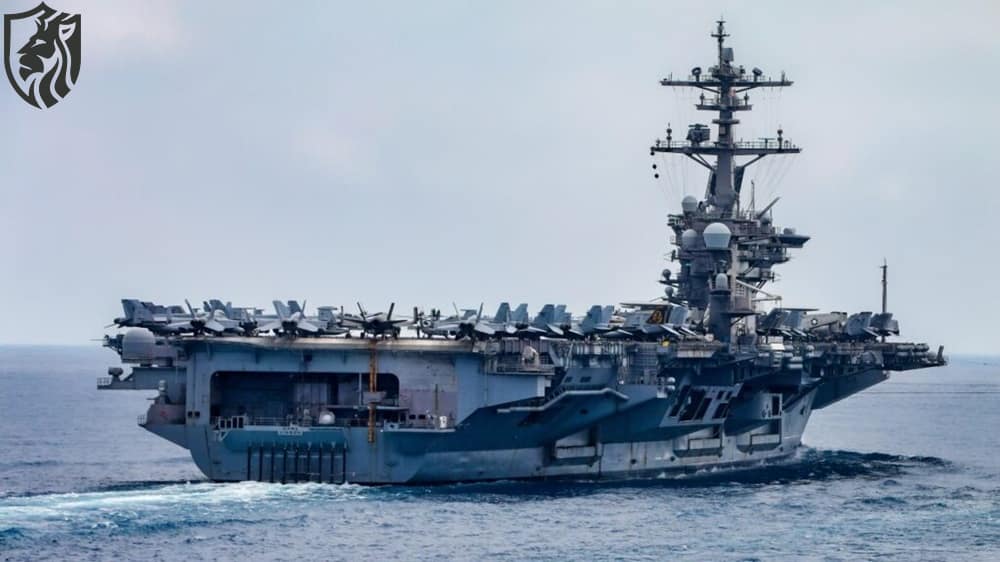
As Nimitz leaves service, the carrier force must still support overlapping demands—especially in the Indo-Pacific and the Middle East—while also sustaining training pipelines and maintenance depth. The risk is not that the United States “runs out” of carriers overnight. The risk is more operational: fewer ready decks, fewer available air wings, and less ability to stack presence when adversaries test thresholds. That is why the next two years matter. The Navy needs predictable outcomes in three areas:
- On-time deliveries: If CVN-79 holds its revised timeline, planners can rebuild the schedule. If it slips again, gaps widen quickly.
- System reliability at scale: Independent reporting and government oversight have tracked maturity issues across Ford-class technologies over time, including launch and weapons-handling systems.
- Keeping the legacy fleet ready: Aging carriers can still deliver combat power, but they demand time in dock. The fleet either funds that reality or accepts reduced coverage.
Conclusion
USS Nimitz retirement closes a 50-year chapter, but it also tests the Navy’s ability to manage risk while modernizing. Nimitz came home in December 2025 after a high-tempo deployment that included 8,500+ sorties and 17,000 flight hours—hard evidence that the ship remained operationally valuable right up to the end.
The Ford class offers a strong set of advantages on paper, including EMALS and higher sortie potential. Yet the transition hinges on one unglamorous variable: delivery and maintenance schedules. With CVN-79 now pointed at 2027, the Navy must manage a narrow window where carrier availability can drop and strategic demands will not wait.
References
- https://www.cpf.navy.mil/Newsroom/News/Article/4362799/uss-nimitz-returns-to-homeport/
- https://news.usni.org/2025/12/16/carrier-uss-nimitz-returns-to-bremerton-wraps-final-deployment
- https://news.usni.org/2025/07/07/carrier-john-f-kennedy-delivery-delayed-2-years-fleet-will-drop-to-10-carriers-for-1-year
- https://www.congress.gov/crs_external_products/RS/PDF/RS20643/RS20643.300.pdf
About the Author