
US Navy Nixes Constellation Frigate Program — Fleet Reset
A flagship frigate plan that ran aground
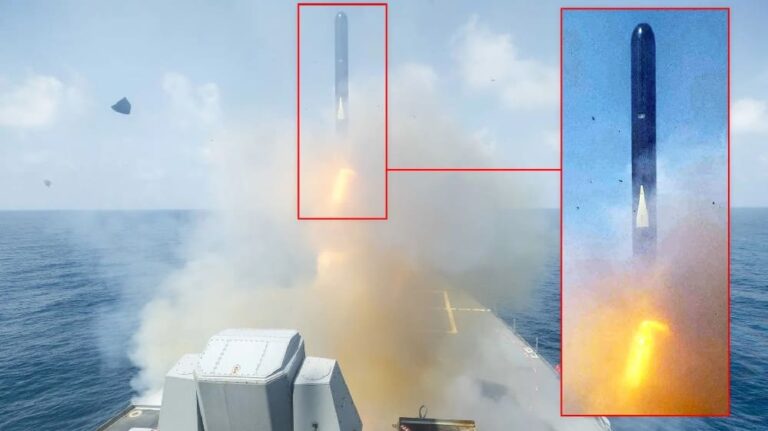
The US Navy nixes the Constellation frigate program after months of delays, cost growth, and rising technical risk. Senior leaders now argue they must build warships faster and in greater numbers to match the threat from China’s rapidly expanding fleet.
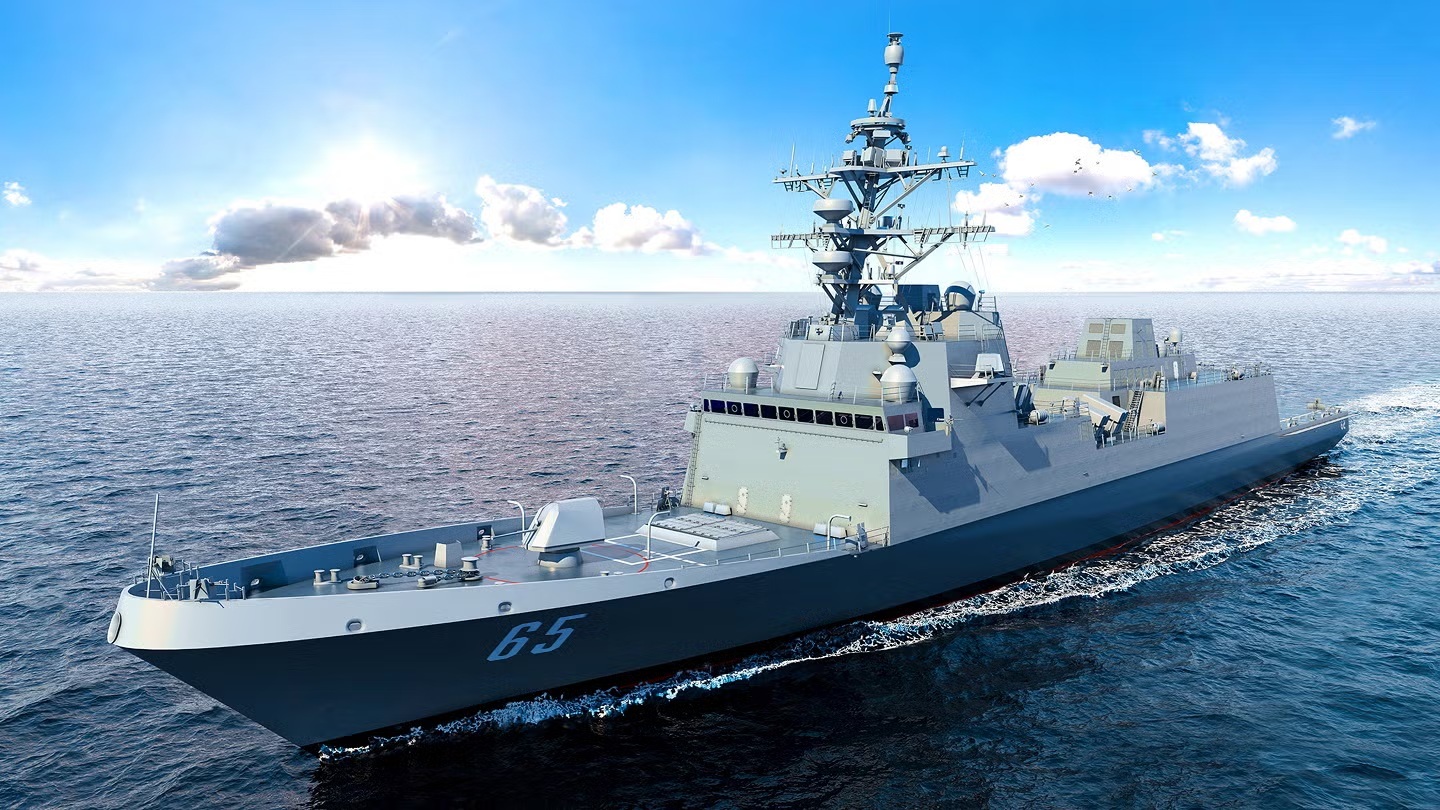
The program began in 2020 with ambitious plans for up to 20 multi-mission guided-missile frigates based on Fincantieri’s FREMM design, already proven in Italian and French service. On paper, the parent design offered a lower risk and faster delivery compared to an entirely new concept.
However, as the design matured, the Navy demanded extensive modifications to meet US combat system and survivability requirements. Those changes undermined the very “low-risk derivative” argument used to sell the Constellation concept to Congress in the first place.
How design creep disabled the Project
When the contract was awarded, officials claimed that “basic and functional” design work was nearly complete. Yet by 2025, the detailed design stood at only about 70% despite construction having started, with the first ship already three years late.
GAO reporting shows how repeated design changes triggered weight growth well beyond original margins. Analysts now estimate the frigate could end up more than 700 tonnes heavier than early projections, forcing discussions about reducing speed requirements or cutting capability.
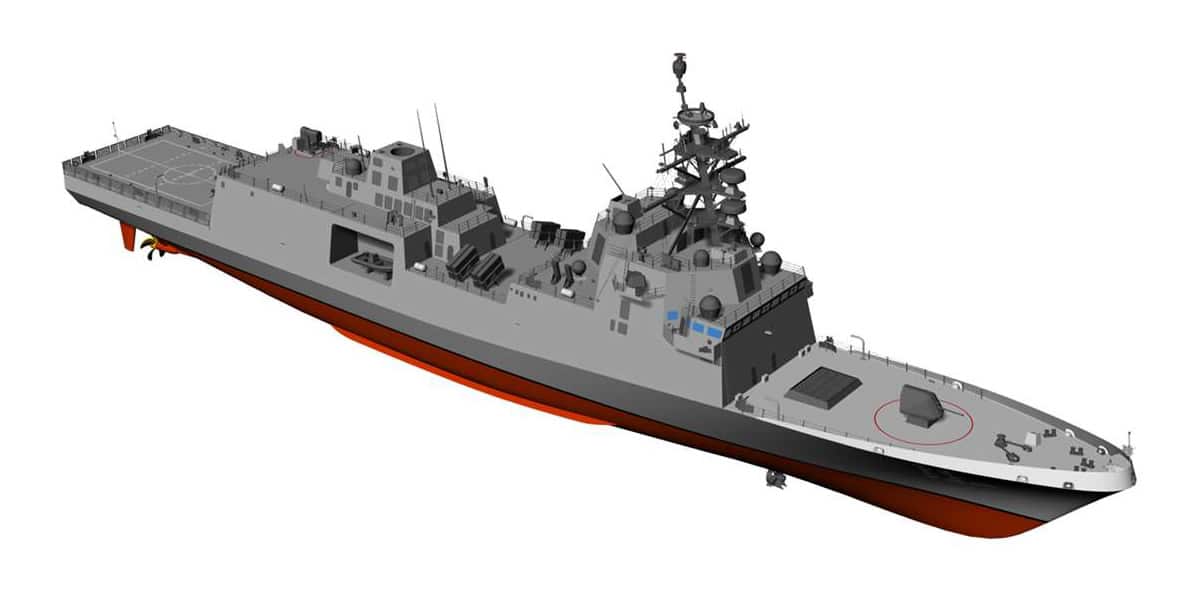
Instead of a modestly adapted FREMM, the Navy created a heavily re-engineered combatant that “bears little resemblance to the parent design.” This outcome defeats the core rationale behind the US Navy’s decision to nix the Constellation frigate program and illustrates how design discipline collapsed.
Phelan’s hard reset: cancelling four ships
Navy Secretary John C. Phelan used a post on X to confirm a strategic pivot away from the Constellation class. Four contracted frigates that had not yet entered construction will be cancelled “for the Navy’s convenience,” while the first two ships under construction in Wisconsin will continue but remain under review.
Phelan presented the decision in a clear and concise manner. He argued that every dollar must strengthen readiness and war-fighting advantage, not feed slow, unstable programs. The US Navy nixes the Constellation frigate program precisely because it no longer met those tests on schedule, cost, or risk.
Senate Armed Services Committee Chairman Sen. Roger Wicker backed the call, describing it as a difficult but necessary correction that restores accountability in naval shipbuilding. His support signals that Congress is prepared to trade sunk costs for a more credible path to fleet growth.

Fincantieri’s US footprint
For Italian shipbuilder Fincantieri, the cancellation is a major blow, but not a strategic exit. The firm has invested more than $800 million across four US yards—Marinette, Green Bay, Sturgeon Bay, and Jacksonville—and now employs around 3,750 staff in the United States.
Sources in Italy estimate the original six-ship Constellation package at about $5.5 billion. Continuing work on the first two frigates, plus negotiated indemnities, should be worth roughly $3 billion, while planned follow-on orders for amphibious, icebreaking, and special-mission vessels could add another $2 billion.
Crucially, the agreement reportedly indemnifies Fincantieri Marine Group against existing economic commitments and industrial impacts arising from the cancellation. That structure aims to keep the Wisconsin and Michigan yards viable as a core part of the US maritime industrial base, even as the US Navy nixes the Constellation frigate program.
Why the Navy still needs Marinette
Phelan stressed that the Navy “needs ships” from every yard that can build them and highlighted his concern for keeping the Marinette workforce employed. That message reflects a broader reality: the United States cannot grow its fleet without stable, well-trained shipyard labor and modern facilities.
Fincantieri Marine Group’s CEO framed the firm’s investment as a long-term bet on becoming a cornerstone of the American shipbuilding renaissance. For Washington, preserving that capacity matters as much as any single class of ships. Future small surface combatants, auxiliaries, or ice-capable vessels may all flow from the same upgraded yards.
For readers tracking US industrial strategy, this decision echoes themes we have covered in our US Navy fleet modernization analysis, where shipyard throughput and workforce depth often prove more decisive than any single platform choice.
Strategic logic
Behind the headlines, the US Navy nixes the Constellation frigate program because the service believes it cannot afford another high-risk, slow-moving surface combatant. China continues to launch modern destroyers, frigates, and corvettes at a pace the US cannot currently match.
Phelan’s new framework aims to prioritize ship designs that can move from concept to steel more quickly, with tighter design baselines and better control of change requests. Analysts expect the Navy to explore alternative small surface combatants that accept more modest ambition in exchange for speed, scale, and affordability.
For context on how these trends intersect with Chinese naval expansion and grey-zone pressure, readers can revisit our analysis of China’s naval build-up, which sets the broader strategic clock against which US shipbuilding now competes.
What comes after Constellation?
In the near term, the Navy will finish the first two Constellation-class hulls if they pass ongoing reviews. Those ships could still provide useful testbeds for combat systems, survivability features, and future design rules, even if they remain orphans in a mixed fleet.
Meanwhile, the service is updating its 30-year shipbuilding plan and Battle Force Ship Assessment to align with a new National Defense Strategy. Observers should watch for a new generation of more tightly scoped frigates or corvette-like combatants designed around stable hulls and proven weapons, rather than ambitious redesigns over a foreign parent ship.
If the lessons from Constellation are learned, the true impact of this shortened program might be more about changing attitudes than physical results: a stronger focus on design readiness, a more careful way of making changes, and a better connection between strategy, risk, and what the industry can actually deliver.
References
- https://news.usni.org/2025/11/25/navy-cancels-constellation-class-frigate-program-considering-new-small-surface-combatants
- https://www.gao.gov/products/gao-24-106546
- https://www.navy.mil/Resources/Fact-Files/Display-FactFiles/Article/2633250/constellation-class-ffg/
- https://defensenewstoday.info/
About the Author