

US Missile Strikes on Venezuela — Targets Analyzed
Overnight reports of US missile and air strikes on Venezuela triggered shockwaves across the region. Yet, crucial details remain disputed. What is relevant for defense watchers is the target logic: early indications point to a classic attempt to blunt air defenses, disrupt air power on the ground, and pressure senior command nodes. This episode could represent a significant shift in the military balance of Latin America.
For related regional contexts, follow our South America Defense coverage.
What’s Verified, What Isn’t
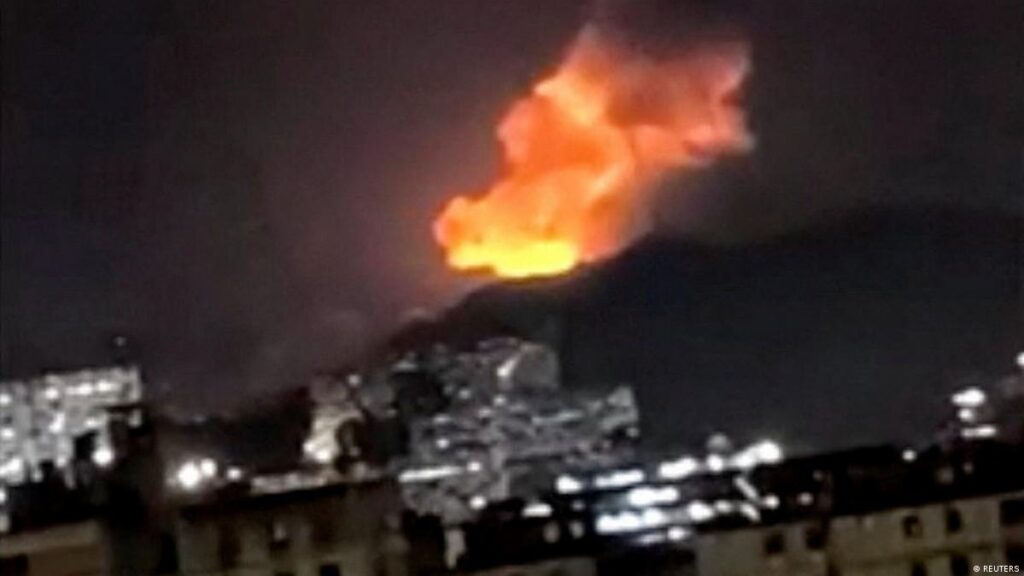
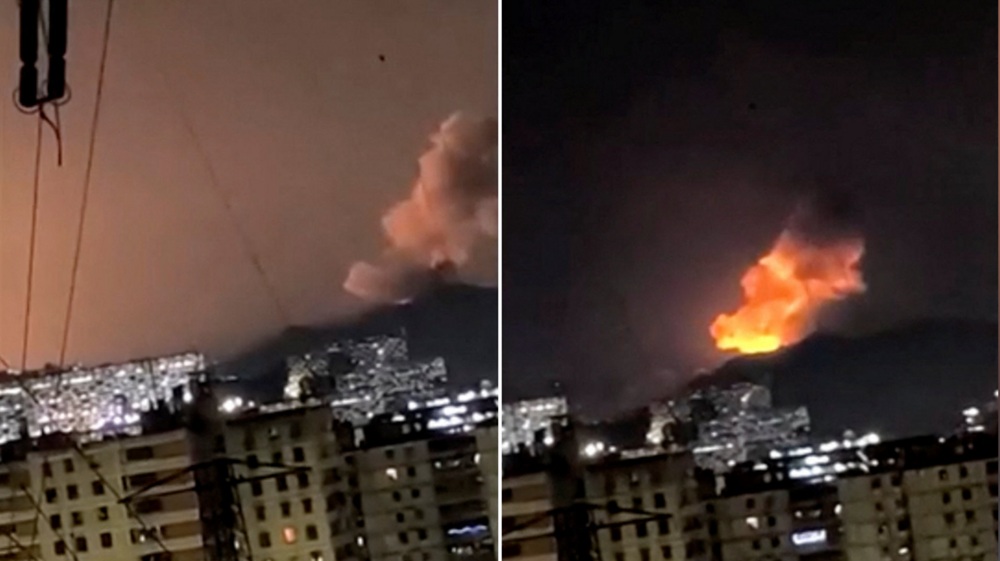
Reuters reported in relation to witness accounts and media reporting that multiple explosions occurred in Caracas in the early hours, beginning around 2:00 a.m. local time (06:00 GMT). Reuters reported aircraft activity and black smoke, while local areas experienced power disruption near a major military base. The Guardian, citing Associated Press reporting, said at least seven explosions were heard and that smoke appeared near two sensitive military locations: La Carlota airfield and Fuerte Tiuna base.
There was a delay in official messaging. Reuters reported that US officials were aware of the reports, while the White House and Pentagon did not immediately provide details. Later, Venezuela’s government said it rejected “military aggression” and stated attacks occurred in Caracas and in Miranda, Aragua, and La Guaira, alongside a declared national emergency and mobilization language.
Why This Target Set Matters to Airpower Analysts
Even with gaps, the reported pattern aligns with a coordinated attempt to degrade the capital’s protection bubble. In practical terms, planners often prioritize the ability to see, track, and fire before they chase mobile units.
Air-Defence Suppression Comes First
Local and regional reporting described strikes against air-defense systems in the Caracas region. If accurate, that points to a SEAD/DEAD-style opening move. It aims to reduce radar coverage, force emitters offline, and widen safe corridors for follow-on aircraft. Just as importantly, it shapes psychology. When a capital’s defenses look penetrable, its leadership’s assessment of risk changes quickly.
Airfield and Hangar Kills Cut Sortie Rates
Reports also referenced an airport near Caracas and military aircraft hit inside hangars. Striking aircraft on the ground is efficient. It removes capability without the uncertainty of air-to-air engagements, and it complicates recovery because shelters, spares, fuel, and maintenance all become bottlenecks. As Caracas reporting focused on La Carlota smoke, the airfield angle remains central to understanding the night’s intent.
Command Sites Raise Political Stakes
Some local claims suggested impacts on government facilities linked to senior leadership, including defense-adjacent sites. These accounts remain extremely difficult to verify independently, so analysts should treat them as reported, not confirmed. However, the underlying logic remains consistent: target the command-and-control ecosystem rather than the dispersed field units.
Platforms, Munitions, and Key Unknowns
Public reporting has not pinned down the platforms used. However, modern strike packages that enter contested airspace often rely on standoff precision weapons, electronic attack support, and ISR cueing to manage risk. Until either side releases concrete battle-damage imagery or a formal briefing, any claim about specific aircraft types or missile models stays speculative. For live reporting, monitor CBS’ rolling updates and cross-check with wire-service confirmations.
Regional Fallout and Escalation Signals
The diplomatic stakes escalated when Colombia’s President Gustavo Petro publicly claimed that Caracas was under attack and called for an emergency UN session. Meanwhile, Reuters described an intensifying US pressure campaign that includes a regional military build-up and a blockade policy, which frames these reports inside a wider coercive strategy.
What to Watch in the Next 24–72 Hours
There will be official statements outlining the scope, objectives, and legal basis of the campaign.
- Battle-damage indicators: runway status, hangar destruction, and radar silence patterns.
- Venezuelan response posture: mobilization steps, air-defense reconstitution, or asymmetric retaliation signals.
- UN/OAS trajectory and any emergency convening outcomes.
- Information operations: conflicting claims will surge before verified imagery settles the picture.
References
- https://www.reuters.com/world/americas/loud-noises-heard-venezuela-capital-southern-area-without-electricity-2026-01-03/
- https://www.reuters.com/world/americas/venezuela-says-it-rejects-military-aggression-by-us-2026-01-03/
- https://www.theguardian.com/world/2026/jan/03/explosions-reported-venezuela-caracas
- https://www.cbsnews.com/live-updates/venezuela-us-military-strikes-maduro-trump/
About the Author