

US lawmakers press Trump on Chinese chemicals exports to Iran
Chinese chemical exports to Iran
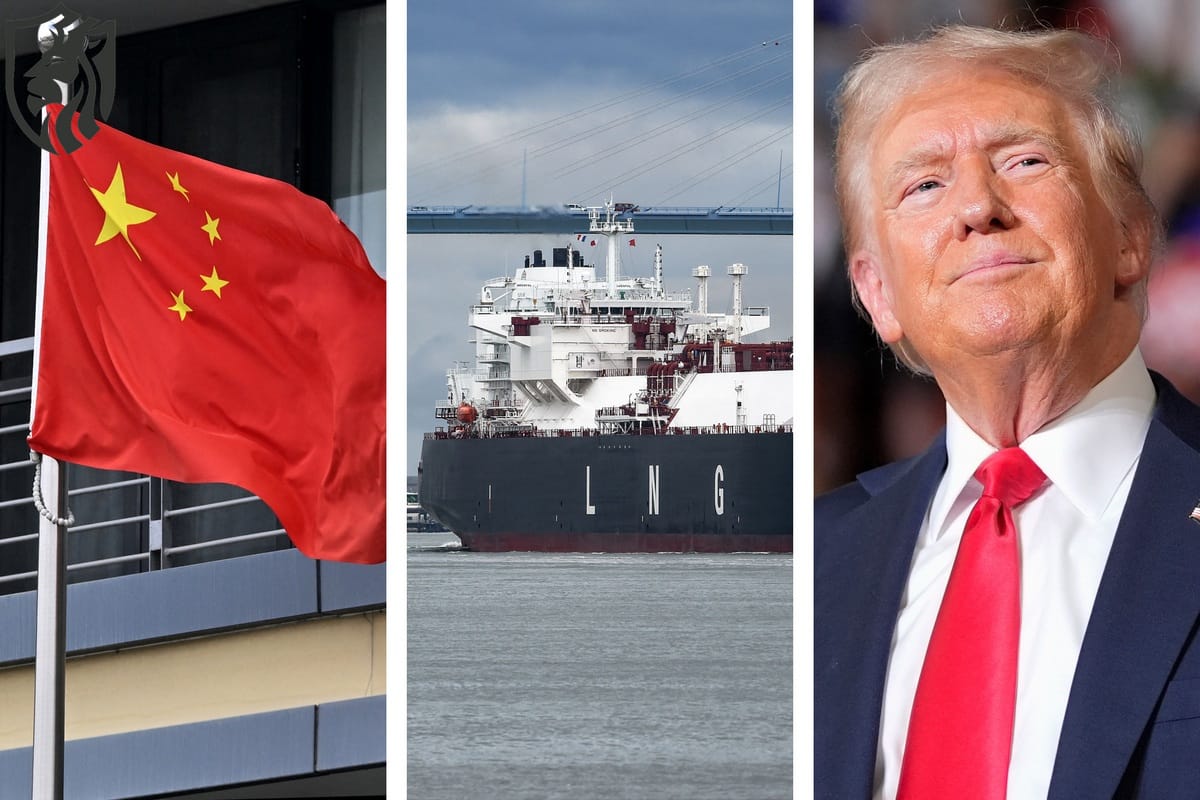
US lawmakers are demanding answers from the Trump administration after new evidence of Chinese chemical shipments to Iran emerged. They argue that Chinese firms are quietly helping Tehran rebuild its ballistic missile arsenal in defiance of renewed United Nations sanctions, despite the recent snapback of measures linked to the 2015 nuclear deal.
Representatives Raja Krishnamoorthi and Joe Courtney have written to senior officials after CNN and other outlets revealed repeated shipments of rocket-fuel precursors from Chinese ports to Iran. Their letter urges the State Department and the CIA to explain how Beijing has moved key oxidisers into Iran despite US sanctions and maritime monitoring.
For defence analysts, the exchange shows how congressional committees now treat dual-use supply chains as a frontline security issue. Oversight of maritime traffic, financing networks and freight insurance is no longer a niche technical task but a core element of deterrence policy.
Iran’s missile rebuild and Sodium Perchlorate
At the centre of the controversy is sodium perchlorate, a key precursor for solid-rocket propellant. Western intelligence sources say roughly 2,000 tonnes of the chemical moved from Chinese ports to Bandar Abbas between late September and mid-October, part of a wider pattern of consignments since the 12-Day War with Israel.
Analysts note that such Chinese chemical shipments to Iran could be enough to support production runs for roughly 500 medium-range ballistic missiles, depending on design and fuel loading. These deliveries matter because Iran’s arsenal took losses during its 12-day conflict with Israel last summer, and Tehran appears determined to reconstitute its stockpiles quickly.
Solid-fuel missiles are particularly valuable because they can remain in storage and launch with minimal preparation. Shorter countdown cycles reduce warning time for defenders and make decapitation strikes harder, so propellant precursors become strategic commodities in their own right.

Sanctions and the legal grey zone
The shipments arrived just as more-than-a-decade-old UN sanctions on Iran snapped back into force under the JCPOA’s dispute mechanism. Under those rules, Iran has to steer clear of activities involving ballistic missiles that can carry nuclear warheads, and countries must stop supporting these programmes, including materials related to delivery systems.
However, sodium perchlorate itself is not explicitly listed in UN control schedules, even though it can be converted into ammonium perchlorate, a banned oxidiser used in ballistic missiles. This ambiguity gives Beijing room to argue that its exports do not breach UN resolutions, even as Chinese chemical shipments to Iran increase Tehran’s ability to assemble new missiles.
Sanctions practitioners warn that this type of loophole is becoming more common as technology spreads. When a substance has legitimate civilian uses, drafting tight control lists is difficult, and proliferators can hide behind paperwork, obscure intermediaries, and complex shipping routes.
Beijing’s position
Chinese officials say Beijing respects its international obligations. They insist China tightly controls exports of sensitive dual-use goods.
In public statements, they argue broad sanctions are blunt and counterproductive. Instead, they present diplomacy as the best way to handle the Iranian nuclear question. They also criticised UN measures supported by Washington and its key allies as unhelpful escalations.
US lawmakers see these shipments as part of a wider pattern of cooperation. That pattern links China, Iran, Russia and North Korea with a loose strategic web.
They worry less about a formal alliance and more about practical, quiet coordination. Technology, components and even diplomatic covers move through this network, like a shared strategic currency. Within it, oxidisers and other chemical precursors become valuable tools of influence and leverage.
For Beijing, Iran offers reliable energy supplies and a significant export market. It also anchors key routes along Belt and Road corridors in the Middle East. These ties give China bargaining power in difficult negotiations with Washington.
Limiting Chinese chemical shipments to Iran would directly undermine those strategic interests. It would also narrow China’s influence in a corridor stretching from the Gulf to the Mediterranean.
Pressure on Washington
Krishnamoorthi and Courtney argue that existing US steps have failed to deter Beijing. Washington imposed sanctions in April on Iranian and Chinese entities tied to propellant procurement for the Islamic Revolutionary Guard Corps, specifically targeting networks that source sodium perchlorate and related additives from the PRC.
They now want a clearer strategy that combines financial pressure, maritime enforcement and diplomacy with allies. Without such a framework, every public warning about Chinese chemical shipments to Iran risks sounding hollow and encourages other suppliers to test the system.
If the reported quantities are accurate, Iran could eventually field several hundred additional solid-fuel missiles. That surge would complicate air and missile defence planning for Israel, Gulf states, and US forces, making layered defences, dispersals, and hardened infrastructure even more important.

Next agenda item for Washington and its allies?
Looking ahead, US policymakers have several tools, though none are cost-free. They could expand secondary sanctions on Chinese logistics firms linked to these shipments. They might also target insurers that underwrite risky cargoes along the China–Iran route. Another option is to update UN control lists to cover sodium perchlorate and similar precursors. That step would close the loophole currently exploited in these dual-use chemical shipments.
At the same time, Washington will need discreet, steady diplomacy with Beijing. Both sides must keep crisis-management channels open, even while sanctions pressure increases. For allies, sharing closer intelligence on procurement routes, shell companies, and suspicious cargoes will be vital. They need clear pictures of who buys, ships and insures every sensitive chemical load. Only then can they hope to deter further Chinese chemical shipments to Iran.
Conclusion
In the meantime, analysts will track shipping data with unusual care. They will study satellite imagery for patterns around key Iranian and Chinese ports. Posts from crews sailing the China–Iran route will offer extra, informal clues. Every confirmed movement of dual-use chemicals becomes another data point in the sanctions story. Together, those points reveal how sanctions work—or quietly fail—under renewed great-power competition.
References
- Defense News Today – Chinese Navy Monitors U.S.–Iran Conflict from Persian Gulf Waters
https://defensenewstoday.info/chinese-navy-monitors-u-s-iran-conflict-from-persian-gulf-waters/ DEFENSE NEWS TODAY - Defense News Today – Israel’s F-35s and Iran’s Air Defences
https://defensenewstoday.info/a-uk-admiral-says-israels-f-35s-proved-their-power-by-wiping-out-nearly-all-of-irans-air-defences/ DEFENSE NEWS TODAY - U.S. State Department – New Sanctions Targeting Iran’s Ballistic Missile Program
https://www.state.gov/releases/2025/04/new-sanctions-targeting-irans-ballistic-missile-program state.gov - The Maritime Executive – Iran Steps Up Imports of Chinese Rocket Fuel Material
https://maritime-executive.com/editorials/iran-steps-up-imports-of-chinese-rocket-fuel-material Maritime Executive
About the Author