US AI Tools in Iran War: What CENTCOM Confirmed
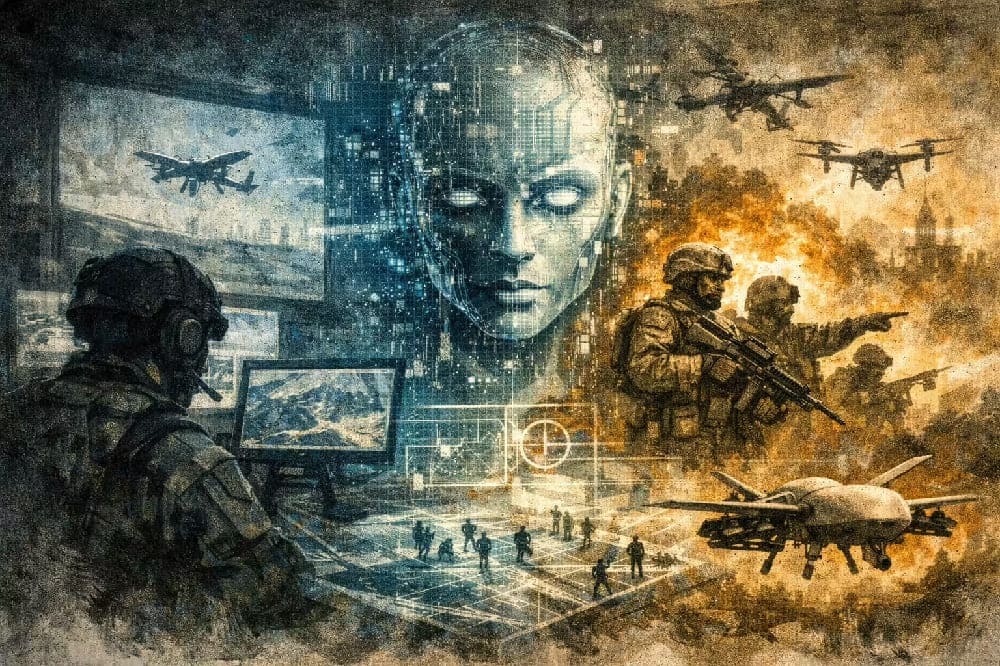
The US military has now publicly confirmed that it is using advanced AI support tools in its operations against Iran. Admiral Brad Cooper, who is responsible for US Central Command, said that these systems help American troops quickly process a lot of information. He also said that people decide when and what to strike. That difference is important because it puts AI (artificial intelligence) in the targeting cycle but not in charge of deadly force.
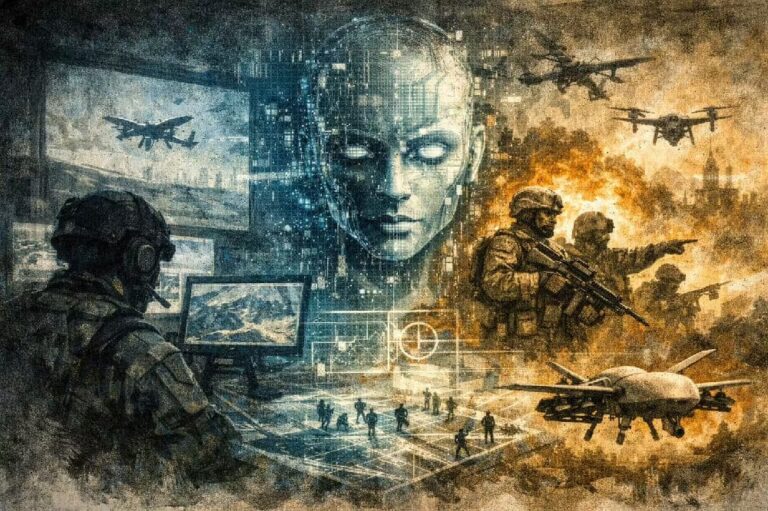
That statement is important for two reasons for people who watch defense. First, it indicates that AI is no longer just a test in the back office. Instead, it now helps people make real decisions about war at operational speed. Second, it shows how modern campaigns are relying increasingly on software that can sort through various types of information, including signals, images, tracking data, threat reports, and battle damage inputs, faster than a human staff could. The US AI tools used in the Iran war seem to be made to speed up the time between finding something, figuring out what it is, and giving orders.
CENTCOM conveyed
Cooper was careful with his words. He avoided discussing fully autonomous weapons and stated that algorithms do not choose targets independently. Instead, he discussed AI as a layer that supports decision-making, enabling commanders to distinguish themselves from their opponents. That way of speaking fits with the Pentagon‘s broader view that AI should improve decisions, not take the place of responsible military leadership. The Department of Defense has already released ethical guidelines that stress accountability, traceability, dependability, and governability.
That doesn’t make the argument go away. In war, speed puts pressure on people. Therefore, even when a person remains informed, the accuracy of their judgment heavily relies on the quality of the image that the machine has filtered for them. If the system limits choices too much, confidence can grow faster than certainty. The argument over US AI tools in the Iran war isn’t just about freedom, and that’s why. It also has to do with verification, accountability, and how much trust commanders have in data that machines process when things become tough in battle.
Why Civilian Casualties Matter More
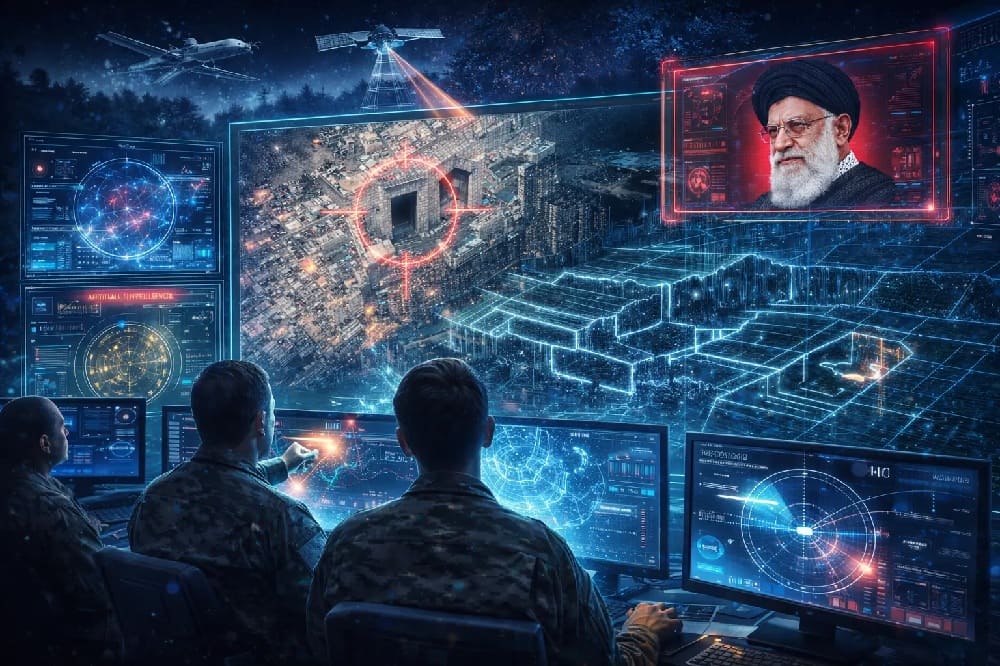
Politically, the timing of the confirmation is awful. After reports of a strike on a school in southern Iran that killed more than 170 people, many of whom were children, there has been more scrutiny. Iranian officials and diplomats have also said that more than 1,300 civilians have died since the US-Israeli campaign began on February 28, but different sources give different numbers. The Iranian Red Crescent has also reported damage to nearly 20,000 civilian buildings and 77 healthcare facilities. These numbers don’t show that AI caused wrong strikes. However, they ensure a closer examination of every claim of AI-assisted targeting from a legal and moral perspective.
This level of scrutiny is not occurring in isolation. Critics point to earlier reports about Israel using AI to help with targeting in Gaza, where rights experts said that digital targeting tools could hurt civilians more quickly if safety measures aren’t strong enough or review standards aren’t met. Even if militaries say that people have to approve attacks, the real question is whether those approvals still matter when things are moving quickly. In other words, the primary concern is not solely about the decision-maker. That question is how the target picture was made in the first place.
The Pentagon’s AI Guardrails Battle
The story is also part of a bigger fight in Washington over rules for military AI. Reuters says there is a big fight between the Pentagon and Anthropic because the company didn’t want to be involved in things like autonomous weapons and mass surveillance. The Pentagon called Anthropic a supply-chain risk, and the company went to court to fight that decision. That fight is important because it shows a bigger problem: Silicon Valley may want rules, but defense planners want the freedom to use all the tools they have on high-stakes missions.
The Pentagon’s messages have also been very clear. Officials have said that private businesspeople shouldn’t be able to limit what soldiers can do when national security is at stake. The tone of that statement makes it sound like the Trump administration wants more access to AI-enabled military support, especially during operations that move quickly. So, the US AI tools in the Iran war aren’t just for the battlefield. They are also part of a bigger fight over who should decide what military AI can and can’t do: elected officials, commanders, contractors, or model developers.
Why AI Matters in Modern Warfare
From a technical perspective, AI provides commanders a clear operational edge when battles create too much data for human staff to handle in real time. It can help prioritize tracks, flag strange behavior, combine sensor feeds, and speed up targeting support. But war is not a problem with clean data. Enemies lie, sensors break, and civilian patterns look like military signatures. So, faster analysis is only useful if it helps you make better decisions instead of hiding uncertainty behind polished results.
China has already exploited this concern. This week, the defense ministry said that letting the military use AI without limits could weaken moral restraint and give algorithms the power to decide life and death. Beijing’s criticism is clearly political, but the strategic point is still valid. Once major powers begin utilizing AI for wartime decision-making, each subsequent conflict could potentially push these limits even further. Today, the model helps organize data. Tomorrow, the pressure may grow for it to rank targets, suggest strikes, or handle engagements with even less human friction.
Strategic takeaway
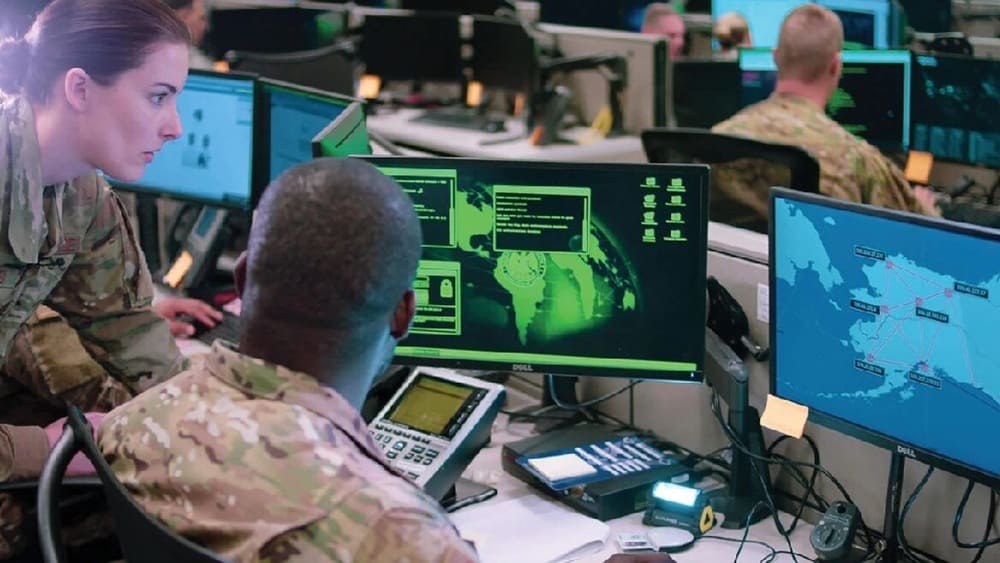
The US military hasn’t said that it uses autonomous warfare. Instead, it admitted to something more subtle and important. In modern combat, artificial intelligence is now part of the speed layer. That can make soldiers faster, deadlier, and better at adapting. But it also makes things riskier when the information isn’t complete. When civilians are close to the fighting, the danger becomes worse.
Those conditions can make more people die who weren’t supposed to. They can also make fights worse faster. For analysts, the question is no longer if AI is going to war. It has already begun war. The main question is whether military institutions can keep excellent human judgment. That challenge becomes harder when software makes big decisions. In high-stakes situations, it matters even more. In those times, speed can make a difference in both safety and success.
References
- Al Jazeera — US military confirms use of ‘advanced AI tools’ in war against Iran
- Reuters — How the Anthropic-Pentagon dispute over AI safeguards escalated
- US Department of Defense — Implementing Responsible Artificial Intelligence in the Department of Defense
- OHCHR / UN experts—Gaza: use of purported AI in warfare and civilian harm concerns
About the Author