
US Accuses South Africa of Cozying Up to Iran
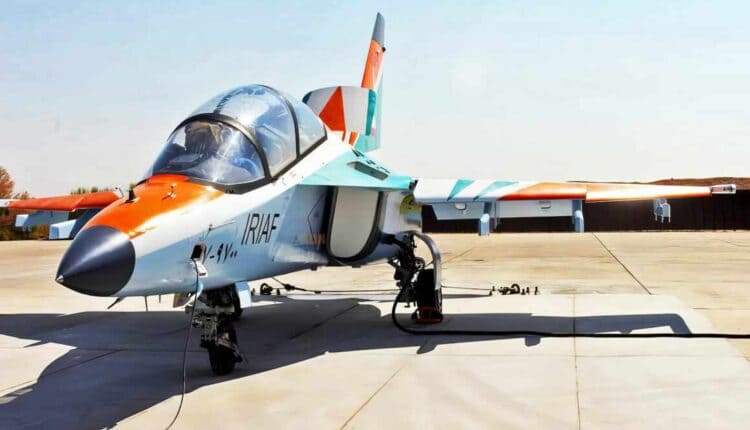
South Africa’s latest naval exercise has turned into a diplomatic flashpoint. In unusually blunt language, Washington warned Pretoria that it cannot posture on “justice” while hosting Iranian warships during a period of domestic repression in Iran. The row now extends beyond headlines, impacting command-and-control, alliance signaling, and the credibility of “non-alignment” in a crowded maritime theater.
For defense watchers, the core issue is not simply who sailed to Cape Town. It is whether political direction and military execution are aligned—and what it signals to partners and rivals that track South Africa’s ports, sea lanes, and regional influence.
What Prompted the US Warning
In a public statement, the US Embassy in South Africa accused the country’s defense leadership of effectively “cozying up” with Iran by permitting Iranian naval participation. The embassy argued that even limited involvement would undermine maritime security and regional stability, and it framed the decision as a values problem, not mere scheduling.
That is why this story quickly escalated from “routine drill” to strategic messaging. If the US accuses South Africa of cozying up to Iran, it signals that neutrality claims will not shield Pretoria from political costs.
Inside the Drill: Who, When, Why
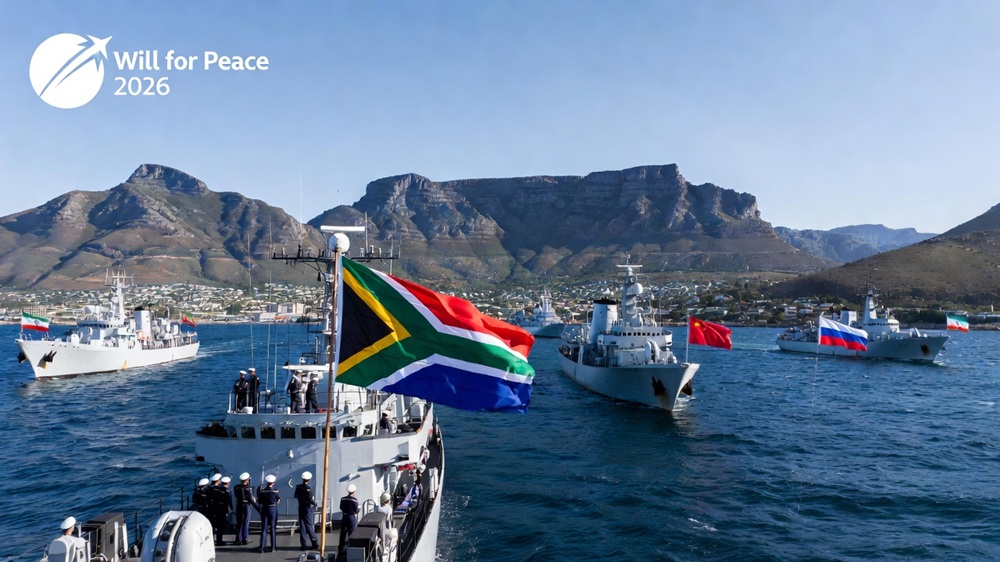
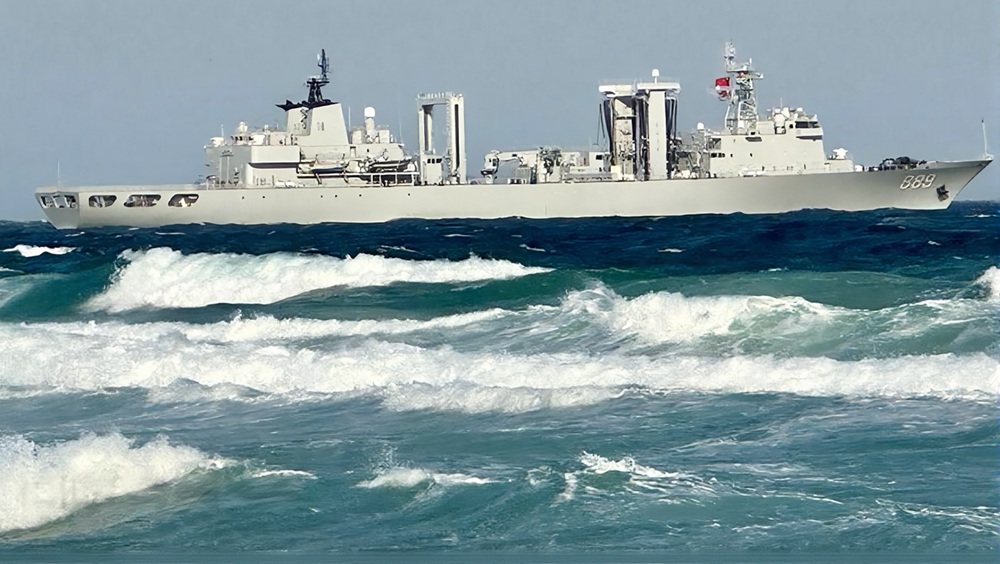
The week-long exercise ran in South African waters near Cape Town and involved BRICS/BRICS+ partners, with China playing a leading role in the activity. Iran, Russia, and other participating navies used the event to build operational familiarity and practice coordination at sea.
Reporting variously labels the exercise “Will for Peace 2026” and, in some coverage, “Peace Resolve.” Iran’s participation carried extra weight because Tehran joined the expanded BRICS grouping in 2024, making the drill a visible “new member” moment on the water.
Claimed Chain-of-Command Breach
The most sensitive claim is internal: reports suggested President Cyril Ramaphosa’s office wanted Iran’s role reduced or halted, but the execution on the naval side did not match that intent. South Africa’s Defense Minister, Angie Motshekga, subsequently said the ministry would investigate the “serious allegations.” This is where the narrative becomes operational. If a head-of-government instruction was issued and not implemented, the story shifts from foreign policy optics to civil-military discipline and governance risk.
Non-Alignment Under Strain: Why
Pretoria often frames its posture as non-aligned and interest-based. However, Washington’s criticism rejects that framing, arguing that hosting Iranian forces during unrest inside Iran looks like taking sides. That interpretation will resonate with analysts because naval exercises are inherently demonstrative.
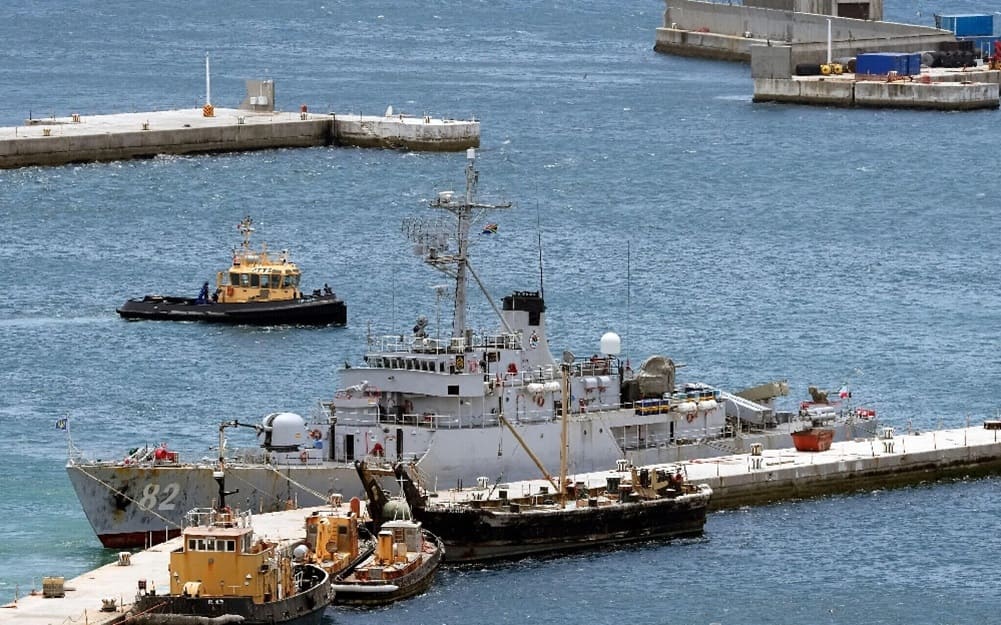
A port visit, a photo op at Simon’s Town, or combined maneuvers can function as a low-cost strategic signal—especially when great-power competition is already compressing decision space in the Indian Ocean and around key African sea routes.
Maritime Security Pros: Next Signals
1) Inquiry Outputs & Accountability
If the inquiry clarifies whether Iran participated as a full member, an observer, or something in between, it will shape both domestic oversight and external confidence.
2) Future Access and Interoperability
Even modest drills can expand professional networks, standard operating procedures, and communications familiarity. Therefore, the long-term effect may show up in repeat engagements and port-access patterns, not just one week of sailing.
3) Diplomatic Spillover into Trade and Tech
When Washington frames the episode as “unconscionable,” it raises the odds of secondary friction—defense cooperation cooling, procurement headwinds, or sharper scrutiny over dual-use trade.
Conclusion
Washington claims South Africa is leaning toward Iran. In today’s media space, naval drills rarely appear neutral. Pretoria’s reply adds another layer. It launched an inquiry into whether officials followed political guidance.
That shifts the story beyond diplomacy. It becomes a test of state discipline and control. If the probe confirms a command breakdown, reforms may follow. South Africa may need clearer tools to align strategy with naval activity.
If the probe finds no breach, the lesson still stands. These episodes reveal how perception can outrun intent. Joint exercises are never “just exercises” anymore. Not when contested partners take part. And not when flags are highly visible at sea.
References
- https://www.reuters.com/world/china/south-africa-launches-inquiry-into-irans-participation-brics-naval-drills-2026-01-16/
- https://apnews.com/article/a42810b272de325eae7d7ef6708226ce
- https://www.reuters.com/world/china/china-russia-iran-start-brics-plus-naval-exercises-south-african-waters-2026-01-10/
- https://maritime-executive.com/article/south-africa-probes-unauthorized-iranian-participation-in-naval-exercise
About the Author