

TrophyLab: Khreshchatyk, the main street of Ukraine’s capital city, Kyiv.
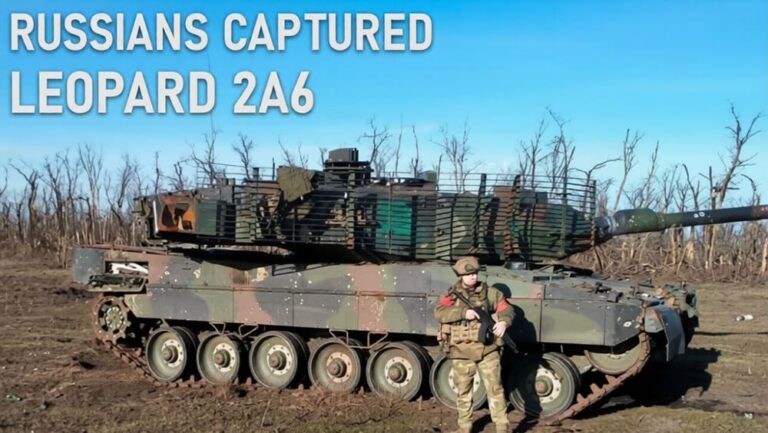
The Ukrainians have turned battlefield trophies into a coherent research asset for their allies. In June 2026, the Ministry of Defense opened TrophyLab, a controlled-access portal powered by captured Russian military hardware. The idea is simple but tactically smart. Rather than keep every technical lesson locked inside Ukrainian channels, Kyiv is now preparing to send confiscated missiles, drones and vehicles to vetted partners.
This gives engineers on the allied side an opportunity to see real Russian systems and develop countermeasures more quickly. Speed is crucial in modern warfare, and a recovered seeker, circuit board, or guidance unit can reveal vulnerabilities not covered by public specifications, especially in situations where Russia continues to modify its weapons during combat.
Inside TrophyLab
TrophyLab has recorded over 115 samples, with 79 categories and subcategories. It also contains more than 225 completed studies of Ukrainian laboratories, scientific institutions and engineering centres. Registered users can access technical specifications, blueprints, component analysis, schematics, and research findings for missile weaponry, sea-launched cruise missiles, armoured vehicles, UAVs, aircraft, electronic warfare assets, unmanned ground vehicles, and small arms. That gives defense companies a rare shortcut: comparing Russian design choices with their sensors, jammers, armour packages and missile-defense concepts. Access, however, is still controlled, as some systems may still have sensitive technical details.

Capture to Countermeasures
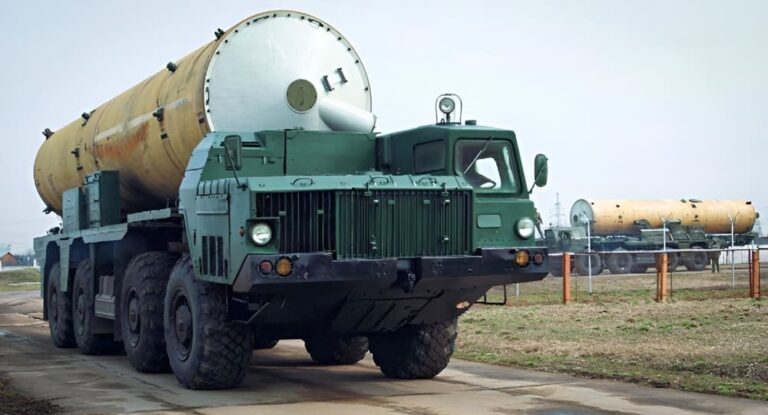
Since the full-scale invasion, Ukraine has been studying Russian equipment. However, the TrophyLab platform turns that work into a repeatable, allied process, taking captured systems from battlefield recovery to lab analysis and then into a shared technical archive. Examples listed include a hypersonic Kinzhal missile and a T-90M main battle tank. These examples demonstrate the platform’s scope, covering everything from strategic strike weapons to modern armoured vehicles.
A missile body can tell you manufacturing standards, materials and sensor layout. A drone can reveal navigation methods, imported components, and electronic vulnerabilities. For instance, an armoured vehicle can help analysts assess levels of protection, optics, communications links and crew layout. That’s why captured hardware has become a strategic source of data. It shows how Russia can adjust to sanctions, supply pressure and battlefield losses.
Eligible Users
It is not open to the public, and eligible users include the Ukrainian defense forces, Ukrainian manufacturers, foreign defense ministries, approved partner country defense companies and accredited scientific institutions. “The vetting process is there to protect Ukraine and its partners, with applicants having to pass the checks before they can see the catalogue or request deeper access.
TrophyLab thus encourages collaboration without releasing sensitive intelligence as uncontrolled open-source material. Verified partners can also order physical samples on the platform. Depending on the task, they can perform non-destructive inspection, disassembly or destructive testing. Such capabilities could help firms that make electronic warfare equipment, as well as armour designers and air defense engineers.
Value for Partners
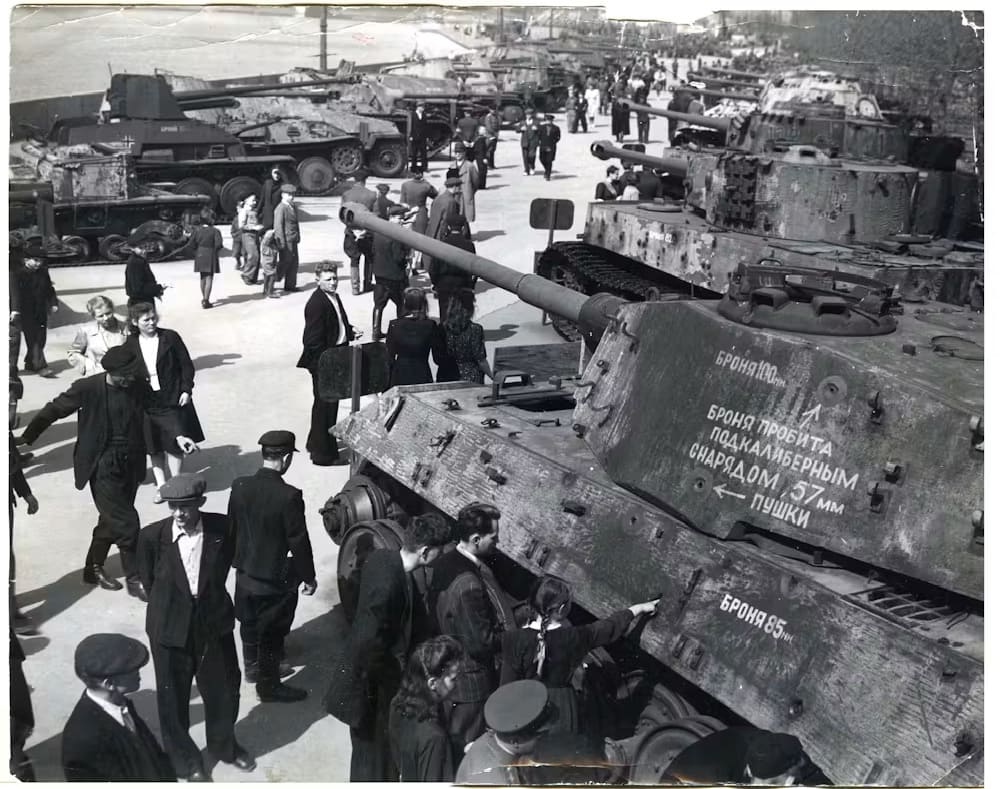
The real Russian hardware is used by NATO and partner states to help engineers build threat libraries, train detection systems and test countermeasures and to shorten the cycle from battlefield evidence to industrial response. In May 2026, Kyiv and Berlin launched Brave Germany, a programme to support defense-technology start-ups and develop new capabilities.
Now, TrophyLab has captured hardware added to its bigger innovation model. But the platform also presents a challenge, as access to the material is restricted to trusted partners, making it difficult for smaller companies outside Ukraine’s defense network to participate. If the subject is missiles, sensors, electronic warfare, and armour, then a controlled model makes sense.
Conclusion
TrophyLab transforms Russia’s own gear into a research weapon against it. Every missile, drone and vehicle recovered can help with countermeasure design, sanctions enforcement and decisions on allied procurement. This is not just about information sharing for Ukraine. It turns battlefield danger into a technical plus.
It gives allies a direct window into Russian systems, rather than waiting years for classified summaries. So in short TrophyLab is how Ukraine is turning wartime knowledge into institutions It converts confiscated Russian weaponry into a joint defense laboratory for partners who need faster answers.
References
- https://trophylab.mod.gov.ua/en/
- https://trophylab.mod.gov.ua/en/about-us
- https://www.quora.com/Do-any-NATO-countries-use-Russian-made-weapons-and-or-vehicles-If-so-which-ones-and-why-did-they-choose-them-over-their-own-domestic-products
- https://www.defensenews.com/global/europe/2026/06/22/ukraine-launches-trophylab-platform-to-share-captured-russian-weapons-with-allies/
- https://mod.gov.ua/en/news/ukraine-and-germany-launch-brave-germany-a-joint-programme-for-defence-technology-development
About the Author