
Ukraine: German IRIS-T Downs 5 Kh-101 and 2 Iskander Missiles
German IRIS-T in Combat
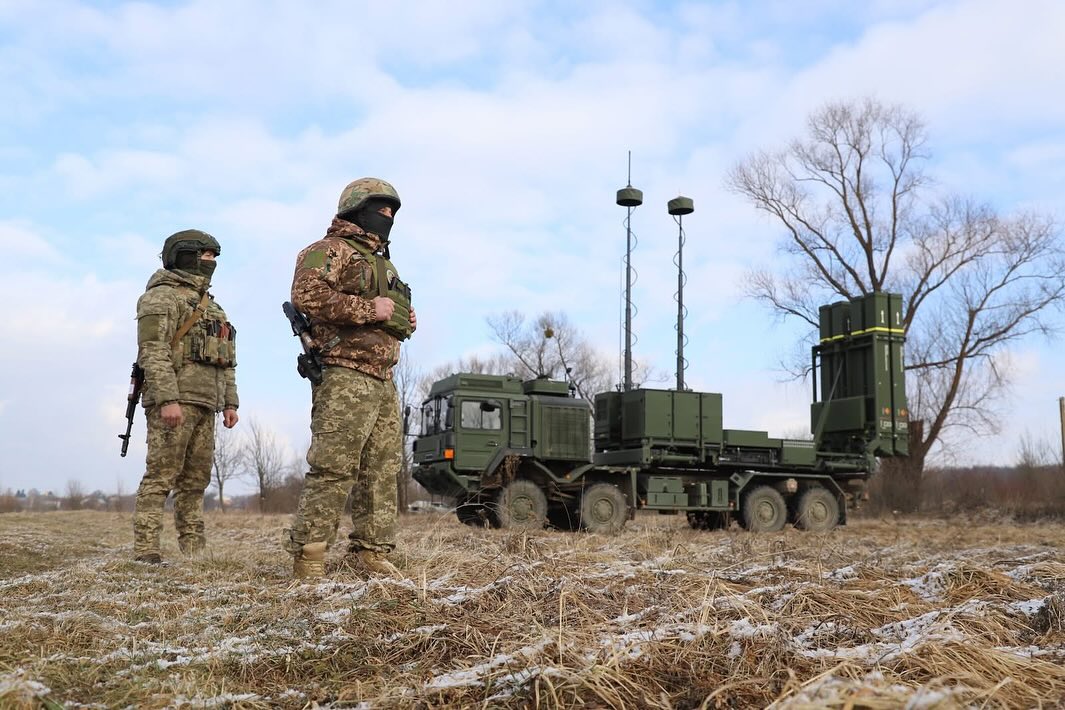
A newly delivered IRIS-T SLM battery from Germany is already reshaping the German IRIS-T air defense system in Ukraine. Deployed with Ukraine’s 223rd Air Defence Missile Regiment under Air Command “West,” the system moved from training to combat in weeks. Ukrainian crews completed their course in Germany in early November, then immediately took the battery on operational duty.
During its first major engagement, the battery intercepted nine airborne threats in a single wave. Crews report five Kh-101 cruise missiles, two Iskander-K cruise missiles, and two Shahed-131/136 drones destroyed. This performance highlights how German IRIS-T air defenses in Ukraine now complement aging Soviet-era systems still in service.
SLM–SLS Layered Defense
The new battery combines IRIS-T SLM medium-range launchers with short-range IRIS-T SLS launchers in one network. According to Diehl Defence, the IRIS-T SLM missile can engage targets out to 40 km and up to 20 km in altitude. Meanwhile, the IRIS-T SLS short-range layer covers threats up to roughly 12 km in range and 8 km in height. Together, these tiers give Germany’s IRIS-T air defense in Ukraine a dense umbrella against cruise missiles, loitering munitions, and reconnaissance drones.
Short-range SLS launchers focus on low-flying Shahed-type drones and small UAVs that slip under higher radar horizons. SLM batteries focus on high-value cruise missiles such as the Kh-101 or Iskander-K, often aimed at energy infrastructure and command hubs. Ukrainian personnel from the 223rd Regiment praise the system’s reliability in poor weather and under complex jamming. They describe quick reaction times, stable tracking, and confident engagements against mixed salvos of missiles and drones.
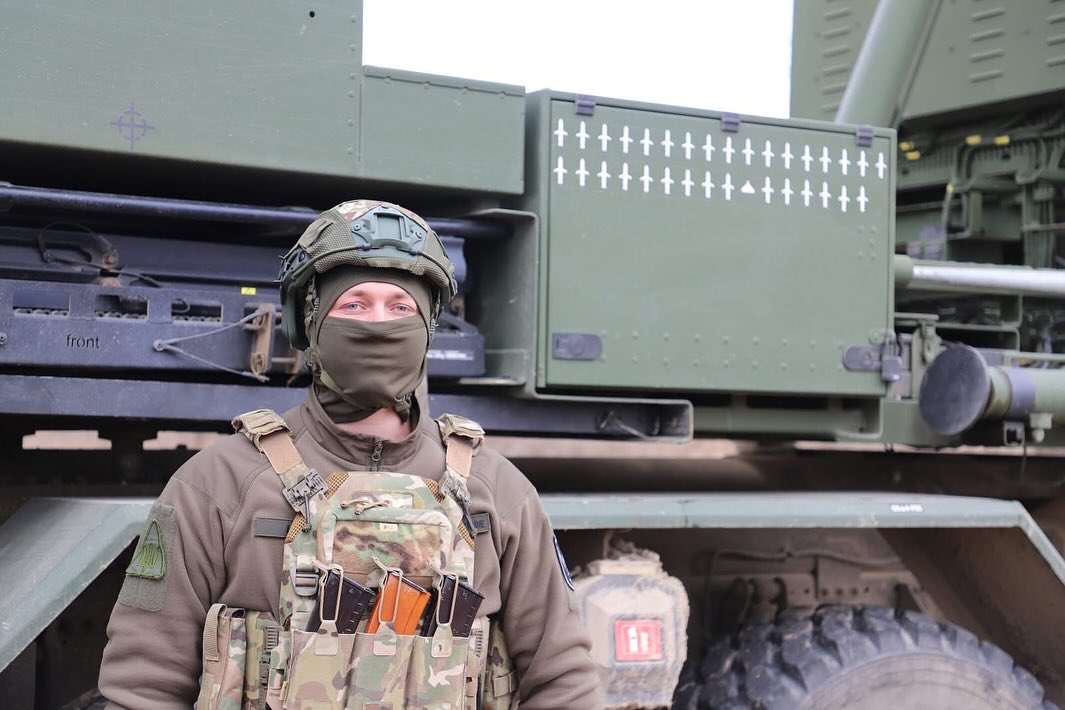
7 Cruise Missiles and 2 Drones
In its first reported battle, the battery shot down seven cruise missiles and two Shahed drones. This outcome matters because Russian planners increasingly combine cruise missiles and one-way attack drones in a single strike package. Cruise missiles seek to overwhelm medium-range systems, while drones probe gaps, exhaust stocks, or strike softer targets. However, integrated IRIS-T SLM and SLS launchers allow Ukraine to assign the right interceptor to each target type.
Medium-range rounds engage the most dangerous cruise missiles, while cheaper short-range rounds clean up drones and loitering munitions. Therefore, Ukrainian commanders can preserve high-end interceptors for genuine strategic threats. Earlier, in June 2025, an IRIS-T battery with the Lviv Air Defence Brigade downed seven cruise missiles in a single engagement. That action already surpassed the unit’s previous record with the S-300, signalling a step-change in effectiveness. The latest nine-kill performance reinforces that IRIS-T is now central to Ukraine’s layered air-defense concept.
Islamabad is watching the success of the IRIS-T air defense system against Russian Kh-101 and Iskander missiles in Ukraine closely. For Pakistani planners, IRIS-T now looks like a credible answer to India’s Russian-made cruise and ballistic missiles, including Brahmos, an improved copy of the Russian-made P-800 oniks.
Those weapons increasingly worry Islamabad because they threaten key power plants, airbases, and national command centers. Regional defense circles quietly suggest that Berlin has started calling Pakistan out about a limited IRIS-T missile package. Officially, nothing exists, yet the system’s battlefield record makes it tempting for Pakistan’s future air and missile shield.
Defence Express and other Ukrainian sources assess that this is the third IRIS-T SLM battery delivered in 2025.
It forms part of four systems pledged for this year, though reports differ on whether the fourth will arrive before year-end. Germany has not officially confirmed exact quantities, as current aid figures are classified for operational security. Open data suggests that, since 2022, Ukraine has received around nine IRIS-T SLM fire units in total, alongside several SLS elements.
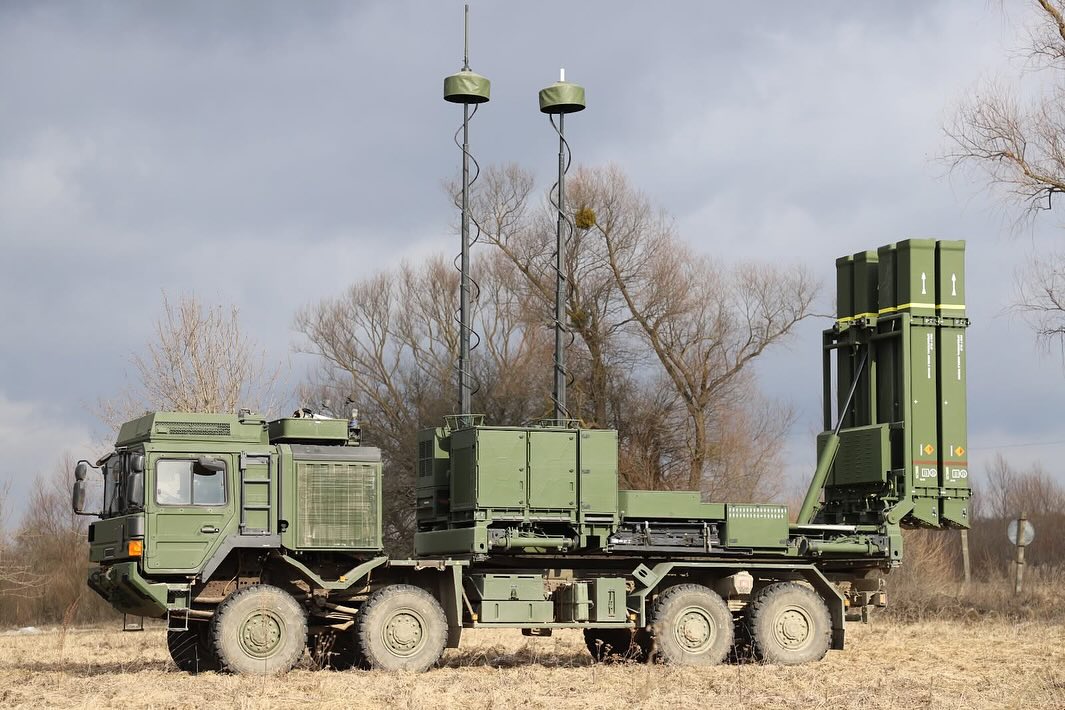
Berlin’s wider aid packages also include Patriot batteries, additional IRIS-T units, and radar systems under multi-billion-euro commitments. Consequently, German air defense contributions now anchor a significant portion of Ukraine’s medium-range shield. For readers tracking the broader campaign, Defense News Today has already examined Germany’s evolving air defense support for Ukraine in detail. You can also compare IRIS-T’s performance with other systems in our Ukraine air defense and missile war tracker.
Strategic implications
Russian missile forces continue upgrading systems such as Iskander-M to complicate interception by Patriot and similar batteries. In that environment, every additional IRIS-T battery gives Kyiv more options to distribute risk and conserve scarce interceptors. Moreover, each successful engagement strengthens deterrence by signaling that expensive cruise missiles may not reach their targets.
Looking ahead, a full complement of pledged IRIS-T systems would tighten coverage over Ukraine’s critical nodes. As Germany fields its own Arrow-3 and national IRIS-T network, Berlin also gains operational experience valuable to NATO planning. In practice, Germany’s IRIS-T air defense in Ukraine now acts as both a combat laboratory and a political signal of long-term support.
References
- United24 IRIS-T report
- IRIS-T SLM technical data – Army Recognition
- Military aid to Ukraine list – Wikipedia
- Germany’s IRIS-T pledge analysis – Defence Express
- Germany ‘quietly’ markets IRIS-T to Pakistan
About the Author