
Ukraine Defense AI Deal—Germany Taps Combat Data
Ukraine and Germany go beyond traditional arms support. They signed a memorandum on defense data exchange on 14 April 2026. The deal gives Berlin access to Ukraine’s combat experience and some battlefield data. Ukrainian Defense Minister Mykhailo Fedorov and German Defense Minister Boris Pistorius were the signatories. The ceremony was held in Berlin during President Zelenskyy’s visit. Chancellor Friedrich Merz also took part in the signing.
Ukraine’s defense AI agreement connects frontline evidence to Germany’s defense tech base. It is a practical, not a symbolic, value. Since 2022, Ukraine has been collecting drone footage, sensor feeds, fire-mission results, and air-defense engagement data. It has also collected battlefield-management information from active fighting. However, the raw data is of no use unless the engineers label and structure it. They also need to train the models to work in real battlefield conditions.
Germany Wants Combat Data
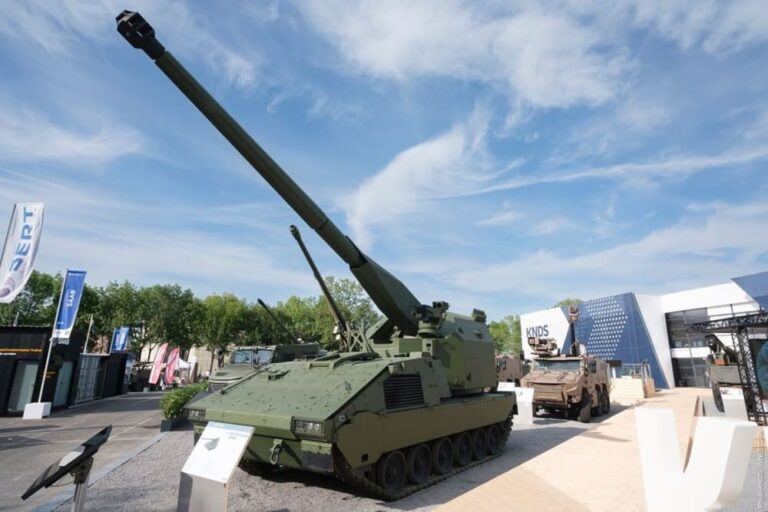
Germany can test weapons on controlled ranges, but Ukraine can offer something no test range can: a long, high-intensity war against a very capable opponent. The memorandum foresees the two sides working together on joint projects on the combat use of German-made systems such as the PzH 2000, RCH 155 and IRIS-T.
This feedback loop can improve tactics, maintenance cycles, and software updates. Artillery data can show how crews operate self-propelled guns under counter-battery pressure. Similarly, combat data from IRIS-T can improve air-defense deployment, radar discipline, and interception patterns. Furthermore, German industry can access these lessons before NATO integrates future systems into its inventories.
DELTA and Battlefield AI
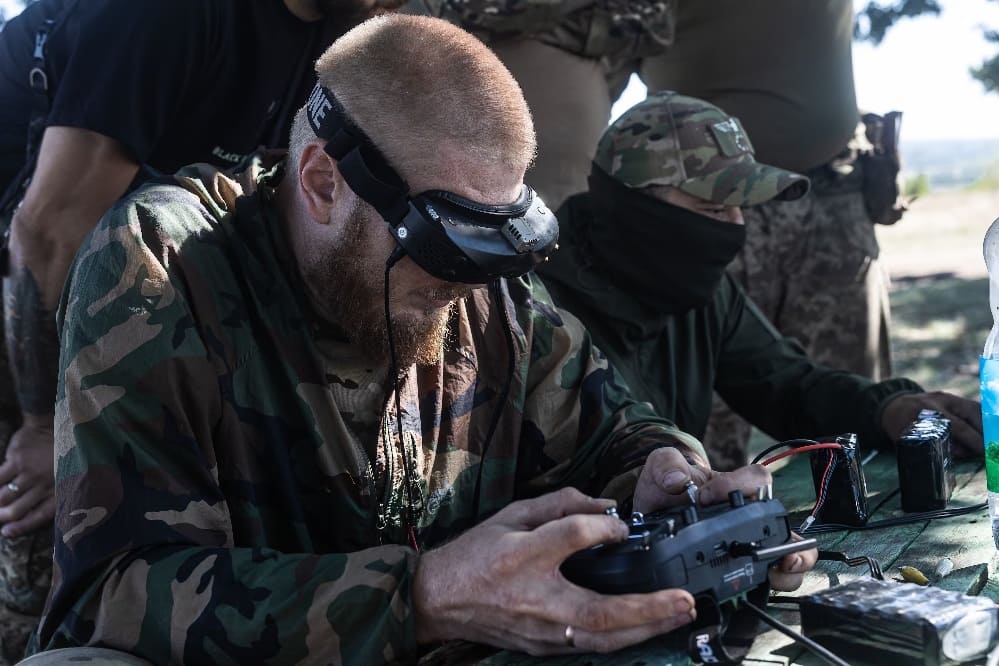
Kyiv looks forward to sharing expertise from DELTA and similar situational-awareness systems. DELTA provides Ukrainian commanders a digital battlefield picture by connecting units, sensors, and targets through a management layer. It could mean that the Ukraine defense AI deal leads to sharper analytics, faster targeting workflows, and better human-machine teaming.
But it’s not just a database migration. Ukraine has described the deal as a managed exchange of sensitive information that enables partners to develop useful artificial intelligence tools. And that difference matters because defense AI needs realistic training data, but operational security must continue to protect sources, methods, unit locations, and classified procedures.
Drone AI Systems
The German memorandum is part of a broader Ukrainian strategy. Prime Minister Yulia Svyrydenko announced on March 12, 2026, an experimental project to give international partners access to an AI platform to train unmanned systems using real battlefield data. The platform, built by Ukraine’s Ministry of Defense, provides manufacturers with the ability to train models without direct access to sensitive databases.
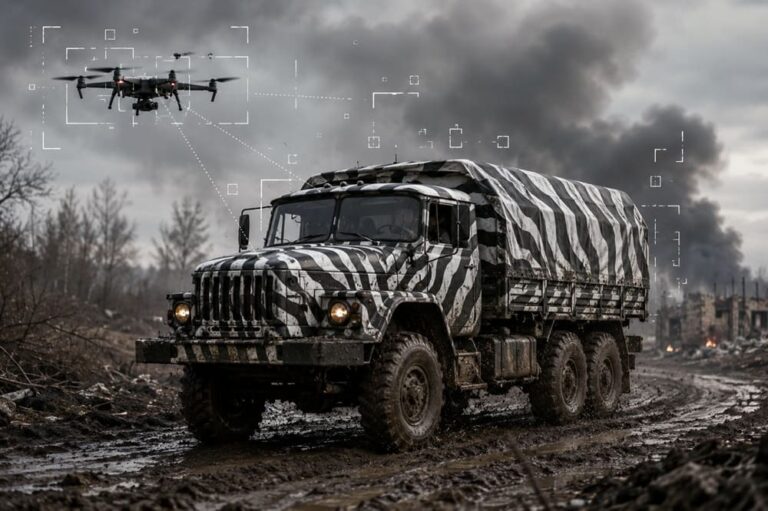
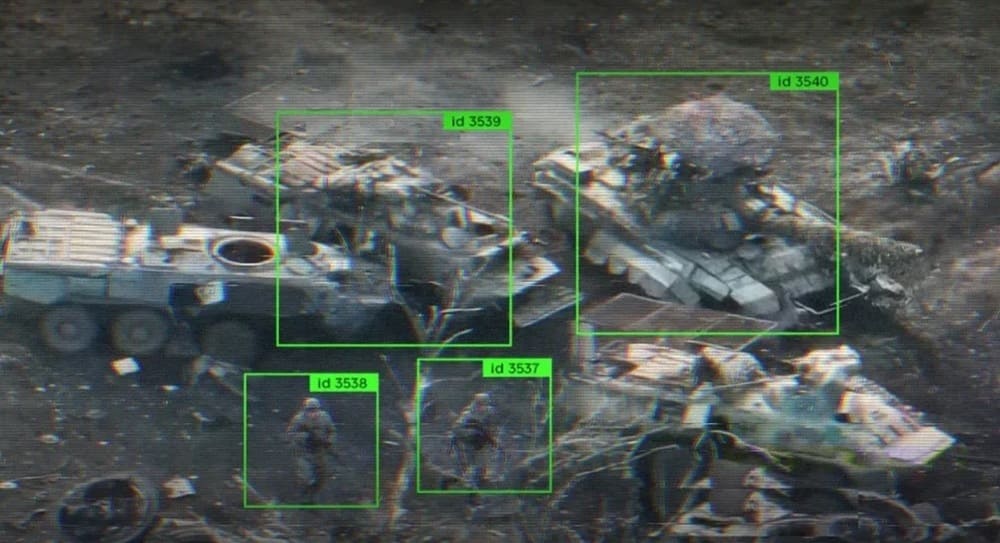
Ukraine is opening millions of annotated frames collected from tens of thousands of combat flights, Fedorov said. This allows allied developers to train models to recognize drones, navigate, and analyze targets using real battlefield imagery. This could accelerate autonomous systems, loitering munitions, counter-drone tools, and battlefield analytics, but the most credible route keeps human command within the lethal decision cycle.
Why It Matters to NATO
Ukraine’s fighting record is a living laboratory for NATO. Ukraine’s defense AI deal will help Germany learn faster from weapons that have already undergone battle testing. It also strengthens Ukraine, converting battlefield experience into diplomatic and industrial leverage. In practice, Kyiv is getting help but also passing on hard-won operational knowledge.
Future armies will not win through platforms, caliber, or armor alone; they will need data pipelines, trusted software, resilient networks, and rapid learning cycles. For wider context, see Defense News Today’s coverage of main battle tank software and Germany’s military growth. Germany’s access to Ukrainian battlefield data, therefore, signals a wider shift: combat experience is becoming a strategic resource in the age of defense AI.
Conclusion
The Ukraine defense AI deal offers Germany a rare glimpse into modern warfare and deeper technological cooperation with Ukraine. If handled securely, the memorandum could help improve German systems, bolster Ukrainian air defense and accelerate battlefield AI development.
References
- https://mod.gov.ua/en/news/ukraine-and-germany-sign-a-memorandum-on-defence-data-exchange
- https://www.reuters.com/business/aerospace-defense/ukraine-opens-battlefield-data-access-allies-ai-models-2026-03-12/
- https://defensenewstoday.info/how-main-battle-tank-software-works/
- https://defensenewstoday.info/germany-becoming-europes-strongest-military-by-2039/
About the Author