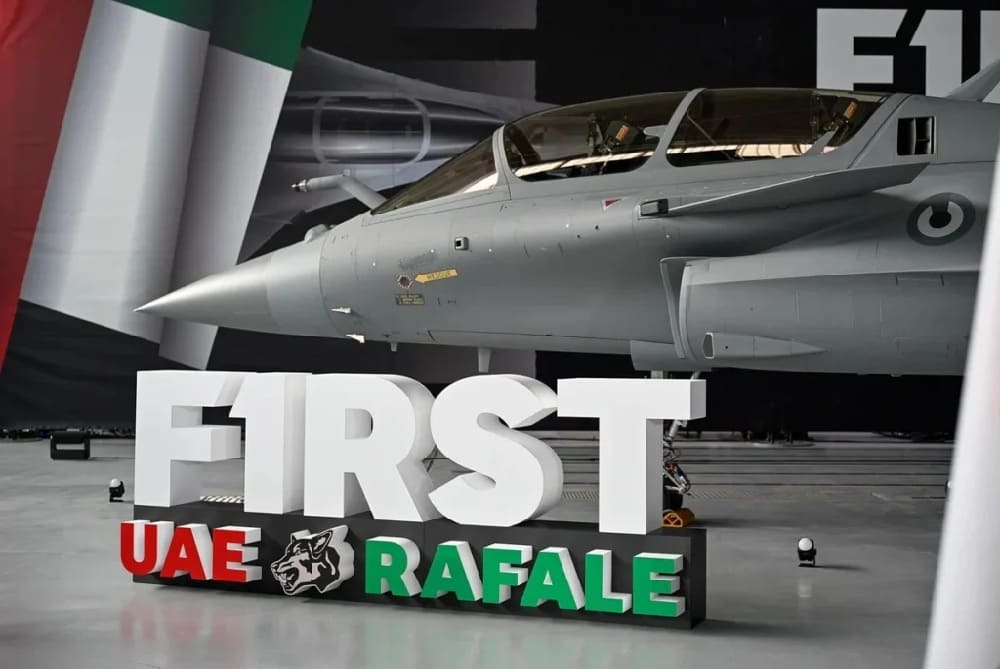
UAE pulls out of Rafale F5 program.
Politics and money have severely impacted the Rafale F5 program. The United Arab Emirates has stopped talking about helping to pay for France’s next big Rafale upgrade, according to reports. The disagreement was said to be about who could get to very sensitive military technologies, like optronics systems and other “black box” parts that are protected.
The Rafale F5 program is a major update, making this issue significant. It is the next big step in the Rafale’s development and will affect how France plans to keep the fighter relevant against future threats. Because of these factors, the fight over funding is more than just about money. It has to do with sovereignty, control of industry, and the limits of defense cooperation between even close partners.
Why France-UAE Talks Collapsed
According to what was said, Abu Dhabi was willing to put up to €3.5 billion into a program that was thought to cost about €5 billion. However, that offer was contingent upon certain conditions. Reports say that the UAE wanted access to sensitive technologies, shared intellectual property rights, and a bigger part in the program’s growth.
France rejected those terms. It looks like Paris has decided that the strategic cost of sharing its most advanced technologies is too high. So, instead of giving up control over important systems, France decided to keep full national authority over the program. That choice has now made Paris the only one who has to pay for the whole Rafale F5 program.
What Rafale F5 Will Deliver
Many people think that the Rafale F5 program is a crucial step in making the plane useful in combat for a long time. It is expected to help with better networking, tighter sensor fusion, stronger teamwork between people and machines, and working with new stand-off weapons.
The F5 standard is meant to help the Rafale move further into the age of collaborative air combat. France wants the plane to work better with drones, better sensors, and strike systems that will be available in the future. That makes the program crucial for both the Rafale’s future as an export and for French military planning in the 2030s.
Why Black-Box Access Matters
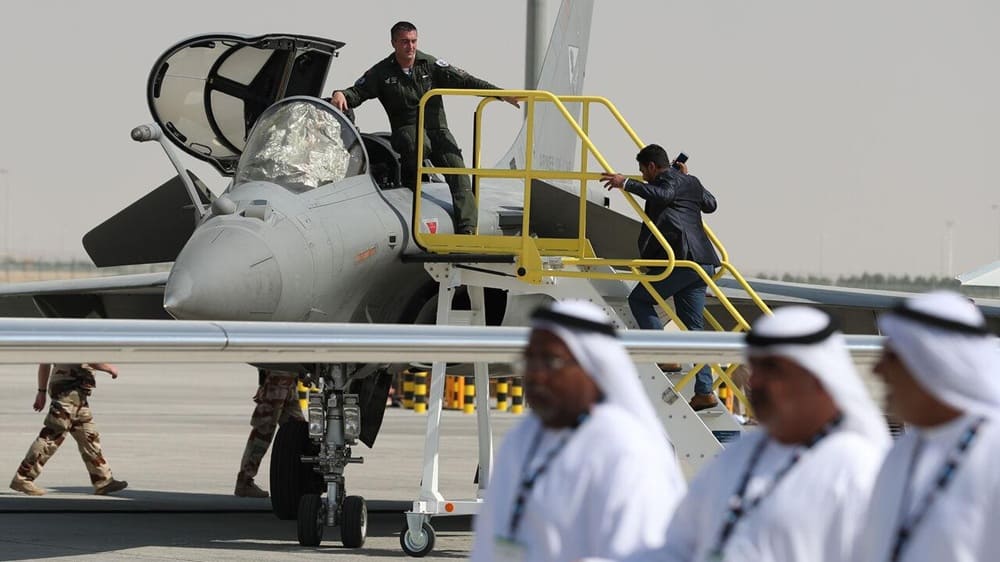
The real argument seems to have been about protected technologies. These “black box” systems often have the most important parts of a modern fighter’s combat edge. They can include tools for sensor processing, optronics, data fusion, software logic, targeting performance, and staying alive.
These systems are the most important part of France’s independent combat aviation. When a country has full access to this kind of technology, it also has power over future upgrades, exports, and operational independence. That’s why Paris took a strong stand. The UAE may have wanted a real partnership, but France wanted to keep the most important parts of the plane under its control.
Why France Chose Sovereign Control
France has long pushed for strategic independence in defense. This case is a perfect example of that method. Paris is happy to sell other countries high-quality military equipment, but it is much more careful when another country wants to get to the technology that makes that equipment work.
It looks like the Rafale F5 program is too close to France’s future in high-end combat for a deal to be made. Paris decided that keeping control of its territory was more important than getting money from outside sources, if the reports are true. That choice may help keep independence in the long run, but it also puts pressure on the budget in the short term.
Paris Bears the Full Cost
If France doesn’t obtain a new partner, it will have to pay for everything on its own. That makes things very hard. Defense budgets are already under greater pressure because of the need for munitions, air defense, drones, readiness recovery, and nuclear modernization. Without support from the UAE, funding the Rafale F5 program could make it harder to make decisions in other areas.
This doesn’t mean that the program will be canceled. But it could change the pace. Paris might have to spread out its spending over a longer period of time, change its timelines, or plan development more carefully. When buying defense equipment, having full control often costs more. France has now decided to pay it.
What It Means for France-UAE Ties
The reported breakdown is important because the UAE is already one of France’s biggest defense customers. Abu Dhabi signed a historic deal in 2021 to buy 80 Rafale F4 fighters. This development shows how strong the two countries’ relationship is. That made the UAE a viable choice for more industrial cooperation on the plane’s future. But this event shows how far that partnership can go. A customer can buy the platform, but that doesn’t mean they can automatically access the most secure parts of its future development. In other words, strong defense ties don’t make strategic red lines go away.
Iran War and GCC Economies
The UAE’s reported withdrawal from the Rafale F5 program was mostly due to France’s refusal to share sensitive “black box” technologies. However, the ongoing Iran war and rising pressure on GCC economies probably made Abu Dhabi even less willing to spend billions on terms it did not control. Reports say that the UAE was willing to give up to €3.5 billion to a program that was thought to cost around €5 billion, but the deal fell through because of issues with access to optronics and intellectual property. The IMF has also said that the Iran conflict is making the economy look worse because the Hormuz Strait is causing problems for energy, trade, and investment.
What the Setback Signals to Buyers
The failure of these talks sends a message to the defense market as a whole. More and more wealthy buyers want more than just finished equipment. They want to be involved in industry, share technology, work together to develop new products, and have a stake in intellectual property. On the other hand, suppliers still protect what they believe constitutes real military sovereignty.
That tension will probably affect fighter deals around the world in the future. The Rafale F5 program shows that money is welcome, but only if the seller agrees to the terms. Even close friends may have difficulty getting close to a program that has very sensitive sensors, software, and next-generation combat architecture.
What to Watch Next
There are now a few important questions. First, people should keep an eye on whether France officially says how it will pay for the program. Second, they should keep an eye on whether any parts of the F5 roadmap move to the right. Third, they should keep an eye on whether the UAE comes back to the table later under stricter conditions. The most important thing to remember is that France still needs the Rafale F5 program for strategic reasons. Paris probably won’t give up on it. But now it may be harder to manage the cost, schedule, and industrial design.
Conclusion
The UAE’s reported withdrawal from the Rafale F5 program is more than just a disagreement over money. This is a reminder that there are limits to modern defense cooperation and associated economies, especially when it comes to cutting-edge technologies. France chose to keep its investments instead of sharing them. That keeps the country’s power intact, but it also means Paris must handle the issue alone. The lesson is clear for readers of defense. Not only will budgets and buyers affect the future of fighter programs, but so will who controls the sensors, software, and intellectual backbone of combat airpower.
References
- https://www.aa.com.tr/en/europe/france-to-self-finance-rafale-f5-after-uae-exits-funding-talks-report/3889657
- https://www.latribune.fr/article/defense-aerospatiale/defense/17299117455885/financement-du-rafale-f5-comment-la-france-a-fache-les-emirats-arabes-unis
- https://www.dassault-aviation.com/en/group/press/press-kits/unmanned-combat-aerial-vehicle-program-kicks-off-as-part-of-the-rafale-f5-standard/
- https://www.dassault-aviation.com/en/group/press/press-kits/historical-contract-for-the-acquisition-of-80-rafale-f4-by-the-united-arab-emirates/
About the Author