UAE Mirage Delay Hits Morocco’s Air Power Plans
Morocco’s modernization of its military has run into a timing problem, not a strategic failure. Recent reports say that the UAE’s transfer of Mirage jets to Morocco will be delayed because Abu Dhabi wants to keep its Mirage 2000-9 fleet for longer while tensions in the Gulf are still high. This is important because Rabat saw these planes as a quick way to improve their combat air capacity before other programs were fully developed.
Why Morocco Wants UAE Mirages
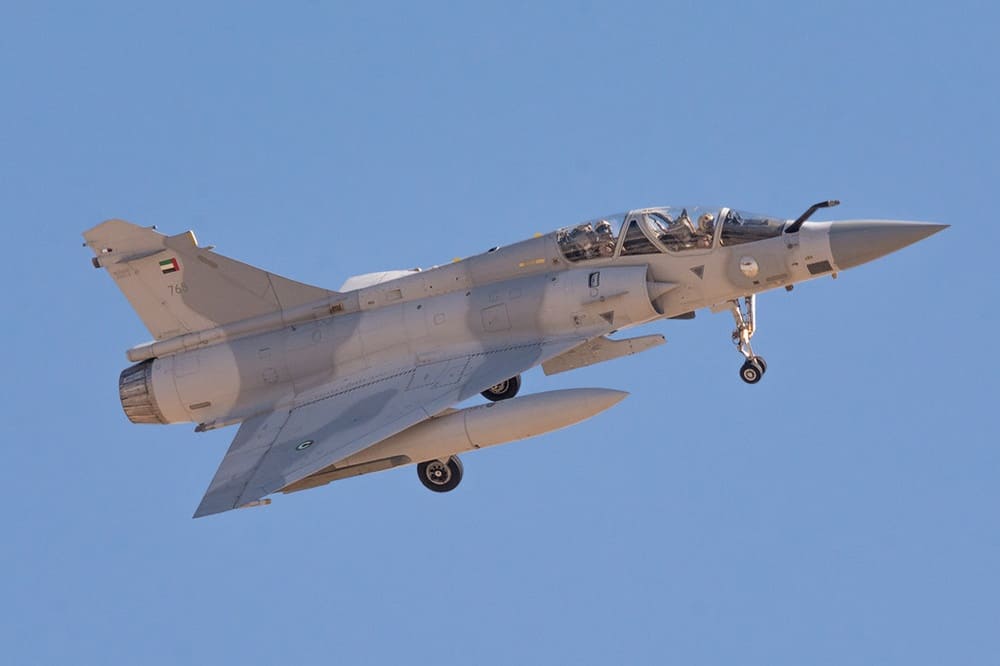
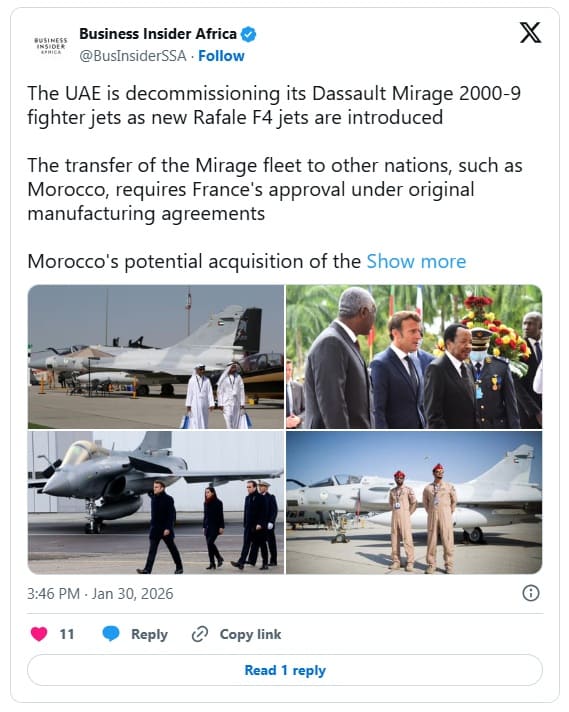
The UAE wants to give Morocco about 30 Mirage 2000-9 fighter jets. This transfer is part of a bigger story about defense. The story started in 2021. The UAE bought 80 Rafale F4 jets from Dassault that year. The older Mirage 2000-9 fleet became available when the Rafale started flying in the UAE. Those planes were supposed to go to Morocco. The transfer would make the Royal Moroccan Air Force stronger.
It would also make Morocco’s air force stronger in combat. It’s easy to see why Morocco is interested. The Mirage 2000-9 is still a viable multirole fighter. It could help Rabat out for a short time. That matters while Morocco waits for its American fighter jet pipeline. So, the transfer of the UAE Mirage to Morocco was never just about the numbers. Timing was also important.
How France Cleared the Deal
The transfer was never just between two countries because France had to agree to any sale or donation of planes it built. At first, Paris was careful, which slowed down the plan. But the political climate changed in 2024 when France supported Morocco’s plan for Western Sahara to be independent under Moroccan rule. This wider change seems to have made it easier for the fighter transfer to happen.
Even after that, getting French approval didn’t resolve the military problem. The UAE had a better reason to keep every usable airframe available once the Middle East became unstable again. Reports say that Abu Dhabi wants to keep the Mirage fleet until the Rafales are delivered and properly integrated. This makes sense for the Emirati side, but it means that Morocco has to wait.
Why the Delay Hurts Rabat
The timing is important because Morocco is already working on a plan to renew its layered fighters. Morocco has ordered 24 F-16 Block 70/72 planes and is also upgrading its current F-16 fleet to the Viper standard. Those jets are still the main part of Morocco’s long-term plan for combat aviation. The UAE Mirage transfer to Morocco was useful as a bridge, not a replacement, because delivery schedules, conversion training, and force integration all take time.
You can link this to Morocco’s F-16 Viper modernization and the country’s larger plan to improve its air force. The reports reviewed for this rewrite indicate F-16 Vipers, upgrades to older F-16s, and the delayed transfer of the Mirage 2000-9, rather than a Moroccan F-35 order that was made public. So, Rabat’s realistic short-term path relies on planes already en route, rather than on speculation. That way of doing things might be smart, but it will likely be slower than Moroccan planners wanted.
Gulf War Delays Transfer
This delay also shows how regional wars can change defense planning in ways that go beyond the battlefield. The UAE bought the Rafale to update its own military, but if the threat level rises, it can’t retire older fighters on a set schedule. Reports about the delay say that the first Rafales won’t arrive until 2026, and the last ones won’t arrive until 2031. It makes sense to keep the Mirages until that change is safe.
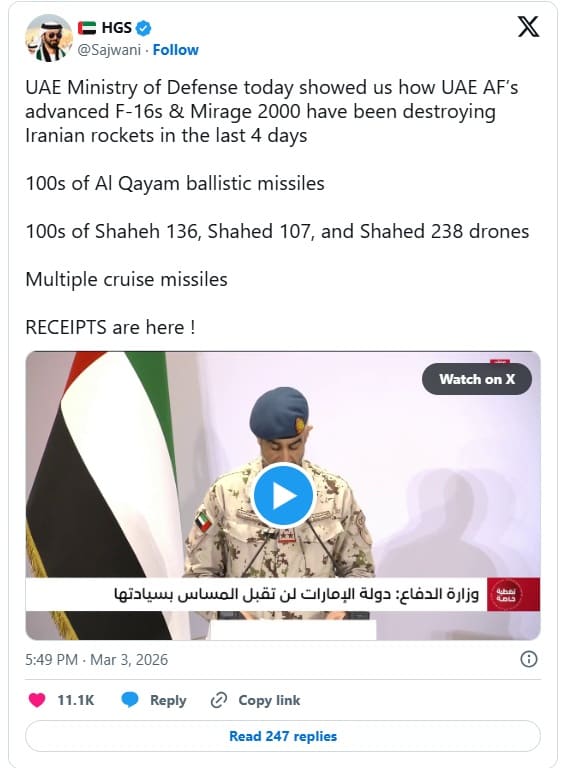
Reports also say that the UAE is spending money to keep the Mirage fleet in good shape so that it is ready for any future transfer. This suggests that the UAE Mirage transfer to Morocco is not dead but rather delayed. In the most recent crisis related to Iran, regional reports have also linked Morocco to military-technical support for the UAE. This shows how close the two countries are, even though that cooperation hasn’t sped up the transfer of the aircraft.
Algeria Shapes the Context
Morocco’s worry isn’t just an idea; it’s real because North Africa is in the middle of a quiet but serious air-power race. According to SIPRI, Algeria spent $21.8 billion on defense in 2024, while Morocco spent $5.5 billion. At the same time, reports say that Algeria is looking for more advanced Russian fighters, like Su-57s and Su-35s, which makes Rabat even more determined to avoid any gaps in its own capabilities. This paragraph can also link to Algeria’s most recent purchase of fighters.
But Morocco isn’t sending as many planes to Algeria as Algeria is. Instead, it looks like it’s taking a steadier path: carefully modernizing, finding new partners, and avoiding a spending race that gets out of hand. That plan might last longer in the long run. But it all depends on key programs coming on time. When a bridge fleet falls behind, planners lose their ability to be flexible. That’s why the UAE Mirage transfer to Morocco is much more important than the number 30 alone would suggest.
Conclusion
The main question is no longer if the Mirage deal is real. The question is whether the transfer comes in time to change the balance before Morocco’s Viper force is fully set up. If the wait is too long, the Mirages could end up being less of a bridge and more of a late addition.
For now, the sober reading is easy to understand. Morocco’s air modernization is still going on, but not as quickly as it would like. The UAE Mirage transfer to Morocco is still strategically important because it is at the crossroads of Gulf instability, French diplomacy, Moroccan planning, and Algerian rearmament. This is not just a story about a delivery, though. It serves as a reminder that fighter procurement only looks straight on paper.
References
- https://www.moroccoworldnews.com/2026/04/286879/middle-east-war-delays-uae-mirage-2000-9-transfer-to-morocco/
- https://www.dassault-aviation.com/en/group/press/press-kits/historical-contract-for-the-acquisition-of-80-rafale-f4-by-the-united-arab-emirates/
- https://www.reuters.com/world/france-recognise-moroccan-autonomy-plan-western-sahara-only-basis-lasting-2024-07-30/
- https://www.sipri.org/publications/2025/sipri-fact-sheets/trends-world-military-expenditure-2024
About the Author