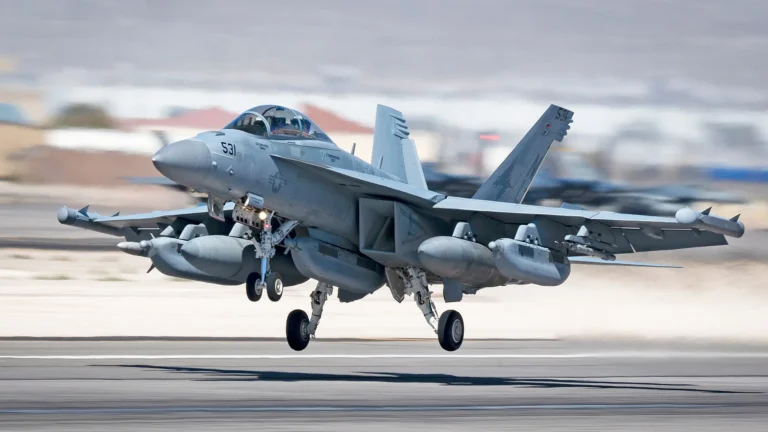
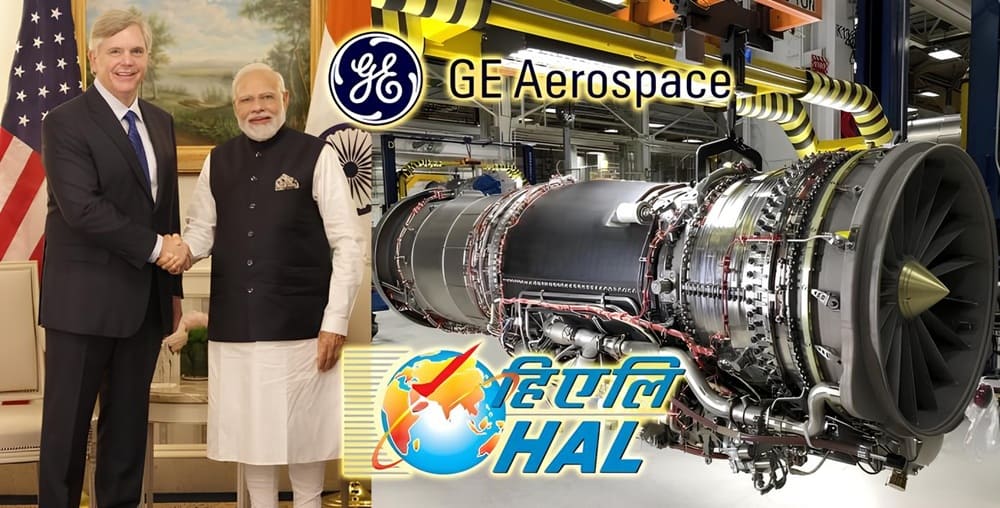
U.S. landmark Engine Tech Deal With India
The acquisition of the GE F414 by India could signify a significant milestone in its modern fighter program. GE Aerospace and Hindustan Aeronautics Limited have made progress in technical negotiations about making the F414 in India after years of talks. This gives New Delhi a real chance to make a major Western fighter engine under license. That is relevant for more than just the Tejas Mk2. It also matters for the larger industrial base that will support future combat aircraft.
Reports in the Indian media say that the package could include about 80% technology transfer. But the exact boundary is still important. This line separates manufacturing know-how from highly protected core technologies. This difference is crucial. The US may still be responsible for the most sensitive parts of the engine ecosystem. Still, moving the GE F414 to India would be a big step forward for the country’s capabilities. It would be much more than just putting things together.
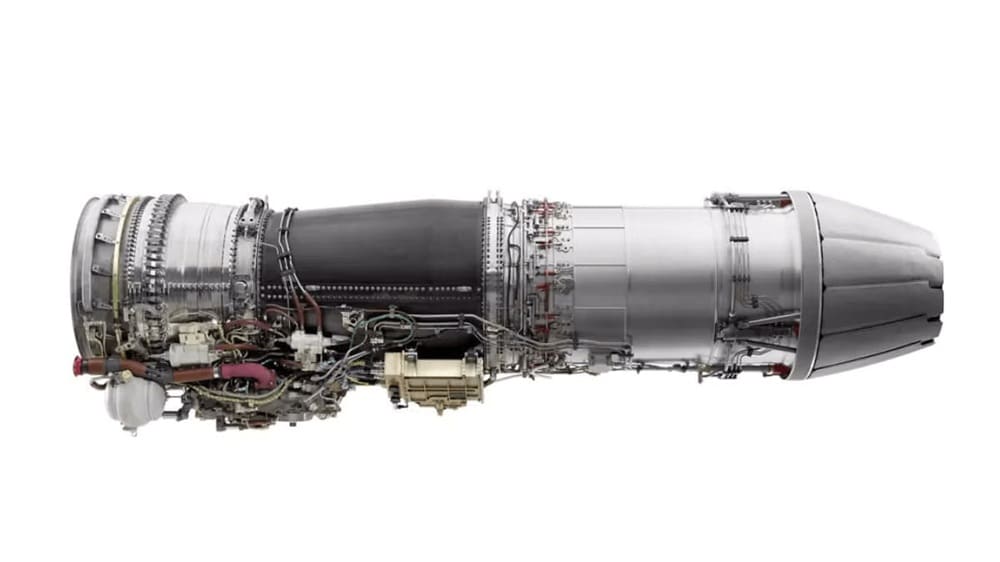
The F414 is not a brand-new engine. But it is still a very reliable military powerplant. GE says that the F414 has a thrust of 22,000 pounds, while the F404 variant used on the Tejas Mk1 has a thrust of 19,000 pounds. That gap is one reason why India wants the Tejas Mk2 to have the newer engine. More thrust usually means faster acceleration, better performance with heavy loads, better take-off margins, and more electrical power for systems on board.
Many people also use the engine. GE says that the HAL Tejas Mk2 and the KF-21 Boramae use the F414 engine, while Saab says that the Gripen E uses the GE F414G. That wide use is important because it indicates that the engine isn’t just a test choice. It is a mature design that can be exported and has a long support tail. As a result, India is not buying into an orphan program. It is joining a family of propulsion systems with real international depth.
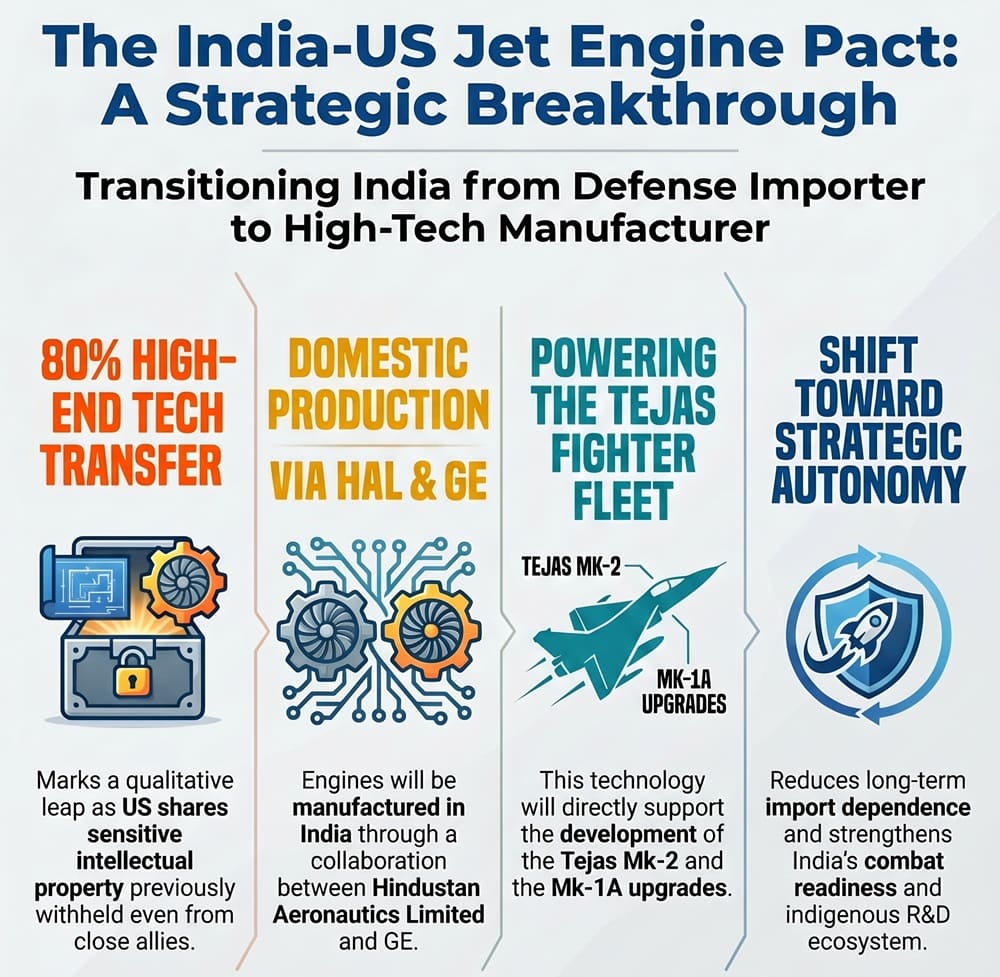
Importance for Tejas Mk2
The GE F414 transfer to India for Tejas Mk2 is about more than just engines. It’s all about trust. The Tejas family has been under pressure from their schedules for years, and the lack of engines has already hurt the larger program. Reuters said in February 2025 that delays in GE engine deliveries had pushed back the production of the Tejas Mk1A. Around the same time, Indian officials were still saying that the Tejas Mk2 would make its first flight in early 2026. This shows how much the schedule depended on getting propulsion support on time.
That’s why making things locally is so important. If HAL can mass-produce the F414 in India, it may reduce future issues in other countries. It would not eliminate all delays in Tejas Mk2. It still takes time to integrate the airframe, test the flight, mature the software, work on the radar, and clear the weapons. But it would eliminate one of the program’s most significant structural risks. That alone would make the transfer of the GE F414 to India strategically important.
A Big Gain, Not a Revolution
India should still be realistic about this deal. The F414 went into service in 1998, and GE says that more than 1,600 have been delivered to eight countries, where they have logged over five million flight hours. These are excellent numbers, but they also show that the F414 is an older design that has been tested and proven, not a new engine made for the sixth-generation fighters of the future. In other words, India would gain an important set of industrial skills, but it wouldn’t be a quick way to get to the top of the world.
That doesn’t make the deal any less important. Mature engines are often the best candidates for transfer because they have less political risk and are easier to learn to make. For decades, India’s engine industry has had trouble going from ambition to steady serial output. So, making a high-performance Western turbofan in the country could help local companies learn how to plan for long-term maintenance, handle hot sections, and control quality at a much higher level than they do now.
Why AMCA Is Watching
The long-term effects may go beyond the Tejas Mk2. If India learns to use F414-related manufacturing methods well, it could help with future AMCA work, even if it doesn’t solve all propulsion problems. India still needs to learn more about materials, turbine temperatures, control software, testing culture, and ways to upgrade. Still, the transfer of the GE F414 to India could help develop the industrial habits that will make the fighter ecosystem stronger in the future. This story is important for more than just the engine contract.
For readers tracking the wider Indian fighter debate, related coverage on Defense News Today includes India’s F-35 Hopes Hit Wall as Lockheed Pulls Back and the broader Air Force archive. For primary source background, see GE Aerospace’s official F414 engine page and Reuters’ reporting on GE-related engine delivery delays affecting Tejas output.
Conclusion
India is not going to become an engine superpower overnight. But they might finally be making a real effort to get there. If the deal goes from negotiation to stable production, the transfer of the GE F414 to India could make the Tejas Mk2 stronger, give India a better manufacturing base, and give future combat aircraft programs a stronger industrial base. That would be a big change for a country that has been trying to become self-sufficient in propulsion for a long time.
References
- GE Aerospace F414 Engine
- GE Aerospace and HAL Celebrate 40 Years of Partnership
- India expects stable delivery of GE-powered fighter jets next fiscal year after delays — Reuters
- India’s F-35 Hopes Hit Wall as Lockheed Pulls Back — Defence News Today
About the Author