U.S.–Japan Hyper Velocity Gliding Projectile (HVGP) system
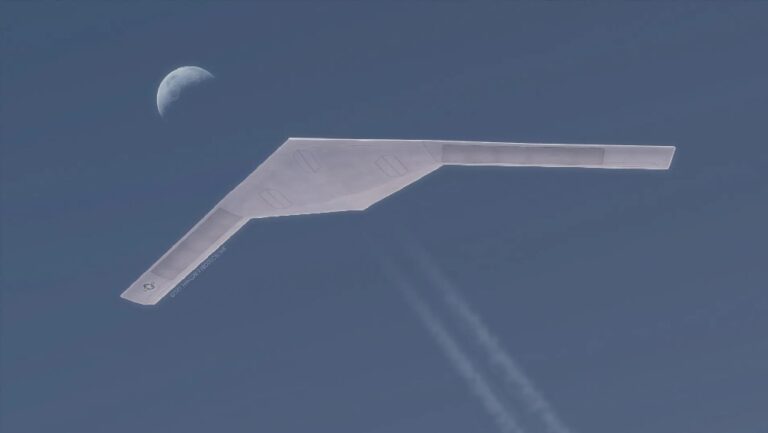
Concept art for field Logistics
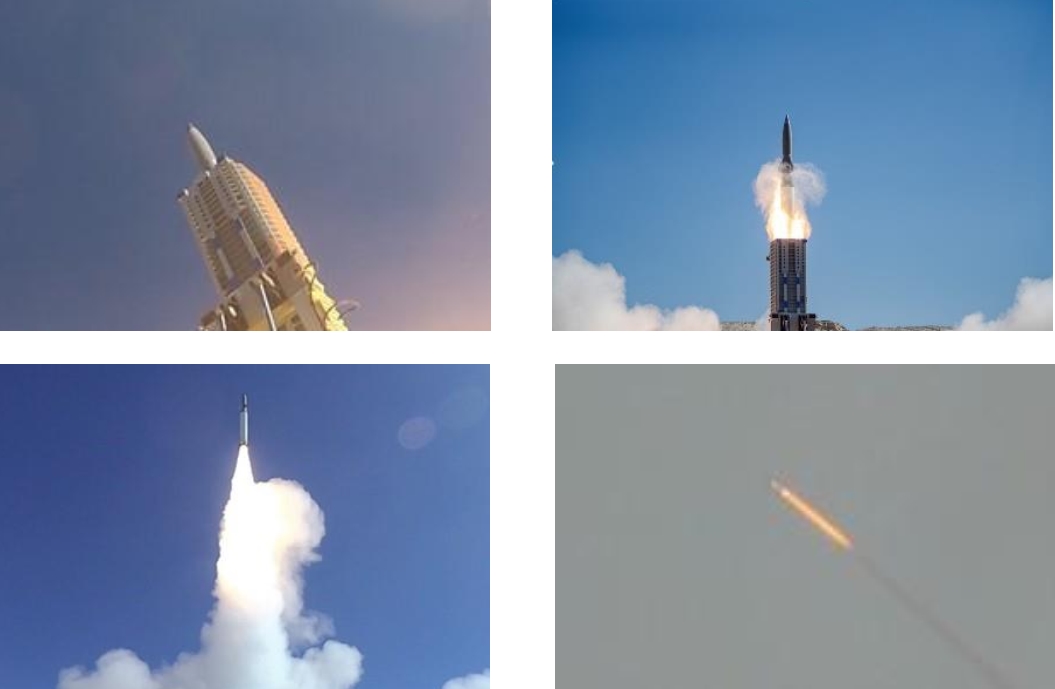
Japan’s hypersonic strike ambitions have moved from concept art to field logistics. In mid-November 2025, reporting indicated Japan’s Ground Self-Defense Force ran deployment drills for the Hyper Velocity Gliding Projectile (HVGP) system, while officials described test results as positive and work as on track for early fielding.
This matters because HVGP is not just “another missile.” It is a boost-glide weapon designed to survive modern air defenses by flying at very high speed and maneuvering during its glide phase. Consequently, it supports Japan’s standoff defense and emerging counterstrike posture without relying on large aircraft packages.
Just as importantly, U.S.–Japan HVGP cooperation now has a clear, documented spine: a US Foreign Military Sale (FMS) notification for $200 million in HVGP capability support, approved in March 2025.
What is HVGP?
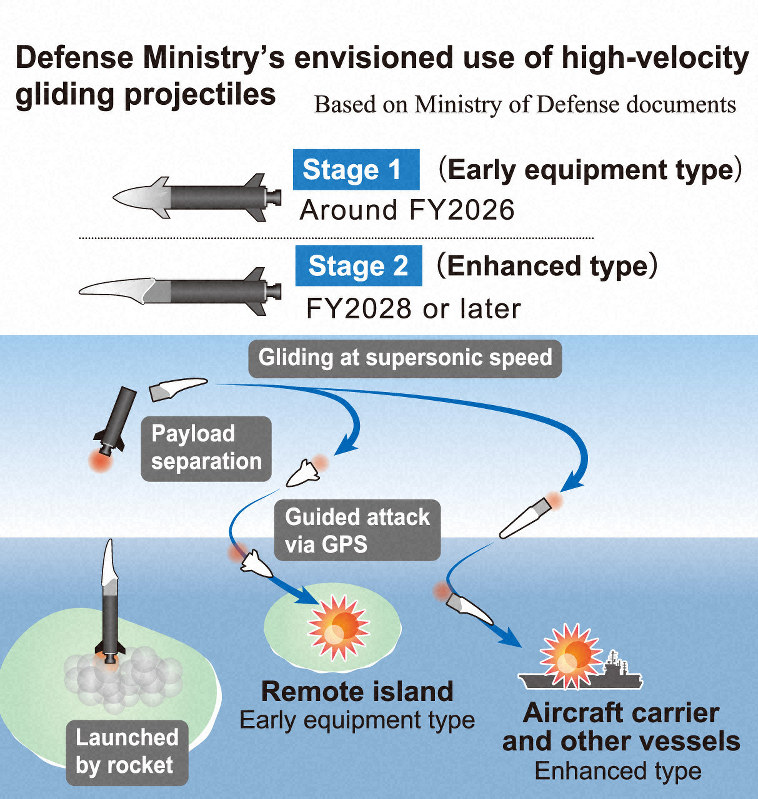
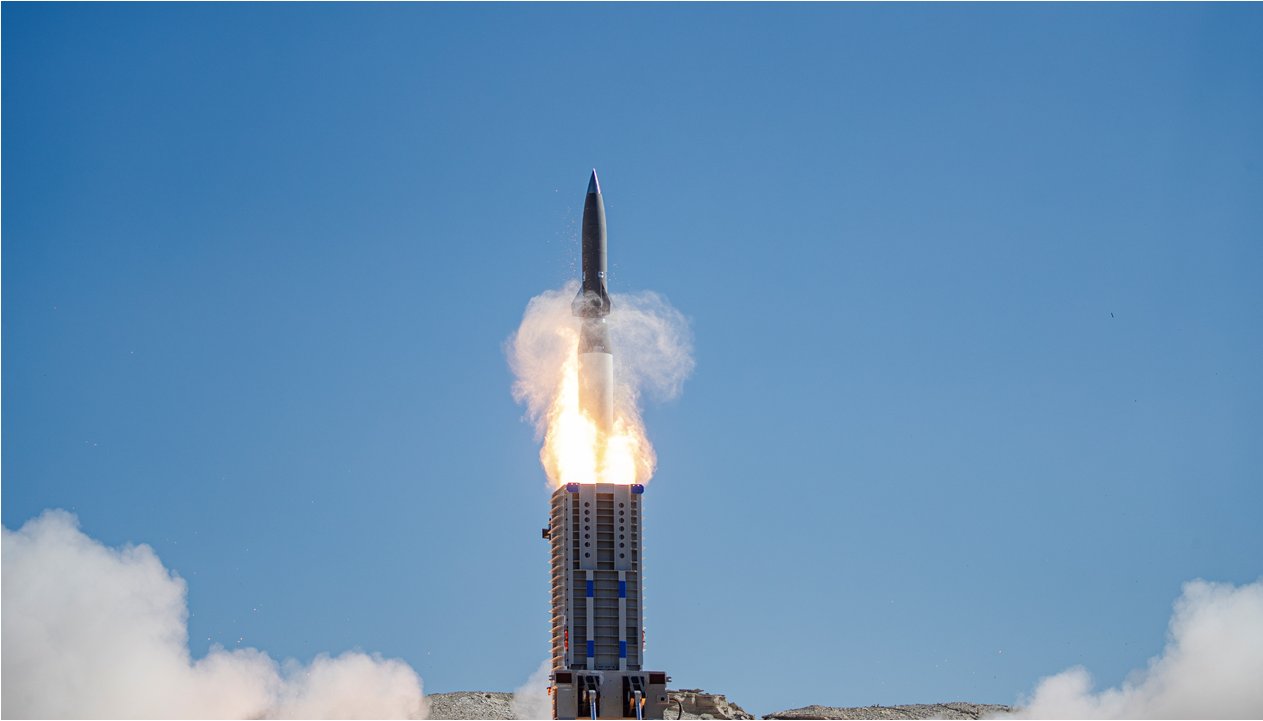
HVGP is best understood as a truck-launched, solid-rocket boost-glide system. A booster accelerates the projectile to high altitude and high speed, then the glide body separates and flies on a flatter, maneuvering path to the target.
Japan has framed HVGP around remote-island defense. However, the same attributes—range, speed, and survivability—also suit wider standoff strike missions if doctrine and targeting mature.
November 2025: Fielding Tests, Not Just Flight
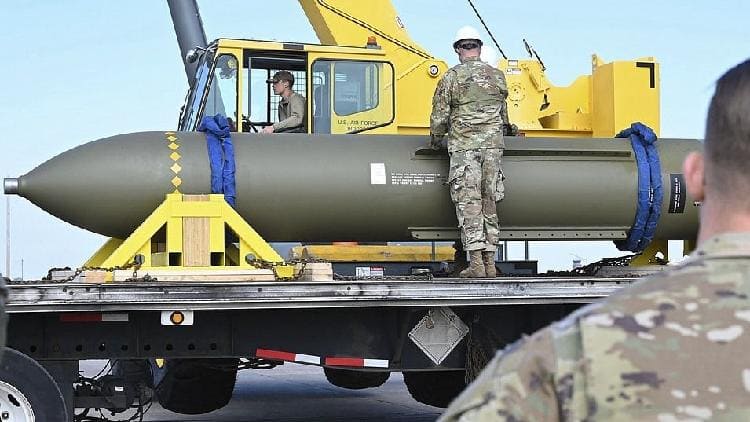
A key 2025 storyline is that Japan has tested more than flight dynamics. Reports describe mobility trials, loading and firing preparation drills, and environmental testing in cold and rugged conditions.
That distinction matters. A hypersonic weapon is only operational when the launcher, canisters, command chain, and transport routines work in adverse weather, on rough surfaces, and at dispersed sites. Moreover, those are precisely the conditions Japan faces in northern and southwestern theaters.
What the $200m U.S. Package Actually Funds
The March 10, 2025, DSCA notice is the most verifiable anchor for U.S.–Japan HVGP cooperation. It describes equipment and services supporting Japan’s indigenous HVGP effort, including test preparation, testing, transportation support, and coordination activities in both countries—at an estimated $200 million.
In other words, Washington is not “selling HVGP missiles” here. Instead, it is helping Japan de-risk the test enterprise—instrumentation, logistics, and the hard, boring work that turns prototypes into a repeatable program.
That kind of support often accelerates schedules because it compresses the time spent building one-off test infrastructure. Therefore, it can matter as much as a propulsion breakthrough.
HVGP Block 1: Range, Launcher, Roles
Open reporting commonly places HVGP Block 1 in the ~500–900 km class. That “hundreds of kilometers” description is broadly accurate, but the upper end of the estimate is quoted most often. The system appears designed for a road-mobile launcher carrying two canisterized rounds.
For deployment, multiple sources describe plans for two HVGP battalions, with basing discussed in Hokkaido and Kyushu—a geography that supports coverage of northern approaches and the southwestern island chain.
HVGP Block 2A/2B: Long Range, Clear Terms
Future variants are widely described as Block 2A (~2,000 km) and Block 2B (~3,000 km), with development/fielding targets that extend toward 2030. Some online summaries blend this story with the US X-51 “Waverider” and scramjet narratives. Here’s the cleaner way to read it:
- HVGP is typically described as boost-glide.
- “Waverider” can refer to aerodynamic shaping that improves lift/drag at hypersonic speeds, not necessarily a scramjet engine.
- Japan separately pursues scramjet-powered concepts (often discussed as a hypersonic cruise missile line), which can get mixed into HVGP talk.
So, treat any “HVGP will use X-51 scramjet engine” claim with caution unless an official document confirms it. The more consistent public picture is that Block 2 improves glide performance and range, while scramjet work sits in adjacent programs.
Guidance and Seekers: The Anti-Ship Challenge
Public descriptions commonly attribute HVGP guidance to satellite navigation backed by inertial navigation. For terminal engagement—especially against ships—sources often mention radio-frequency imaging and infrared sensors.
That mix makes sense. Satellite/INS gets you into the right box. Then, a terminal seeker helps solve the “moving target” problem at sea, where last-minute course updates matter.
Warhead claims also circulate. The most credible public framing is capability-based: an anti-ship variant prioritizes penetration and terminal effect, while a land-attack configuration may prioritize blast/fragmentation or area effects.
Why HVGP Changes Japan’s Deterrence
HVGP sits inside a broader Japanese shift towards standoff defense and the ability to hold forces at risk from outside an adversary’s weapon engagement zone. Therefore, even a “defensive” island-interdiction missile has deterrent value, because it threatens high-value ships and staging nodes.
At the alliance level, U.S.–Japan HVGP cooperation also signals something practical: Japan wants sovereign weapons, but it will use US test ranges, processes, and support frameworks to field them faster.
What to watch next
Three indicators will tell you whether HVGP is becoming a mature operational system:
- Repeatable launcher drills across seasons and terrain, not just showcase events.
- Clear basing and unit structure for the two battalions.
- Transparent schedule discipline for Block 2A/2B and its targeting ecosystem (ISR, comms, and battle management).
If those pieces lock together, HVGP becomes more than a hypersonic headline—it becomes a dependable part of Japan’s force design. For more information related to HVGP visit Defense News Today missile section and read the following article Japan’s HVGP Hypersonic Missile Targets PLAN, DPRK.
References
- https://www.dsca.mil/Press-Media/Major-Arms-Sales/Article-Display/Article/4114135/japan-hyper-velocity-gliding-projectiles-capability-support
- https://news.usni.org/2025/11/17/japanese-forces-test-deployment-of-hypersonic-missile-system
- https://www.navalnews.com/naval-news/2024/07/video-japan-tests-hyper-velocity-gliding-projectile-hvgp/
- https://www.iiss.org/online-analysis/missile-dialogue-initiative/2024/07/japan-tests-new-hypersonic-glide-vehicle/
About the Author