U.S. Cruise Missiles Miss Targets in Nigeria
When U.S. cruise missiles miss targets in Nigeria, the story moves quickly from strategy to physics. Reuters reporting says at least three Tomahawk cruise missiles fell short during a U.S. strike on Islamic State targets. By morning, residents reportedly found debris and unexploded warhead components near civilian areas around Offa in Kwara State. That combination—precision weapon, civilian-adjacent impact zone, and unexploded ordnance—raises two urgent questions. First, what likely failed in the weapon’s navigation or mission logic? Second, what happens next when a large warhead does not detonate and ends up on the ground?
Ground reports
Multiple accounts describe residents hearing three explosions at about 9:00 p.m. local time on 25 December. Tajudeen Alabi, a former security aide to the Kwara State governor, told the BBC that the impacts damaged buildings in several locations. According to him, the explosions destroyed at least five structures, resulting in reported injuries but no confirmed fatalities at the time. Meanwhile, images of the remnants circulated online through open-source channels.
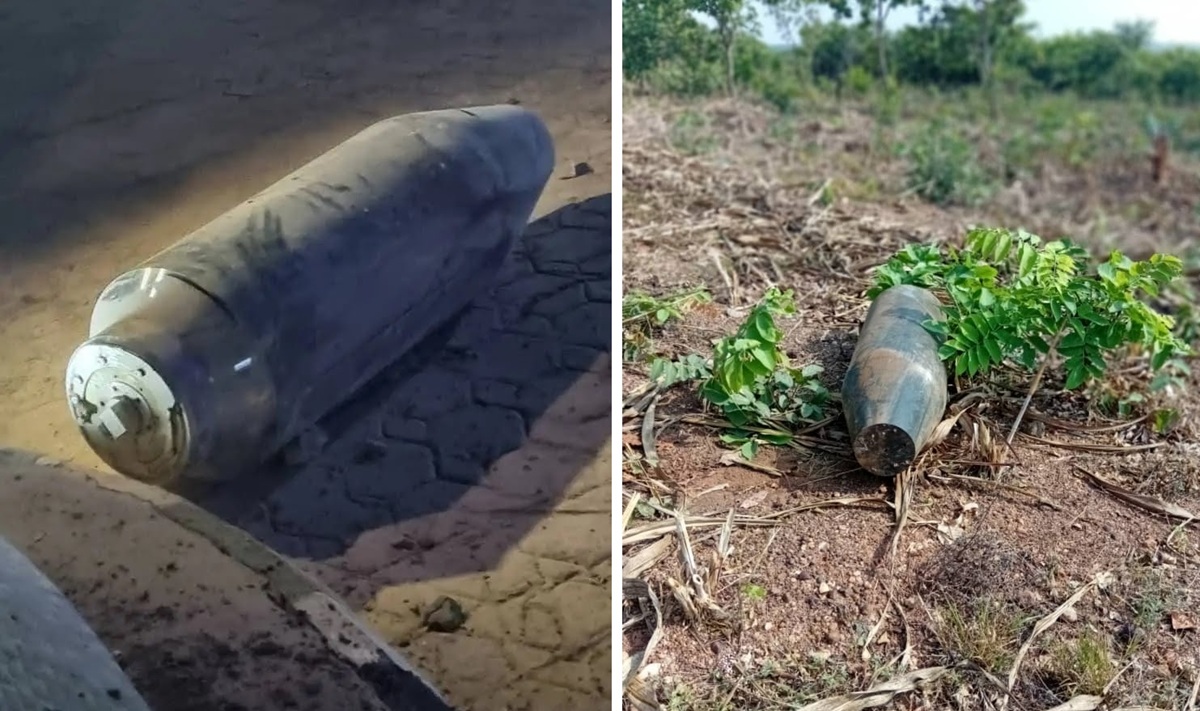
Conflict researcher Trevor Ball (Bellingcat) published photographs that appear to show cruise missile fragments, including what looks like an intact warhead section. Attribution matters because the claim that U.S. cruise missiles are missing targets in Nigeria is still evolving. Some outlets describe Tomahawk Missile debris in Kwara State, while other reporting around the Christmas Day operation describes U.S.-Nigeria cooperation and airstrikes in the northwest. Analysts therefore need to separate (1) evidence from fragments, (2) official statements, and (3) plausible failure modes.
WDU-36/B Warhead: The 310 kg Clue
Reporting on the debris says the remains include WDU-36/B high-explosive fragmentation warheads weighing about 310 kilograms, alongside a missile wing section. If correct, that is a meaningful technical fingerprint because WDU-36/B is widely associated with conventional Tomahawk land-attack variants. However, the most important operational takeaway is not the model number.
It is the implication that large explosive components did not function as intended and may still be hazardous. Therefore, when U.S. cruise missiles miss targets in Nigeria, the “miss” does not end on impact. It can create an unexploded ordnance (UXO) problem that forces cordons, disposal operations, and public warnings.
Why Tomahawks May Not Detonate Off-Route
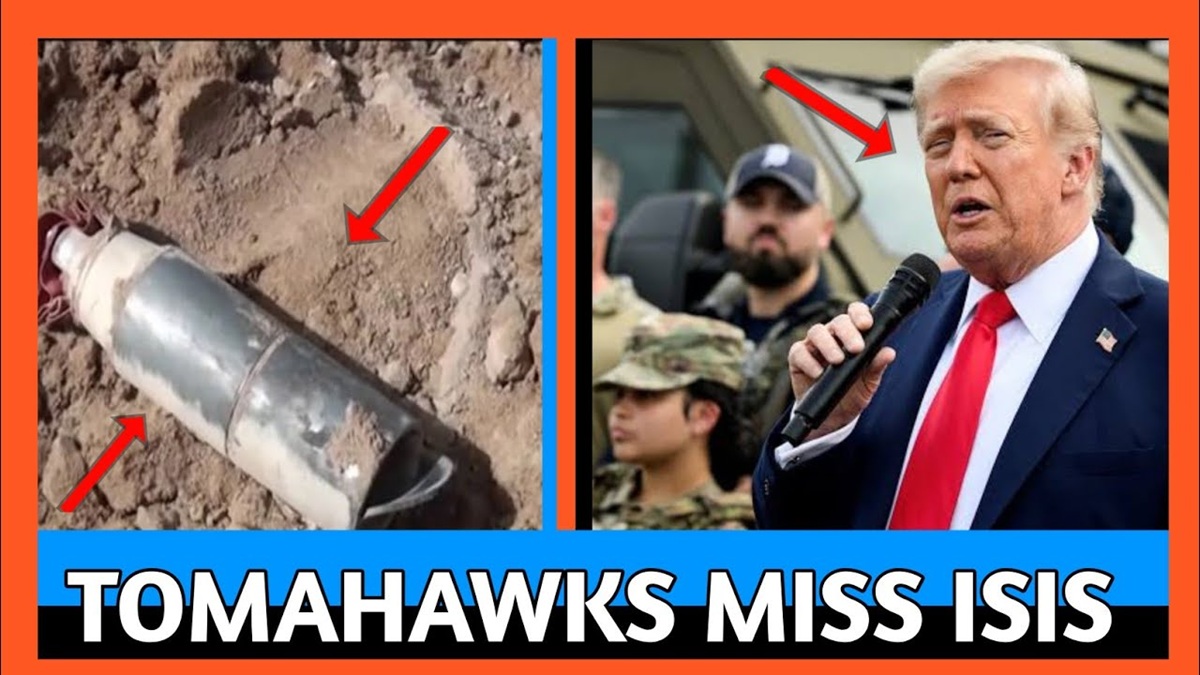
Tomahawk cruise missiles typically follow pre-programmed routes and rely on layered navigation (for example, GPS/INS with terrain matching on some variants). Even so, several things can push a missile off its planned corridor—guidance faults, terrain map mismatch, GPS degradation, or mission-planning error. Militarnyi’s reporting highlights a key safety possibility: if a Tomahawk detects meaningful deviation from its programmed flight path, its fuze logic can inhibit detonation.
In short, the missile may not explode if it thinks it is in the wrong place. That would fit the visual pattern described: debris present, warhead components present, but no full detonation signature. So, while precision weapons reduce risk overall, safety mechanisms can produce a different hazard profile. A non-detonation protects bystanders in the moment, but it can leave dangerous munitions behind.
Could it be a miss or a misroute? Targeting and Performance
If U.S. cruise missiles miss targets in Nigeria, analysts will likely examine three layers:
1) Mission planning and route constraints
Long-range land-attack missiles often fly around air-defense zones and terrain features. That routing can add complexity. Moreover, small errors can compound over distance, particularly if the mission relies on strict waypoints.
2) Guidance integrity in a real environment
Weather, terrain correlation, and navigation updates can interact in messy ways. Even when failures are rare, they still occur.
3) Endgame logic and fusing
If the missile “knows” it is off-route, it may inhibit the fuze. That safety design can prevent unintended blast effects, yet it also increases UXO risk.
Joint Operation: Nigeria Confirms the Strikes
Nigeria’s Ministry of Foreign Affairs confirmed that strikes occurred and said they were carried out in cooperation with the United States, describing “pinpoint strikes on terrorist targets” and airstrikes in the northwest. Meanwhile, U.S.-linked reporting around the same operation has described the strike as a U.S. action against Islamic State militants in northwestern Nigeria.
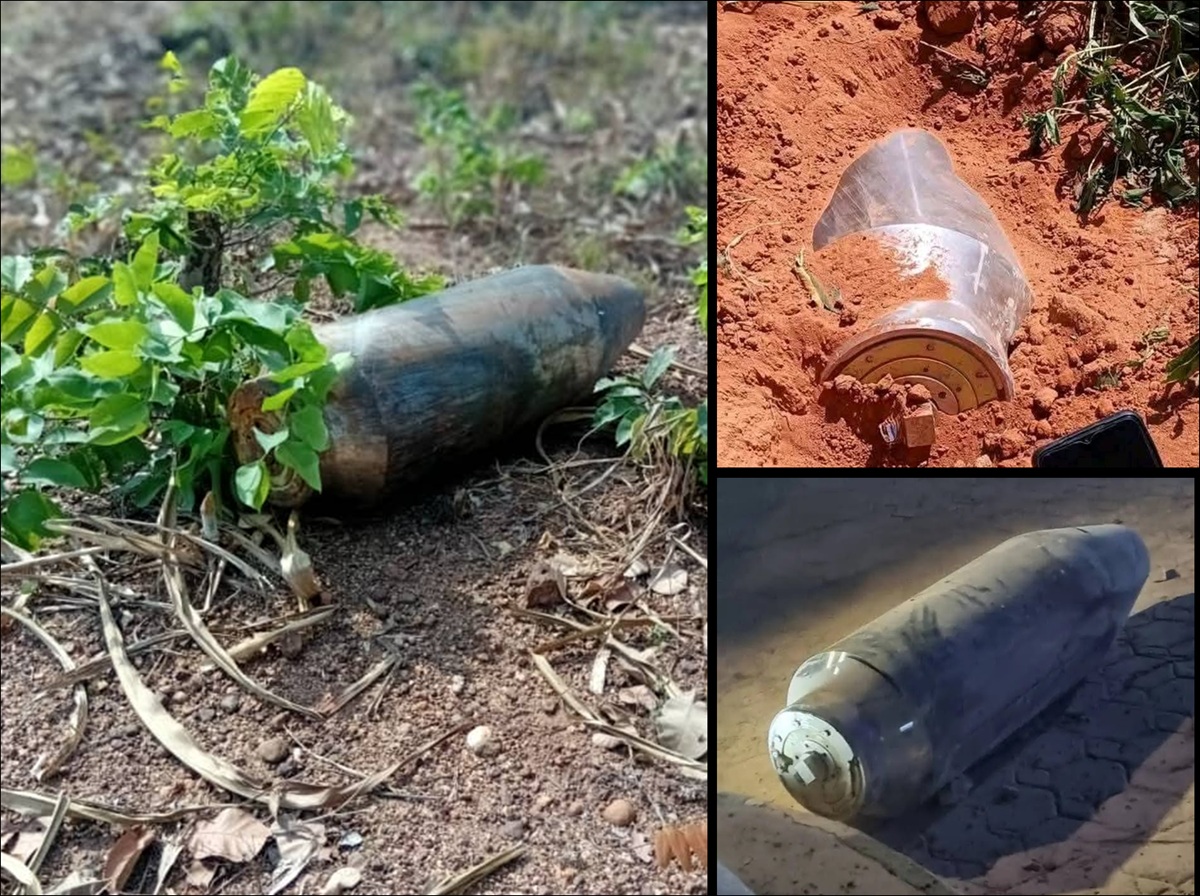
Since different reports mention various details about the weapons used, it’s best to consider “Tomahawk in Kwara” as information from public sources backed by partial images, rather than a complete official account. Still, the strategic point remains: when U.S. cruise missiles miss targets in Nigeria, the incident can reshape local perceptions of foreign strike packages, even if the intended targets were militant camps.
Implications for Future Long-Range Strikes
Tomahawk missiles are designed for high-accuracy, long-range strikes and are normally launched from naval platforms. A widely reported “miss” does not mean the weapon class is unreliable. Instead, it underlines how rare malfunctions become headline events when they happen near civilians.
Operationally, militaries will take two lessons:
- Post-strike UXO management must be built into planning, including public warnings and rapid EOD response.
- Open-source verification now shapes narratives fast, because imagery of remnants can outpace official detail.
In short, U.S. cruise missiles missing targets in Nigeria are not just a short-distance story. It is also a safety, messaging, and escalation-management story.
References
- https://militarnyi.com/en/news/at-least-three-tomahawk-missiles-used-by-the-usa-to-attack-isis-in-nigeria-failed-to-reach-targets/
- https://www.reuters.com/world/africa/us-launches-strikes-against-islamic-state-militants-northwest-nigeria-trump-says-2025-12-25/
- https://www.reuters.com/world/africa/nigeria-urges-civilians-avoid-debris-us-backed-strikes-islamists-2026-01-02/
- https://en.wikipedia.org/wiki/Tomahawk_missile
About the Author