

Peter Pantsir - S1
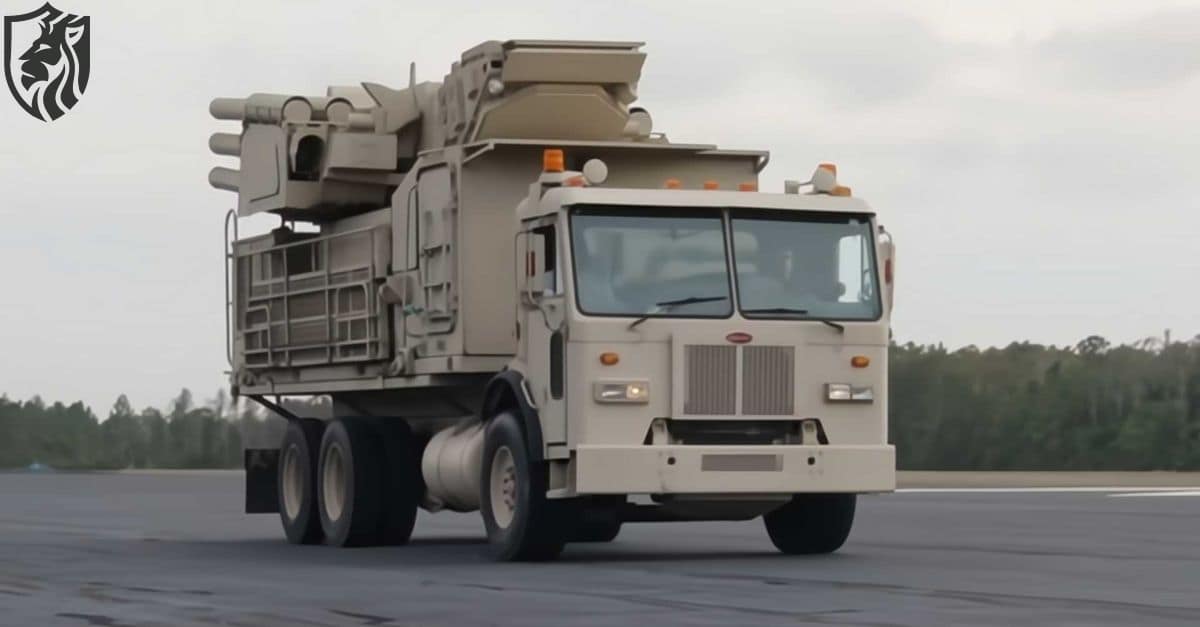
To bolster its military readiness, aerospace giant Lockheed Martin has revealed a distinctive simulation of Russia’s Pantsir-S1 air defense system. Instead of using a military chassis, Lockheed mounted the system on a Peterbilt 320, a common garbage truck.
Defense analysts nicknamed the project “Peter Pantsir” when it appeared in late 2024 during a series of test programs. These trials aim to boost the Sniper Advanced Targeting Pod, used on U.S. fighters like the F-16 and F-18.
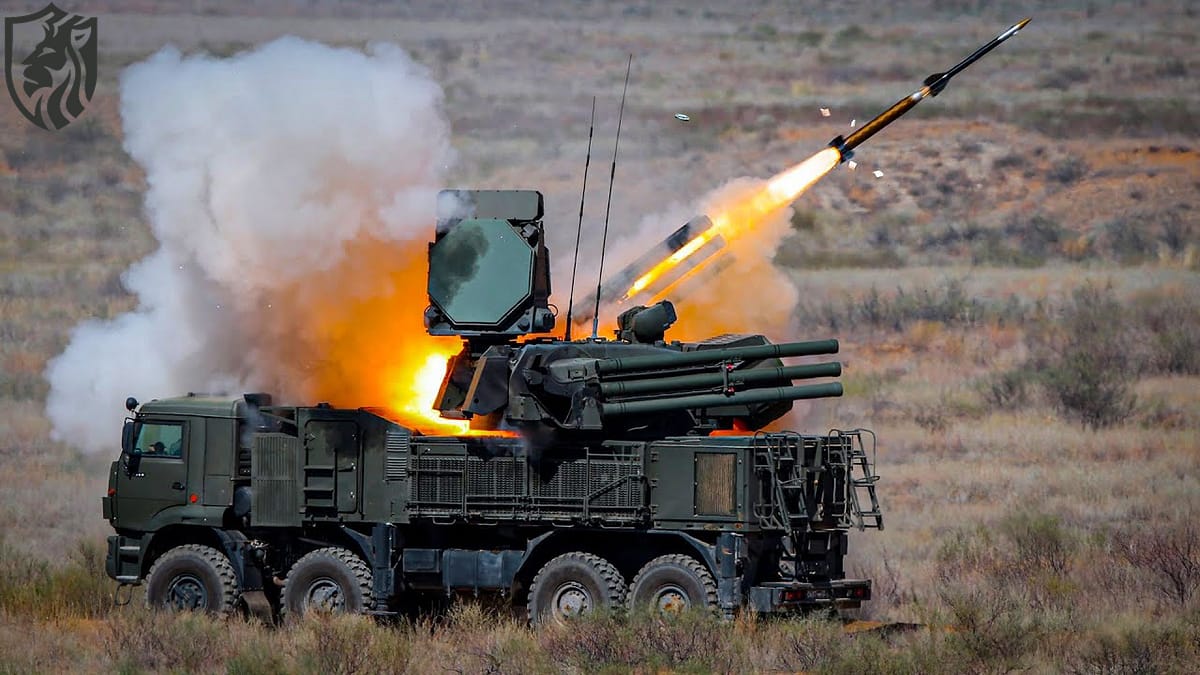
Lockheed’s mock-up of the Pantsir-S1 highlights America’s strategy of studying enemy gear to design better countermeasures. Russia’s Pantsir-S1 is designed for short-to-medium-range defense and protects key sites from aircraft, drones, and guided missiles. It also provides cover for ground troops by intercepting incoming aerial threats in real-time combat scenarios.

Rebuilding this system in an affordable way enables U.S. forces to evaluate cutting-edge targeting technologies against realistic targets. By incorporating this mock-up into training and research initiatives, the Pentagon aims to enhance pilot readiness and the performance of systems such as the Sniper pod, which is a key player in reconnaissance, target acquisition, and precision attacks.
The Role of the Sniper Advanced Targeting Pod
The Sniper Advanced Targeting Pod is a cutting-edge system combining infrared and television sensors, laser rangefinders, and precision tracking devices. Installed under fighter aircraft, it enables pilots to detect, identify, and hit targets with outstanding precision.
Testing this pod against a simulated Pantsir-S1 assists engineers in evaluating its performance under various conditions, such as day and nighttime flights and inclement weather. The goal is to work out the technology so that it can accurately identify and classify enemy defense systems in actual combat environments.
A Pragmatic Approach to Threat Simulation
While some may question the choice of a Peterbilt 320 as the mock-up’s foundation, it provides a practical alternative to purchasing an actual Pantsir-S1. The Peterbilt 320, recognized for being hardy and versatile, provides engineers the platform upon which they can attach critical components to simulate the actual system’s configuration.
While unorthodox, the approach guarantees that U.S. pilots can conduct training with a simulation accurate enough to prevent complacency while avoiding costs and logistical issues.
Historically, the United States has taken the same approaches to analyzing foreign military systems. The Americans during the Cold War reverse-engineered Soviet aircraft and tanks to better understand what they could do. The Pentagon now continues this tradition by using seized systems, open-market purchases, and copies like the Peter Pantsir to develop countermeasures.
Training and Tactical Applications
One of the principal applications of the Pantsir-S1 mock-up is in training exercises that involve “opposing forces” (OPFOR) troops. These trained troops mimic enemy equipment and tactics to present U.S. forces with realistic battlefield simulations.
Units like the National Training Center in California and Nellis Air Force Base in Nevada conduct frequent large-scale exercises that include mock enemy systems on a regular basis. The Pantsir-S1 model, based on Peterbilt, adds a crucial element of realism to these exercises, challenging pilots to identify, avoid, or neutralize air defense threats.
Public and Expert Reactions
The choice to employ a garbage truck chassis for this venture has generated debate among military strategists and defense hawks. Some see it as evidence of American creativity—taking an unlikely vehicle and turning it into a valuable training aid. Others are guessing that the selection is evidence of budgetary restrictions or a creative solution because there was no access to real Russian equipment.
Lockheed Martin has been coy about the details of the project, but military analysts are unanimous in its importance. “Understanding how our systems compare to those of the Pantsir-S1 is important,” says a retired U.S. Air Force colonel who has advised on such programs. “It’s not technology—it’s strategy, tactics, and readiness. You would rather not see a Pantsir for the first time in a live battle.”
Global Implications and Future Developments
The wider implications of the initiative are beyond the U.S. military. Russia and Iran have extensively used the Pantsir-S1 and have exported it to Syria, Algeria, and the UAE. Conflict zones widely use the Pantsir-S1, making it a key target for Western air power strategy.
A 2023 Congressional Research Service report said Russia now relies heavily on air defenses, prompting U.S. countermeasures. In response, the U.S. has focused on stealth, electronic warfare tools, and precision-guided missiles to stay ahead.
The Sniper pod was recently upgraded to counter modern threats like the Pantsir-S1 more effectively and precisely. Defense officials confirmed successful tests of the Peter Pantsir mock-up used in advanced targeting exercises.
They hinted at more mock-ups being developed to prepare aircrews for real-world encounters with Russian air defenses. Lockheed Martin has not shared full specifications but stressed that the system plays a key role in training efforts. Such projects are essential for keeping U.S. fighters like the F-16 and F-18 dominant in hostile airspace.
Conclusion
The creation of the Peter Pantsir underscores the innovative and adaptive nature of the U.S. military in response to emerging threats. Despite its unconventional appearance, the ultimate goal of the Peter Pantsir is clear: to enhance pilot training, enhance targeting technology, and prepare for real-world combat. As military battles become more complex, initiatives such as this will continue to shape the future of war, keeping U.S. forces one step ahead of their opponents.
References
- CRS (2023)—Russia’s Air Defense Systems and U.S. Countermeasures
https://crsreports.congress.gov/product/pdf/RL/RL32665 - BulgarianMilitary.com (2025) – Lockheed Martin’s Unconventional Pantsir-S1 Mock-Up
https://bulgarianmilitary.com/2025/lockheed-martin-pantsir-s1-mock-up - DoD (2024) – Annual Defense R&D Report
https://media.defense.gov/2024/Annual-Defense-RD-Report - Defense News Today (2025)—F-16 and F-18 Targeting Enhancements
https://www.defensenewstoday.info/f16-f18-targeting-2025 - NTC, U.S. Army (2024) – Realistic Opposing Forces in Training
https://www.army.mil/ntc-opfor-2024
About the Author