U.S. Army M1E3 Abrams Tank Designed for Drone Warfare
The U.S. Army has made a clear decision not to upgrade older versions of the Abrams, like the M1A2 SEPv4. Instead, they are working on a brand new platform: the M1E3 Abrams tank. This main battle tank shows how battlefield priorities have changed over time. It uses lightweight construction, network integration, and drone resilience to win future wars.
The U.S. Army changed the way it spent money on the SEPv4 program after recent wars, like the one in Ukraine. Instead, it used the money to speed up the M1E3 Abrams tank. The new tank will be lighter, more durable, and better connected than any of the previous Abrams generations. The Army wants to deploy the M1E3 in 24 to 30 months, which is half the time it was originally planned to take. They are working with General Dynamics Land Systems to do this.

M1E3 Abrams: Why It Matters Now
The SEPv3 and SEPv4 models have problems that make it necessary to come up with a new main battle tank. Those platforms had trouble with their weight, which is now almost 78 tonnes, making it harder for them to move strategically.
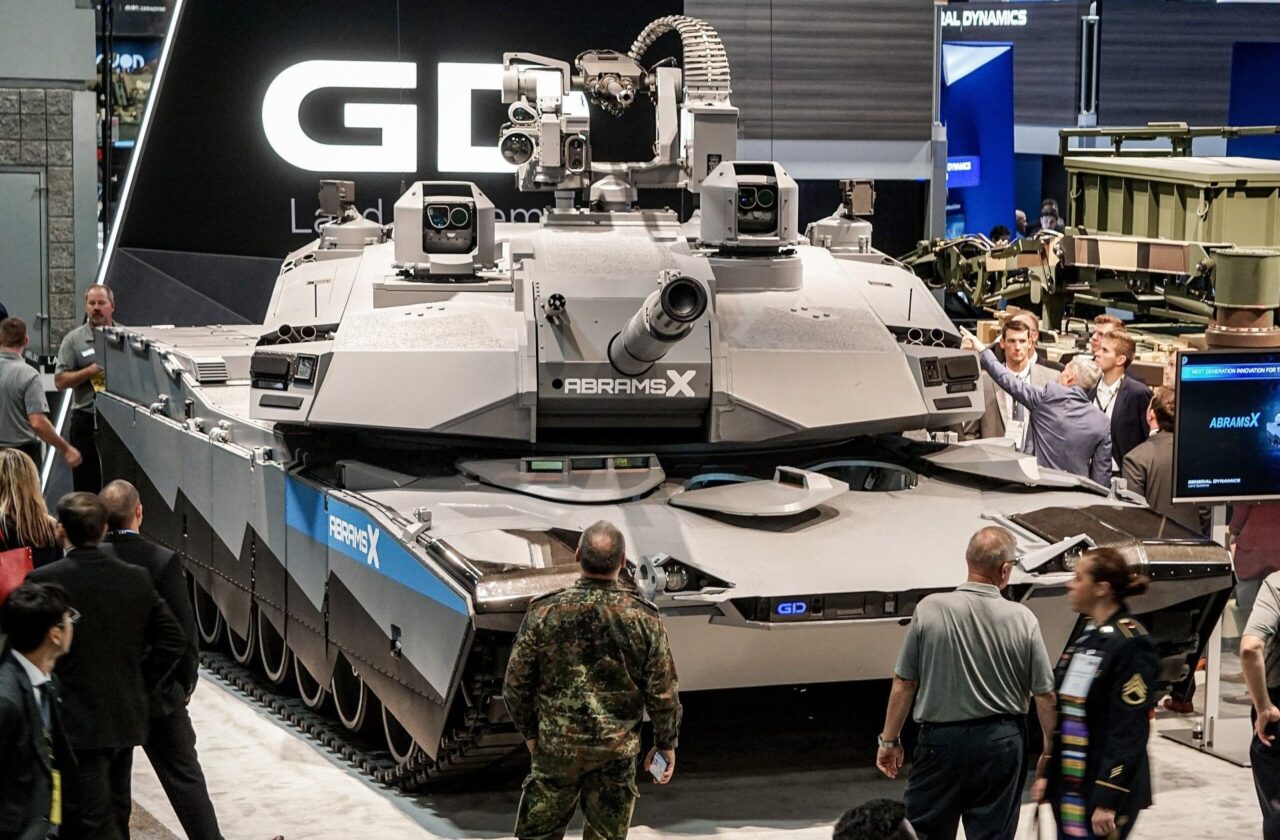
Major General Glenn Dean says that the Army can’t keep adding features to the Abrams without going over weight limits. The M1E3 Abrams tank plans to fix its weight problem by aiming for a 60-tonne design, which will greatly improve logistics without hurting combat effectiveness.
The M1E3 Abrams is high-tech and mobile.
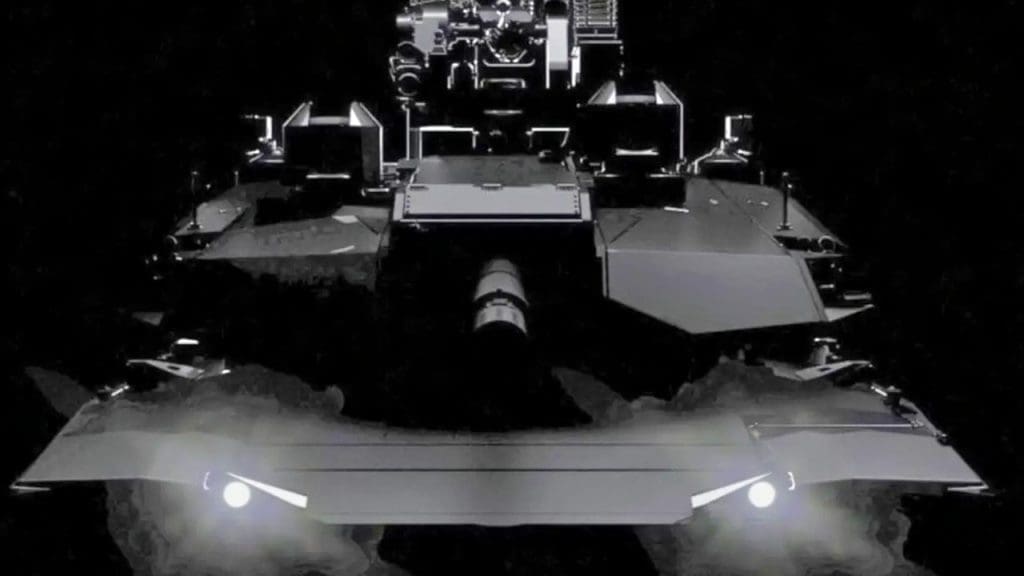
The new Abrams doesn’t just add new equipment to an old chassis; it also has modular open systems architecture (MOSA), hybrid-electric propulsion, and advanced fire control systems. These technologies make it easier to upgrade quickly, lower the cost of ownership, and improve compatibility. The M1E3 Abrams tank will have features from the cancelled SEPv4, like third-generation forward-looking infrared (FLIR) and laser warning receivers, but they will be better in many ways.
Built for networked warfare.
The M1E3 Abrams tank is fully compatible with battlefield networks, unlike older models like the M1A1 or SEPv3. The Army is spending $210 million on self-driving ground vehicles for 2026. This means that the M1E3 will work with drones and robots. This network-based approach will make it easier to understand what’s going on and respond to commands, especially when different forces are working together. The M1E3 Abrams tank is lighter, smarter, and tougher than either of its predecessors. Its modular armor can be altered on the battlefield, and its hybrid propulsion makes it harder to detect radar and heat, which makes it more likely to survive.
Simpler logistics, easier maintenance.
The M1E3 Abrams tank is going to make logistics much easier to handle. The hybrid-electric engine could cut fuel use in half, which would make things easier on supply chains. Furthermore, the lighter frame makes it easier to move by air or rail, especially in the Indo-Pacific theater, where quick deployment is crucial.
Modularity also makes it easier to keep equipment up-to-date. Upkeep will be easier with shared parts on platforms like the XM30 Infantry Combat Vehicle. Unlike older Abrams models that need to be completely rebuilt at the depot level, field-level units will be able to swap modules, which will save money and increase uptime.
Ukraine Lessons Shaped the Design.
Events in Ukraine, where Russian T-90s became easy targets for Javelins and drones, influenced the design of the M1E3 Abrams tank. Reports suggest that over 2,000 Russian tanks have suffered destruction or damage due to inadequate protection against top-attack and loitering munitions.
The M1E3 comes with active protection systems built in from the start, not as extras like Trophy. Advanced coatings, such as the GM1912 VPS Signature Management system, will make it more difficult for radar or thermal imaging to detect the tank. These features are crucial for staying alive against modern surveillance and attack systems.
Upgraded sensors, firepower, and automation.
This decision will have a significant impact on both the defence industry and the workforce.
The cancellation of SEPv4 contracts, which are worth $4.6 billion, caused disruptions on the production lines in Lima, Ohio. However, the M1E3 Abrams tank program is bringing manufacturing back to life in the area. General Dynamics has instructed its engineering teams to begin developing the initial designs for an Army contract that will commence in May 2024.
The program states that it will create skilled jobs in the fields of AI, propulsion, and defense electronics. The change also helps small suppliers make systems like sensors and active protection, which makes the whole industrial base stronger.
Fighting China’s Type 99A
The design of the M1E3 Abrams tank took into account its competitors, particularly China’s Type 100 and 99A tanks. The Type 99A is a real threat because it weighs 55 tonnes and has a 125 mm gun. But when it comes to networking and electronic warfare, it doesn’t compare to the M1E3. The M1E3 is more suitable for regions like the Indo-Pacific, where the presence of drones and the importance of information are significant, because it integrates effectively with battlefield command systems and offers superior electronic shielding.
Strategic Risks and Uncertainties.
The M1E3 Abrams tank has significant potential, but it also presents several risks during its development. Bureaucratic red tape could delay the program, which heavily relies on fast-tracked acquisition reforms. Furthermore, budget pressures from cancelling other vehicle projects like the M10 Booker could affect funding.
To ensure that AI, autoloaders, and unmanned systems work well in real combat, we need to solve engineering challenges for their integration. The tank’s APS must also be able to stop large groups of drones, which are becoming more common on battlefields these days.
In short: a future-ready battle tank.
The M1E3 Abrams tank is a major step forward in armored warfare. It features hybrid propulsion, AI-enabled systems, and a modular build, demonstrating the U.S. Army’s commitment to being ready for the next generation of combat. The M1E3 is in a good position to keep the US on top in tank warfare through the 2030s and beyond, even though there are still technical and financial problems to solve.
References
About the Author