Type 45 Technical Issues Hit HMS Dragon Again
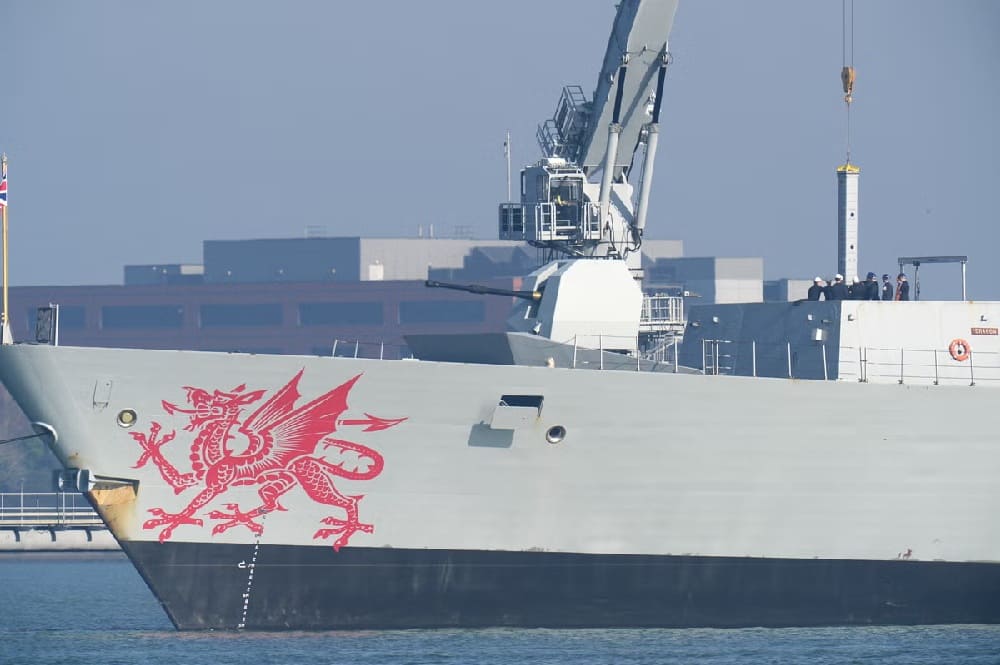
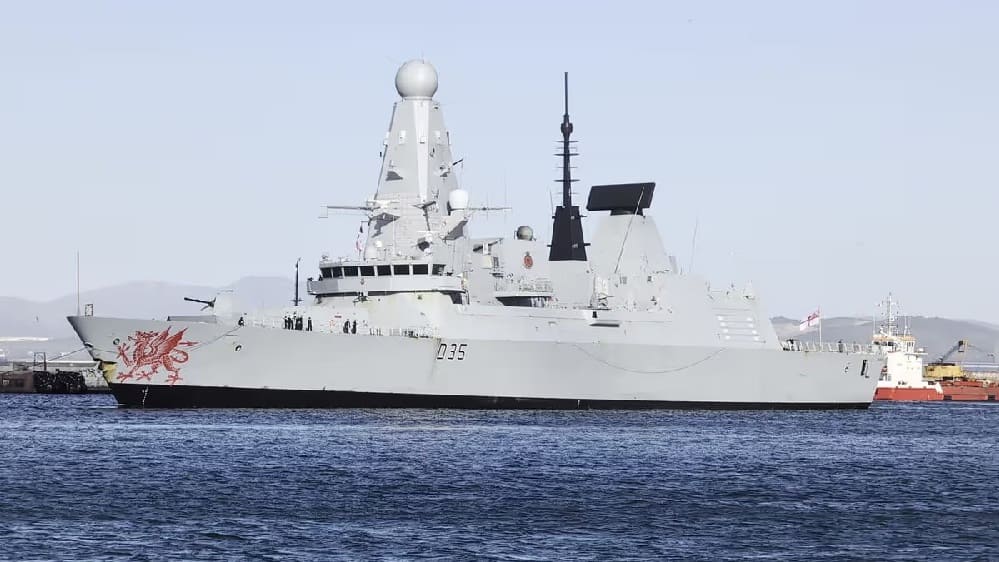
A new technical problem with the HMS Dragon has brought the Royal Navy’s Type 45 debate back into the spotlight. The destroyer came into port in the eastern Mediterranean after the Ministry of Defense said there was a small problem with the ship’s water systems. Officials also said that the stop was part of a planned period for logistics and maintenance. They also denied claims on social media that a Hezbollah missile had hit Dragon.
That’s important because HMS Dragon had only recently arrived in the area. On March 10, 2026, the Royal Navy said that the destroyer was on its way to the eastern Mediterranean to help protect British interests and bases, such as RAF Akrotiri, from Iranian-made drones and missiles. On March 24, 2026, Dragon then came to the theater. In other
Why Type 45 Problems Persist
There is more to the story than just one plumbing problem. The Type 45 has had a long battle with propulsion and electrical resilience. The Ministry of Defense gave a £160 million contract for the Power Improvement Project in 2018. The project aimed to enhance the class’s power and propulsion system after years of concerns about its reliability. The program replaces the old diesel generators with bigger ones to make them more durable. Parliament has said that the upgrade has taken longer than expected, which has affected availability. So, every new headline about Type 45 technical difficulties emerges in an already very sensitive situation.
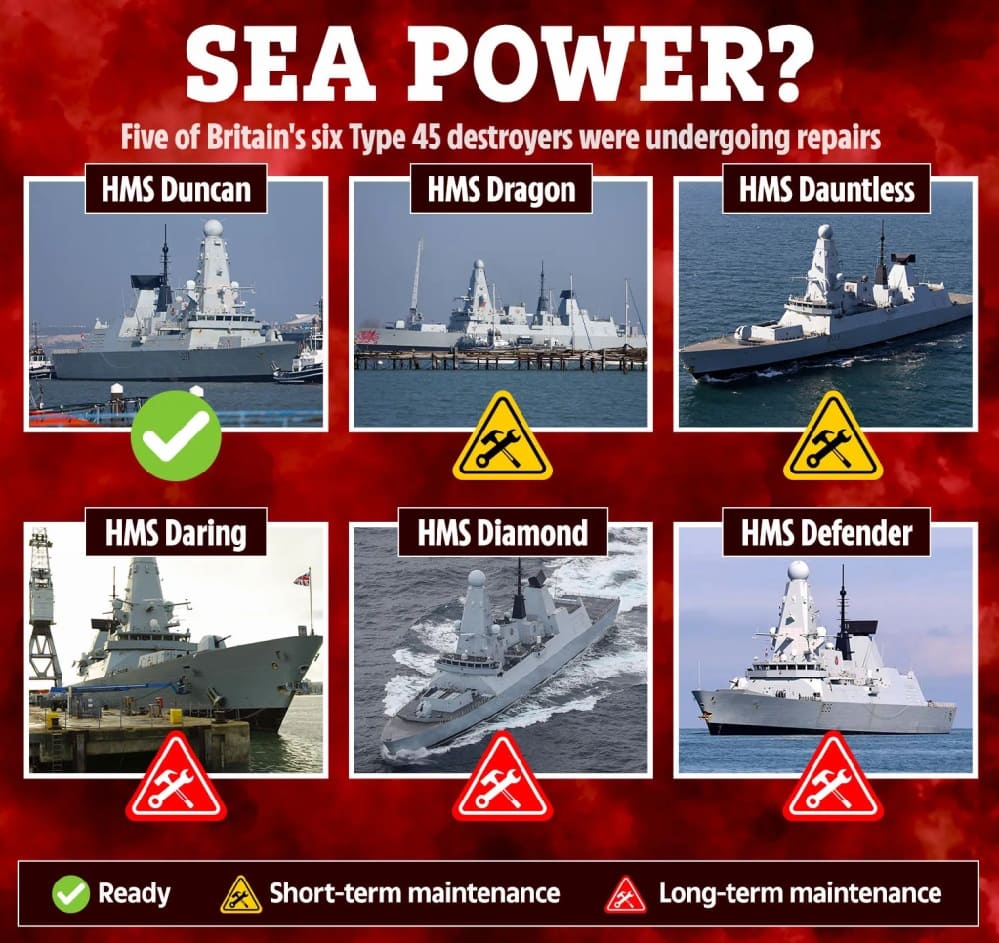
The availability picture shows why there is so much scrutiny. The Ministry of Defense said that as of January 2026, only HMS Dauntless, HMS Dragon, and HMS Duncan were in use. That meant that only three of the six ships were ready to go; the other three were still being repaired or upgraded. In late March 2026, Defense Minister Luke Pollard said that HMS Daring, which went into extended readiness in October 2017, would come back later this year after getting some big upgrades, like the Power Improvement Project. Even a small technical problem with HMS Dragon can have significant effects because the Type 45 class doesn’t allow much room for issues.
List fo Problems associated with Type 45
- Problems with power and propulsion: The Type 45’s Integrated Full Electric Propulsion system had reliability problems that were severe enough for the MoD to start the Power Improvement Project.
- There was no one problem that caused the class’s low reliability; instead, many connected and unconnected faults hid deeper design flaws. An independent review in 2011 found that there was “no single root cause.”
- WR-21 gas turbine operating weakness: The original design thought the ship could work well with just the WR-21 gas turbine, but later tests indicated that this idea didn’t work in real life.
- Not enough electrical resilience from diesel generators: The original diesel generators didn’t provide enough electrical resilience, which is why the solution needs more and bigger diesel generators across the class.
- Reliability fell in hot climates and warm waters, Parliament’s Defense Committee said. It also said the PIP targeted engines that failed catastrophically in hot weather.
- Need for major class-wide refits: the propulsion problems were so bad that a fleet-wide refit and upgrade program had to be started. Official sources have said many times that the time needed for these changes affects how many ships are available.
- General equipment reliability problems that couldn’t be resolved right away: The MoD also ran an Equipment Improvement Plan (PIP) to make existing equipment more reliable and make it available sooner.
- Recent problems with auxiliary systems on specific ships: for instance, HMS Dragon’s stop in the eastern Mediterranean in April 2026 was due to a small problem with the ship’s water systems, even though the Ministry of Defense said it was still at high readiness.
Type 45 Strengths
It is also important to separate criticism of reliability from criticism of combat ability. The Type 45 is not inadequate at defending against missiles. The main reason it exists is to protect the air. The Royal Navy calls Sea Viper a top fleet-defense system. In 2024, HMS Diamond showed how useful it is by stopping drones and a missile threat during Houthi attacks in the Red Sea and Gulf of Aden. That record shows that the class can be useful in real combat when it is available and on station.
The class is still specialized, though, and not flexible. The Type 45 was designed to protect the airspace over a certain area, not to attack land from a distance. That narrower design matters in modern naval operations. Today, commanders want one hull to handle air defence, strike, presence, and maritime security. As a result, the Type 45 can shield the Royal Navy well. However, it is not always a strong offensive platform.
Why HMS Dragon Matters Now
The present incident is less significant for its failures and more for its revelations. A problem with the water system is not the same as a problem with the combat system. On the other hand, warships can influence a crisis simply by their presence, visibility, and readiness. When an area air-defense destroyer stops operating, even briefly, the gap becomes strategically important. That is especially true when the ship was ready to go in six days instead of the usual six weeks.
This is why the Type 45 story keeps coming back. The class still has excellent radar coverage and a reliable way to defend against missiles. However, its reliability, fleet depth, and maintenance speed shape its true value. A group of six ships can only manage a limited amount of trouble before each problem escalates into a significant issue. Therefore, the real lesson from this problem with the HMS Dragon is not that the destroyer is useless. It is that elite systems still need reliable availability, and the Royal Navy hasn’t fully gotten out of that trap yet.
Conclusion
Defense analysts should read the latest episode as a warning that you’re unprepared, rather than a headline for a scandal. The Ministry of Defense asserts that Dragon is still operational, and this assertion may hold some truth. Still, this event shows once more how weak Britain’s escort capacity can seem during a quickly changing regional crisis. Every technical problem with HMS Dragon will be much more serious than just the problem itself until the full Power Improvement Project is finished across the class and the fleet’s availability becomes more predictable. For context, see the Royal Navy’s deployment update and the MoD’s Type 45 resilience upgrade note.
References
- https://www.royalnavy.mod.uk/news/2026/march/10/20260310-dragon-departure
- https://www.royalnavy.mod.uk/news/2026/march/24/20260324-royal-navy-destroyer-arrives-in-eastern-mediterranean
- https://www.gov.uk/government/news/multi-million-pound-contract-to-enhance-royal-navy-type-45-fleet-resilience
- https://www.reuters.com/world/middle-east/britain-says-its-navy-shot-down-houthi-missile-targeting-merchant-ship-2024-04-25/
About the Author