
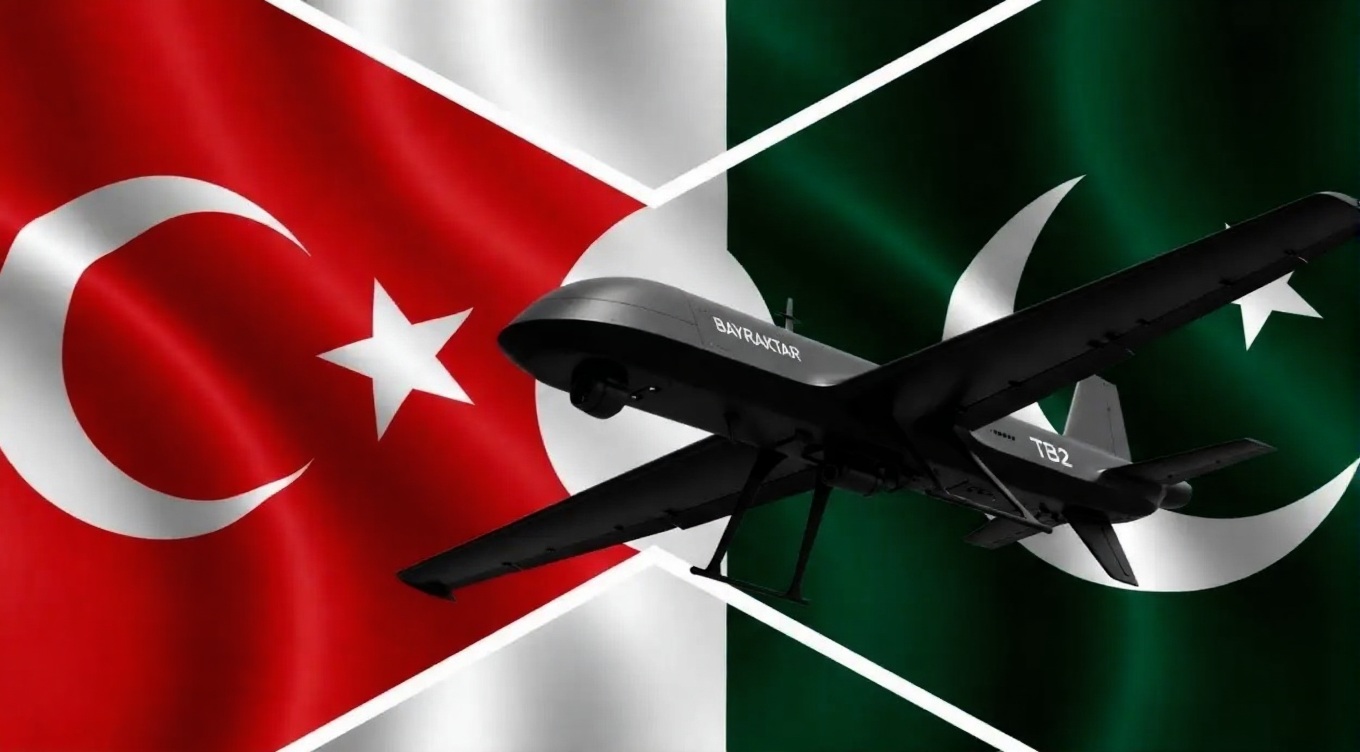
Türkiye to build drone plant in Pakistan
Why Turkey’s Drone Plant in Pakistan Matters
An upcoming assembly plant for Turkish drones in Pakistan signals much more than another defense deal. It marks a shift from simple buyer–seller dynamics to shared industrial risk, embedded supply chains, and long-term capability building. Bloomberg reporting on 5 December 2025 indicates Ankara and Islamabad are in advanced talks to host a drone assembly line for combat on Pakistani soil, with components shipped from Türkiye for final integration and testing. For both governments, the drone assembly plant in Pakistan would lock in a deeper partnership at the exact moment when unmanned systems define modern warfare.
From buyer to co-producer
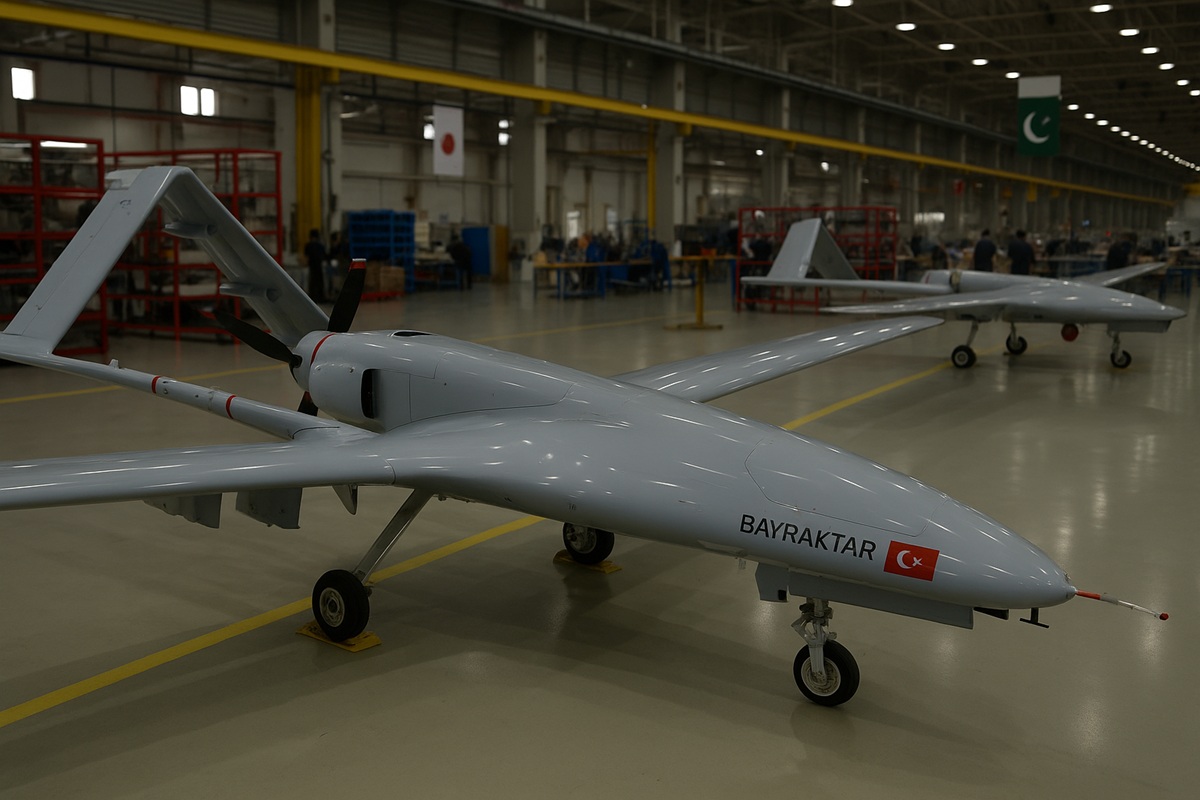
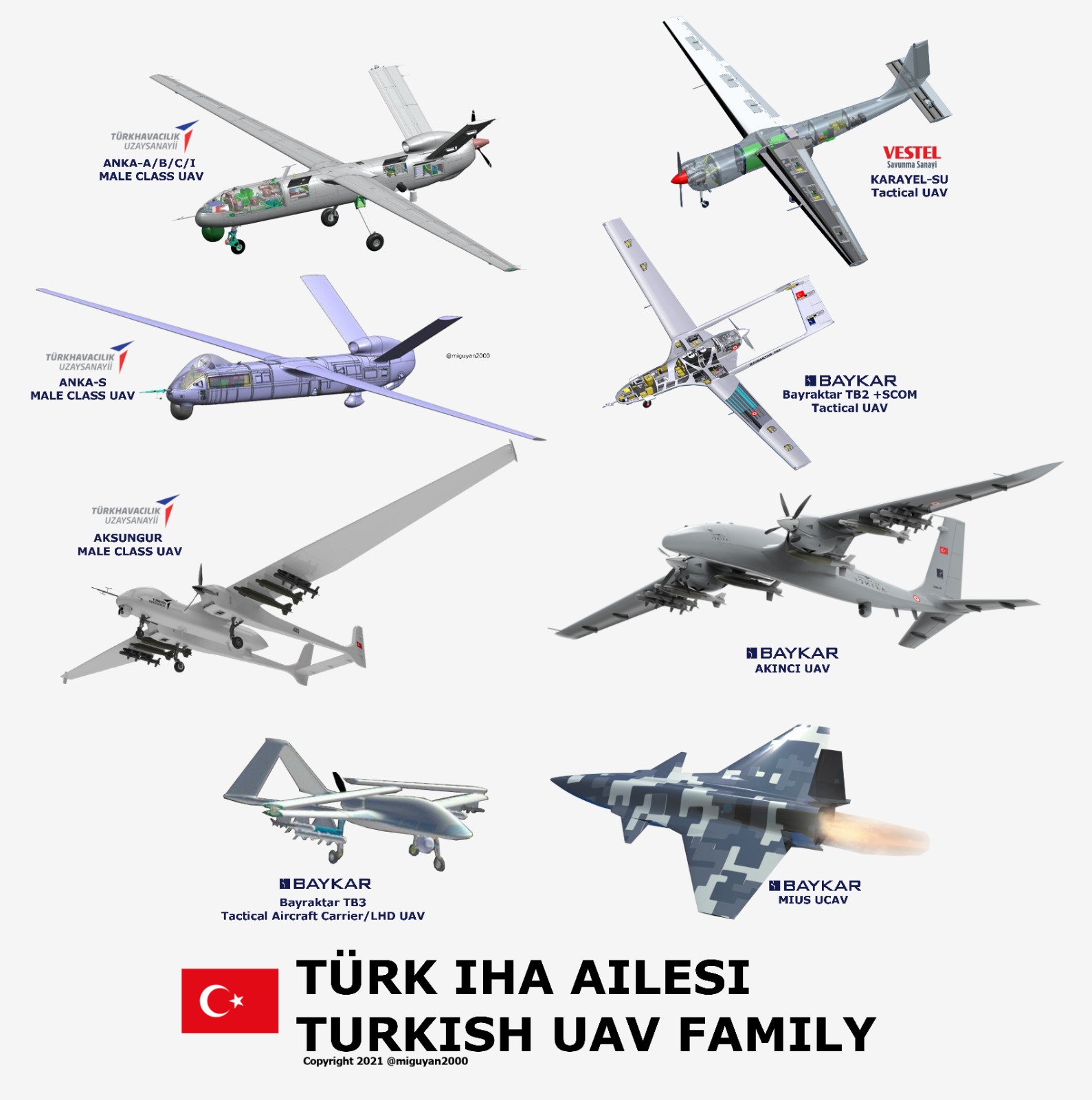
Pakistan moved early into the Turkish UAV ecosystem when it ordered Bayraktar TB2s in 2021 and began fielding them soon after. Those systems, followed by heavier Akıncı UCAVs in 2023, gave the Pakistan Air Force a proven mix of ISR and precision-strike options at relatively low cost. The proposed Türkiye drone assembly plant in Pakistan takes the next step by localizing assembly, testing, and sustainment for TB2s, Akıncıs, and potentially follow-on platforms.
For Islamabad, this local footprint reduces dependence on long external supply chains, shortens repair cycles, and opens space for gradual technology transfer. Over time, engineers trained at the Türkiye drone assembly plant in Pakistan could feed experience back into Pakistan’s own UAV and munition programs.
Pakistan’s place in Baykar’s global strategy
Baykar is now one of the world’s busiest combat drone exporters. Its TB2 and Akıncı drones have contracts with more than 35 countries. These buyers stretch across Europe, Africa, the Middle East, and Asia. A planned assembly plant for Baykar drones in Pakistan fits this larger strategy. The company wants to shift from pure exports to regional hubs in friendly states. It is already building a TB2 factory in Ukraine, even as the war continues.
That project supports a wider industrial presence and closer cooperation with Kyiv. Baykar also backs new production capacity in Morocco through local joint ventures. These ventures aim to serve rising African demand for affordable combat drones. In this context, a Pakistani drone assembly plant would anchor Baykar’s footprint in South Asia. It could also support exports from Pakistan to other trusted partner countries.
From combat record to demand surge
Surging global demand for Baykar drones and a Pakistan assembly plant starts with the Bayraktar TB2’s battlefield record. In 2022, Ukrainian forces used TB2s to hit Russian artillery, air defenses, and supply lines. These cheap drones delivered outsized strategic effects during the war’s early phases.
Viral videos of TB2 strikes near Kyiv outperform any traditional defense marketing campaign. They convinced many mid-sized states that affordable, combat-proven UCAVs could shift local military balances. Pakistan watched those lessons carefully and drew its own conclusions. A Baykar-linked drone assembly plant in Pakistan helps lock in access to this evolving technology base.
Costs, bottlenecks, and drone export routes
From Ankara’s viewpoint, a drone assembly facility in Pakistan spreads production risk and eases capacity bottlenecks at home. Turkish manufacturers already struggle to keep pace with orders for TB2s, Akıncıs, and future Kızılelma unmanned fighters. Therefore, offshore assembly lines in states like Pakistan can handle final integration, acceptance tests, and certain subsystems.
Moreover, a drone assembly plant in Pakistan could help Turkish firms navigate export-control sensitivities. UAVs assembled in Pakistan might support deliveries to markets where direct Turkish exports face political or regulatory friction, while still operating under Turkish licenses and quality standards.
Pakistan’s requirements and regional balances
For Islamabad, the Türkiye drone assembly plant in Pakistan aligns with long-standing requirements to counter India’s growing ISR and missile capabilities. Locally assembled TB2 and Akıncı fleets could provide persistent surveillance over key corridors, cue long-range fires, and plug gaps in crewed fighter coverage along the eastern border.
However, the same Türkiye drone assembly plant in Pakistan will likely draw close scrutiny from New Delhi and other regional actors. India already tracks Turkish defense exports to Pakistan, including MILGEM-class corvettes and F-16 modernization activities. Local drone assembly will look like another step in a gradual, multi-domain upgrade of Pakistan’s strike and reconnaissance network.
For a more profound look at Pakistan’s evolving UAV posture, readers can review Pakistan’s Bayraktar TB2 and Akıncı drone fleet on Defense News Today. A complementary naval perspective appears in our analysis of Türkiye’s MILGEM corvettes for the Pakistan Navy.
Technology transfer, safeguards, and limits
Many in Pakistan will hope that a drone assembly plant in Türkiye eventually unlocks deeper technology transfer, perhaps even joint development of sensors, munitions, and autonomy software. Some subsystems, such as electro-optical payloads and datalinks, could gradually migrate to locally sourced or co-developed solutions.
Yet there will be clear ceilings. Baykar and the Turkish government will protect sensitive software, mission algorithms, and high-end components that underpin their broader export edge. Consequently, the Türkiye drone assembly plant in Pakistan will most likely focus on airframe assembly, system integration, and certain maintenance and upgrade tasks rather than full-spectrum design authority.
Location, timelines, and open questions
As of early December 2025, neither Baykar nor Pakistan’s Ministry of Defense Production has publicly confirmed the exact site or construction schedule. Reporting suggests site selection and negotiation are underway, with formal announcements expected during 2026 if talks progress smoothly.
This uncertainty does not reduce the strategic significance of a drone assembly plant from Türkiye in Pakistan. Instead, it highlights how both sides are shaping the deal to balance industrial benefits, export ambitions, and regional political signals.
Beyond sales: embedded defense-industrial cooperation
Strategically, Pakistan’s new drone assembly plant shows how Turkish “drone diplomacy” is changing. It is moving from simple sales to deeper, embedded defense-industrial cooperation. Ankara is betting that co-production will tie partners closer to Turkey for decades. Shared factories mean shared supply chains, training pipelines, and doctrine that survive any single contract.
For Pakistan, the Türkiye facility for drone assembly opens a path to more resilient airpower. It arrives when sanctions, technology denials, and tight budgets sharply limit other choices. If managed carefully, it could help Islamabad steadily upgrade its unmanned forces. It also lets Pakistan diversify away from dependence on any single supplier, including China.
References
- https://www.bloomberg.com/news/articles/2025-12-05/turkey-plans-drone-facility-in-pakistan-in-global-defense-push
- https://www.baykartech.com/en/press/baykar-anchors-at-the-summit-of-turkish-exports/
- https://www.brecorder.com/news/40396143/combat-drones-turkiye-plans-assembly-facility-in-pakistan
- https://dailytimes.com.pk/1413419/turkiye-to-set-up-drone-assembly-facility-in-pakistan/
About the Author