
Turkey S-400 Sale to UAE Gains Russian Support
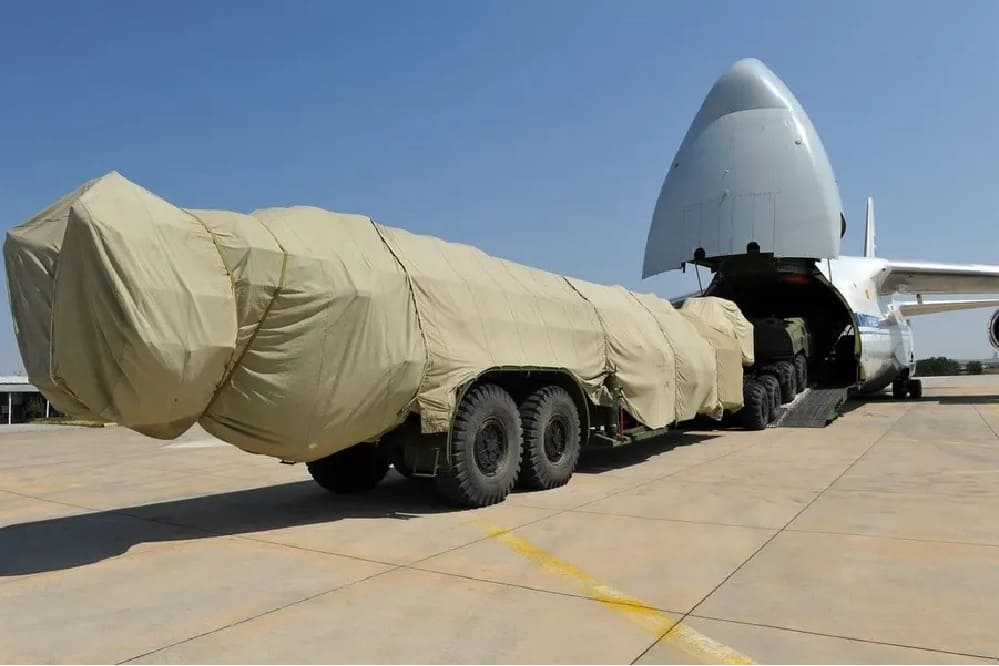
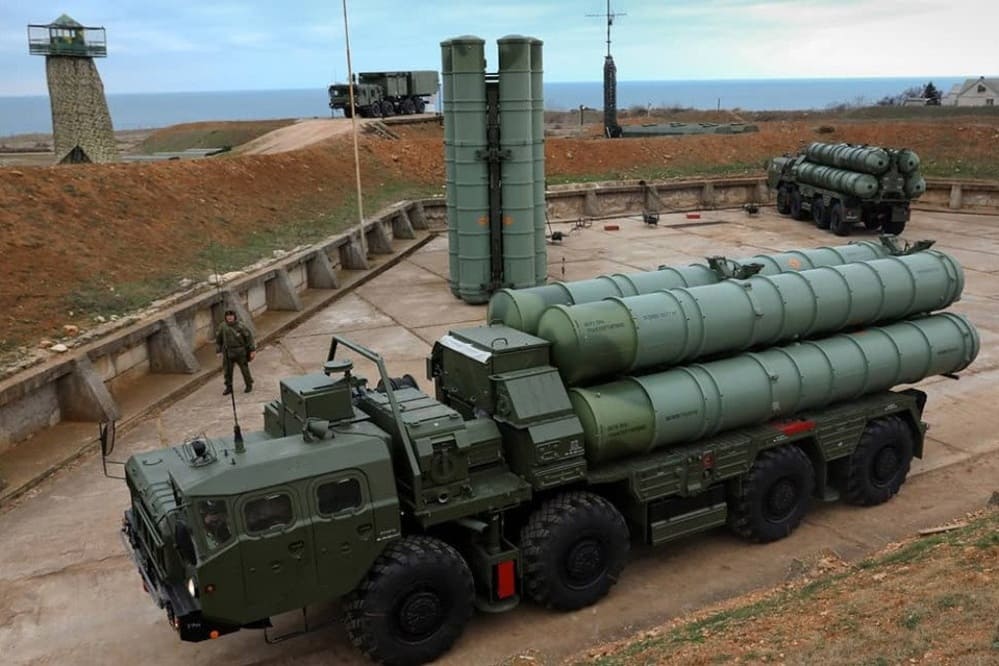
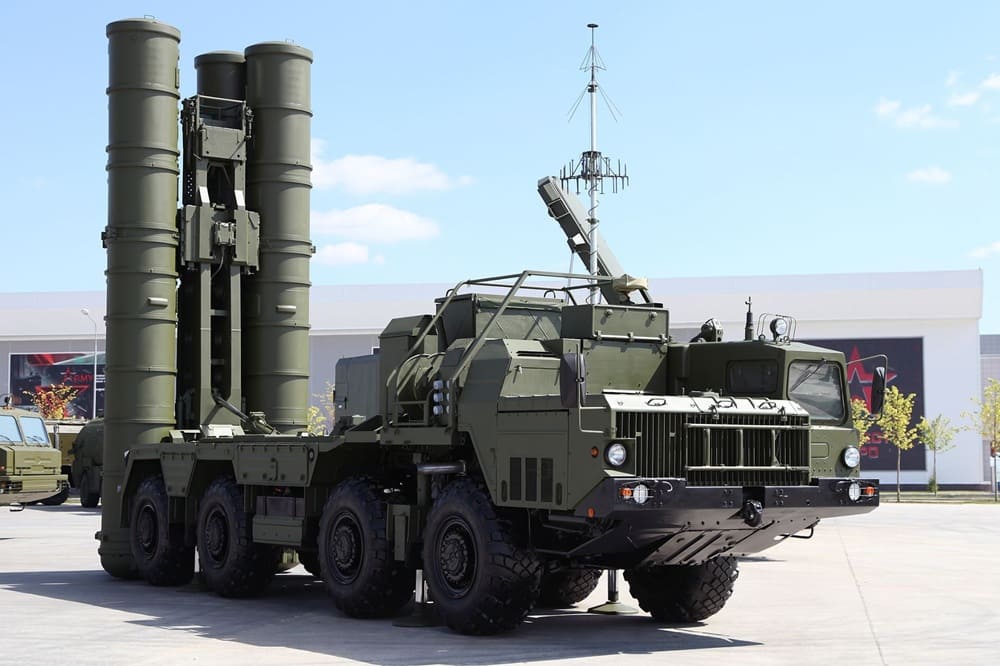
Russia open to possible sale of Turkey’s S-400s to the UAE, but talks not yet concluded The discussions have been going on for months, sources familiar with the talks say. But Moscow still has to approve the transfer, and Russian President Vladimir Putin will have the final say. The problem is much larger than just one air-defense deal. Turkey purchased the Russian-made S-400 system in 2019, sparking a major row with Washington. The US then kicked Ankara out of the F-35 programme and imposed sanctions on Turkey’s defense procurement agency. Now, those same S-400 systems could be part of a broader effort to repair US-Turkish defense ties.
Why the S-400 UAE Sale Matters
Turkey bought the S-400 despite US warnings that it would not be compatible with the F-35. In July 2019, Washington removed Turkey from the fifth-generation fighter programme. In December 2020, CAATSA sanctions were also imposed by the United States on Turkey’s Presidency of Defense Industries. The row still has ramifications for six F-35s originally destined for Turkey. The source report says the U.S. still has those aircraft in storage.
U.S. law also prevents Ankara from rejoining the F-35. Under section 1245 of the 2020 National Defense Authorisation Act, Washington is prohibited from transferring F-35 aircraft to Turkey unless it certifies that Turkey has divested itself of the S-400 system and related equipment. But since Donald Trump returned to the White House in 2025, Washington and Ankara have been trying to mend their ties. The S-400 spat and Turkey’s possible return to the F-35 programme have become key issues in bilateral talks.
Why the Storage Plan Failed
U.S. and Turkish officials have been discussing a range of possible solutions for about a year and a half. Another option was to remove the critical parts of the S-400 and put them in a safe place. The US administration would have negotiated the deal. Thus, Turkey would have kept the systems but made them inoperable. Sources close to the talks concluded that this approach would not fully resolve the sanctions issue. It might allow a waiver but not necessarily a full lifting of sanctions. So a transfer out of Turkish possession is a more straightforward route. The UAE’s offer to buy Turkey’s S-400s could resolve the ownership issue, but there would be significant legal and political obstacles.
Russia Open, Putin Approval Required
Discussions have been ongoing for months over a UAE transfer, according to Russian and Turkish sources. Russian and Turkish officials have discussed a possible sale to a third country, Kremlin spokesman Dmitry Peskov said on Friday. Peskov said the matter was “very sensitive” and consultations would continue. Reuters also reported that the Kremlin confirmed talks on a possible transfer of Turkey’s S-400 systems.
One Russian source told Middle East Eye that Moscow does not dismiss Turkey’s proposal. But there are still many details to work out, and any transfer would still need Putin’s blessing. Russia would also prefer the sale to be in line with the original contract signed with Ankara. However, the same reporting said Moscow had earlier rejected taking back the Turkish systems, contradicting earlier claims. Such a deal would therefore offer a way for Ankara to avoid sending the equipment back to Russia directly.
Why the UAE Is a Logical Buyer
The UAE has Russian-made air defense systems, known as Pantsir. Further, Abu Dhabi has expanded its military procurement from a wide variety of foreign sources to enhance its overall defense capabilities. That larger approach would fit buying the S-400. It may add another long-range system to the UAE’s air defense network. But its operational value would be contingent on training, command arrangements and integration with existing systems. The potential deal also comes as the UAE develops its own domestic defense industry.
These include missile and propulsion programmes, as well as the PJ120 turbojet, which forms the basis for the country’s growing work on indigenous strike systems. But there are strains there too, between the UAE and Russia, one European investor told Middle East Eye. The tensions were due to Moscow’s support for Tehran during the war, while Tehran had fired drones and ballistic missiles at the Gulf country, an investor said.
S-400 end up in India
If the planned transfer between Ankara, Abu Dhabi and Moscow takes place, the UAE could find itself with the Turkish S-400 systems. The move could help Turkey remove a major obstacle to restoring its defense ties with Washington and possibly rejoin the F-35 programme. At the same time, India has already inducted the same Russian-made S-400 system into its air defense network, which remains operational.
New Delhi sees the system as an important shield against aerial threats from afar. A direct sale of Turkish S-400 systems to India is politically complicated, even if the Russians agree, because of Turkey’s close strategic alliance with Pakistan. “So the UAE could be a useful intermediary, and that would be a good thing in disguise.” The same system that proved to be a strategic liability for Turkey could thus be a force multiplier for India’s layered air-defense architecture and deterrence posture.
Sanctions and the F-35 Issue
Sources involved in the talks said a Turkey-UAE transaction would not automatically be subject to US sanctions because Russia would be an indirect seller. Meanwhile, the situation remains a source-based assessment, not a settled legal conclusion. But the structure of the final deal and Washington’s interpretation of it could still matter. The bigger picture is less obscure for Ankara. Turkey’s S-400s could take away one of the most significant legal obstacles to renewed cooperation on the F-35.
The F-35 will remain at the heart of modern network-centric warfare, where sensors, computing and data fusions are critical. This analysis examines these capabilities in the software architecture of the F-22 and F-35. But a transfer of an S-400 would not automatically restore Turkey’s participation in the programme. Sanctions policy and political green light will remain relevant for US law.
Broader Russia-Turkey Bargaining
Why Russia would consider the transfer is unclear. According to sources in Ankara, Moscow may want something in return for its trouble. One thing that might be negotiated is energy. Turkey’s giant gas deal with Russia is still under negotiation and not signed yet. The UAE’s purchase of Turkey’s S-400s may therefore be part of wider Russian-Turkish economic and strategic discussions. Turkey’s planned announcement on Friday was also reportedly called off. Ankara was expected to announce that talks had begun to sell the systems to a third country. The source didn’t say why the officials called off the announcement.
Conclusion
Selling the S-400 missiles to the UAE could quickly resolve many of Turkey’s problems. But there are political risks for both sides. Turkey could overcome a significant obstacle to closer defense ties with the United States. The UAE is to receive another advanced air-defense system. While potentially seeking wider concessions from Ankara, Russia might also keep leverage over the transfer. But the discussions aren’t over.
However, Moscow must give its final approval, work out the contractual details, and let US policy determine the outcome. The point is that the S-400 controversy has gone beyond the notion of secure storage. Ankara is now looking at a possible transfer to a third country. If it proceeds, the Turkish sale of S-400s to the UAE could be the largest step to date in resolving one of the longest-running disputes between the US and Turkey over advanced defense technology.
References
- https://defensenewstoday.info/pj120-turbojet-boosts-uae-missile-production/
- https://www.bloomberg.com/news/articles/2026-06-01/turkey-is-in-talks-with-russia-on-gas-supplies-beyond-2026
- https://defensenewstoday.info/f-22-and-f-35-software-inside-the-code-war/
- https://www.middleeasteye.net/news/russia-open-turkey-selling-s-400-systems-uae-sources-say
- https://2017-2021.state.gov/the-united-states-sanctions-turkey-under-caatsa-231/
About the Author