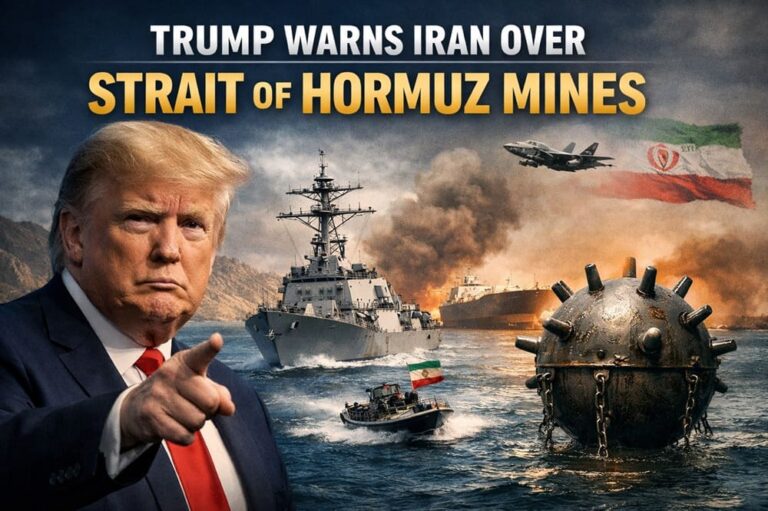

Trump Warns Iran Over Strait of Hormuz Mines
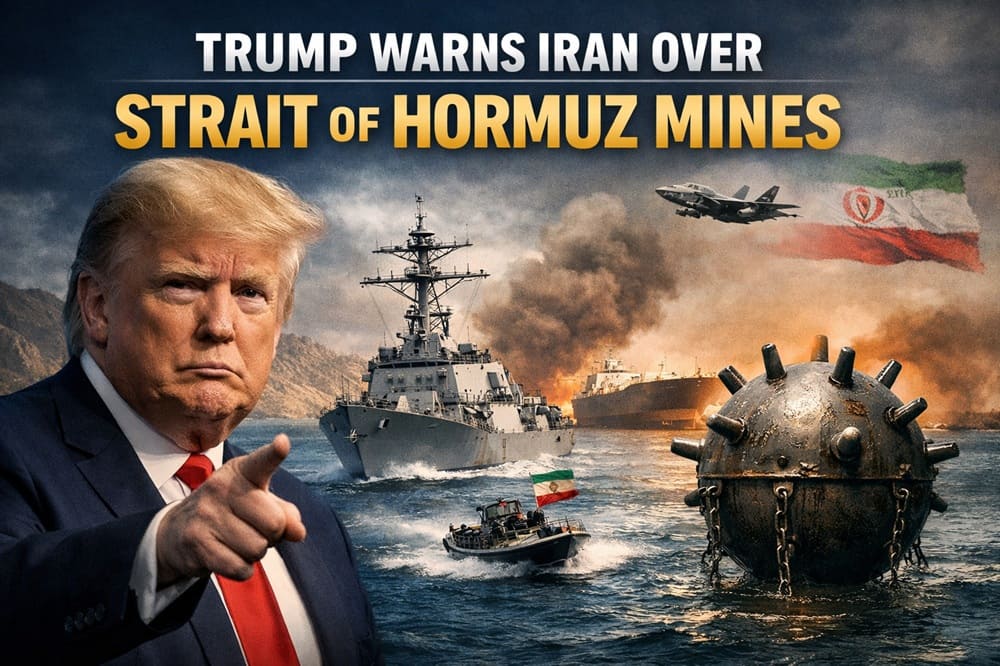
On March 10, 2026, President Donald Trump told Iran that they had to take down any mines they put in the Strait of Hormuz right away or else they would face military consequences “at a level never seen before.” The threat came after Iran warned that oil exports from the Gulf would not move while the war was going on, which turned a maritime risk into a direct warning.
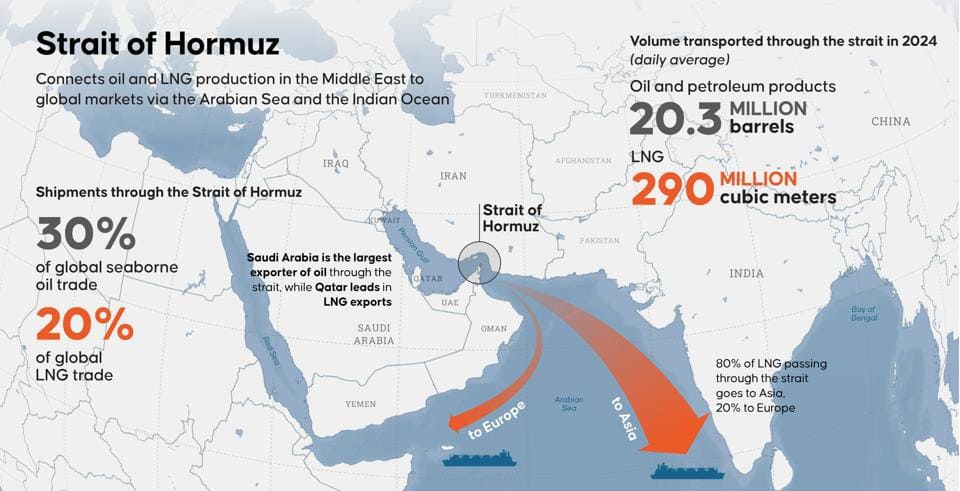
Why Hormuz Matters
The Strait of Hormuz is the most important energy choke point in the area, and about 20% of the world’s oil flows through it. So, even small disruptions can mess up tanker schedules, raise insurance costs, and make global markets unstable. That’s why the Strait of Hormuz mines are important all over the world.
Signals From Both Sides
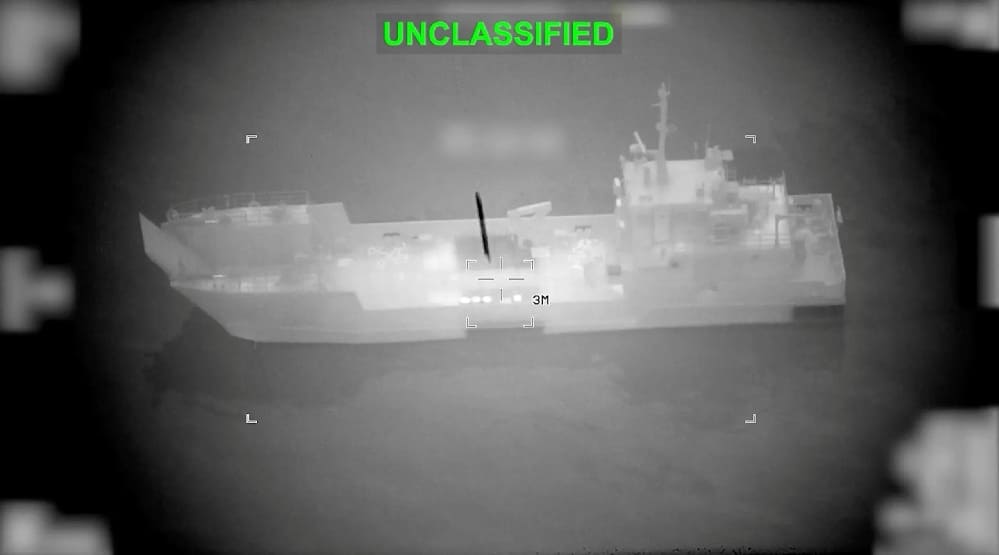
Washington put words into action. The U.S. Central Command said that American troops had “eliminated” 16 Iranian ships that were laying mines near the strait. At the same time, Iran’s Revolutionary Guard said it would not let “even a single liter” of oil from the area reach the enemy side and its partners. These developments elevated the messages from both sides to a level rarely seen during wartime.
How Mines Shift Naval Warfare
A mine campaign in Hormuz would be a big problem. Mines are a common way to keep people from getting to the sea. They are cheaper than warships or missile salvos. But they can still slow down shipping and make people be careful, which can lead to increased shipping costs and delays in delivery times. Any tanker captain would need to remain vigilant.
Also, the threat of mining can stop people from moving. It can make ships take different routes, potentially leading to longer travel times and increased fuel costs. It can also keep naval resources busy with surveillance work, diverting them from other critical missions such as humanitarian assistance or disaster relief operations. Also, clearing mines would take time and money, which could delay naval operations and impact overall maritime security efforts.
The U.S. Navy’s Challenge
But deterrence doesn’t always mean that you have immediate control at sea. Reuters said that the U.S. Navy had turned down repeated requests from the shipping industry for escorts through the Strait of Hormuz because the risk of attack was still too high. The pattern suggests that it is harder to keep commercial shipping moving under threat than it is to issue warnings from Washington.
Wider Strategic Meaning
This episode shows how quickly a conflict in one area can affect the whole world economy. Saudi Aramco has warned of serious consequences if the disruption of the strait persists. Tankers are already being sent on different routes, and shipping traffic is still limited. In military terms, the fight over the mines in the Strait of Hormuz is really a fight over sea denial, coercion, and keeping things from getting worse.
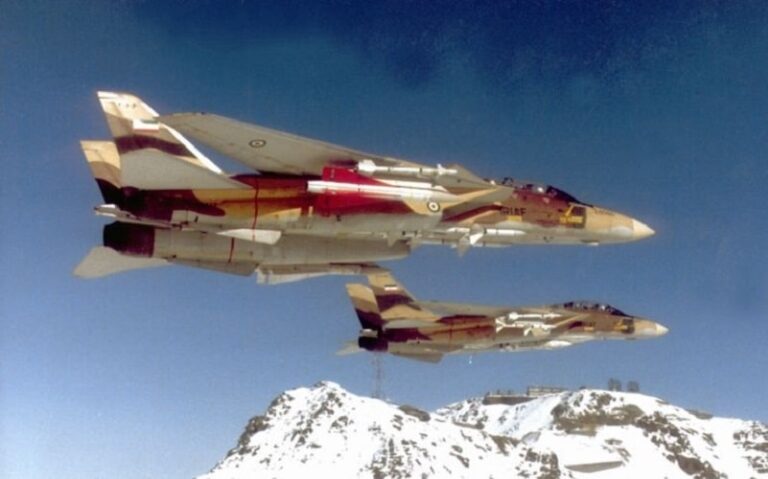
Iran has long leaned on asymmetric tools in the Gulf, such as using proxy forces and unconventional warfare tactics, to exert influence and deter adversaries. That wider pattern is worth keeping in mind, especially alongside your related analysis, How Iran Armed F-14s with HAWK Missiles in the Iran-Iraq War and Operation Epic Fury vs Operation Midnight Hammer.
Defence takeaway
The main question is no longer vague. The United States will probably see the laying of mines in the Strait of Hormuz as a direct threat to freedom of navigation and the security of Gulf energy. So, Trump’s warning should be considered both a warning to stop and a sign that the maritime front is now the most important part of this war.
References
- https://defensenewstoday.info/how-iran-armed-f-14s-with-hawk-missiles-in-the-iran-iraq-war/
- https://defensenewstoday.info/operation-epic-fury-vs-operation-midnight-hammer/
- https://www.reuters.com/world/middle-east/us-energy-secretary-deletes-post-about-navy-escorting-vessel-through-strait-2026-03-10/
- https://apnews.com/article/iran-israel-us-march-10-2026-acf2af139d179fbef62927a8bf9bea55
About the Author