
Trump Class Battleships 2025 — Golden Fleet Drive
The White House says the U.S. Navy will start building two Trump-class battleships “almost immediately,” and it says the longer-term ambition runs to 20–25 hulls under a “Golden Fleet” banner. That is an ambitious target. The Navy is chasing numbers.
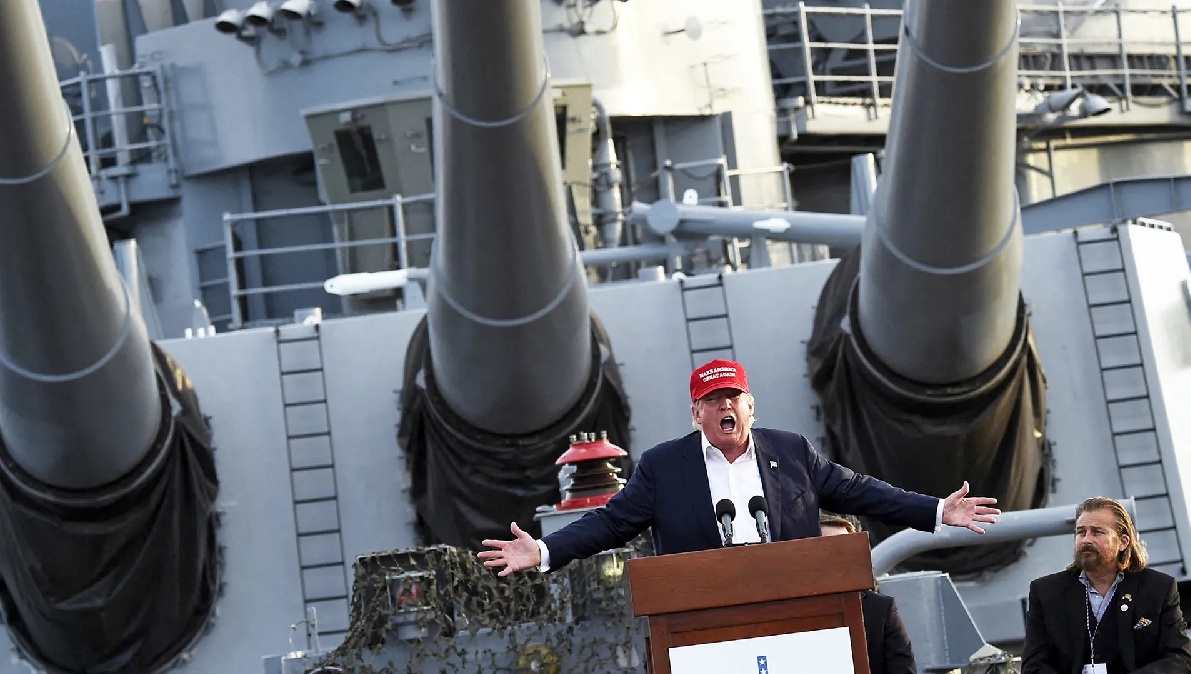
President Donald Trump delivered the announcement at Mar-a-Lago with Defence Secretary Pete Hegseth, Navy Secretary John Phelan, and Secretary of State Marco Rubio at his side, and the administration wants the move framed as national industrial momentum rather than a narrow service program.
Trump framed the plan as a response to an aging fleet, and he claimed the ships will be the “largest,” “fastest,” and “100 times more powerful.” However, Phelan presented the build as one component of wider recapitalization, so you should read the announcement as a portfolio signal as well as a headline.
What is Washington’s building?
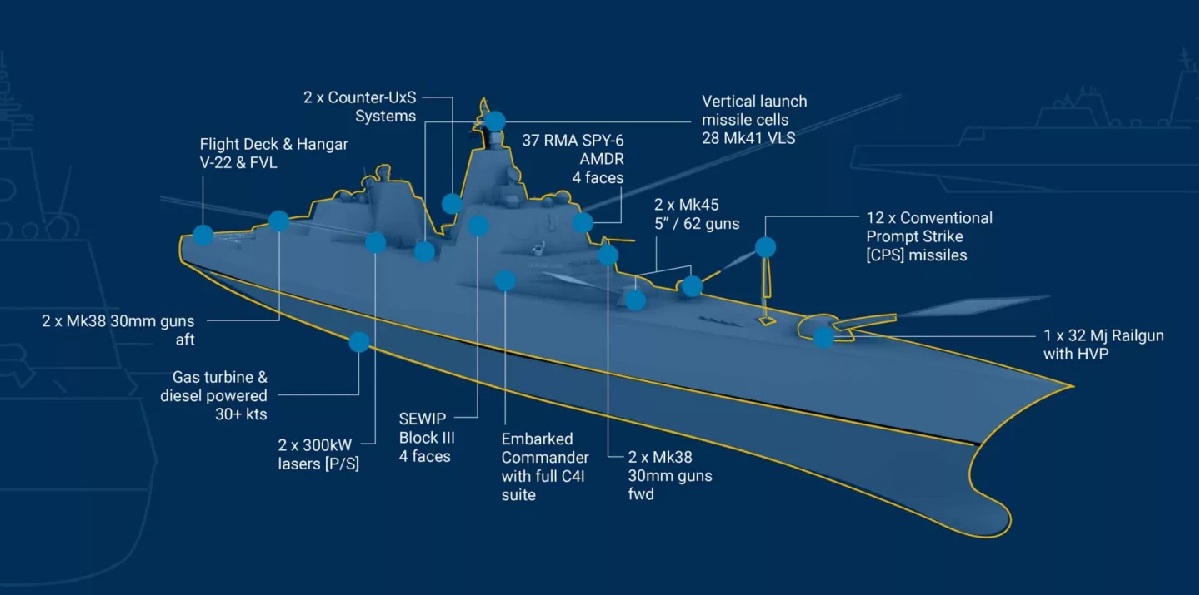
Official messaging describes the ships as large surface combatants designed for “modern maritime conflict.” A U.S. government release also places the concept in the 30,000–40,000-ton range, which implies a massive hull with heavy electrical loads and long shipyard work packages. That is a giant ship.
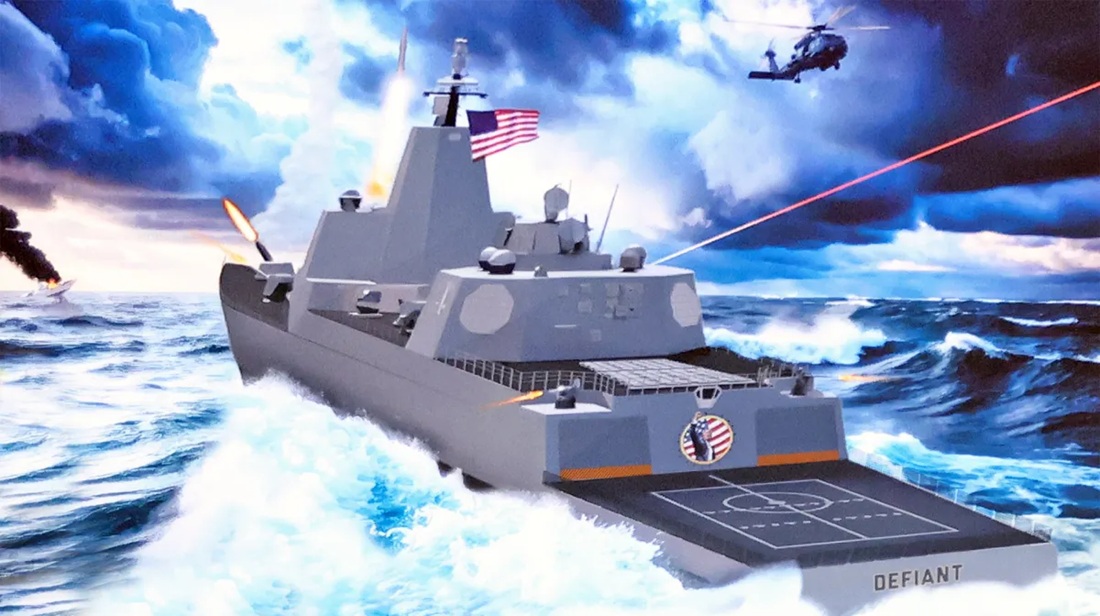
Phelan said the lead ship will be named USS Defiant, and he invoked the Iowa-class idea of attacking with a heavy punch. Names carry politics. Yet in modern combat, missiles and sensors decide outcomes. So the symbolism may matter as much as any gun fit.
Claimed Weapons: Lasers, Hypersonics, and Nuclear SLCMs
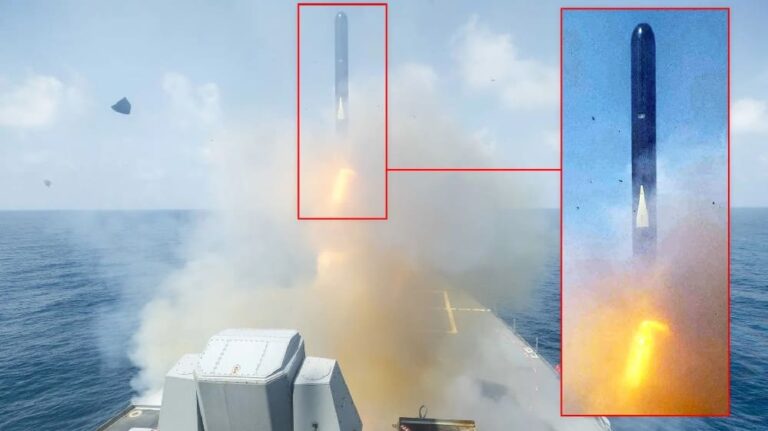
Trump said the ships will have powerful laser technology, fast hypersonic weapons, and nuclear sea-launched cruise missiles, and these claims will influence how the ships are powered, how much energy they can use, how they stay cool, how weapons are stored, and how Power and cooling are decided.
However, the publicly available information remains limited to headlines. Right now, there isn’t any public information about the power goals for directed energy systems or the number of hypersonic weapon launchers, and the details about the combat system design haven’t been shared, so analysts can’t confirm the “100 times” claim just using available data. The missing information is significant. The gaps are real.
Golden Fleet: A Frigate Push Too
Phelan connected the discussions about battleships to a different purchase. The Navy will chase a new FF(X) frigate for speed and quantity. In a 19 December statement, the service outlined the plan. FF(X) will borrow the Coast Guard’s Legend-class cutter design. The Navy wants the first hull launched by 2028. That makes the present the closest near-term lever. The service pitches FF(X) as flexible and upgrade-friendly. It should cover surface warfare missions and everyday presence tasks.
It will also carry modular payloads when needed. In addition, it should support unmanned systems operations. Modularity is the headline feature in the Navy’s message. Public reporting presents FF(X) as something industry can build now. That framing follows sluggish delivery in other programs. So the Navy appears to prioritize fleet numbers fast. It may accept less tailored optimization at first.
Frigates Look More Achievable
Chief of Naval Operations Adm. Daryl Caudle put a number on the gap. He said the small surface combatant inventory is “a third of what we need.” Numbers matter in peacetime too. Therefore, the frigate program can protect destroyer availability for the highest-end missions while still meeting daily escort and presence demand.
By contrast, Trump-class battleships will face a tougher proof test on cost realism, shipyard capacity, weapons integration schedules, and potentially nuclear certification pathways if the design demands it. Big hulls amplify overruns. Consequently, the “Golden Fleet” makes more sense as a portfolio of quick, buildable hulls plus one larger bet requiring sustained funding discipline.
Venezuela Sets the Political Backdrop
The article links these shipbuilding moves to pressure on Venezuela’s government, describing a steady increase in U.S. naval presence, reported seizures of vessels in international waters, and a declared blockade of sanctioned oil tankers linked to Venezuela.
This backdrop matters because tempo sets, maintenance bills, and maritime enforcement missions consume hull life fast. Moreover, if regional pressure operations persist, the Navy will need more escorts, patrol capacity, and logistics resilience, which reinforces the case for additional small combatants even as it raises affordability questions for enormous new builds.
Programme Metrics and Verification Points
So track the paperwork. To judge the plan on substance rather than slogans, track four measurable indicators: budget lines and contract actions, displacement and propulsion choices, weapons architecture and policy language for nuclear SLCMs, and shipyard throughput against the 2028 FF(X) target. If those signals align, the Golden Fleet gains credibility; if they do not, it stays a headline.
References
- https://www.navytimes.com/news/pentagon-congress/2025/12/22/navy-to-begin-constructing-2-trump-class-battleships/
- https://www.navy.mil/Press-Office/Press-Releases/display-pressreleases/Article/4364538/navy-announces-new-small-surface-combatant/
- https://www.reuters.com/world/us/trump-announces-plan-new-class-more-powerful-us-battleships-2025-12-22/
- https://news.usni.org/2025/12/19/secnav-new-frigate-will-be-based-on-national-security-cutter-first-ffx-to-be-built-at-ingalls
- https://www.congress.gov/crs-product/R46925
- https://www.congress.gov/crs-product/R45811
- https://www.congress.gov/crs-product/IF12084
About the Author