
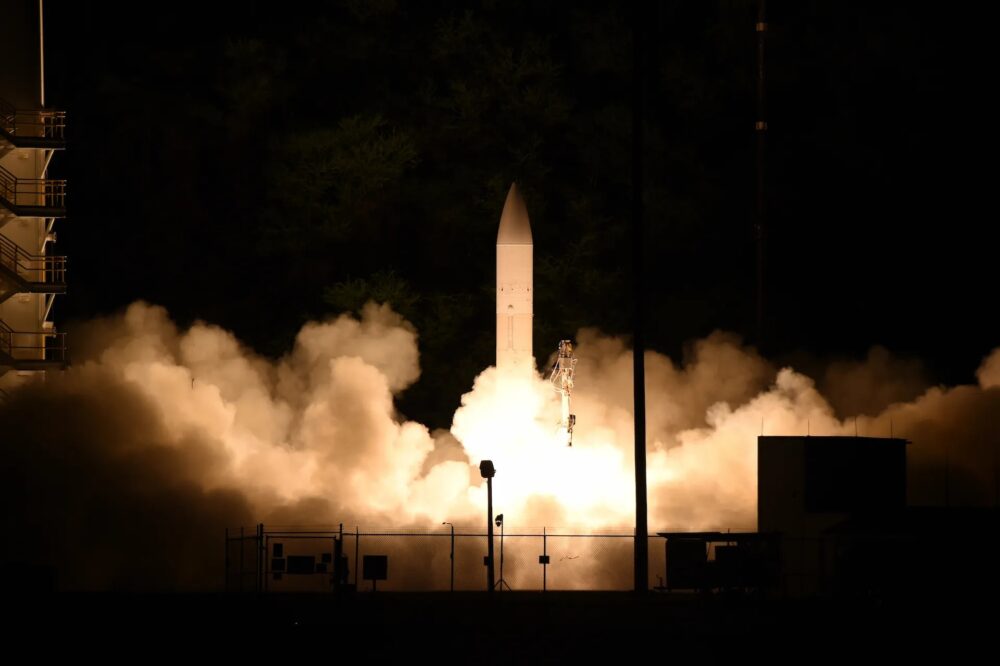
Dark Eagle Launcher
The U.S. Army is at a turning point because of the Long-Range Hypersonic Weapon. This weapon is also called Dark Eagle. It is an advanced system, and it should be ready to use by the end of the fiscal year 2025-26. The Long-Range Hypersonic Weapon is a deal because it is a major improvement in military technology and the ability to strike from far away.
Many people are excited about the Long-Range Hypersonic Weapon. The Long-Range Hypersonic Weapon has had some problems. It has been delayed because of issues during the testing phases. The Long-Range Hypersonic Weapon or Dark Eagle can travel 1,725 miles. It is very fast and precise. It will give the U.S. Military a lot of flexibility.
U.S. Army’s Dark Eagle Revealed
The LRHW has a ground-fired missile with a glide body at its centre. This system is really advanced. It has a lot of other equipment like transport and fire control systems that help it work. The LRHW is designed to make the missile go fast, more than 3,800 miles per hour. The LRHW lets the missile go so fast that it can reach the edge of the Earth’s atmosphere, which makes it very difficult for air and missile defense systems to reach it.
The main job of the Dark Eagle is to stop the enemy from using Anti-Access/Area tactics, which are like strategies to keep us from getting to certain areas. The Dark Eagle does its job by targeting the enemy’s long-range capabilities and hitting targets quickly so they do not have a lot of time to react. The LRHW and the Dark Eagle are important because they help us counter the enemy’s plans and defend ourselves.
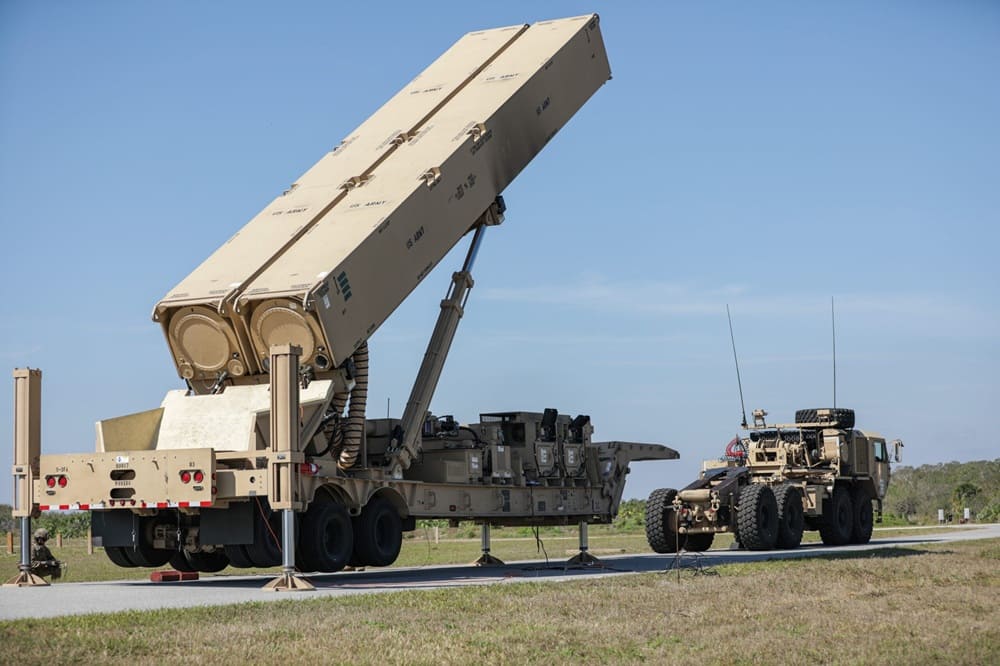
The Team Behind Dark Eagle
The United States Army and Navy worked together for a time to make the Long Range Hypersonic Weapon a reality. One of the system’s most notable features is the Common Hypersonic Glide Body, which the United States Army and Navy jointly developed. When you put the glide body together with a booster made by the Navy, you get the Navy-Army All-Up Round plus Canister.
This means that the United States Navy can launch the Long Range Hypersonic Weapon from many ships, including large naval vessels and submarines. This makes the Navy a lot stronger. Companies like Lockheed Martin and Northrop Grumman have been crucial in designing the Long Range Hypersonic Weapon to meet the changing needs of the United States military. The Long Range Hypersonic Weapon is a deal for the United States Army and Navy.
Dark Eagle Speed Factor
The C-HGB uses a reentry system made with Sandia National Laboratories. Dynetics, a company owned by Leidos, makes prototypes for the Army and Navy under a Department of Defense contract. A booster rocket shoots the glide body up to high speeds and then lets it go. The system lets the missile fly on its own. The Dark Eagle missile can fly over Mach 5. This capability makes it very hard for enemies to see or catch.
The LRHW system is set up in groups called batteries. Each battery has four launchers. Each launcher has two AUR+C missiles. A control centre helps run the battery. It makes sure everything works together smoothly and quickly. The Dark Eagle missile has had some problems during development.
Dark Eagle Testing Delays
The Army first thought they would do three flight tests before starting to use the Long Range Hypersonic Weapon battery. Some things did not go as planned, and that caused delays. The Army had a problem with a booster flight test that did not work in October 2021. Then they had a problem with a Long Range Hypersonic Weapon test in June 2022. The Long Range Hypersonic Weapon had delays in October 2022 when the Department of Defense said they would not do a test they had planned. They wanted to resolve some problems they found earlier. The Army found some problems before a flight test in March 2023 so they did not do the Long Range Hypersonic Weapon test.
The Army had planned a test for September 2023. It did not happen. This failure made the Army say it would not meet its goal for when it wanted to start using the system. In June 2024 a report from the Government Accountability Office said that problems with bringing parts together were a main reason for the delay in starting to use the system and getting it fully working. These technical problems have delayed the system’s readiness, highlighting the challenges of developing a weapon system.
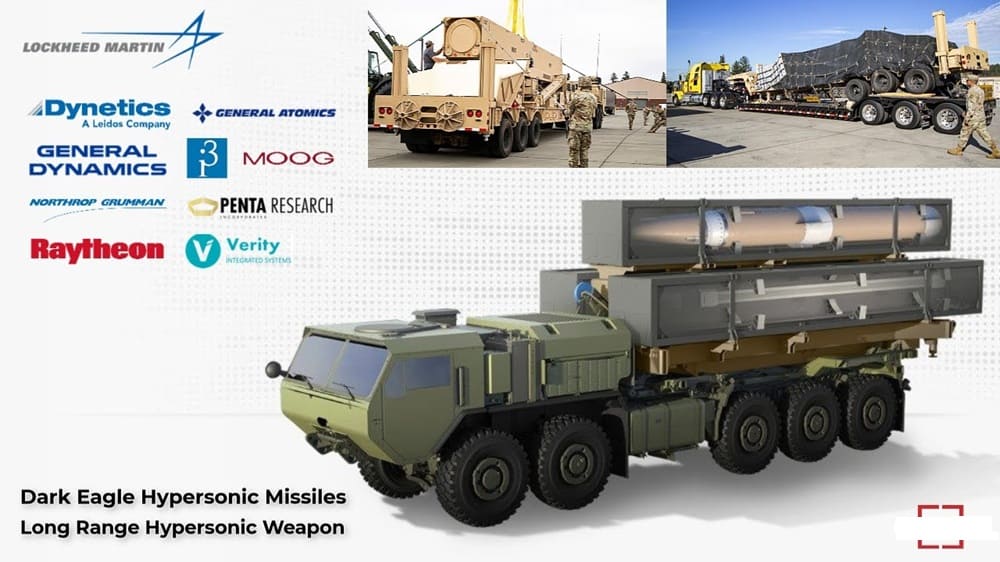
Test Details
| Event | Date | Outcome |
|---|---|---|
| Failed Booster Flight | October 2021 | Unsuccessful |
| Full Missile Test | June 2022 | Unsuccessful |
| Postponed Test | October 2022 | Delayed |
| Pre-flight Discrepancies | March 2023 | Scrubbed |
| Missed Deployment Target | September 2023 | Not Achieved |
The delays have not stopped the fact that the Long Range Hypersonic Weapon is a big change for the United States military. When it is fully ready, the Dark Eagle hypersonic missile will make a difference in how the United States can defend itself and show its power. It is very fast, can travel a long distance, and is very accurate. This means it can change how wars are fought in the future.
It can avoid the systems that defend against missiles and have a big impact in areas where the United States is fighting. The Army is working diligently to rectify the problems and improve this new weapon. People are also wondering what will happen when it is used. How will it change the way countries are safe? Will other countries, including Russia and China, discover ways to stop the Dark Eagle?
Conclusion
The Long Range Hypersonic Weapon will definitely change how countries get along and how they consider their armies. One thing is certain: the Dark Eagle will change the way countries fight wars. It will indicate that the United States is the best at making hypersonic weapons. The Long Range Hypersonic Weapon is a big deal, and it will help the United States stay ahead of its adversaries.
References
- U.S. Army Official Website – www.army.mil
- Lockheed Martin—www.lockheedmartin.com
- Northrop Grumman—www.northropgrumman.com
- Sandia National Laboratories – www.sandia.gov
- Government Accountability Office (GAO) Report – www.gao.gov
- Defense News—www.defensenews.com
- U.S. Department of Defense—www.defense.gov
About the Author