
The Sad Demise of the Russian Navy
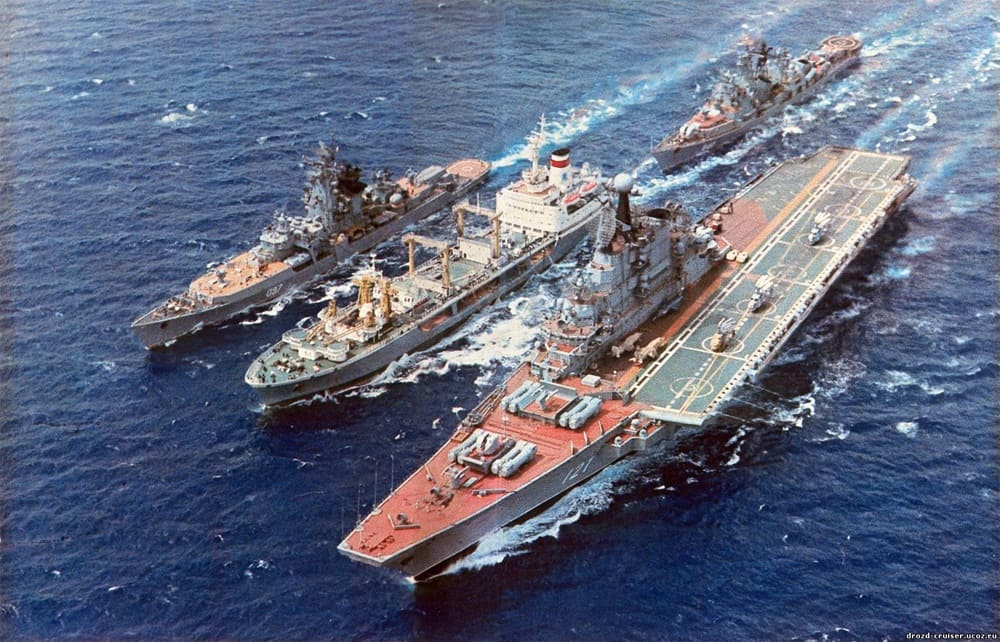
The demise of the Russian Navy does not mean that it would cease to exist altogether. This is the collapse of Russia’s balanced ocean-going surface force. Moscow has still got dangerous submarines, long-range missiles and strategic nuclear forces. But it cannot sustain the global naval presence the Soviet Union once had. By the late 1980s the Soviet Navy had aircraft carriers, nuclear-powered battlecruisers, cruisers and hundreds of submarines.
It maintained squadrons in the Atlantic, Mediterranean, Indian and Pacific Oceans. The collapse of the Soviet Union dismembered its industrial network and severed much of its funding. Ukraine inherited the Mykolayiv shipbuilding complex and leading maker of marine gas turbines, Zorya-Mashproekt. Russia lost key parts of its supply chain but retained many ships. Moscow thus inherited more hulls than it could man, repair or replace.
An Ageing Surface Fleet
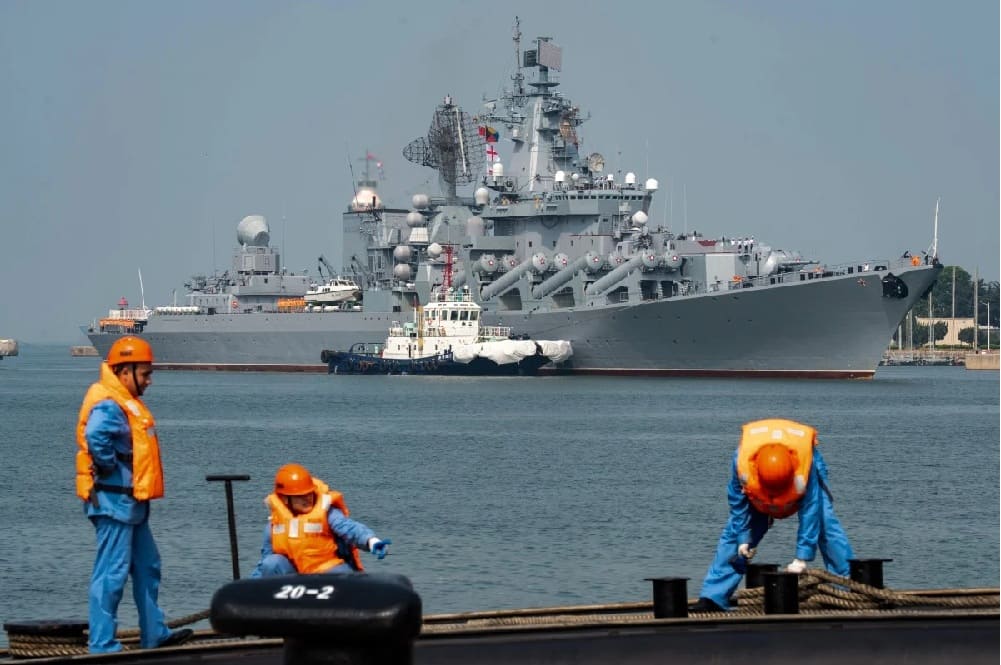
The current surface force is a mix of some modern frigates and decrepit Soviet capital ships. Russia has not built a new cruiser, destroyer or aircraft carrier since 1991. The most capable modern Russian surface combatants are the Project 22350 Admiral Gorshkov-class frigates. Their full load displacement is about 5,400 tonnes each. They are armed with Poliment-Redut air-defence missiles and UKSK vertical-launch systems. These cells can carry the Kalibr, Oniks and possibly Tsirkon missiles.
However, frigates cannot fully take the role of cruisers. They have less command capacity, less endurance, and fewer missiles. Russia is arming the Buyan-M and Karakurt-class corvettes with more and more strategic weapons. The vessels are less than 1,000 tonnes in displacement and fitted with eight UKSK cells. They have a lot of firepower, but not much in the way of area air defence or blue-water endurance. The headline fleet numbers hide readiness issues. Published inventories include ships in multi-year repair, modernisation, trials or reserve storage. Russia keeps the combat readiness of individual units classified. So the force available is still very far from the strength on paper.
Admiral Kuznetsov
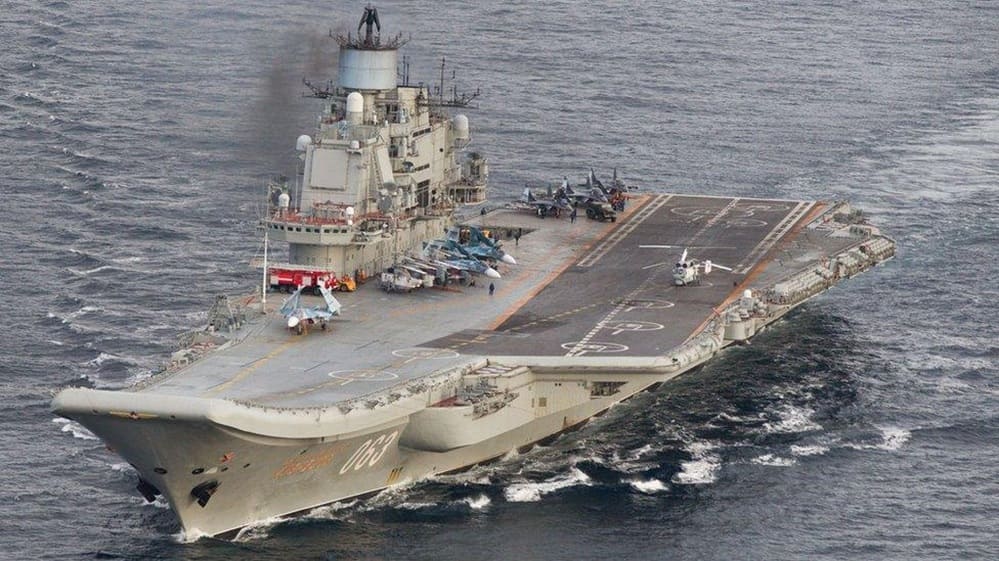
The fate of Admiral Kuznetsov illustrates this decline. Russia’s only aircraft carrier has remained non-operational since 2017. Its repair programme suffered a dock sinking, fires, deaths and repeated delays. In July 2025, Russia’s state shipbuilding chairman said the vessel would probably be sold or scrapped. The carrier had become too old and expensive to restore, according to Reuters. If Russia did not use Kuznetsov, it would lose its fixed-wing carrier capability. It will also erode pilot qualifications, deck handling skills and knowledge of carrier maintenance. “Even if you built a replacement carrier, it would take decades to regain that capability.
Case Study: The Destruction of Moskva
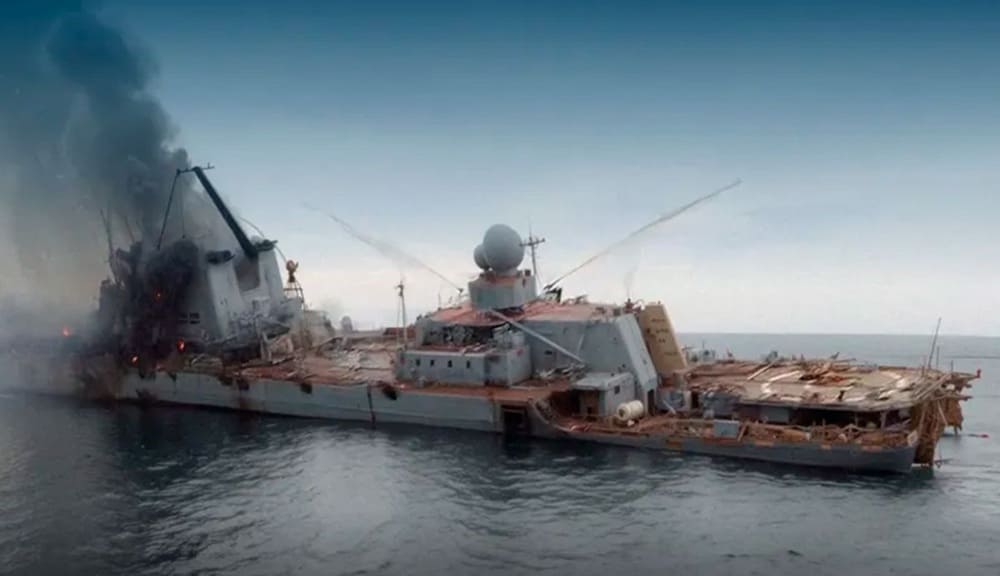
The sinking of the Moskva was a mismatch of ordnance and combat ability. The Project 1164 Slava-class cruiser was commissioned in 1983 and displaced some 12,500 tonnes. Its armament consisted of 16 P-1000 Vulkan anti-ship missiles and 64 S-300F long-range surface-to-air missiles. It also had Osa-MA missiles, electronic countermeasures and six AK-630 close-in weapons systems. On 13 April 2022, it was allegedly hit by two R-360 Neptune anti-ship missiles fired by Ukraine.
The cruiser was sunk the next day while being towed. Russia did report a fire and an explosion of ammunition, but not a Ukrainian attack. It was more than just a technical failure of missile penetration; there was also evidence of poor threat awareness, ineffective point defence, and inadequate damage control. The S-300F system used its 3R41 fire-control radar, which had a limited engagement geometry. Analysts also said there was no indication that the AK-630 batteries had fired at the incoming missiles.
The Ukrainian attack combined coastal radar data, shore-based missiles and favourable environmental conditions. It imposed a relatively inexpensive reconnaissance-strike complex against an irreplaceable capital ship. A detailed U.S. Naval Institute assessment concluded that two Neptunes damaged the cruiser before fire reached its ammunition. Moskva therefore represented a systems-level defeat. Russia possessed powerful individual weapons but failed to integrate sensors, command systems, electronic warfare and defensive fire.
The Black Sea Fleet’s Defeat
Ukraine entered the war without a conventional surface fleet capable of challenging Russia. Nevertheless, it combined cruise missiles, aerial drones, intelligence and explosive uncrewed surface vessels. Ukrainian forces damaged or destroyed landing ships, patrol vessels, missile carriers and support craft. They also struck Sevastopol’s dry docks and fleet headquarters. Britain reported in October 2024 that Ukraine had damaged or destroyed 26 Russian Black Sea Fleet vessels.
Another example was the submarine Rostov-on-Don Project 636.3. In September 2023, a cruise missile strike damaged it inside a Sevastopol dry dock. Ukraine hit the submarine again in August 2024. Britain put the value of the Kalibr-capable boat destroyed at around $300 million. Russia’s wartime use of the Montreux Convention magnified every Russian loss. Russia would not be able to freely move replacement warships through the Turkish Straits.
This turned the Black Sea into an isolated attrition theatre. Eventually, Russia moved many of its valuable ships from Sevastopol to Novorossiysk. The harbour’s defences were upgraded with protective booms, helicopters, jamming and extra gun positions. But these measures forced the fleet to adopt a defensive posture. A navy designed to blockade Ukraine was fighting increasingly in Russian ports.
Industrial and Strategic Failure
The sanctions compounded the weaknesses that had accumulated since the Soviet collapse. Russia lost access to Ukrainian turbines and some Western electronics components. Eventually domestic replacements were sought. But the construction of the frigates was delayed. The war also diverted labour, electronics and money to missiles, drones and land warfare. The naval shipyards are busy with new submarines under construction and old Soviet vessels in need of repair.
This results in long queues and reduced operational availability. Geography makes the problem worse. Russia’s fleet is divided between the Northern, Pacific, Baltic and Black Sea Fleets. These formations are divided by chokepoints. The accession of Finland and Sweden to NATO also brought increased pressure around the Baltic and Arctic approaches.
The Secretive Force That Still Matters
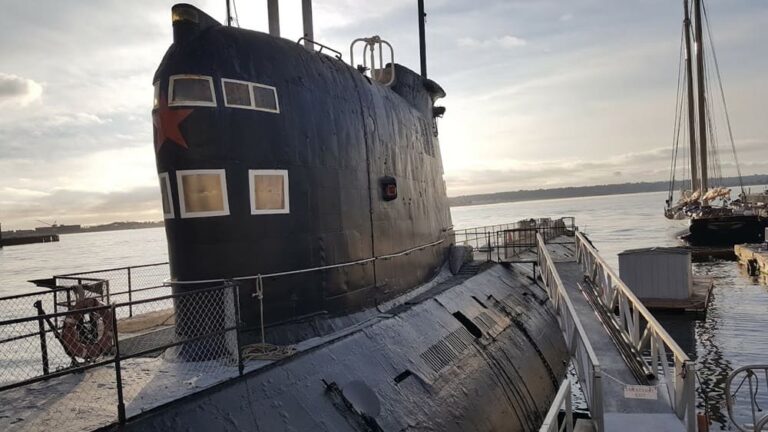
Russia’s submarine fleet prevents analysts from dismissing the entire navy. Borei-class ballistic missile submarines are armed with 16 Bulava nuclear missiles. Yasen-M submarines armed with Kalibr, Oniks, and Tsirkon weapons can attack naval and land targets. Russia also has ultra-secret special purpose submarines under its Main Directorate of Deep-Sea Research.
Activities suspected include seabed reconnaissance, sensor deployment, and operations near undersea communications infrastructure. Readiness, acoustic signatures and patrol patterns are classified. Norwegian intelligence 2026: Russian naval fighting power hindered by maintenance backlogs. But Moscow has shielded its newest submarines from the broader crunch on resources.
These boats continue maintaining a high operational tempo, according to Norway’s Focus 2026 assessment. Thus the Russian Navy is not going away. It has changed from a balanced blue-water fleet to a submarine-launched missile force. Its nuclear deterrent is fearsome; its surface fleet is becoming more of a maritime fortress. The real question is whether Russia can project sustainable carrier-based maritime power into the remote oceans.
References
- Norwegian Intelligence Service, Focus 2026.
- U.S. Naval Institute, “Russia’s Black Sea Failures Are Lessons for the South China Sea.”
- UK Ministry of Defence, Defence Secretary’s Statement on Ukraine.
- Reuters, “Russia’s lone aircraft carrier is likely to be scrapped or sold.”
About the Author