Taiwan Anti-Ship Missiles Reach a New Scale
Taiwan’s Anti-Ship Missile Surge
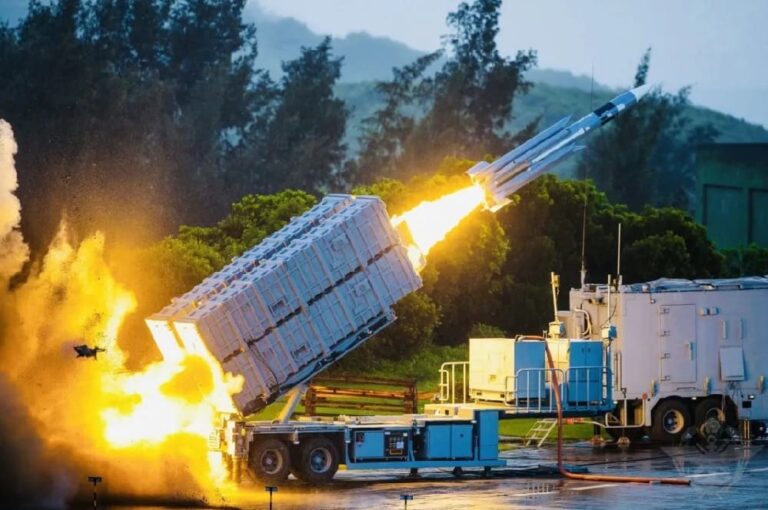
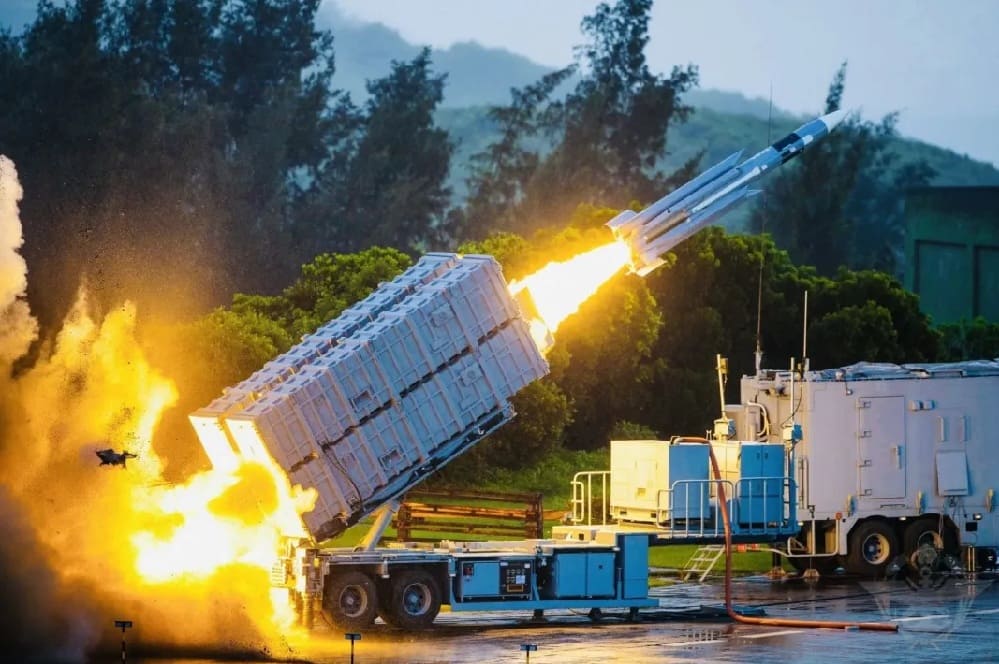
Taiwan’s anti-ship missiles are moving from deterrence to mass as the island pushes its coastal defense drive into a new phase. By year’s end, Taiwan could field more than 1,000 home-built Hsiung Feng II and Hsiung Feng III missiles, and when 400 US-made Harpoon missiles are added, the stock could pass 1,400. Taiwan would then have one of the densest coastal missile belts in the world.
A Porcupine Strategy in Practice
These numbers matter because Taiwan wants a coastline that is much harder to attack. Its defence plan follows the “porcupine” model, which favors many mobile and lethal systems instead of a few costly prestige platforms. Therefore, shore-based missiles now sit at the heart of its sea-denial plan.
Hsiung Feng Production Surge
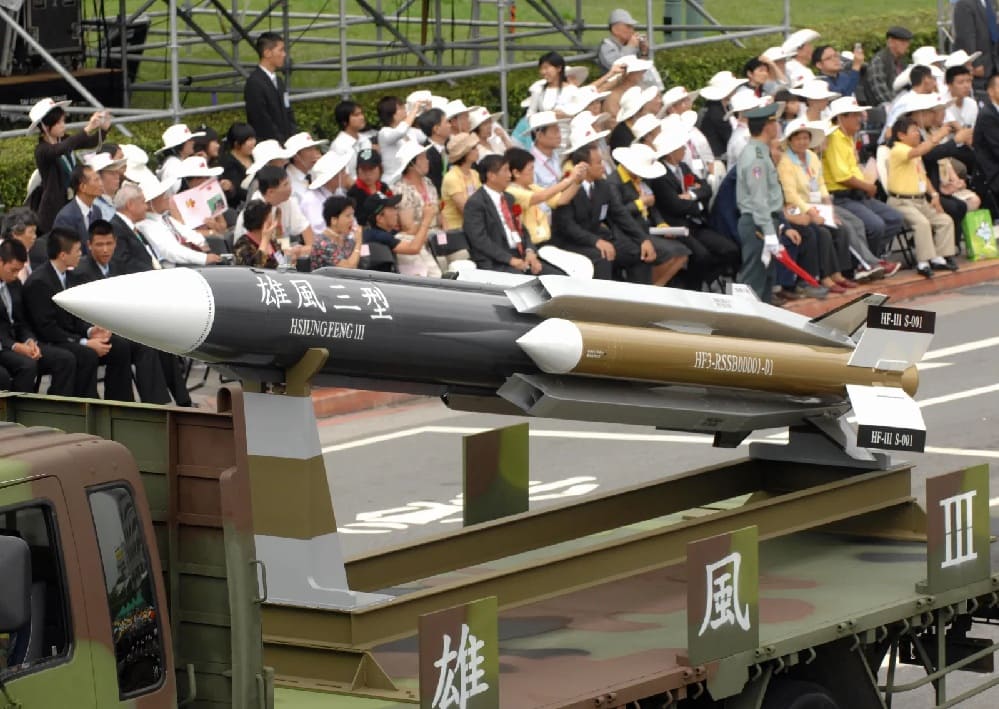
The main engine of this effort is the National Chung-Shan Institute of Science and Technology. Meanwhile, under the Sea Air Combat Power Improvement Plan, it has pushed out about 200 missiles a year. Reports say that output includes around 131 Hsiung Feng II and related extended-range rounds each year, while another 70 are Hsiung Feng III and extended-range variants. As a result, Taiwan’s anti-ship missiles are becoming a serious mass-fire problem for any hostile fleet near the island.
Upgrades Matter Too
However, Taiwan is not chasing numbers alone. Defense planners also want about 232 improved Hsiung Feng II and III missiles under the regular budget. As a result, new electronics and updated guidance should raise accuracy and help the weapons fight through jamming in a heavy EW setting. In turn, that matters because any real battle around Taiwan would likely begin under strong electronic attack.
Harpoon Adds More Depth
The Harpoon package adds another layer. Notably, the US sale covers up to 100 Harpoon Coastal Defense Systems and 400 RGM-84L-4 Harpoon Block II missiles, and parts of that package have already started to arrive. Current reporting says Taiwan expects 32 systems and 128 missiles by 2026, while full delivery of all 400 missiles is due by 2028. So, Taiwan anti-ship missiles will come from both local and US sources, giving the force more depth, more flexibility, and more staying power.
One Command for Coastal Strike
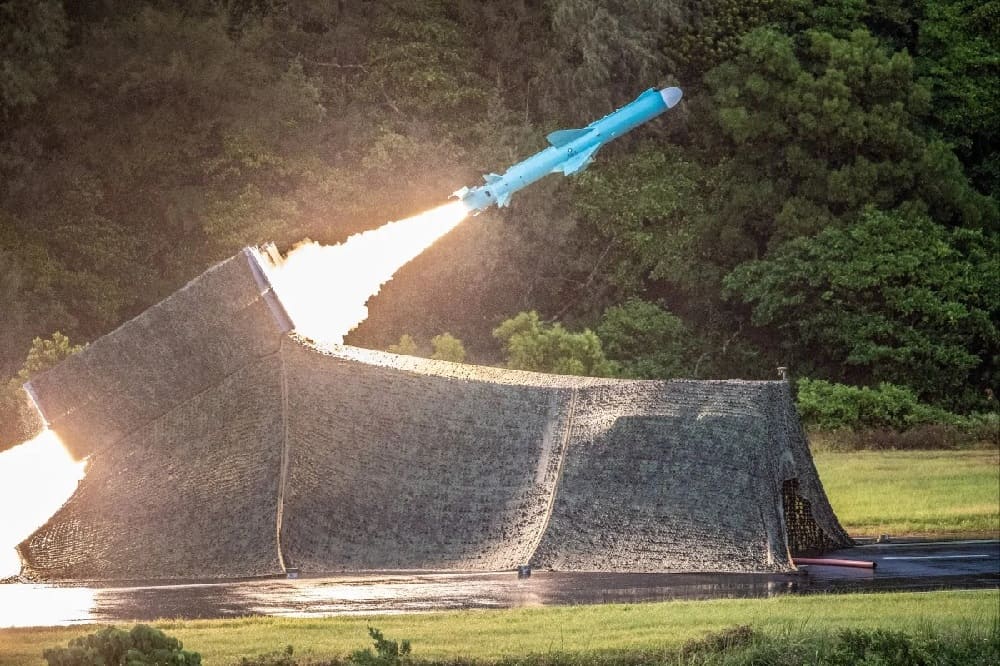
Taiwan is also changing how it runs these units. A new littoral combatant command is due to take shape as part of a wider reform. In addition, it will oversee existing Hai Feng missile formations as well as new Harpoon-equipped units. Moreover, that should help Taiwan plan mixed strikes more smoothly. It should also make it easier to launch subsonic and supersonic salvos in one coordinated attack.
Why This Matters
In short, the message is plain. Taiwan anti-ship missiles are becoming a dense coastal barrier rather than a token force. If delivery schedules hold, Taiwan will field a layered missile network built to slow, break, and punish a naval thrust. Even so, that does not make invasion impossible, but it does raise the cost and risk for any Chinese task force trying to force its way across the strait. This final judgment is an inference from the production, delivery, and command changes reported in open sources.
References
- https://defensenewstoday.info/taiwan-porcupine-strategy-explained/
- https://defensenewstoday.info/hsiung-feng-vs-harpoon-comparison/
- https://www.taipeitimes.com/News/front/archives/2026/03/11/2003853607
- https://focustaiwan.tw/politics/202510200015
About the Author