Starbucks Korea Tank Day Crisis
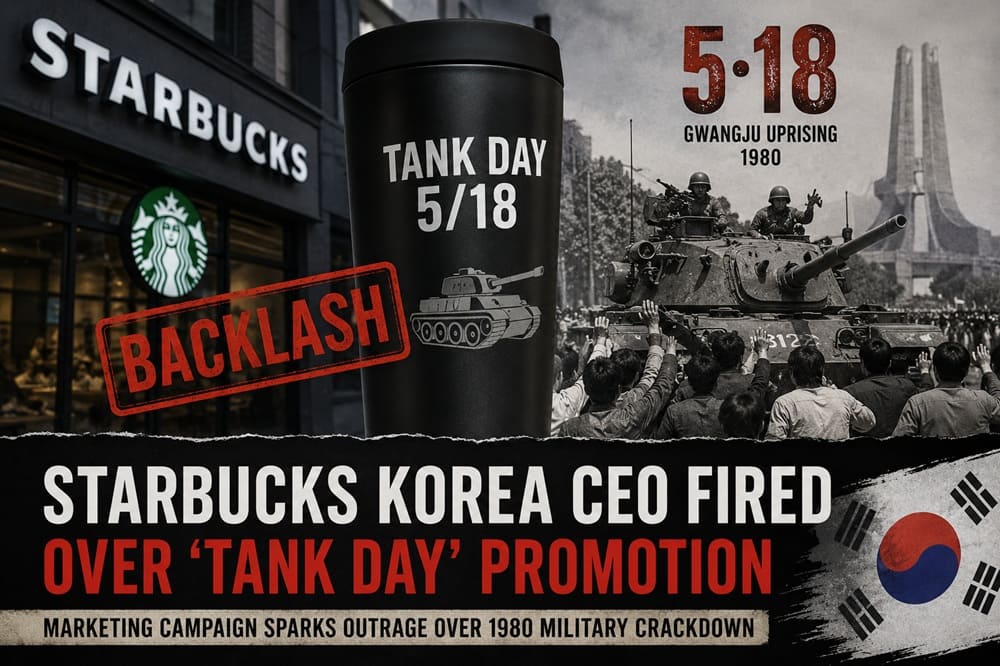
Starbucks Korea’s Tank Day campaign has become a prime example of cultural risk, crisis management, and civil-military memory. Starbucks Korea promoted “Tank” tumblers around May 18, the anniversary of the 1980 Gwangju uprising. However, the words “Tank Day” and “5/18” invoked anger, as many South Koreans linked it to the armoured vehicles used in the military crackdown on pro-democracy protesters.
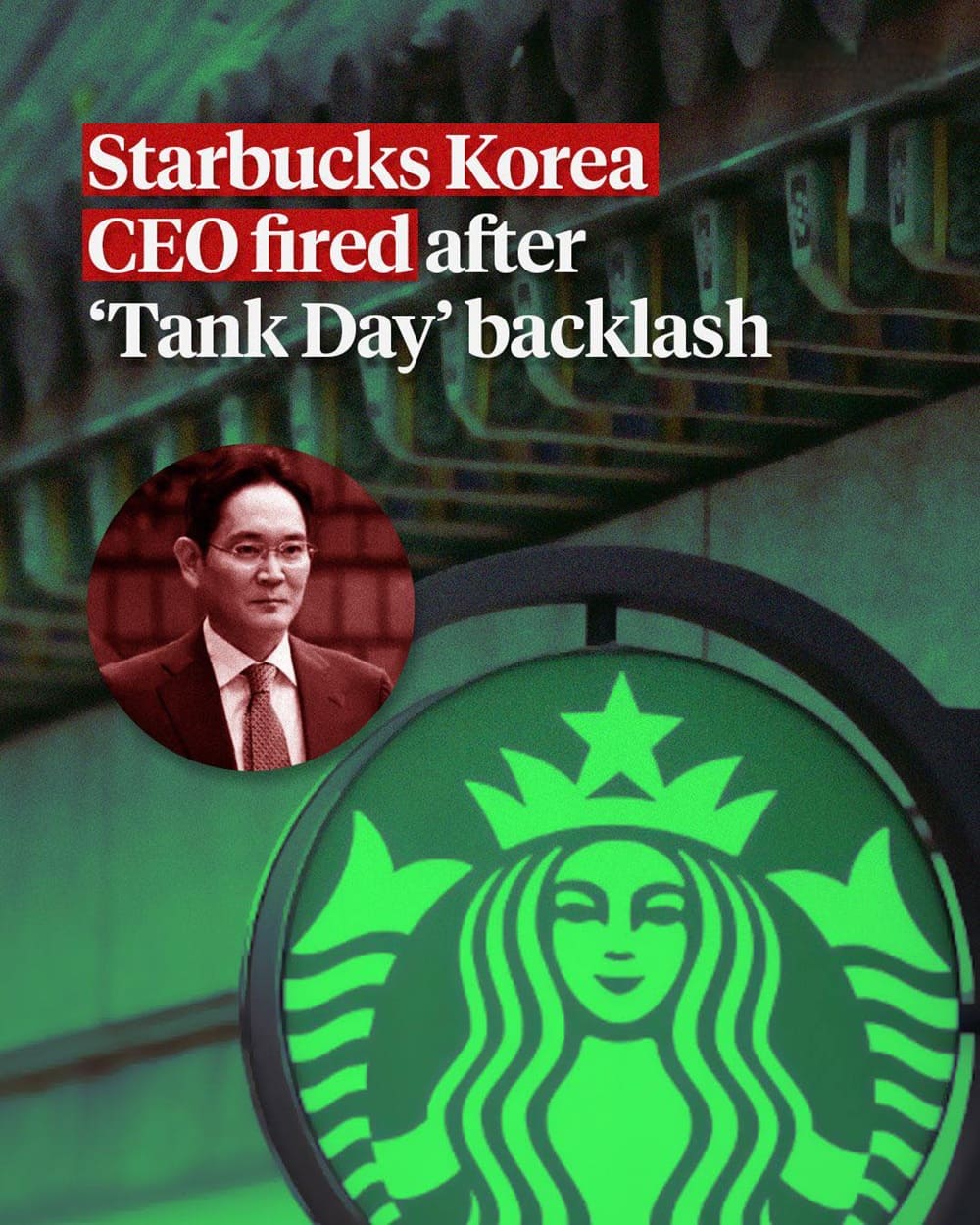
Starbucks Korea CEO Son Jung-hyun faced the consequences soon. The South Korean company that runs Starbucks Korea, the Shinsegae Group, laid him off after the campaign sparked public outrage. Chairman Chung Yong-jin has ordered a strict internal investigation and is treating the incident seriously enough to make an example of senior leadership, reports said.
Importance of 5/18 in South Korea
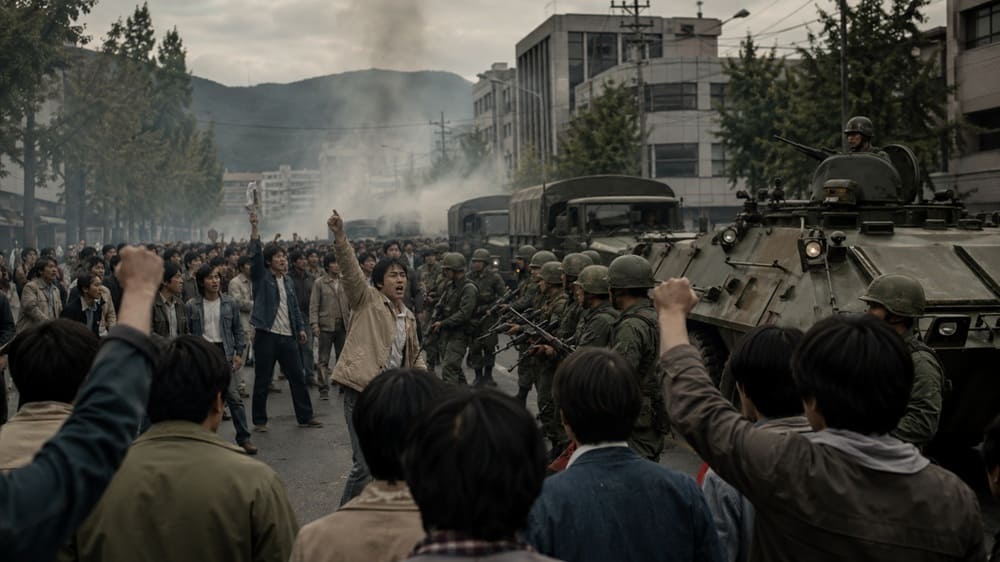
For defense observers, the backlash wasn’t just about a coffee tumbler. It resonated with the national experience of state violence, martial law, and military control. Student protesters and citizens rose up against Chun Doo-hwan’s military regime to kick off the Gwangju uprising. South Korean troops then entered Gwangju and suppressed the demonstrations by force.
The official toll has long been put at almost 200 dead. Fortunately, activists, survivors, and some historians have argued that the actual death toll may have been far higher, with some estimates running to about 2,000. So any commercial tagline that seems to trivialize tanks, 5/18 or state violence can quickly get incendiary.
Promotion Sparks Political Crisis
The Starbucks Korea Tank Day campaign escalated as it fell on the exact anniversary of the May 18 uprising. Furthermore, the word “tank” has a direct military meaning. In a normal retail calendar, a product name can look harmless. But in South Korea that word can also carry the memory of armoured suppression.
President Lee Jae Myung gave the criticism political heft. He said the campaign mocked the “blood-soaked struggle” of democracy activists and called for accountability. Civic groups representing victims also denounced the promotion. As a result, the crisis shifted from a consumer backlash to a national debate over respect, memory, and corporate governance.
Starbucks, Shinsegae Contain Damage
Son Jung-hyun apologized for the “deep hurt” the campaign caused. He also admitted that promotional materials had not been adequately reviewed internally before being issued. Starbucks Global later called the incident unintentional but said it should not have occurred.
Shinsegae Group took further action, dismissing Son and another unnamed executive connected to the campaign. This response demonstrated how quickly a brand incident can become a leadership issue. For a sensitive market company, senior accountability can come in days, not months.
Lessons for Security Analysts
Symbols matter. The Starbucks Korea Tank Day campaign offers a useful lesson for defense-minded readers. Tanks, dates, slogans, uniforms, maps, and historical references can all take on different meanings across borders. Thus, that means brands in war-, occupation-, coup-, or repression-impacted markets need local review teams skilled in the history of these places.
This case also illustrates how civil-military history can influence consumer behaviour. In the study of defense, the memory of coercive force often shapes public trust in institutions. In business, the same memory can affect buying decisions, boycotts, and regulatory pressure. It only takes hours to bridge the gap between marketing and national trauma.
Market Size Worsened Crisis
South Korea is one of Starbucks’ most significant overseas markets. Reports say the country has more than 2,000 Starbucks outlets, trailing only the United States and China. Consequently, the Starbucks Korea Tank Day campaign did not damage a small franchise. It questioned the trust that consumers have in a large market with deep brand penetration.
Scale matters. When customers attribute franchise behaviour to the parent company, a local crisis can influence their perceptions of the global brand. And social media makes domestic anger visible to the world. In this case, the marketing phrase went from app promotion to international headlines in a short news cycle.
Broader Governance Warning
Starbucks Korea’s Tank Day campaign points to the need for better approval systems. Companies should not rely solely on creative teams, product teams, or seasonal calendars. Instead, they should count on red-team reviews for sensitive dates, military language, national symbols, and politically charged anniversaries.
This is especially true in Asia-Pacific markets, where colonial memory, civil wars, border disputes, and military dictatorships still impact popular opinion. A word that sounds like energy in one market can sound like cruelty in another market. Likewise, a date that appears to be commercially viable can reopen unresolved trauma.
Cultural Intelligence Reduces Risk
The Starbucks Korea Tank Day campaign shows cultural intelligence is not a soft public relations extra. That’s strategic risk management. While Starbucks and Shinsegae acted quickly, the incident raised difficult questions about oversight, judgment, and respect for South Korea’s democratic history.
For defense and geopolitical analysts, this case is evidence that military memory can shape markets long after troops have left the streets. Tanks remain symbols of power, fear, and state coercion. And brands that ignore that symbolism risk turning routine campaigns into political crises.
References
- https://www.reuters.com/world/asia-pacific/starbucks-korea-head-fired-after-promotion-sparks-public-uproar-2026-05-19/
- https://historyguild.org/south-koreas-march-to-democracy-from-the-gwangju-uprising-to-the-june-democratic-struggle/?srsltid=AfmBOooDko3m-n2BxN4cd1H3B2sYFpzRdVrGgSc9_XqHRjkmo_i0nD8o
- https://www.aljazeera.com/economy/2026/5/19/starbucks-korea-ceo-fired-over-promotion-that-evoked-military-crackdown
- https://www.theguardian.com/business/2026/may/18/ceo-starbucks-in-south-korea-fired-over-controversial-ad-campaign
- https://www.britannica.com/event/Gwangju-Uprising
About the Author