Spanish F-18 Intercept Russian Su-30SM Over Baltic
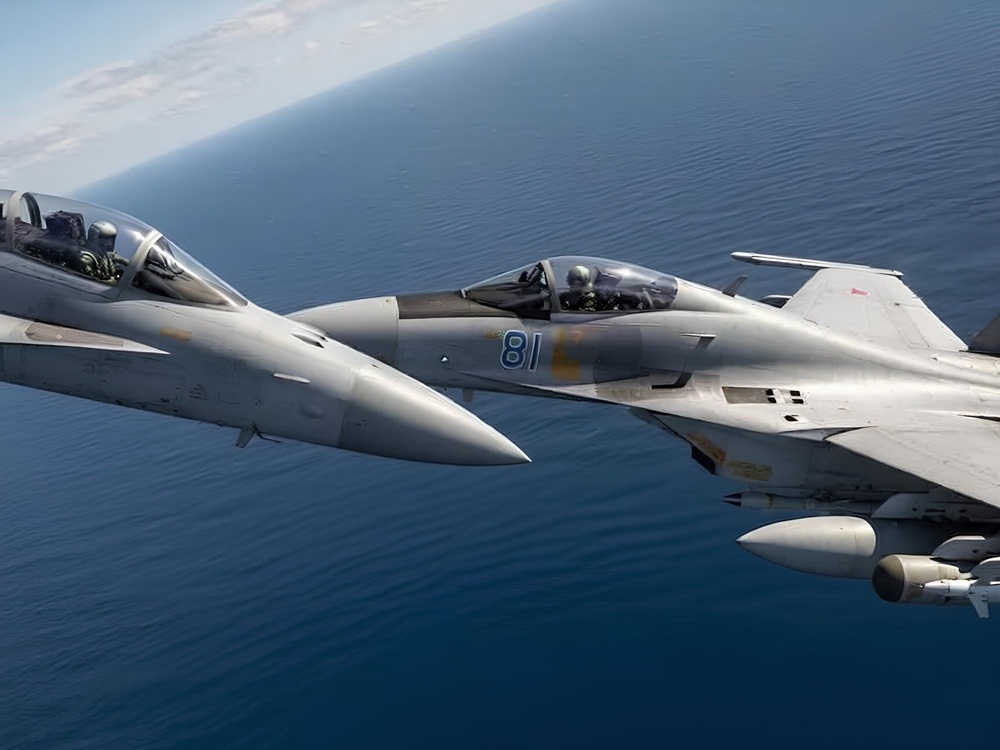
Spanish Air Force F-18M fighters scrambled to intercept Russian Su-30SM/SM2 aircraft over the Baltic region. The jets operated from Šiauliai Air Base in northern Lithuania as part of NATO’s Baltic Air Policing mission. Spanish crews reportedly identified the Russian aircraft flying in international airspace but close to Alliance borders. Reports also claimed the Su-30SMs carried live air-to-air missiles and cluster munitions.
That loadout matters because it signals an operational patrol posture rather than a symbolic fly-by. Furthermore, it intensifies the risks associated with each close approach, radio communication, and maneuver. The Spanish Defense Staff released images of one intercepted aircraft. Those images indicated the Russian Navy operated the Su-30SM, not the Aerospace Forces. That detail adds context, because naval aviation in the region often supports maritime and coastal tasking.
Routine, Yet High-Stakes Intercepts
Baltic Air Policing exists to close an air-defense gap for frontline Allies and sustain a credible quick-reaction posture. In practice, the mission tests detection timelines, command-and-control links, and pilot discipline under pressure. Therefore, even when aircraft remain outside sovereign airspace, NATO still treats unknown or non-cooperative tracks as time-sensitive. Interceptions also act as a signaling channel. Russia shows presence and readiness. NATO demonstrates that it sees the track, identifies it, and shadows it safely. Consequently, the interaction becomes a measured contest of professionalism.
Hornets Return to Šiauliai: Rotation Context
The intercept occurred soon after Spain began a fresh rotation in the Baltic Air Policing mission. Ten Spanish F-18s reportedly arrived at Šiauliai in late November, replacing Spanish Eurofighters that previously rotated through the base. That handover matters because it shapes the specific capabilities on alert, from radar performance to missile stocks and sustainment tempo. However, Spain’s current fast-jet mix also reflects a wider European reality. Many air forces still fly upgraded fourth-generation types, even as stealth aircraft spread across the region.
Legacy Fighters vs. Su-30SM: Capability Gap
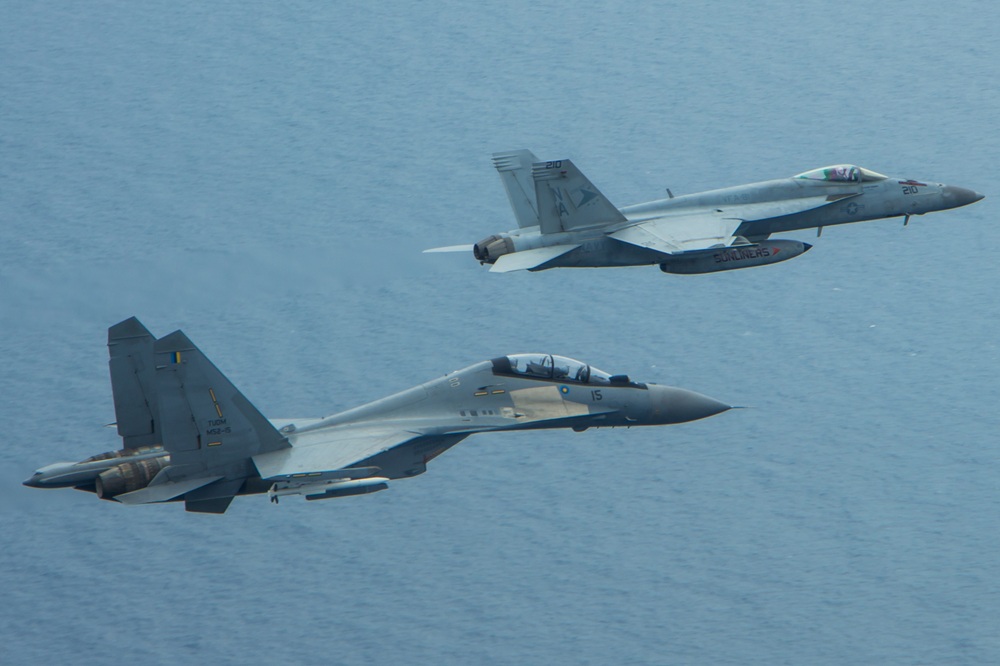
Spanish variants of the F-18 and Eurofighter have long carried “aging-but-serviceable” limitations. They remain credible for many tasks, yet they face real constraints in range, sensor growth, and future-proofing. Specifically, both types rely on mechanically scanned radars, which are decades behind the latest advancements in scan speed, jamming resistance, and multi-target tracking. Meanwhile, the Su-30SM represents the most capable fighter in Russian Navy service.
Russia has gradually updated parts of the fleet to meet the Russian Su-30SM2 standard. That upgrade integrates refreshed avionics and the improved AL-41F-1S engines, which enhances thrust and efficiency. This aspect matters because long-range intercept geometry punishes short legs. If a fighter must refuel or return sooner, it loses time on station. Therefore, range and sensor reach determine who controls the engagement timeline, even without a shot fired.
What to Watch Next
Several indicators will reveal whether this “routine intercept” points to a larger shift:
- Rotation tempo at Šiauliai: more frequent scrambles usually signal higher regional air activity.
- Platform mix on NATO QRA: the spread of stealth fighters changes the deterrence baseline.
- Spanish procurement signals: any concrete steps toward an F-35 order will reshape planning.
- Russian Navy aviation posture: recurring armed patrol reporting suggests sustained readiness emphasis.
In short, Spanish F-18 intercepts of Russian Su-30SM encounters look routine on paper. However, they also expose the real balance between legacy fleets and modernized Flanker derivatives. The Spanish F-18 intercepts Russian Su-30SM events and, therefore, acts as a practical stress test for NATO alert forces and Spain’s future fighter roadmap.
References
- https://www.nato.int/en/what-we-do/deterrence-and-defence/nato-air-policing
- https://defence-blog.com/spain-intercepts-russian-su-30sm-combat-jet/
- https://militarywatchmagazine.com/article/russian-su30sm-spanish-f18-engage-baltic
- https://www.businessinsider.com/inside-nato-air-policing-mission-fighter-pilots-minutes-scramble-jets-2026-1
About the Author