

Soviet Project 33 and the JF-17: A Quiet Lineage
The Case for Project 33/Izdeliye 33
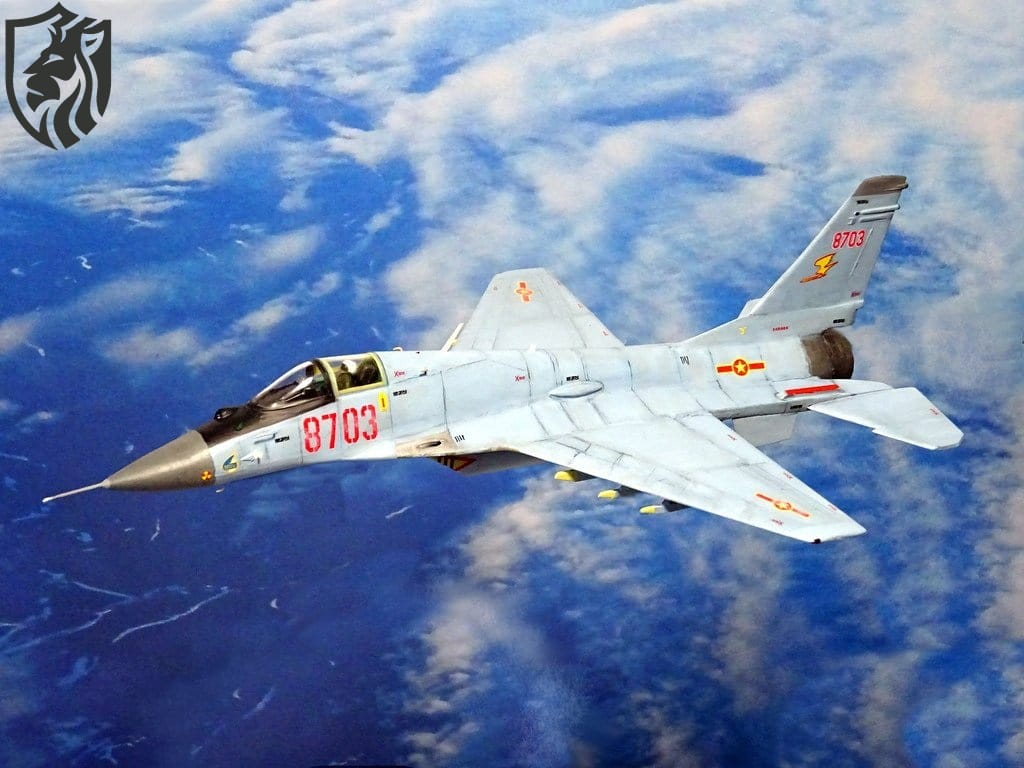
Soviet Project 33, in its Russian terms, often referenced as Izdeliye 33 (MiG-33), was a simple, low-cost fighter idea with big implications. It aimed to deliver F-16A-style agility without the price tag. Although Moscow shelved it, the concept found a second life abroad. This story explains how Soviet Project 33 and the JF-17 Thunder overlap in philosophy and, in places, in hardware choices.
The 1980s Brief: A Soviet F-16 Rival
Mikoyan sketched a straightforward, single-engine, lightweight fighter. The brief emphasizes maneuverability, low costs, and ease of maintenance. In spirit, it mirrored the early F-16: simple where possible, lethal where necessary. Soviet Project 33 and the JF-17 share that philosophy of affordability with a credible combat punch.
Why One RD-33 Beats Two
Design notes point to a single Klimov RD-33/93-class turbofan for Soviet Project 33. The approach reused MiG-29 propulsion thinking but halved engine count and complexity. That choice promised cheaper acquisition and maintenance. It also fit the “point-defense” remit: scramble fast, fight close, then land.

Point Defense First, Multirole Later
Project 33 was intended as a short-range interceptor. It would complement the MiG-29, which carried heavier sensors and longer-range weapons. The mix kept fleets affordable while defending key airspace. Soviet Project 33 and the JF-17 both lean into this “good-enough multirole, strong air defense” niche for budgets under stress.
Why the USSR Pulled Out
The Soviet leadership pursued higher-end projects as resources tightened. Advanced airframes soaked up money and engineers. As a result, the development of Project 33 was never completed. However, the core idea—that being agile and inexpensive is preferable to being heavy and expensive—refused to die. Therefore, the core idea persisted and spread far beyond its original context.
Timeline and decision points
After 1989, the U.S.–China Super-7 collaboration collapsed. China still wanted a light fighter, so it absorbed useful concepts while rescoping the program. Reports suggest that the shelved know-how from Mikoyan influenced this shift. Soviet Project 33 and the JF-17 meet conceptually here: a tight airframe, sensible avionics, and a focus on cost control.
FC-1 Emerges, Pakistan Commits
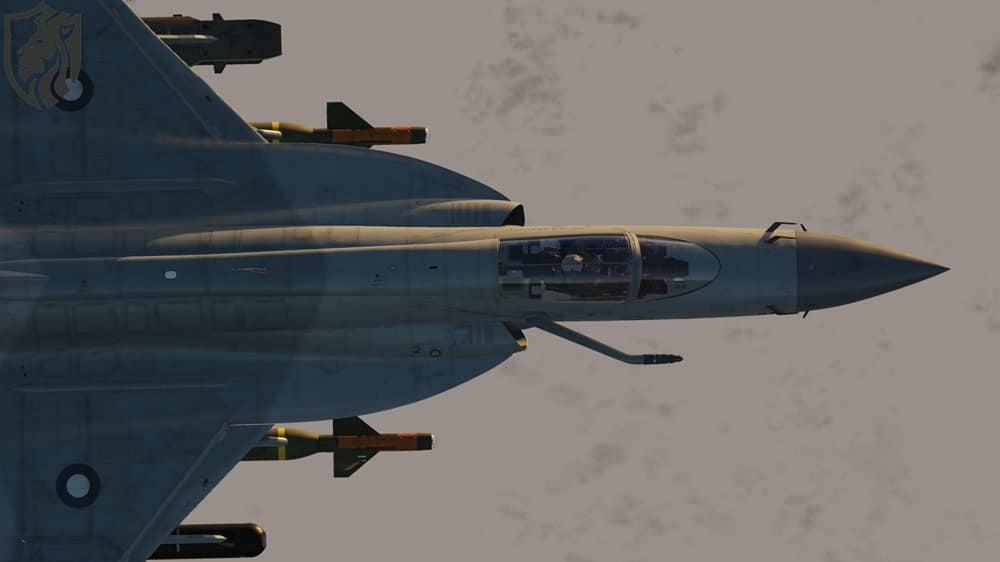
Chengdu’s FC-1 took shape with a single RD-33 derivative, practical avionics, and a multirole fit. Pakistan required numbers at a reasonable cost, plus sovereign input on upgrades. The JF-17, co-developed with Pakistan Aeronautical Complex, provided exactly that. It joined the Pakistan Air Force alongside—ironically—the F-16.

Design DNA: What Stayed
Several ideas echo across decades: keep weight modest, avoid exotic materials where unnecessary, and accept a compact radar with evolving weapons. The result is a fighter that nations can buy, sustain, and modernize. Soviet Project 33 and the JF-17 align on lifecycle pragmatism as much as on performance.
Mission Systems: The Smart Shift
Early concepts envisaged simple sensors supporting close-in dogfights. The JF-17 takes that baseline and modernizes it. Blocks II and III added improved datalinks, targeting pods, and contemporary air-to-air and air-to-surface weapons. The platform matured without abandoning affordability as its prime selling point.
Capability That Scales
Not every fleet can field F-35s or Su-57s. Many need 24/7 coverage, reliable scramble rates, and predictable bills. That is where the lineage shines. Soviet Project 33 and the JF-17 show how an affordable, modular fighter can anchor national air defenses while leaving room for premium assets.

The Right-Sized Fighter
Point defense fighters must launch quickly, fight decisively, and return without drama. They must also accept upgrades without airframe-breaking costs. The JF-17 proves the model: it integrates new sensors and weapons while retaining the light-fighter DNA that Project 33 once proposed. Moreover, it keeps procurement officers calm.
Conclusion
Project 33 never flew, yet its spirit endures in fleets that value readiness over extravagance. The JF-17 truly represents this idea well and reliably—similar to how the PAF’s Chinese J-10C, which is often said to have features from the Israeli Lavi design (like its shape, advanced control systems, and mission capabilities). In short, the practical Soviet idea found a modern, export-friendly home; functionally, the JF-17 stands as the closest real-world successor to Project 33.
References
- https://www.globalsecurity.org/military/world/russia/mig-33.htm
- https://en.wikipedia.org/wiki/CAC/PAC_JF-17_Thunder
- https://janes.migavia.com/chn/cac/fc-1.html
- https://www.globalsecurity.org/military/world/china/fc-1.htm
About the Author