
South African Parts in Russian Drones — Export Controls Tested
South African parts in Russian drone
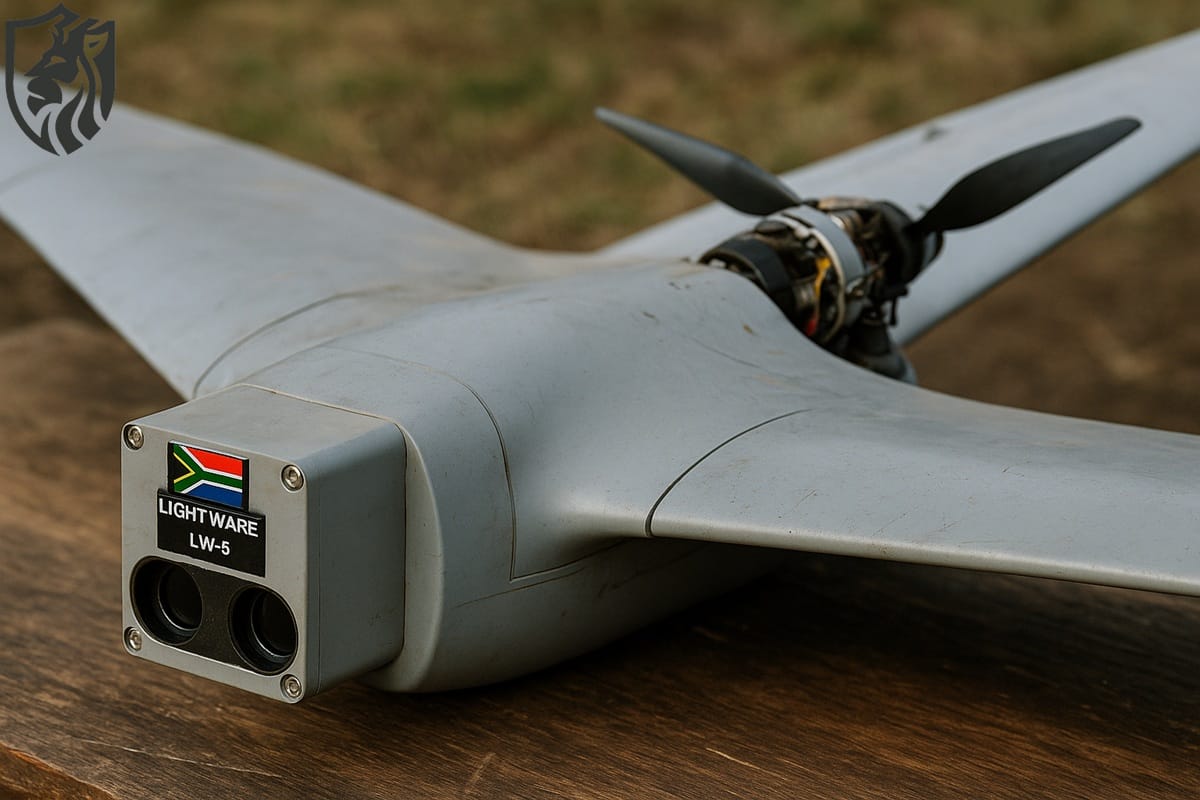
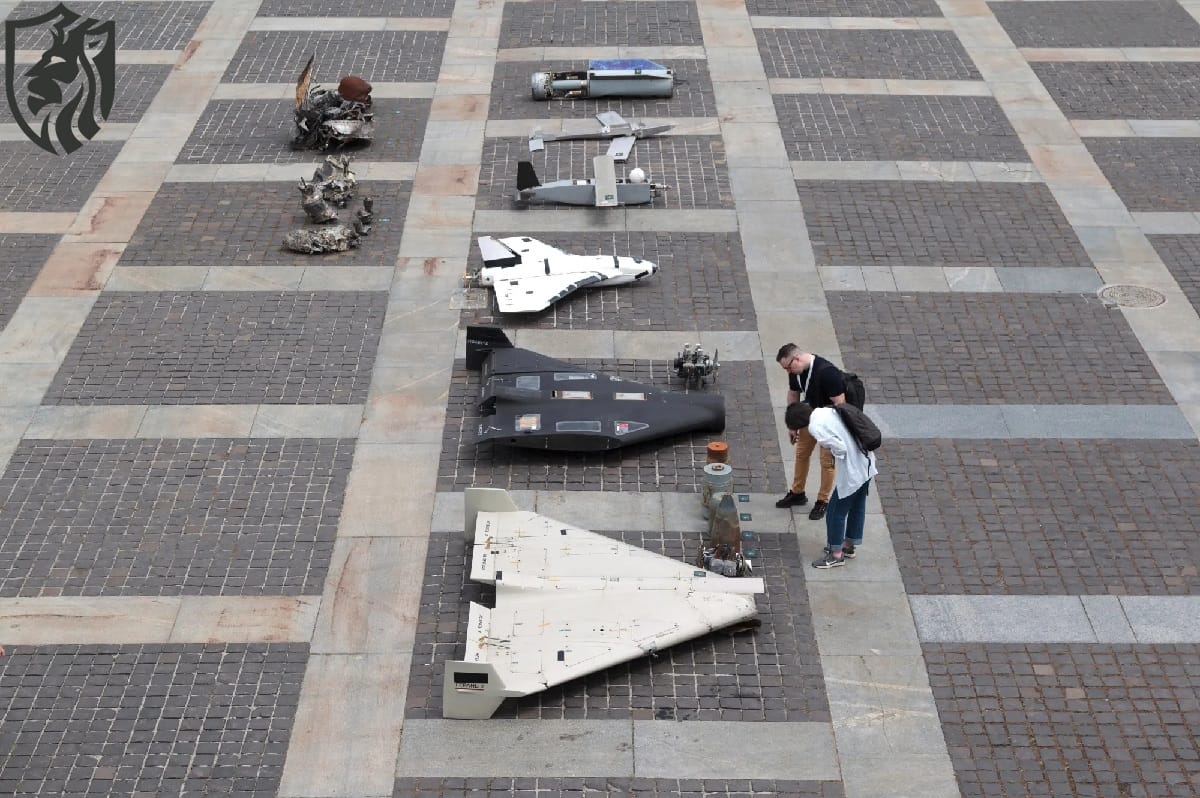
When South African parts found in Russian drone wreckage surfaced on Ukrainian soil, the story was more than a curiosity. Ukrainian forces recovered a downed Garpiya-A1 kamikaze drone and found a compact laser rangefinder from LightWare Optoelectronics inside its airframe. The same type of sensor usually helps driverless cars avoid obstacles or aids conservation teams in tracking wildlife, yet here it sat inside a loitering munition over a European battlefield. Defence analysts interpret this discovery as a direct challenge to global export controls. It shows how commercial off-the-shelf electronics slip into foreign military supply chains, even when the original manufacturer insists on purely civilian intent.
From driverless cars to detonation triggers
The range-finding unit recovered from the Garpiya-A1 can measure distance with high precision. On a self-driving vehicle, that means collision avoidance and mapping. On a kamikaze drone, the same feature lets software gauge the final distance to a target and trigger the warhead at the optimum moment. Moreover, the form factor matters. LightWare has spent recent years shrinking its laser sensors, cutting weight and size so engineers can mount them on small platforms.
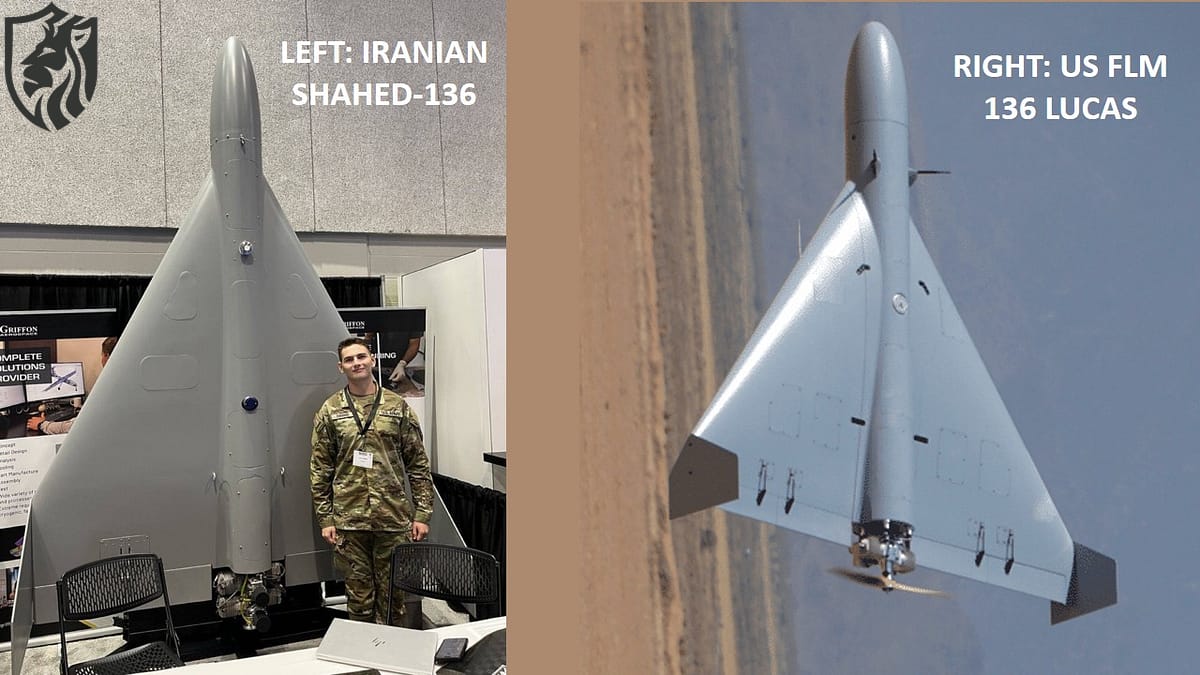
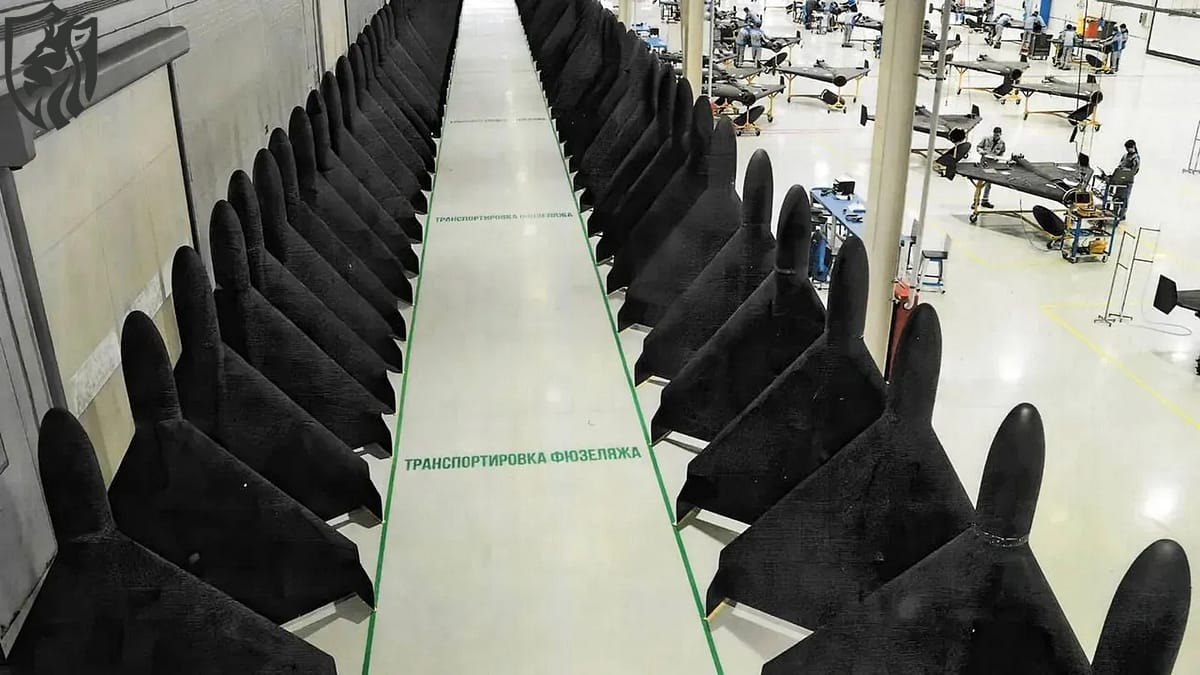
That is ideal for drones inspecting power lines or surveying mines. It is also ideal for a Russian drone designer copying the flying-wing Shahed series and looking for compact Western components to drop into the avionics bay. The result is a Garpiya-A1 built from international parts: Chinese engines, foreign electronics and, as this case shows, South African optics alongside other imported modules.
LightWare’s position
LightWare’s leadership moved quickly once South African parts found in Russian drone debris made headlines. The company stressed that it designs and markets its sensors for civilian tasks only. It also pointed out that it stopped shipping to both Russia and Ukraine in 2022, as the full-scale war and sanction regimes hardened. However, the firm cannot track where every unit ends up after the initial sale. Components may pass through distributors, resellers and integrators.
According to CEO Nadia Nilsen, an “unscrupulous operator” likely bought LightWare units on the secondary market and installed them in Russian drones without the company’s knowledge or consent. From a legal and ethical standpoint, that statement highlights a core problem: once dual-use-adjacent hardware leaves the warehouse, tracing its final application becomes extremely difficult, especially in regions with opaque export chains.
South Africa’s neutrality under question
Politically, the case lands awkwardly in Pretoria. Officially, South Africa remains neutral on the Russian invasion of Ukraine. It has hosted Russian naval exercises, refused to support UN resolutions condemning Moscow, and maintained high-level contacts with Russian officials. At the same time, it insists that its domestic export controls prevent overt arms sales from leading to active conflicts. Public disclosure of South African parts found in Russian drone fragments complicates the sale of this delicate balance.
Opposition figures, such as spokespeople from the Democratic Alliance, now question whether neutrality is drifting into quiet complicity. They argue that any South African-origin technology appearing in Russian weapons undermines claims of strict compliance with both national law and the Wassenaar Arrangement’s spirit. Yet the state can also point out that LightWare does not sit on its conventional arms exporters list and has never held a licence to supply weapons manufacturers directly.
Export rules, and the Wassenaar lens
South Africa bars firms from exporting weapons to active war zones without NCACC approval. Officials say LightWare is absent from the NCACC register. They add that its products are not yet listed as controlled dual-use items. This gap creates a regulatory grey zone for South African parts found in Russian drone systems. True dual-use technology should face tighter controls under Wassenaar state criteria. Optics and advanced sensors sit within that ongoing discussion. However, control committees often trail behind rapid industry innovation. Many commercial laser rangefinders therefore remain outside formal restricted lists.
Visits to LightWare’s facilities
Investigators now plan on-site visits in LightWare’s facilities. They will map its business model and trace how customers use its sensors. Officials will also judge whether its portfolio needs tighter export rules. That review will be difficult for the company and regulators. Stricter controls could increase paperwork, delays, and costs for high-tech exporters.
Yet the Garpiya-A1 case shows the price of weak enforcement. Battlefield wreckage exposes gaps between regulation and real-world weapons development. Readers can explore Defence News Today’s wider coverage of Russian drone warfare. They can also review our analysis of sanctions evasion and grey-market sourcing.
Global supply chains
The South African parts found in Russian drone debris also tell a broader story about modern arms manufacturing. Russia already relies heavily on Iranian Shahed-style designs and Chinese components to sustain mass drone production. Each added Western or Southern Hemisphere component offers both technical gains and political cover; Moscow can argue that it merely buys commercial electronics available worldwide.
Meanwhile, manufacturer statements of non-involvement preserve a thin layer of plausible deniability. Companies can say, often truthfully, that they did not seek or approve military integration. However, frontline evidence—the wreckage of a Garpiya-A1 in a Ukrainian field—shows that intent and outcome have diverged sharply. For defence professionals, the question becomes less about blame and more about resilience: how can export regimes adapt so that genuinely civilian innovators do not become unwilling accessories to long-range strike campaigns?
Lessons for industrial regulators
Ultimately, the story of South African parts found in Russian drone wreckage underlines three lessons. First, regulators must treat commercial sensors, optics and navigation modules as real issues, not just afterthoughts. Once the technology is small, cheap, and robust enough for a mining robot, it is almost certainly attractive to a drone engineer in a sanctioned state. Second, industry needs realistic compliance tools.
Redlisting entire markets is easy to announce but difficult to enforce when distributors, online platforms, and global logistics networks stand between a factory in Pretoria and a workshop near Moscow. Third, Ukraine’s experience shows that open-source intelligence, battlefield recovery and public disclosure now form part of export-control enforcement. Whenever a technician removes a label from a wrecked drone and shares it online, that action provides regulators with another lead and creates an additional reputational headache for manufacturers.
References
- South African export control and defence industry context – Defence News Today (internal).
- Russian and Iranian kamikaze drone operations in Ukraine – Defence News Today (internal).
- Official information on dual-use controls – Wassenaar Arrangement.
- Major international media outlets provide open-source reporting on the presence of foreign components in Russian drones.
About the Author